Neutralia — History & Facts
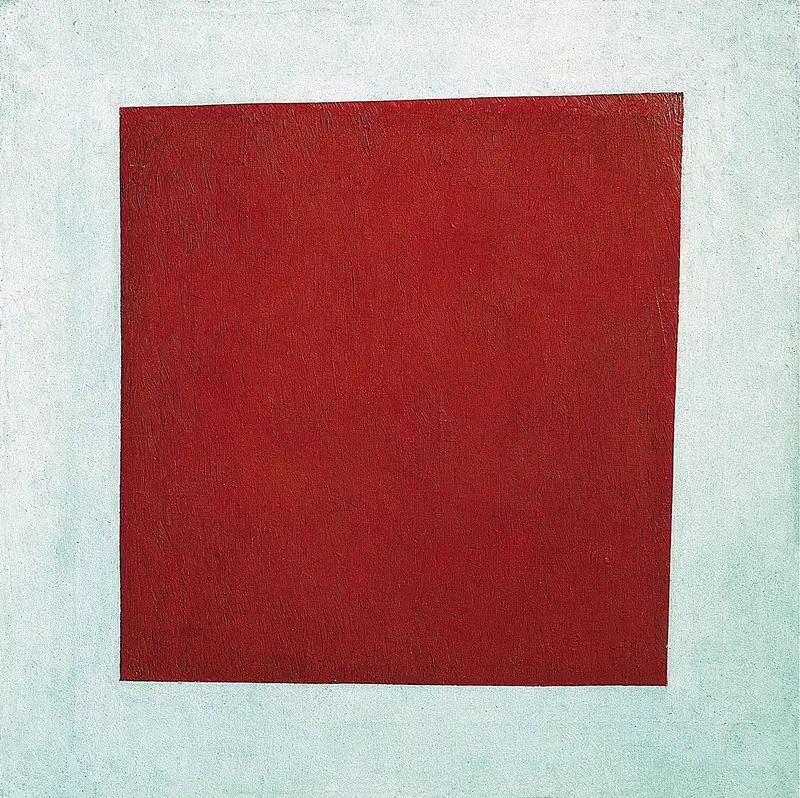
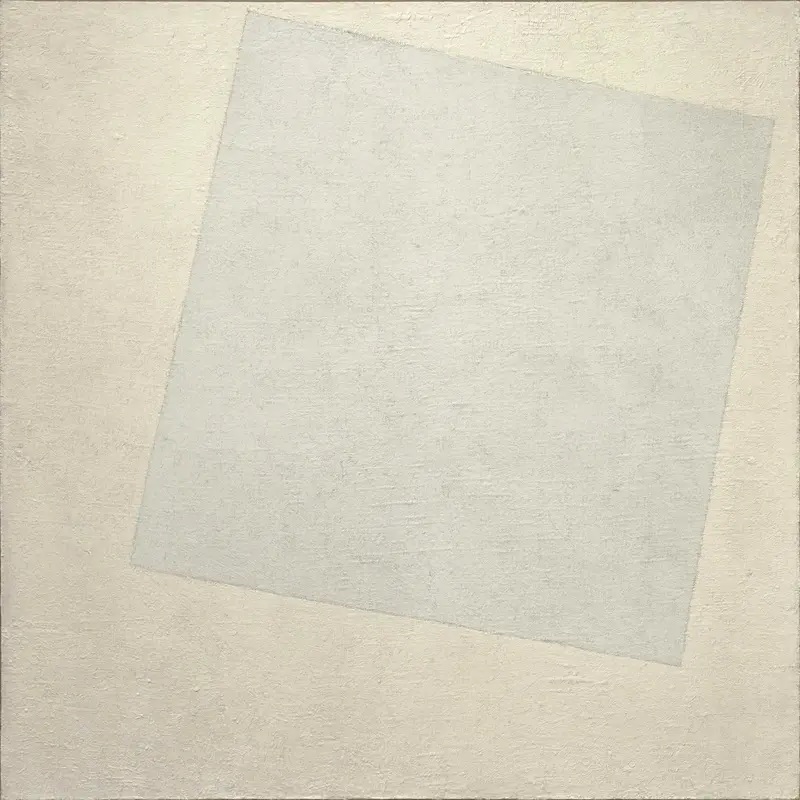
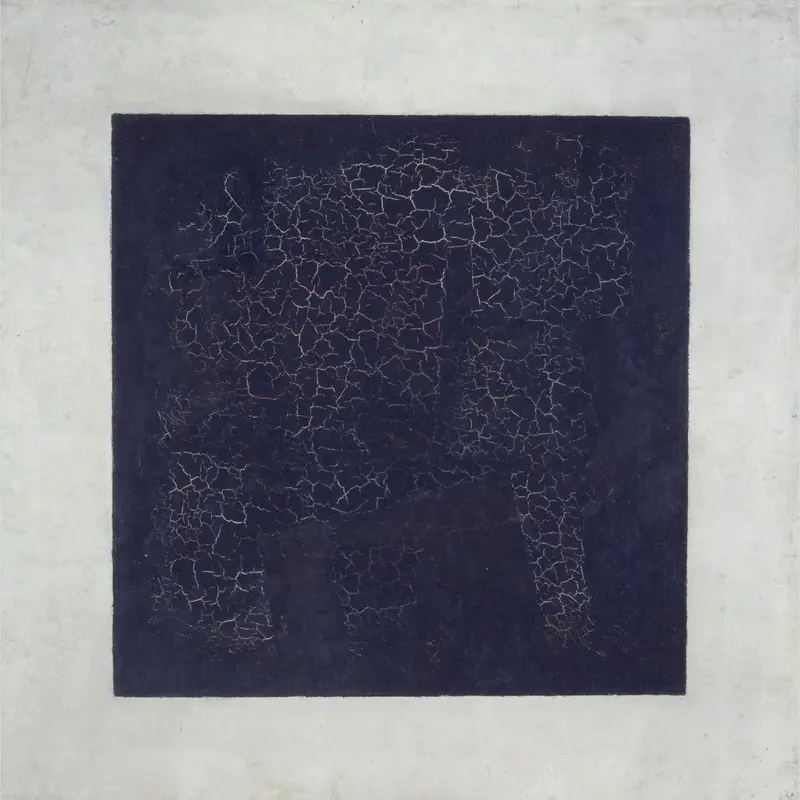
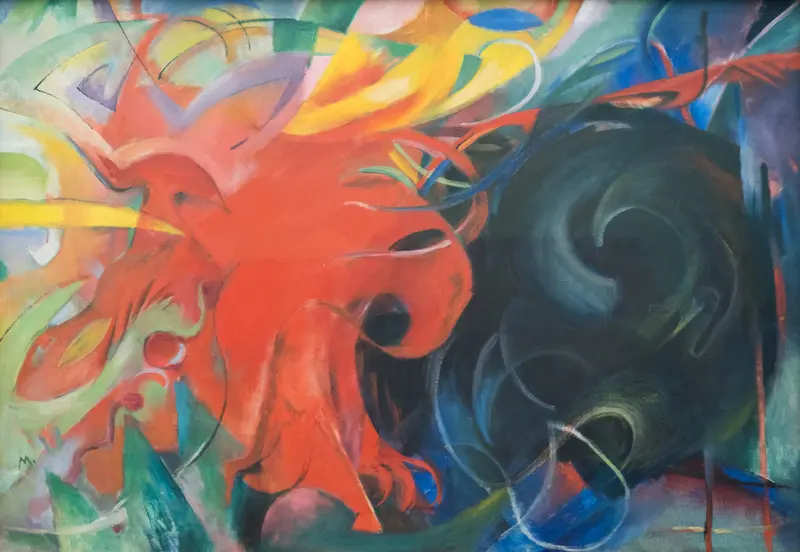
In Neutralia, Edvard Munch uses a palette dominated by muted tones, primarily blues and grays. The composition features abstract forms that seem to swirl and blend into one another, creating a sense of movement. There are no distinct figures, but rather shapes that suggest emotional states.
The overall atmosphere is one of introspection and ambiguity. This painting is executed in oil on canvas, showcasing Munch's characteristic brushwork. The texture is rich, with layers of paint that add depth to the colors. Viewers can observe how Munch blends hues to create a fluidity that enhances the emotional impact.
The dimensions are approximately 80 x 100 cm, making it a sizable work that invites close examination. Edvard Munch, a key figure in the Expressionist movement, often explored themes of anxiety and existential dread. Neutralia reflects his interest in the emotional landscape rather than a literal representation. An interesting fact about this work is that it was created during a period when Munch was experimenting with abstraction, pushing the boundaries of traditional painting.
This piece exemplifies his transition towards a more modern approach to art.