
Night Attack on the Sanjō Palace — History & Facts
Night Attack on the Sanjō Palace is a Japanese handscroll painting created in the late 13th century by an unknown artist, using ink and color on paper. The work illustrates a violent episode from the Heiji Rebellion of 1159, a pivotal conflict in late Heian period Japan. This handscroll is a prime example of the emaki (painted narrative scroll) tradition, which combined text and image to recount historical or literary events. The scroll presents a continuous narrative scene featuring a chaotic assault on the imperial Sanjō Palace.
The composition is densely populated with armed figures, horses, and burning architecture, rendered in vivid colors and dynamic brushwork. The movement of the crowd and the swirling flames dominate the central portion, while the text panels at either end frame the action and provide written context. The artist employs a bird’s-eye perspective and strong diagonals to guide the viewer’s eye through the unfolding events. This handscroll is one of the most celebrated surviving examples of war tales (gunki monogatari) in Japanese art and is held in the collection of Princeton University.
Its detailed depiction of armor, weaponry, and courtly costume has made it an important reference for historians of Japanese culture and warfare. The scroll has been widely exhibited and reproduced, and it remains a key work for the study of narrative painting in medieval Japan.
More Artworks by Unknown Artist
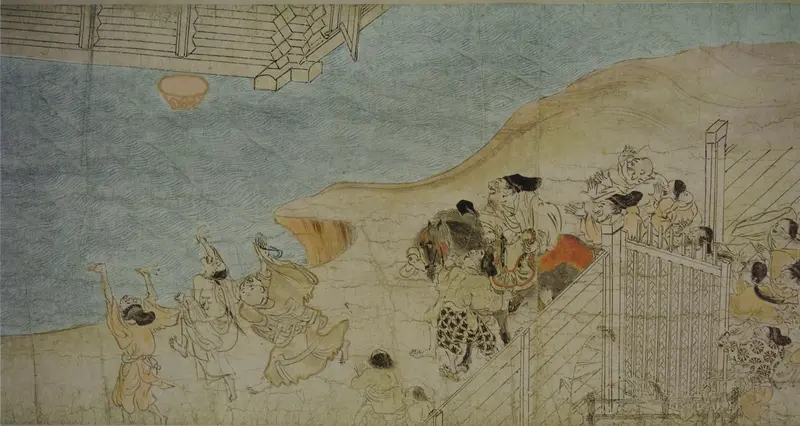
Legends of Mount Shigi: The Flying Granary
Unknown Artist
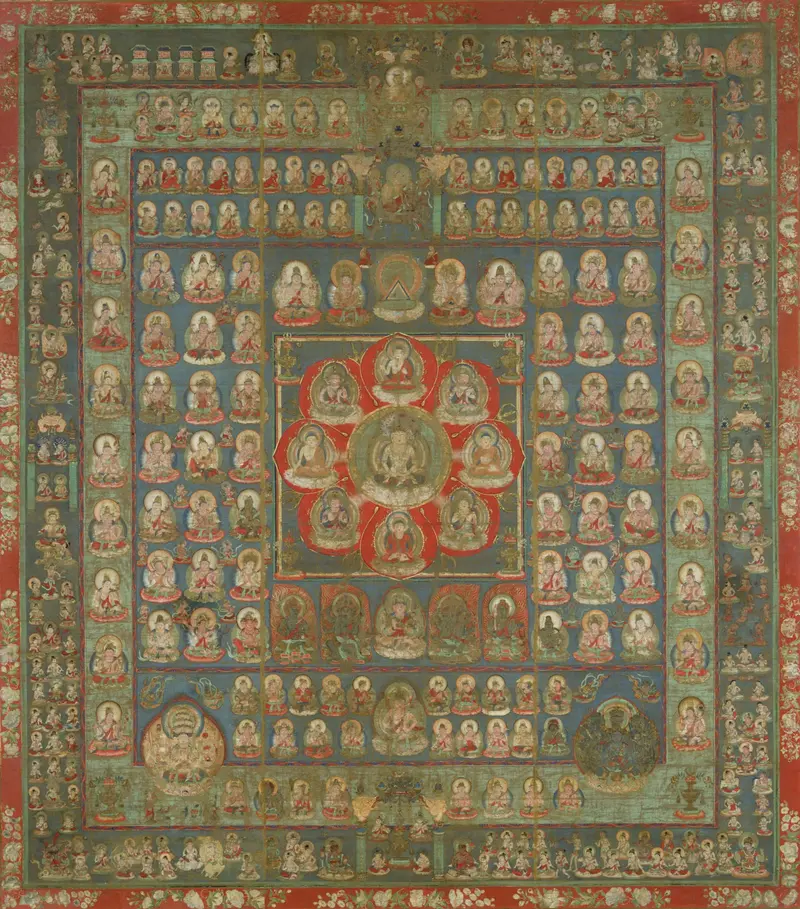
Womb World Mandala (Mandala of the Two Realms)
Unknown Artist
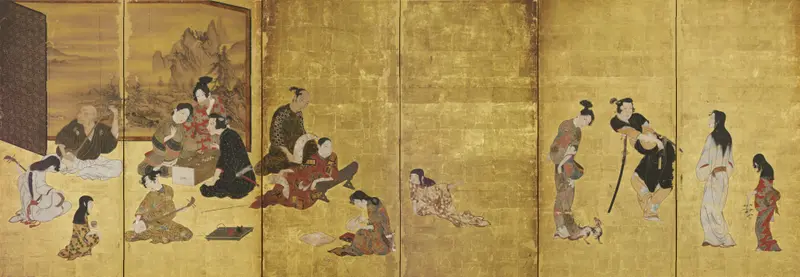
Hikone Screen
Unknown Artist

The Tale of Genji Scroll: Yadorigi
Unknown Artist

The Ideal City
Unknown Artist
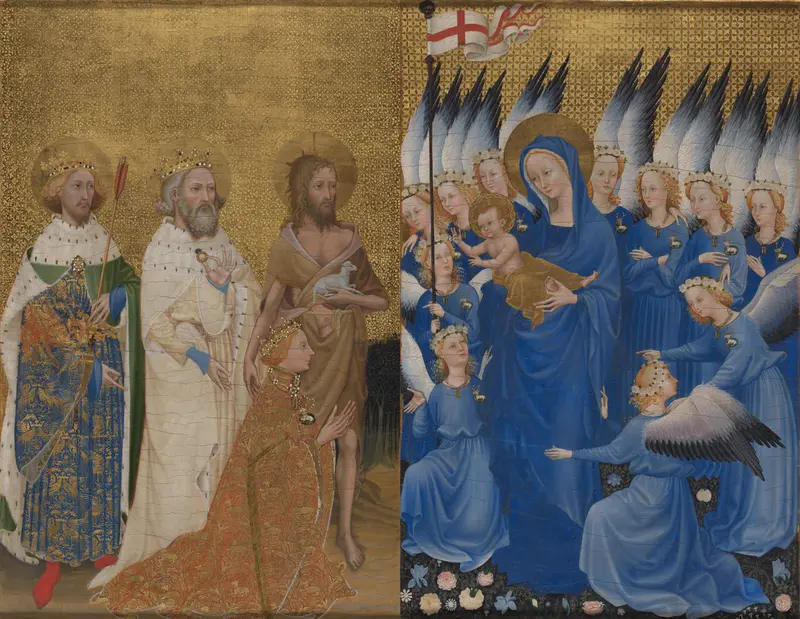
The Wilton Diptych
Unknown Artist

Ridder, Dood en Duivel
Unknown Artist
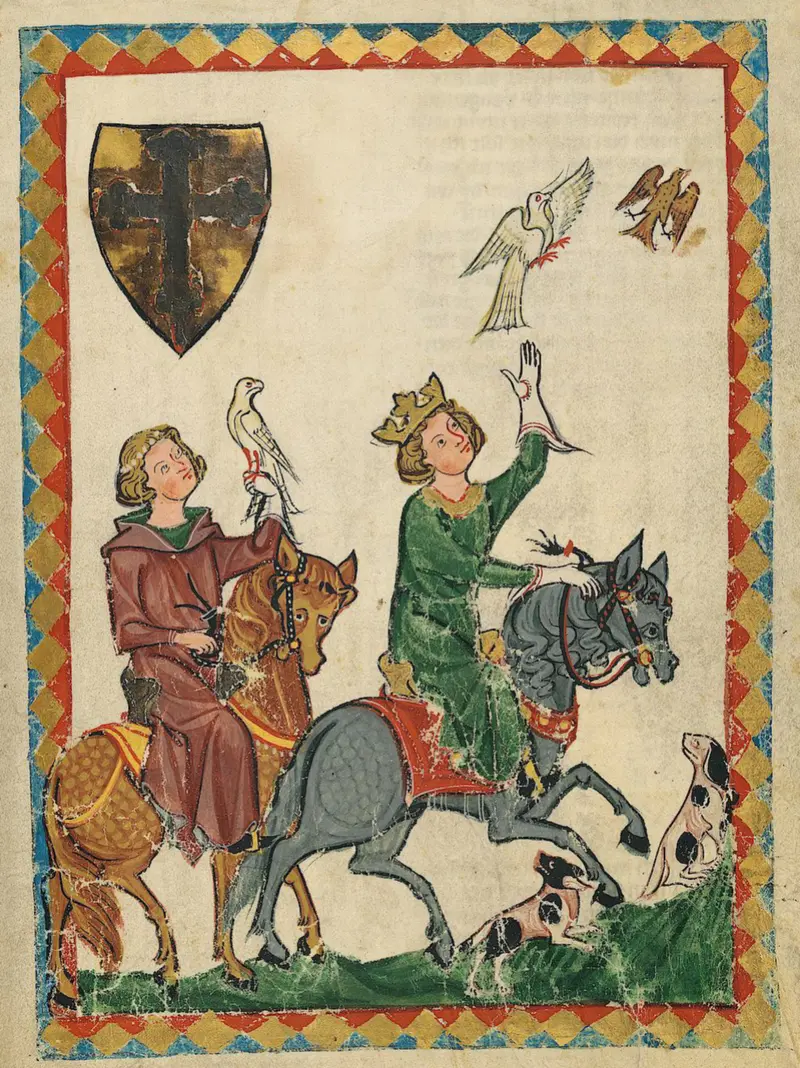
Codex Manesse: King Conradin Hawking (fol. 7r)
Unknown Artist
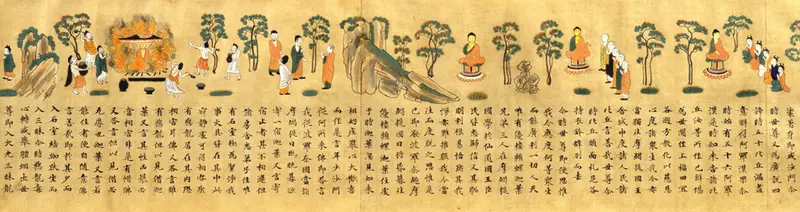
Illustrated Sutra of Past and Present Karma (E Ingakyō)
Unknown Artist
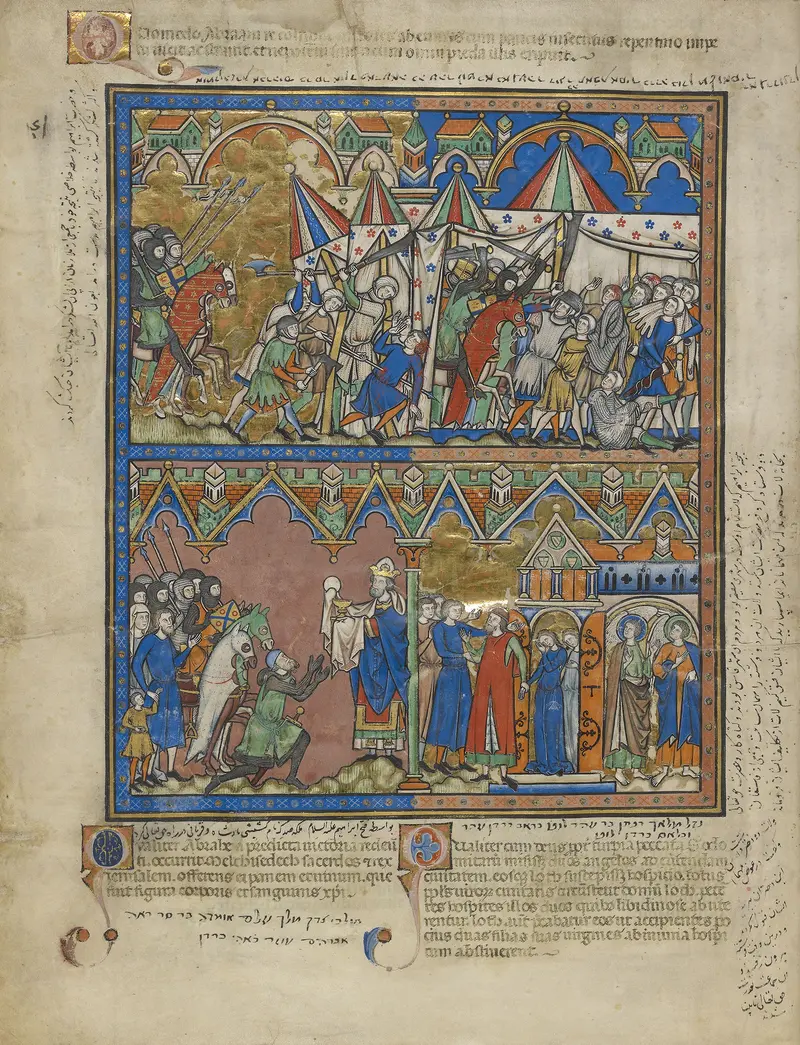
Morgan Bible (Maciejowski Bible), fol. 3v
Unknown Artist





