
Womb World Mandala (Mandala of the Two Realms) — History & Facts
The Womb World Mandala (Mandala of the Two Realms) is a large hanging scroll painted in color on silk by an unknown artist in 9th-century Japan. This work belongs to the Heian period (794–1185) and is associated with the Shingon school of tantric Buddhism. The mandala is held at Tō-ji in Kyōto and is designated a National Treasure of Japan. The composition is highly structured, featuring a central Buddha figure surrounded by concentric arrangements of deities, bodhisattvas, and other spiritual beings, each seated in lotus position within their own aureoles.
The background is predominantly blue, with red and gold framing the central figures and delineating the various sections. The figures are rendered in fine detail, with delicate lines and subtle shading, and the entire surface is organized into a grid-like pattern, emphasizing the hierarchical and cosmological order central to the mandala’s function. Mandala paintings of this type were created as visual aids for esoteric Buddhist rituals and meditation, particularly within the Shingon tradition. The Womb World Mandala represents the garbhakosa-dhatu, or matrix realm, and is one half of the pair known as the Mandala of the Two Realms, the other being the Diamond World Mandala.
This example, dating to the 9th century, is among the earliest surviving Japanese mandalas and has been preserved at Tō-ji, a major Shingon temple in Kyōto, where it continues to be recognized for its religious and artistic significance.
More Artworks by Unknown Artist
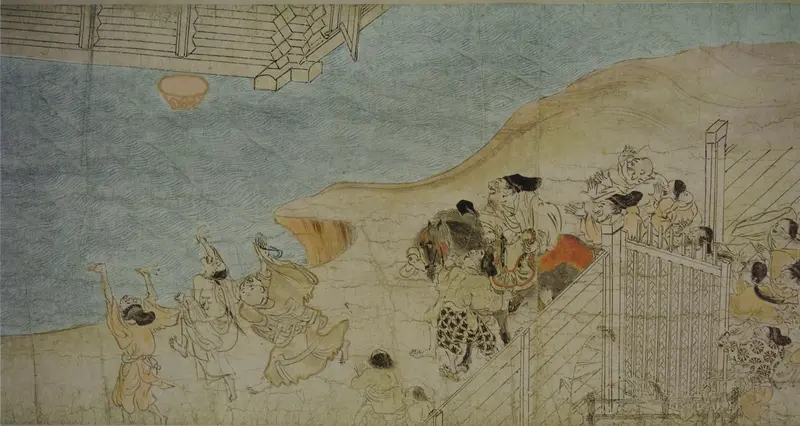
Legends of Mount Shigi: The Flying Granary
Unknown Artist
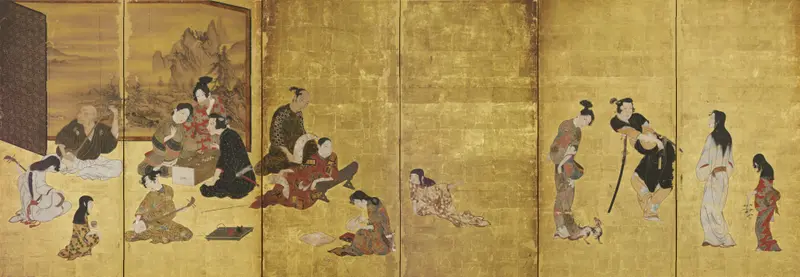
Hikone Screen
Unknown Artist

The Tale of Genji Scroll: Yadorigi
Unknown Artist
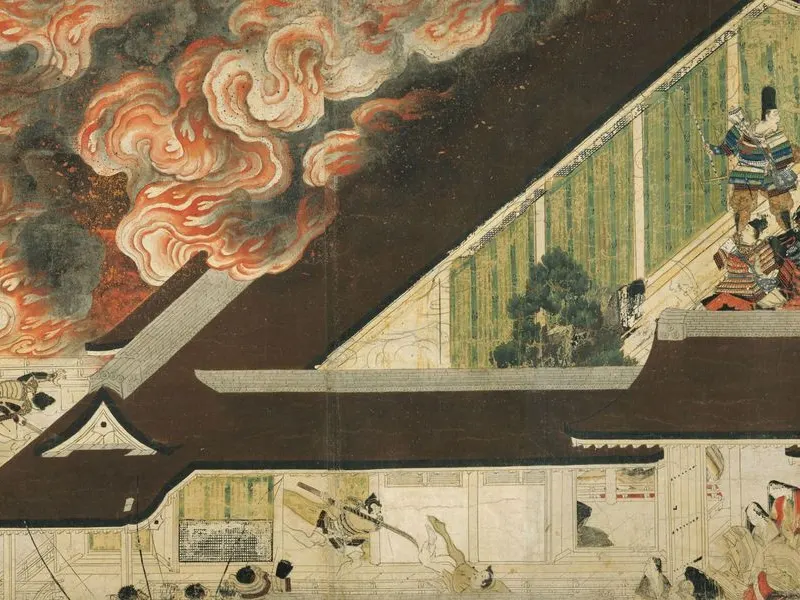
Night Attack on the Sanjō Palace
Unknown Artist

The Ideal City
Unknown Artist
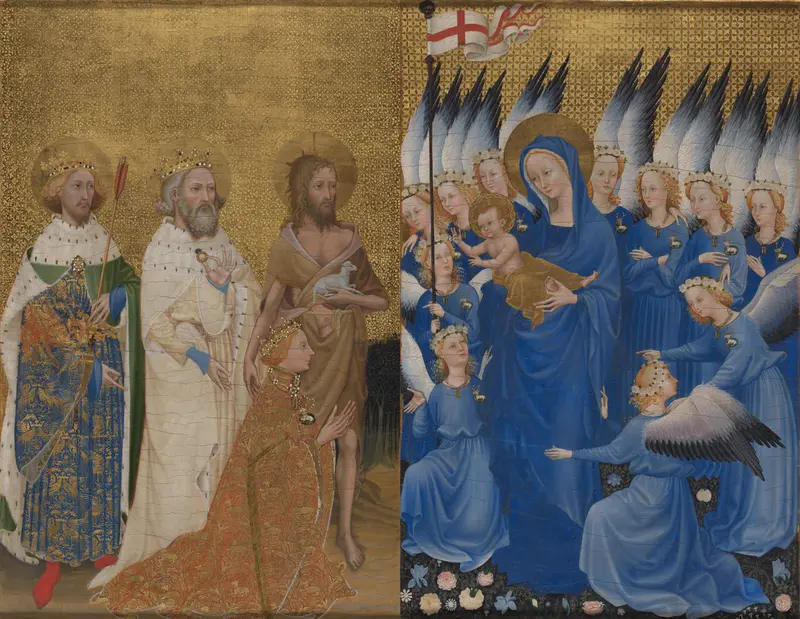
The Wilton Diptych
Unknown Artist

Ridder, Dood en Duivel
Unknown Artist
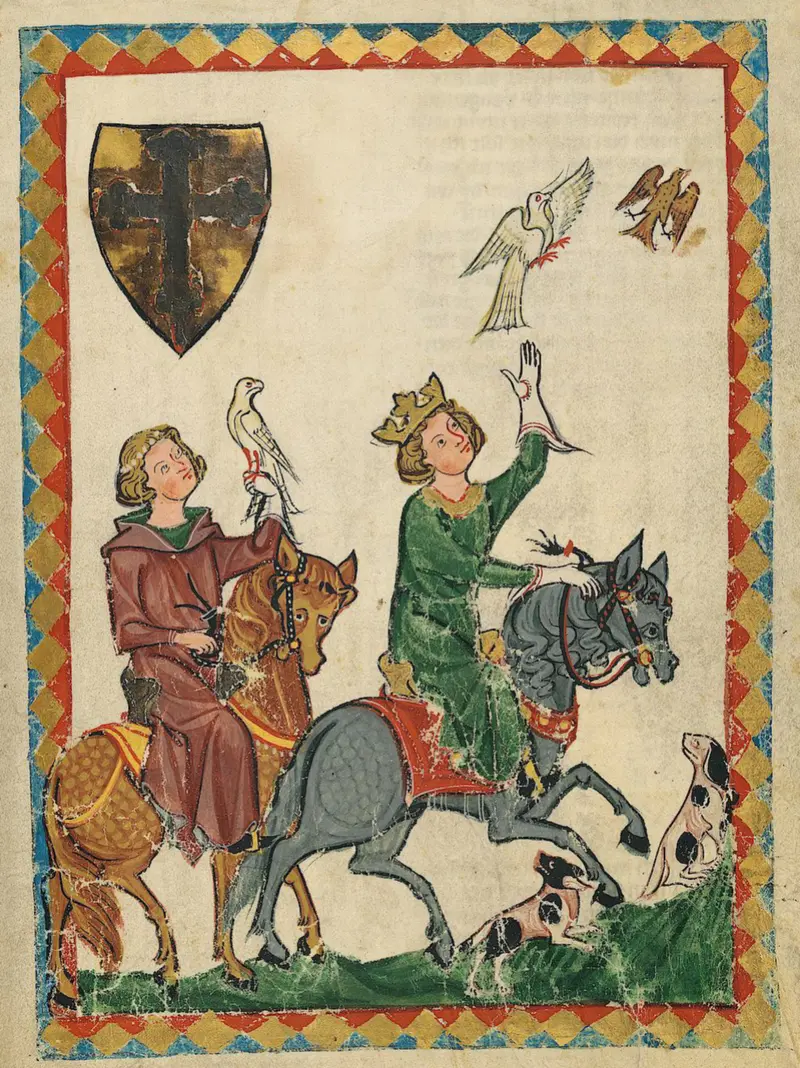
Codex Manesse: King Conradin Hawking (fol. 7r)
Unknown Artist
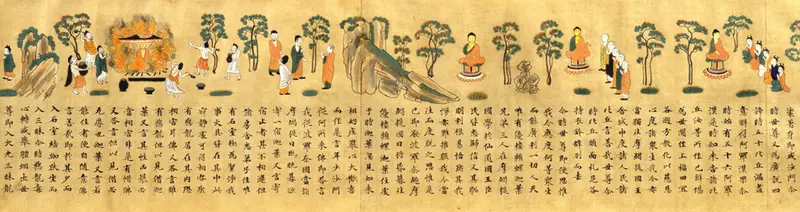
Illustrated Sutra of Past and Present Karma (E Ingakyō)
Unknown Artist
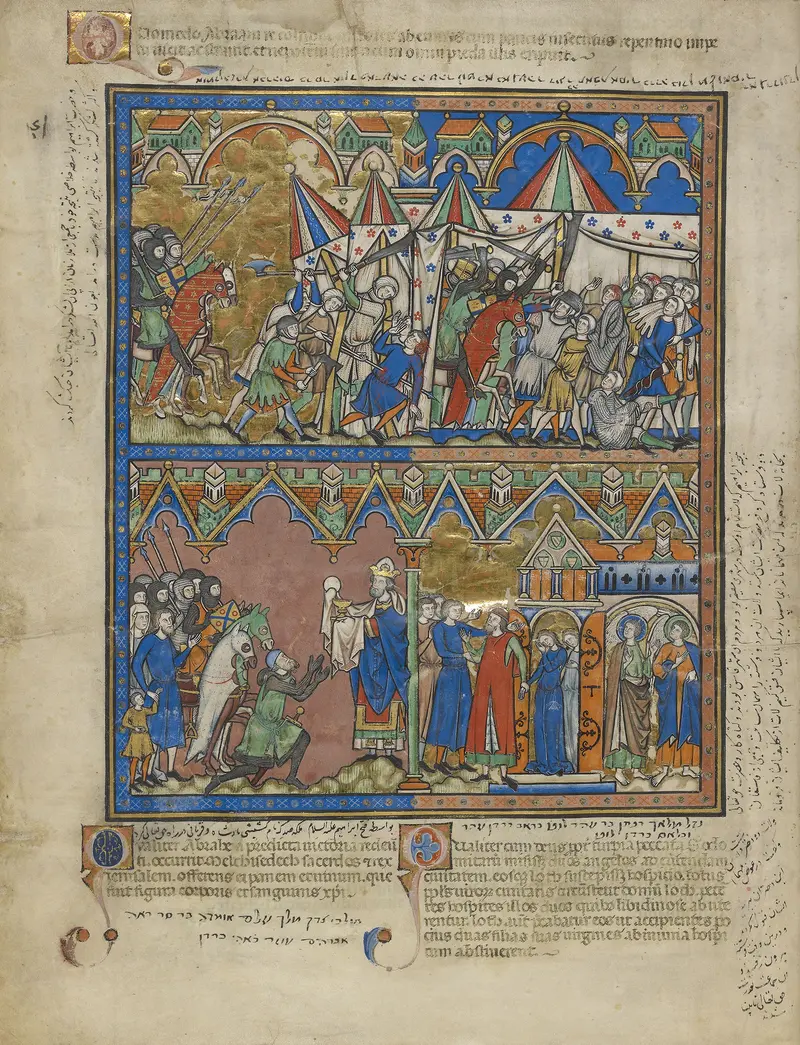
Morgan Bible (Maciejowski Bible), fol. 3v
Unknown Artist





