
Hikone Screen — History & Facts
Musicians, entertainers, and elegantly dressed figures occupy a shallow foreground against a gold-leaf background in the six-panel folding screen known as the Hikone Screen, made in the first half of the 17th century. The figures are depicted in various poses: some seated playing board games or musical instruments, while others stand or walk, and a small dog appears at the feet of a standing man. The composition is balanced across the panels, with groups loosely gathered at the left and more isolated figures to the right, all rendered in vivid mineral pigments and delicate ink outlines.
Traditional attire, expressive gestures, and detailed patterns on the garments highlight the artist’s attention to contemporary fashion and leisure. Screens portraying genre scenes such as this were popular in early Edo-period Japan, reflecting the rise of urban culture and interest in everyday life among the merchant and samurai classes. The Hikone Screen measures 94.5 by 278.8 centimeters and is executed in color on paper with a gold leaf ground, a technique common in luxury screen painting of the period. Formerly held by the Ii family, the work is now in the collection of the Hikone Castle Museum in Shiga Prefecture and has been designated a National Treasure of Japan in the category of paintings.
More Artworks by Unknown Artist
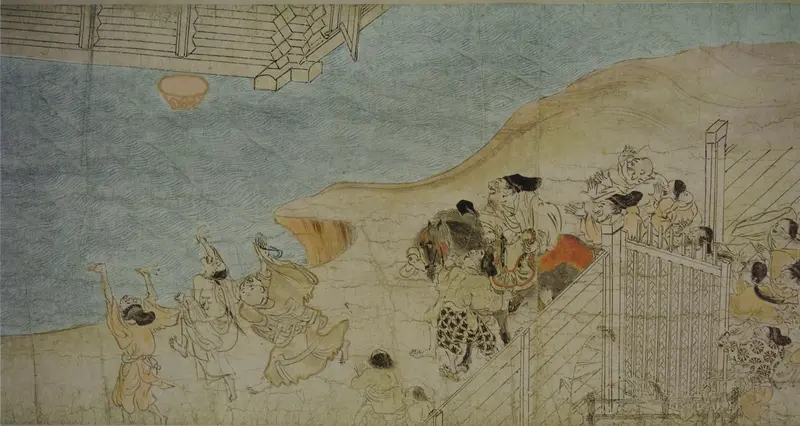
Legends of Mount Shigi: The Flying Granary
Unknown Artist
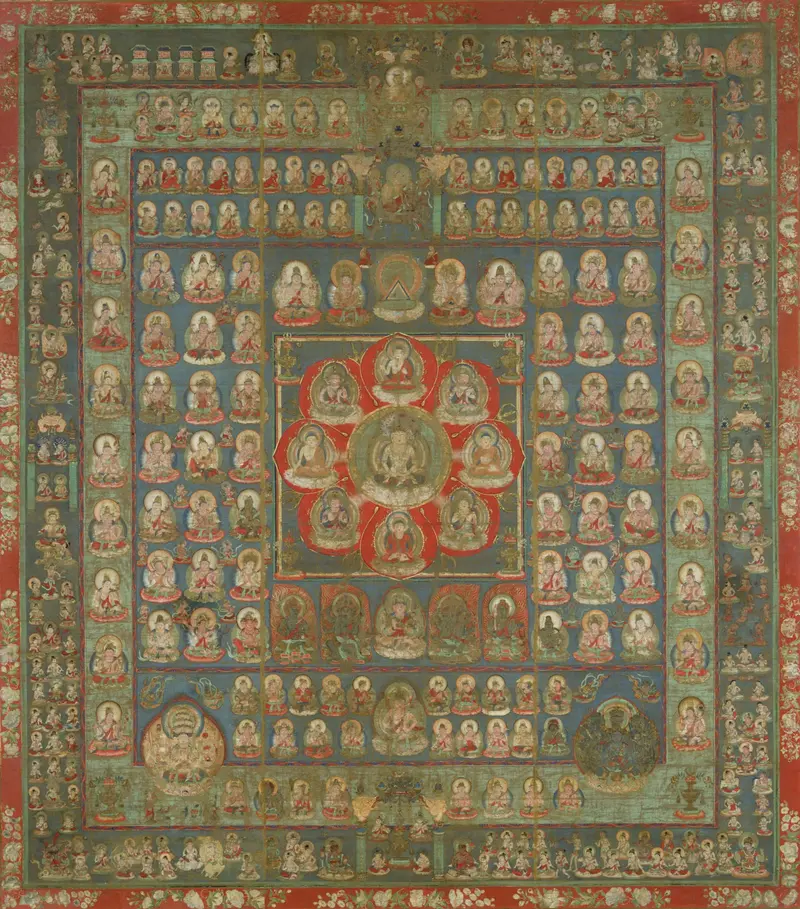
Womb World Mandala (Mandala of the Two Realms)
Unknown Artist

The Tale of Genji Scroll: Yadorigi
Unknown Artist
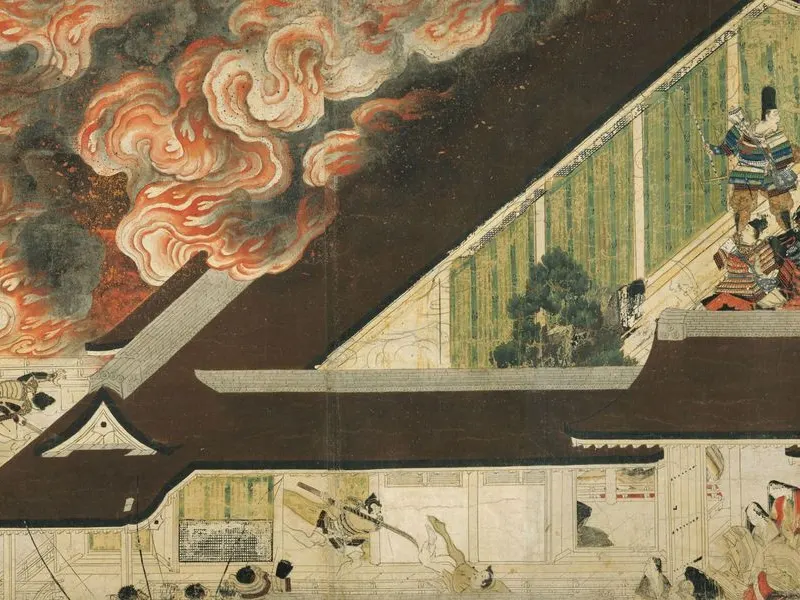
Night Attack on the Sanjō Palace
Unknown Artist

The Ideal City
Unknown Artist
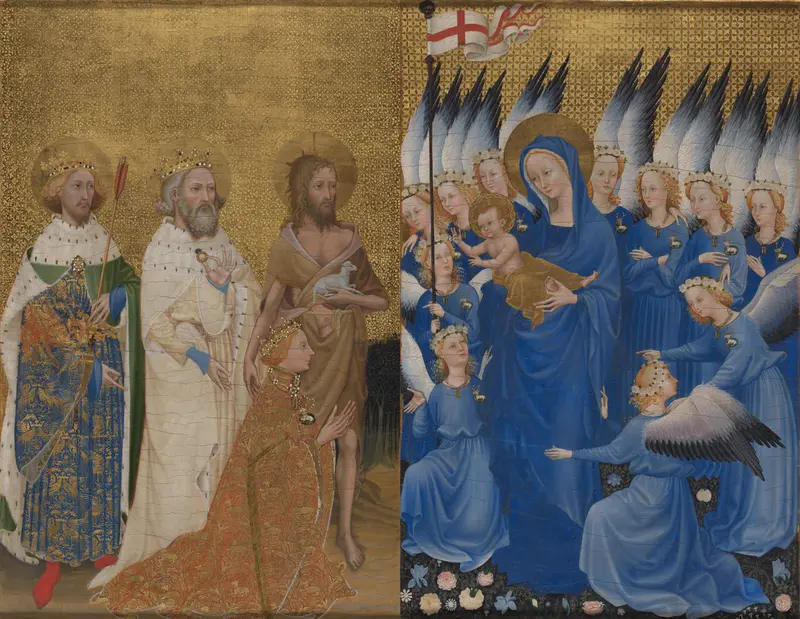
The Wilton Diptych
Unknown Artist

Ridder, Dood en Duivel
Unknown Artist
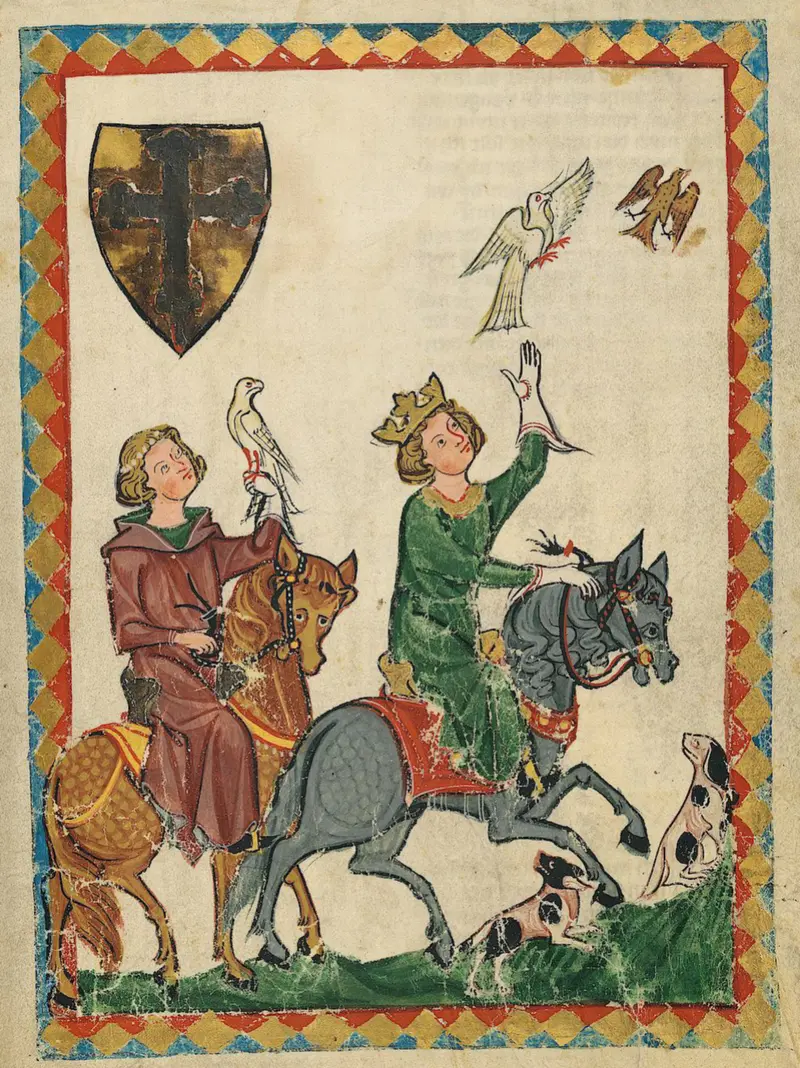
Codex Manesse: King Conradin Hawking (fol. 7r)
Unknown Artist
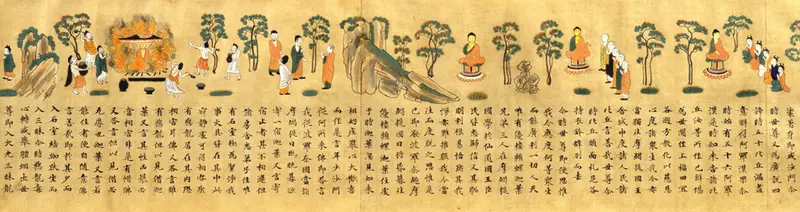
Illustrated Sutra of Past and Present Karma (E Ingakyō)
Unknown Artist
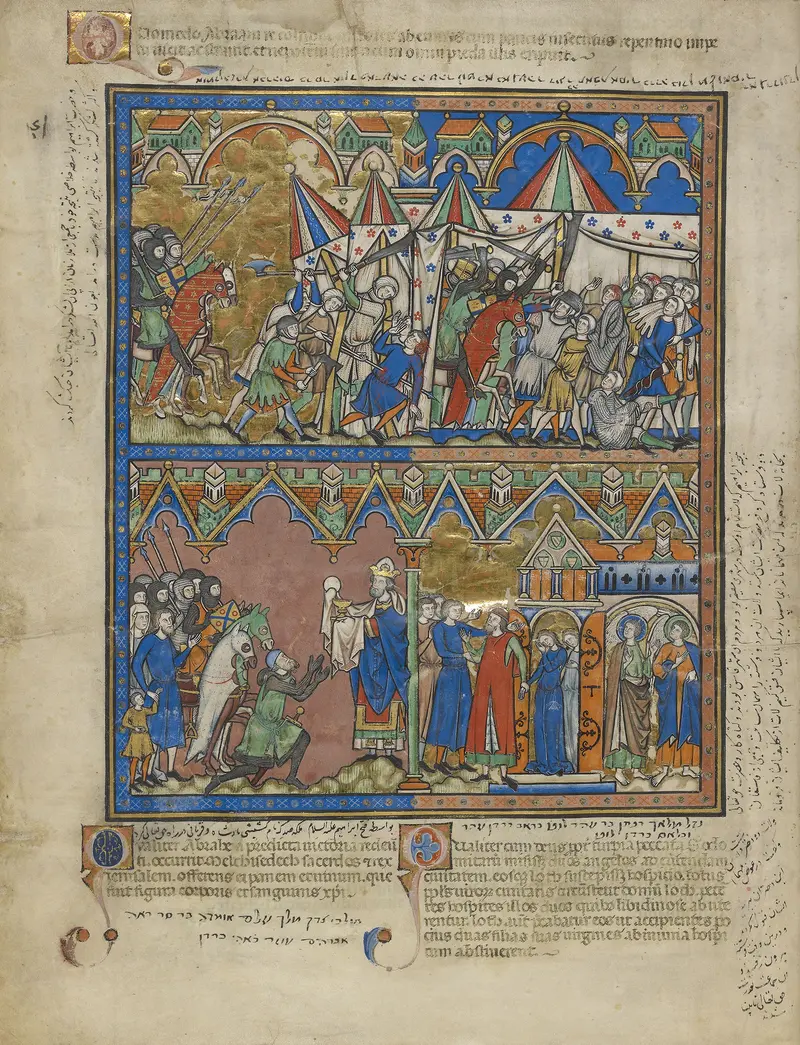
Morgan Bible (Maciejowski Bible), fol. 3v
Unknown Artist
More Genre Scene Art

Banquet of the Officers of the St George Civic Guard
Frans Hals

Rembrandt and Saskia in the Scene of the Prodigal Son
Rembrandt van Rijn

Bal du moulin de la Galette
Pierre-Auguste Renoir

Quadrille at the Moulin Rouge
Henri de Toulouse-Lautrec

A Burial at Ornans
Gustave Courbet

When Will You Marry?
Paul Gauguin