
Nijmegen — History & Facts
Who listens when art speaks of silence? In Nijmegen, vibrant hues converse softly, echoing emotions that linger in the air, whispering untold stories. Look to the left at the bold strokes of turquoise mingling with warm ochres, creating a harmonious backdrop that captures the city’s essence. The composition unfolds layers of color, where each shade seems to breathe life into the scene. Notice how the artist’s deft brushwork invites the eye to wander across the canvas, revealing textures that evoke both nostalgia and the pulse of urban life. Amidst the vibrancy lies a subtle tension — the juxtaposition of light and shadow suggests the dual nature of city living.
The cool tones encapsulate moments of solitude while the radiant accents symbolize vitality and connection. Each detail, from the buildings to the sky, encapsulates the dichotomy of existence: the hustle of daily life tempered by fleeting moments of quiet contemplation. Painted in 1912, this work emerged during a transformative period for Willem Adrianus Grondhout, who sought to capture the essence of his surroundings through expressive color. Living in a world rapidly shifting due to industrialization and modernity, the artist drew inspiration from both the vibrancy of Nijmegen and the broader European art movements that championed emotional resonance through color.
More Artworks by Willem Adrianus Grondhout
Browse all →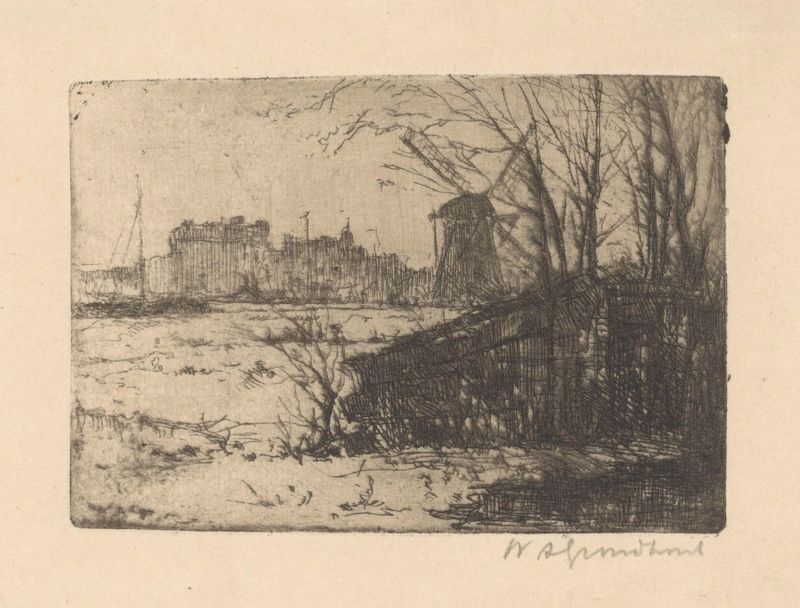
Landschap met molen in de Binckhorst in Den Haag
Willem Adrianus Grondhout
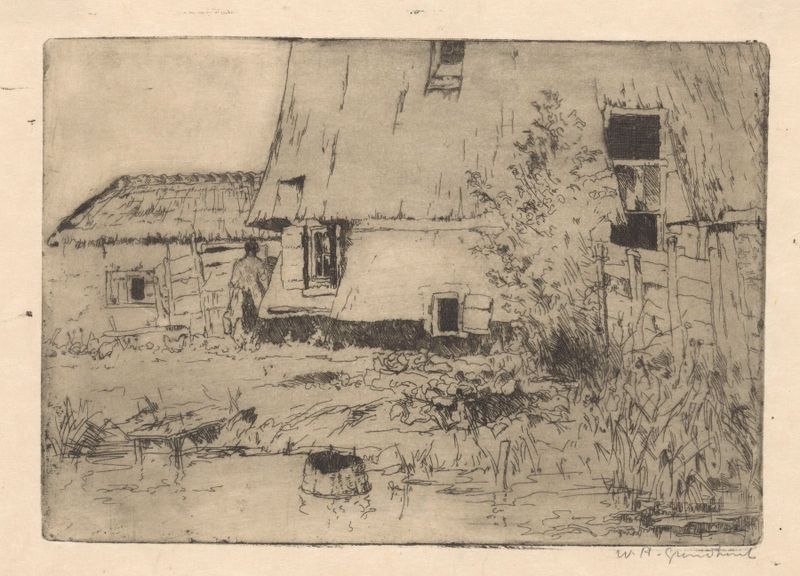
Voet van een molen in Voorburg
Willem Adrianus Grondhout
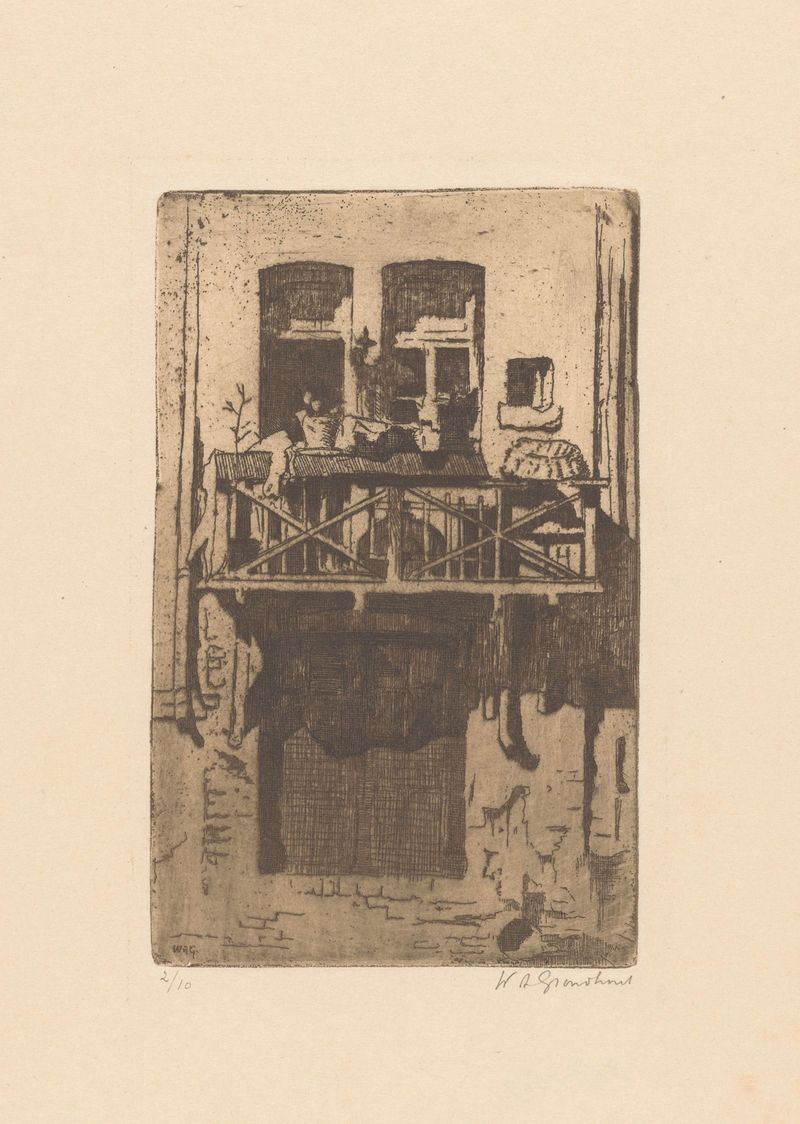
Balkon van een huis aan de Oudezijds Kolk in Amsterdam
Willem Adrianus Grondhout
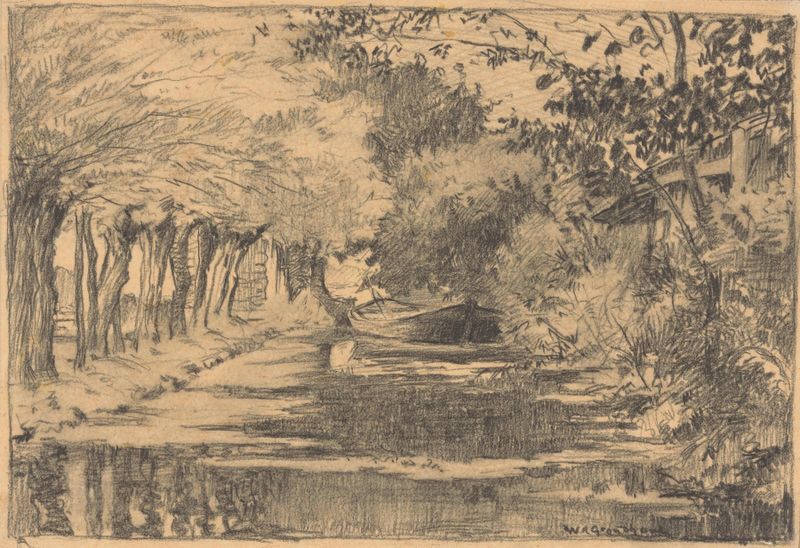
Broeksloot bij Voorburg
Willem Adrianus Grondhout
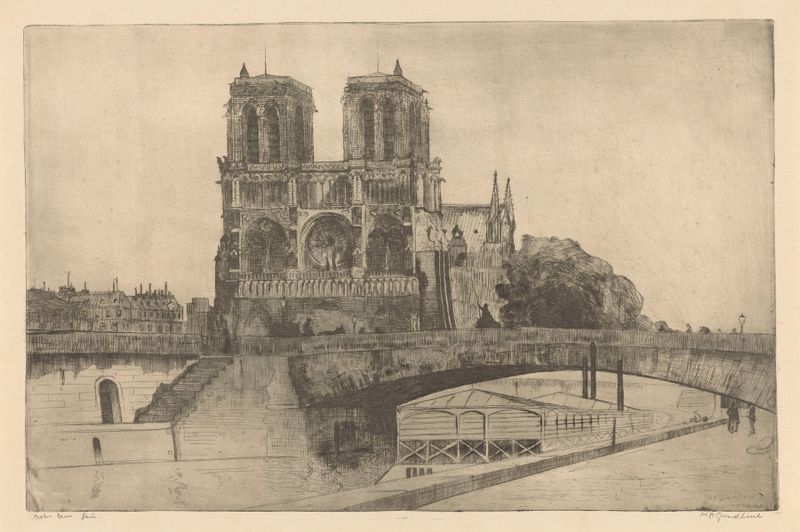
Notre-Dame, Paris
Willem Adrianus Grondhout
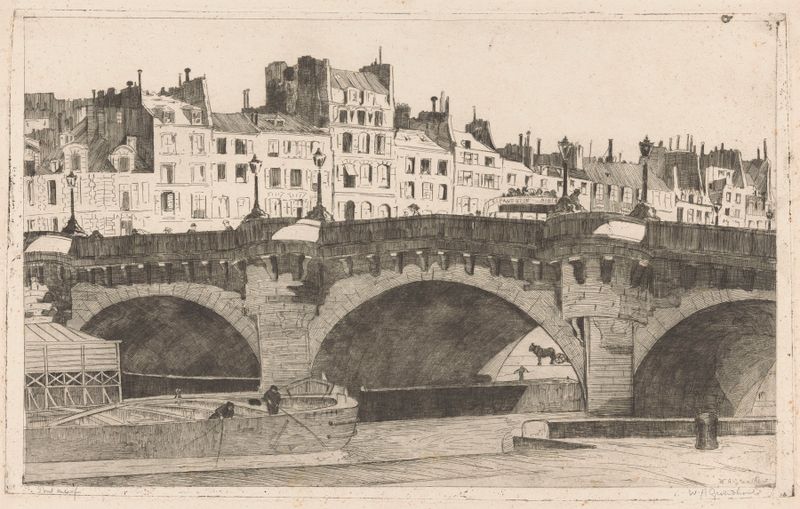
Pont Neuf
Willem Adrianus Grondhout
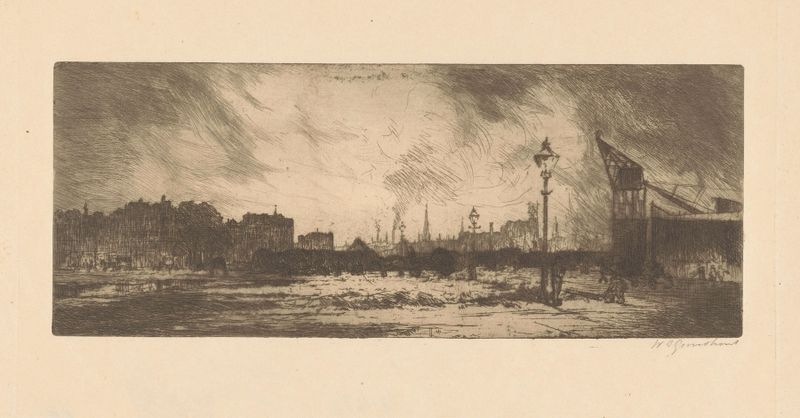
Havenkade met lantaarnpalen in Rotterdam
Willem Adrianus Grondhout
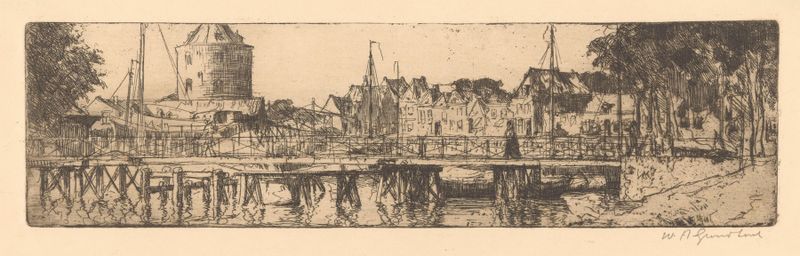
Enkhuizen
Willem Adrianus Grondhout
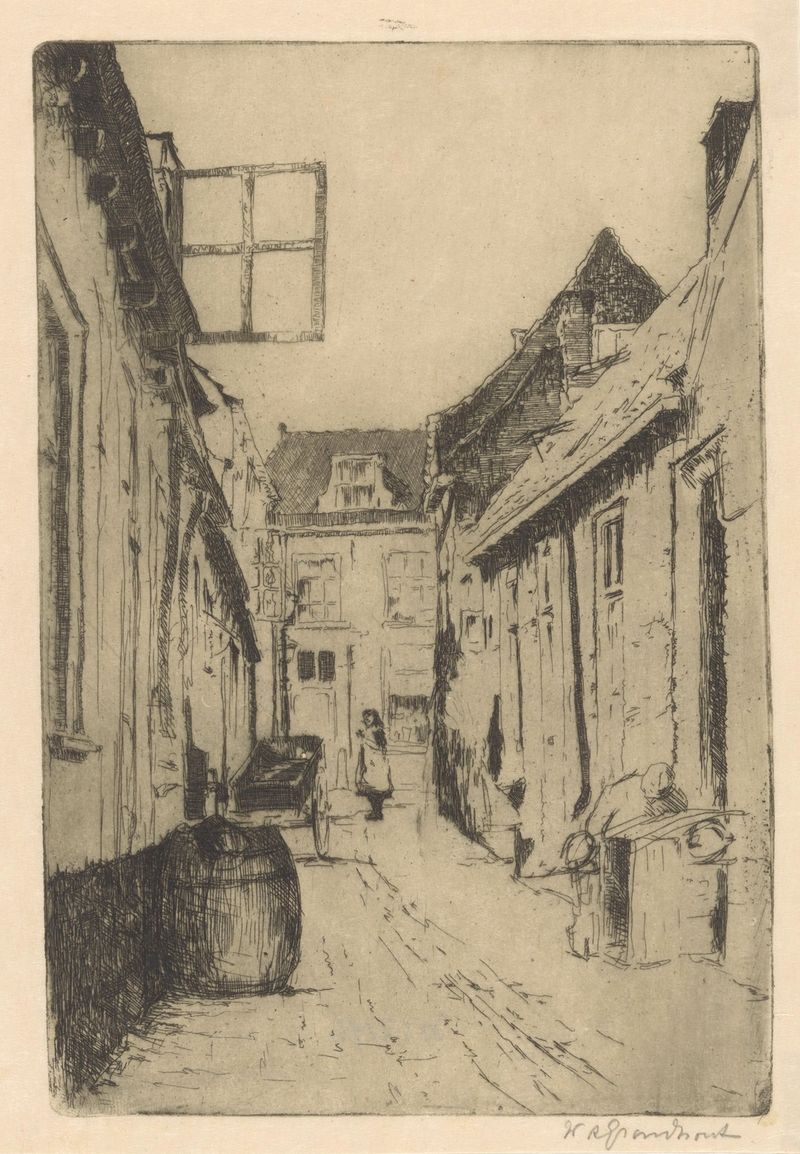
Straatje in Voorburg.
Willem Adrianus Grondhout
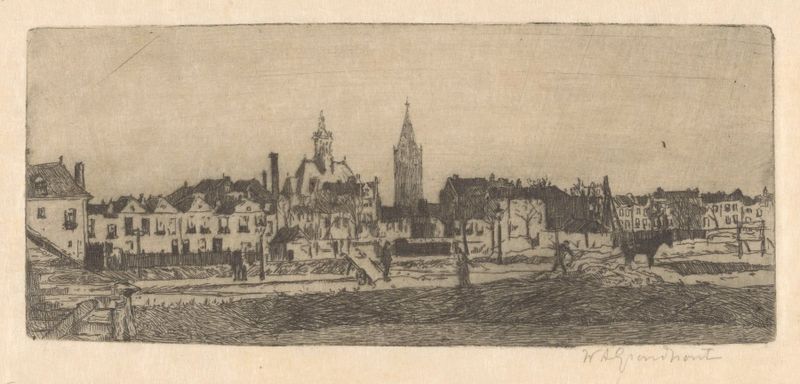
Delft
Willem Adrianus Grondhout





