
Nikko Kegon taki (Kegon waterfall, Nikko) — History & Facts
Could a single brushstroke hold eternity? In Nikko Kegon taki, the essence of nature's ecstasy is captured, inviting viewers to lose themselves in the shimmering cascade of water and the surrounding tranquility. Look to the left, where the waterfall spills forth, a silken ribbon tumbling down jagged rocks. Notice how the artist employs varying shades of blue and white to convey the movement of water, creating an illusion of depth and softness. The surrounding trees, painted in rich greens and browns, frame the scene, their textures contrasting with the fluidity of the waterfall.
The gentle gradient of the sky above, transitioning from deep cerulean to a soft, pale hue, bathes the entire scene in a golden glow — a moment suspended in time. Within this serene landscape lies a profound interplay of chaos and calm. The rushing water symbolizes life’s relentless force, while the sturdy rocks and steadfast trees represent stability and resilience. The delicate balance between these elements evokes a sense of harmony, reflecting the duality of nature's beauty and power.
Each brushstroke resonates with a quiet energy, as if nature itself breathes through the canvas, urging us to appreciate both the ephemeral and the eternal. In 1927, Kawase Hasui created this masterpiece during a time when he was deeply engaged in the shin-hanga movement, which sought to revitalize traditional Japanese woodblock printing with a modern sensibility. Living in Japan, Hasui was influenced by the country’s rich landscapes and cultural heritage, as well as by the growing interest in capturing the beauty of nature in art. This period saw a re-emergence of interest in traditional techniques while embracing contemporary aesthetics, a balance that Hasui masterfully achieved in this work.
More Artworks by Kawase Hasui
Browse all →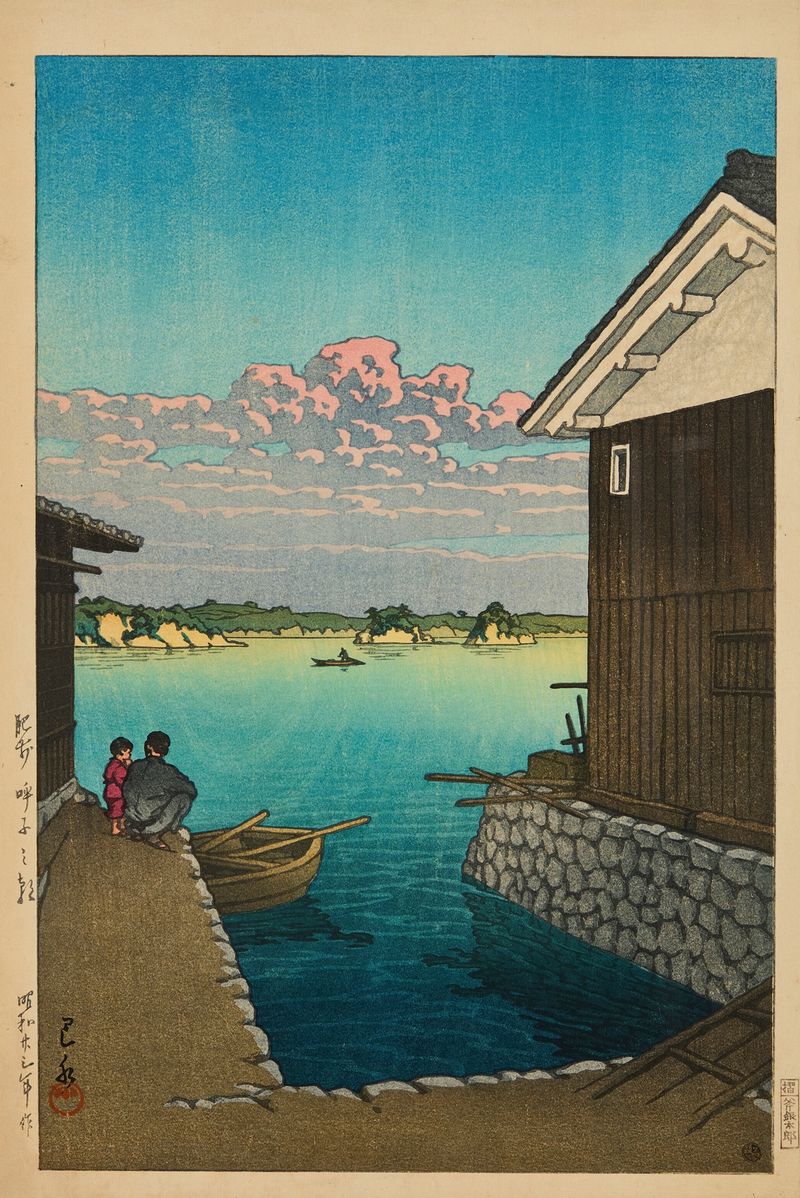
Hizen Yobuko no asa (Morning in Yobuko, Hizen)
Kawase Hasui
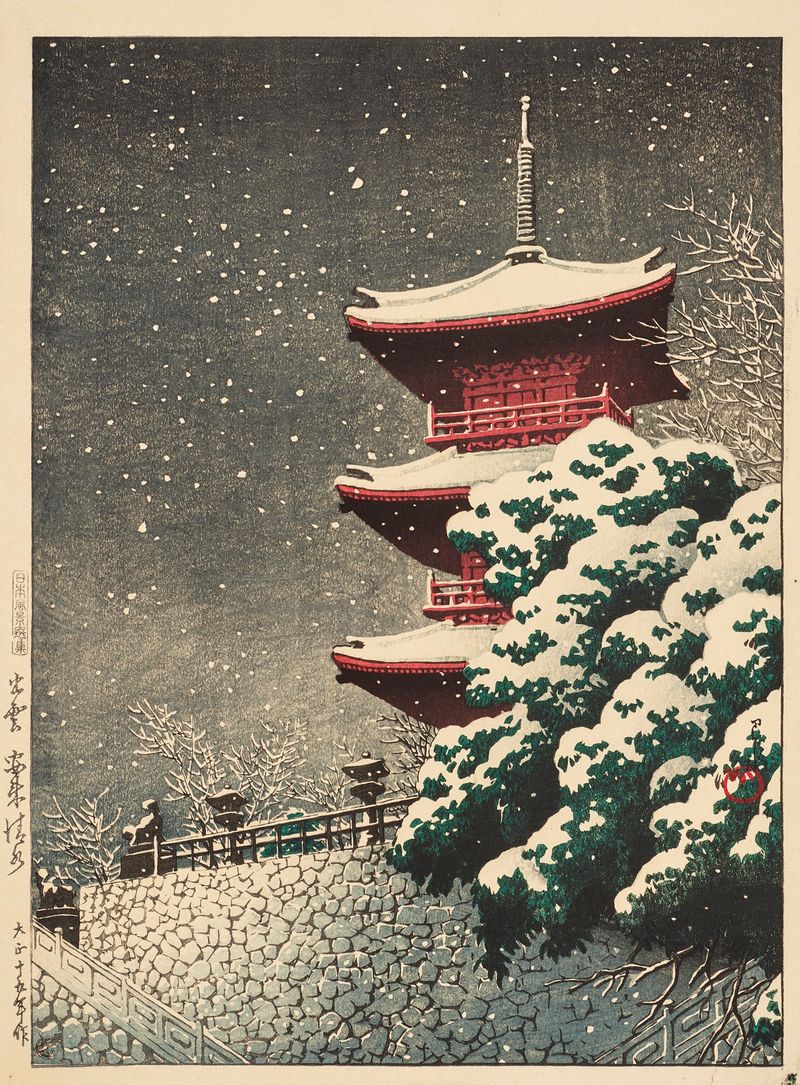
Izumo, Yasugi Kiyomizu (Yasugi Kiyomizu Temple at Izumo)
Kawase Hasui
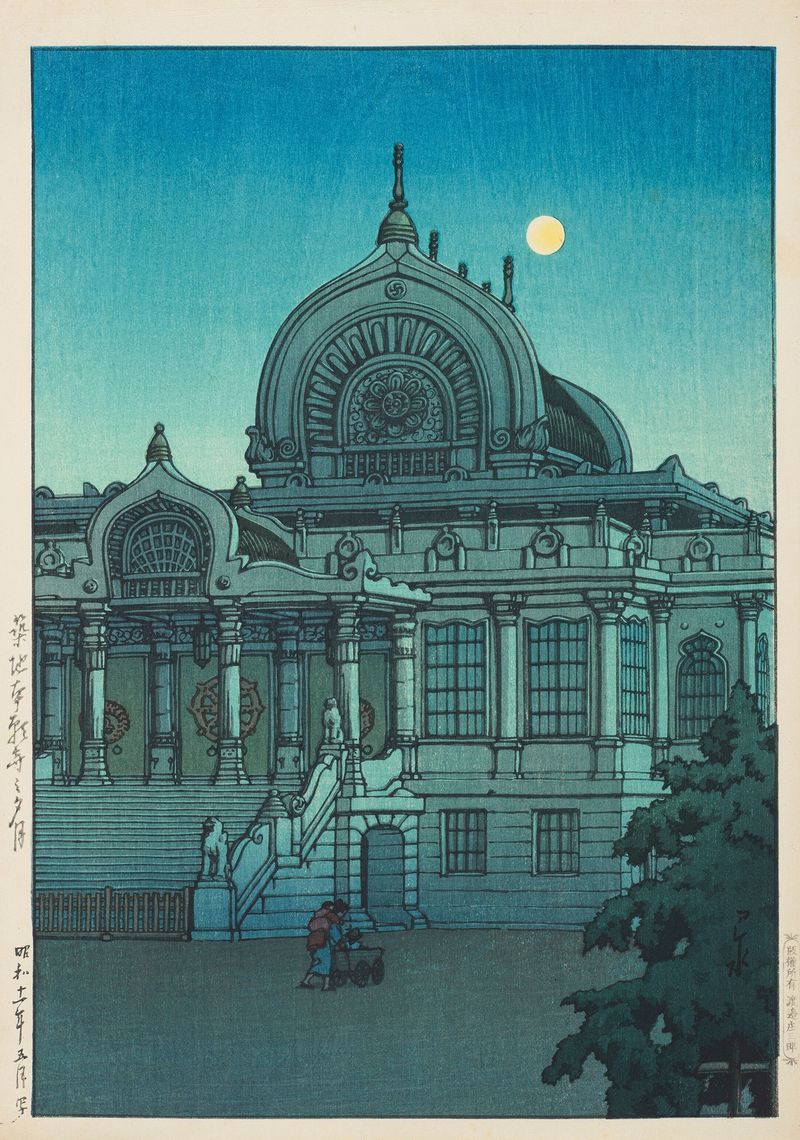
Tsukiji Honganji no yuzuki (Evening moon at Honganji Temple in Tsukiji)
Kawase Hasui
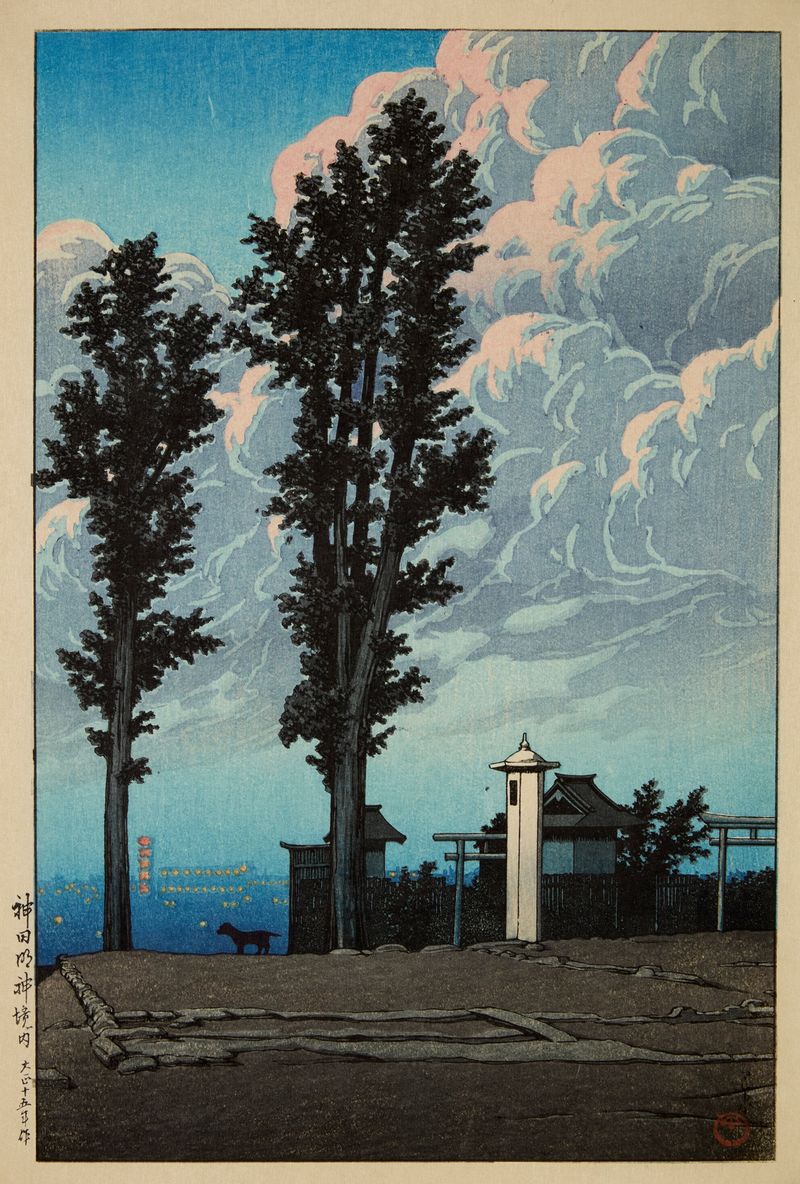
Kanda Myojin keidai (Kanda Myojin Shrine precent)
Kawase Hasui
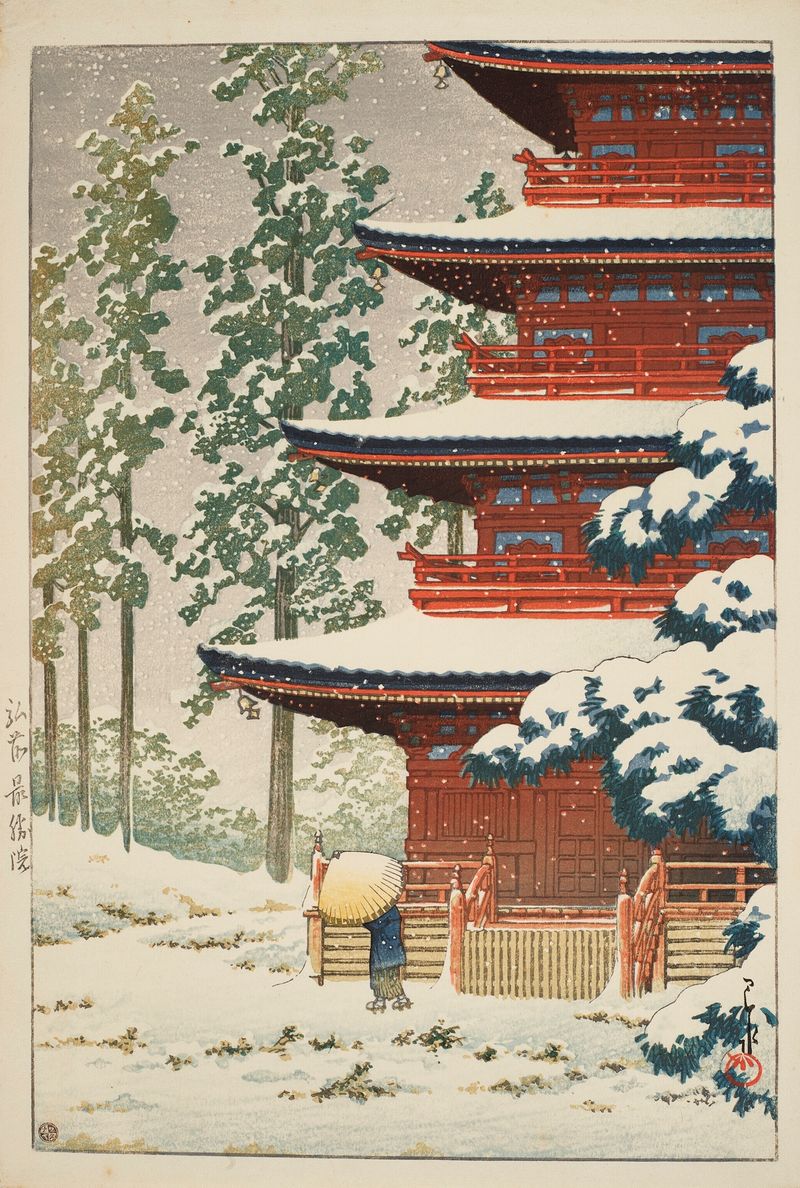
Saisho-in Temple, Hirosaki
Kawase Hasui
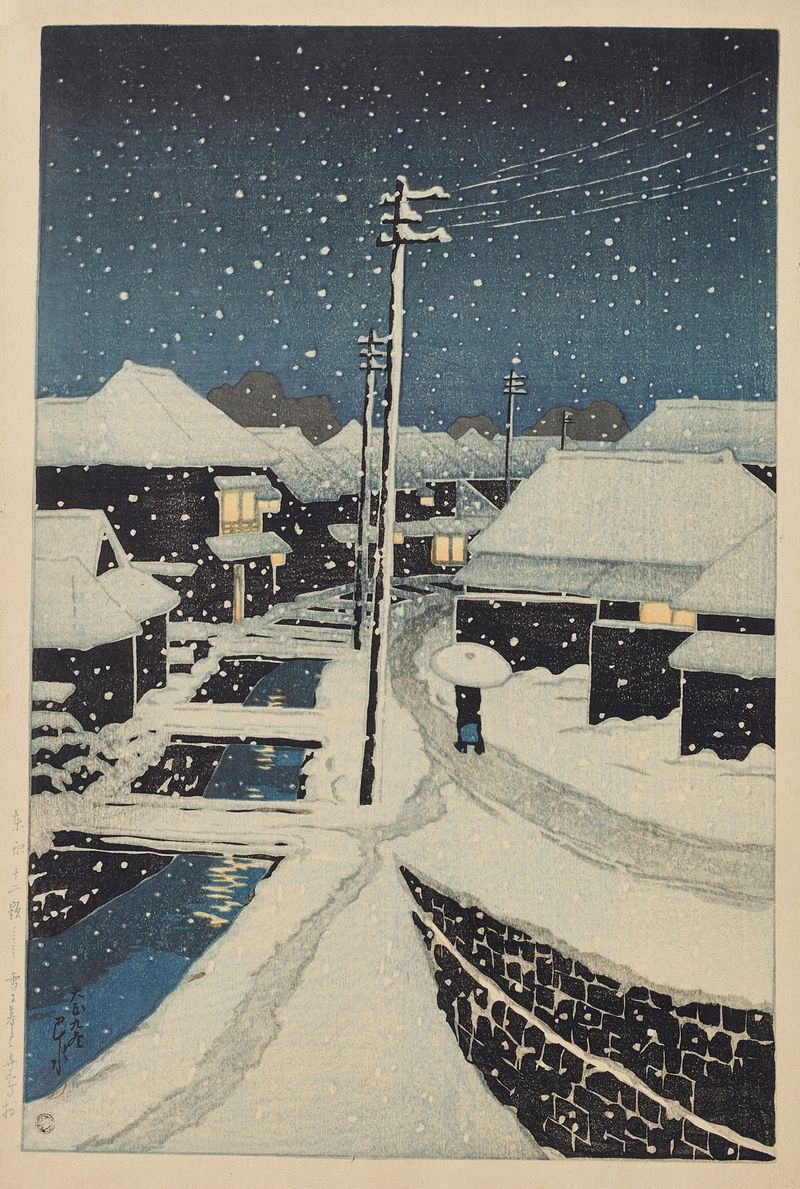
Yuki ni fururu Terajima mura (Evening snow at Terajima Village)
Kawase Hasui
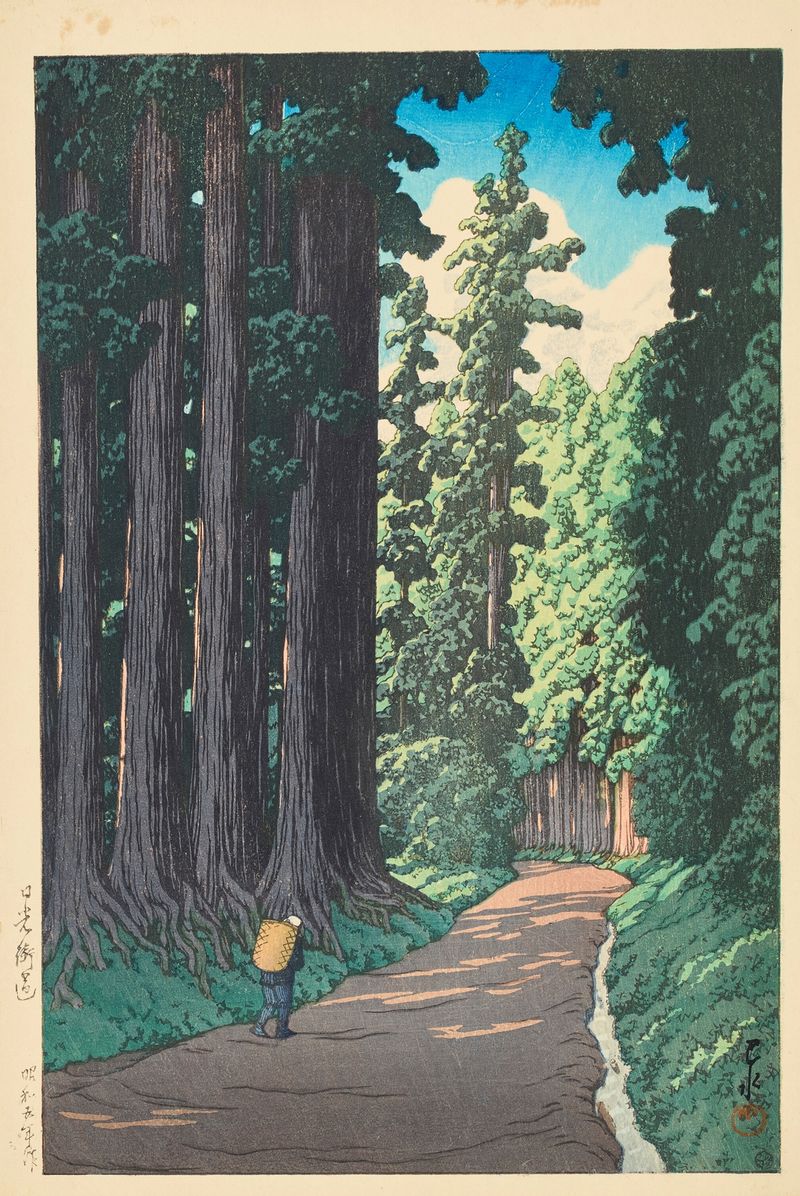
Nikko gaido (The Road to Nikko)
Kawase Hasui
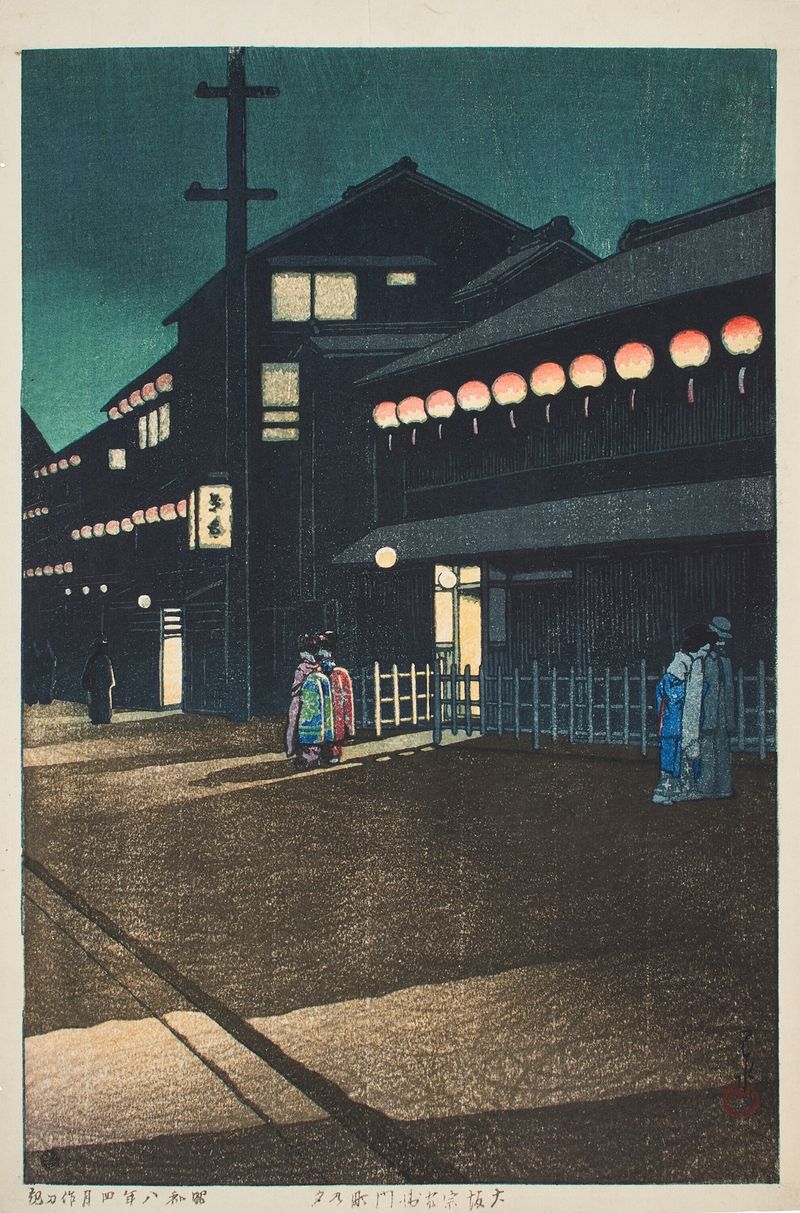
Osaka Soemon-cho no yu (Evening in Soemon-cho, Osaka)
Kawase Hasui
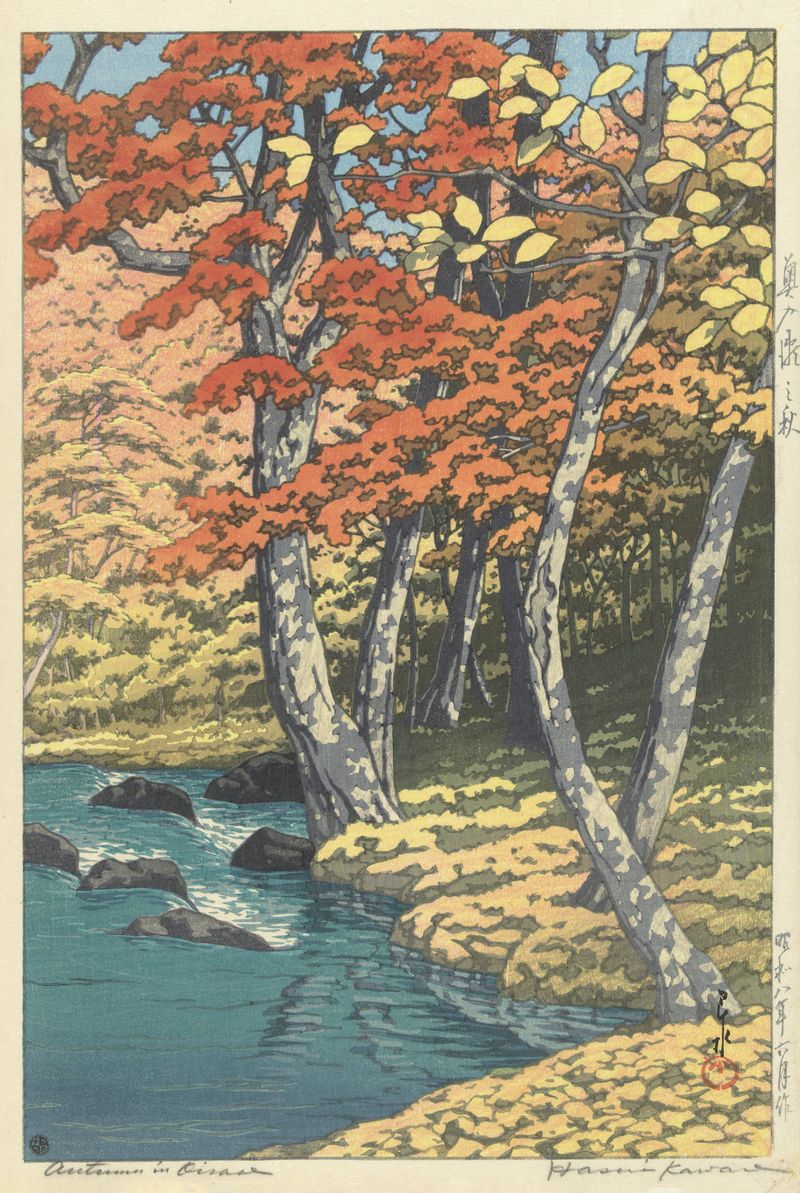
Autumn In Oirase
Kawase Hasui
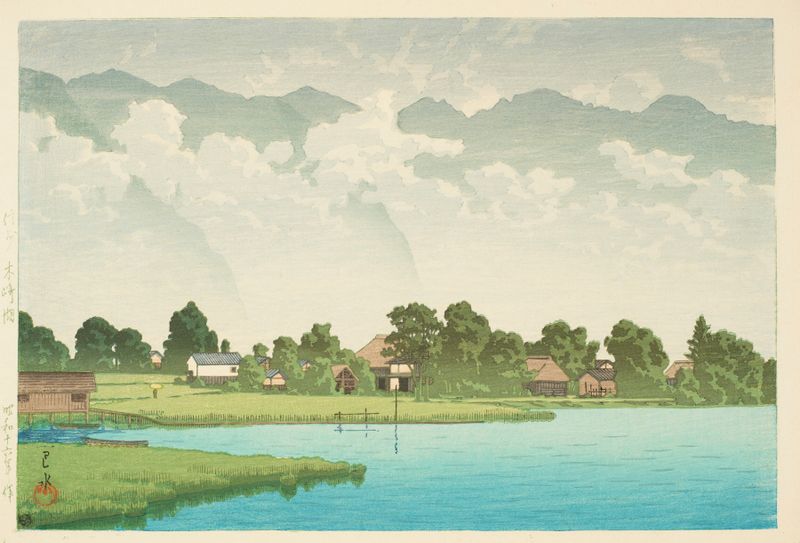
Shinshu Kizakiko (Kizaki Lake in Shinshu)
Kawase Hasui





