
Nénuphars jaunes à Boitsfort — History & Facts
What if beauty was never meant to be finished? In Nénuphars jaunes à Boitsfort, the fleeting juxtaposition of forms and colors invites us to ponder the transient nature of existence itself. Look to the center of the canvas, where vibrant yellow water lilies float serenely on a pond’s surface, each petal a burst of sun against the gentle greens and blues. Notice how the play of light reflects off the water, creating a shimmering dance that captivates the eye, drawing it deeper into the composition. The delicate brushstrokes evoke the rippling current, suggesting movement even in stillness, while the soft palette enhances a sense of peace and contemplation. Yet, the scene pulses with underlying tension; the lilies’ beauty starkly contrasts the murky depths beneath the surface, hinting at the complexities hidden within tranquility.
This duality speaks to the human experience—beauty is often accompanied by unspoken struggles. The juxtaposition of vivid yellows against the darker tones mirrors hope clashing with despair, reminding us that even in serene moments, there may be shadows lurking just out of sight. In 1895, Jean-François Taelemans painted Nénuphars jaunes à Boitsfort during a period of evolving artistic expression in Belgium. The Impressionist movement was gaining traction, pushing artists to explore light, color, and the fleeting nature of scenery.
Taelemans, influenced by this shift, sought to capture the essence of his surroundings, reflecting both the beauty and complexity of nature during a time of change in the art world.
More Artworks by Jean-François Taelemans
Browse all →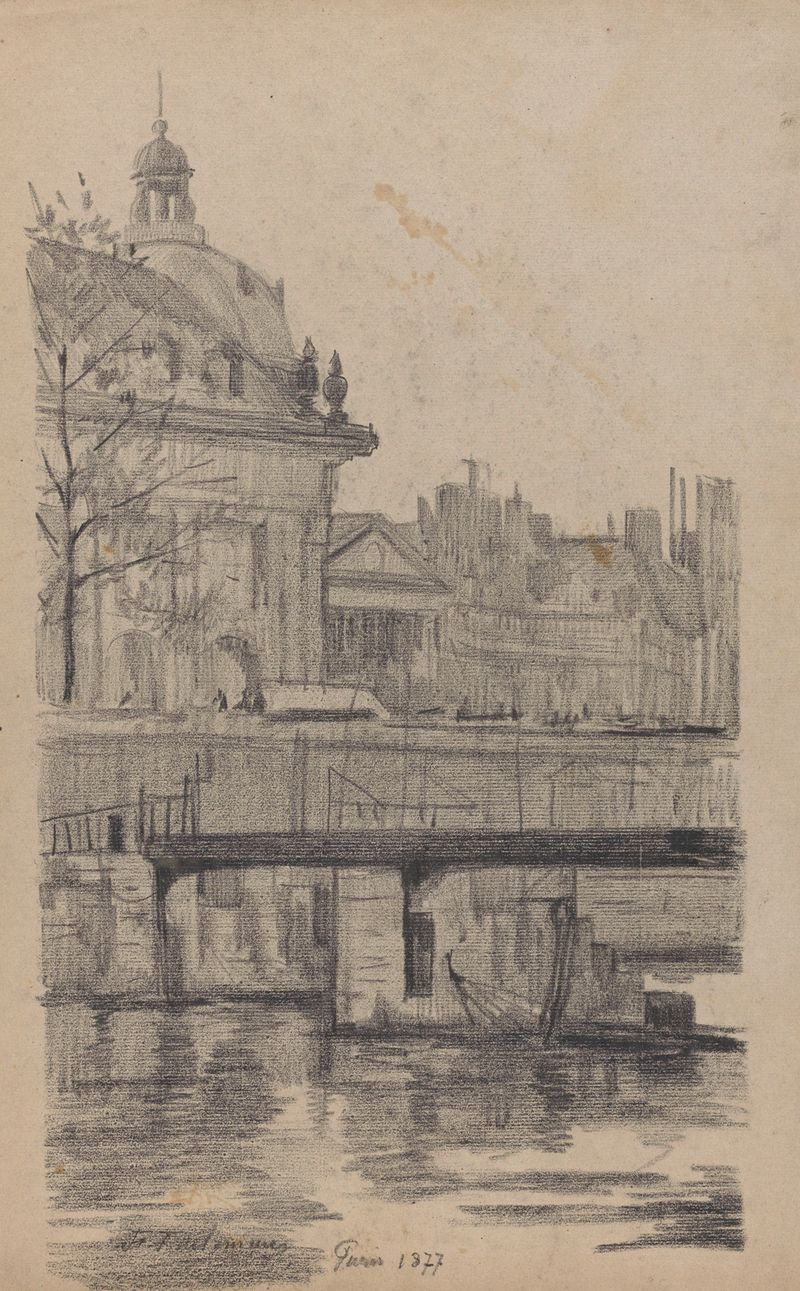
Paris (vue de la Seine et du Collège des Quatre Nations (actuellement siège de l’Institut de France)
Jean-François Taelemans
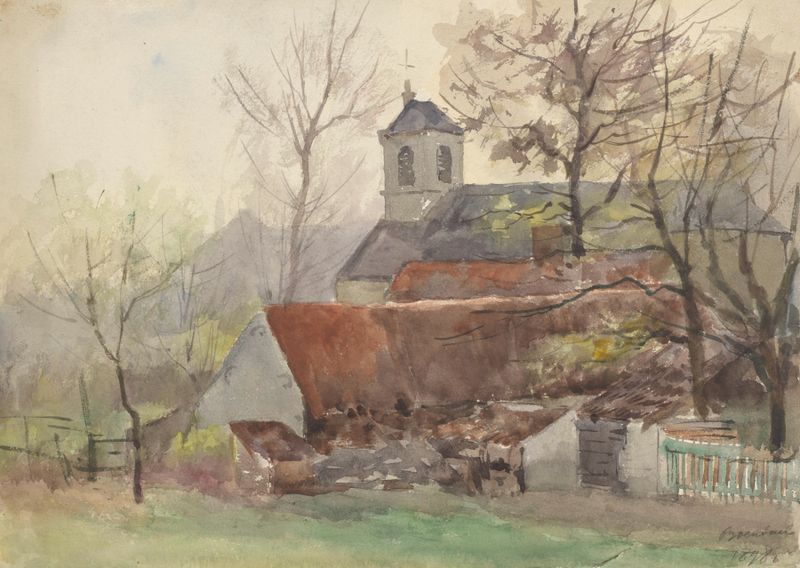
Boendael (église)
Jean-François Taelemans
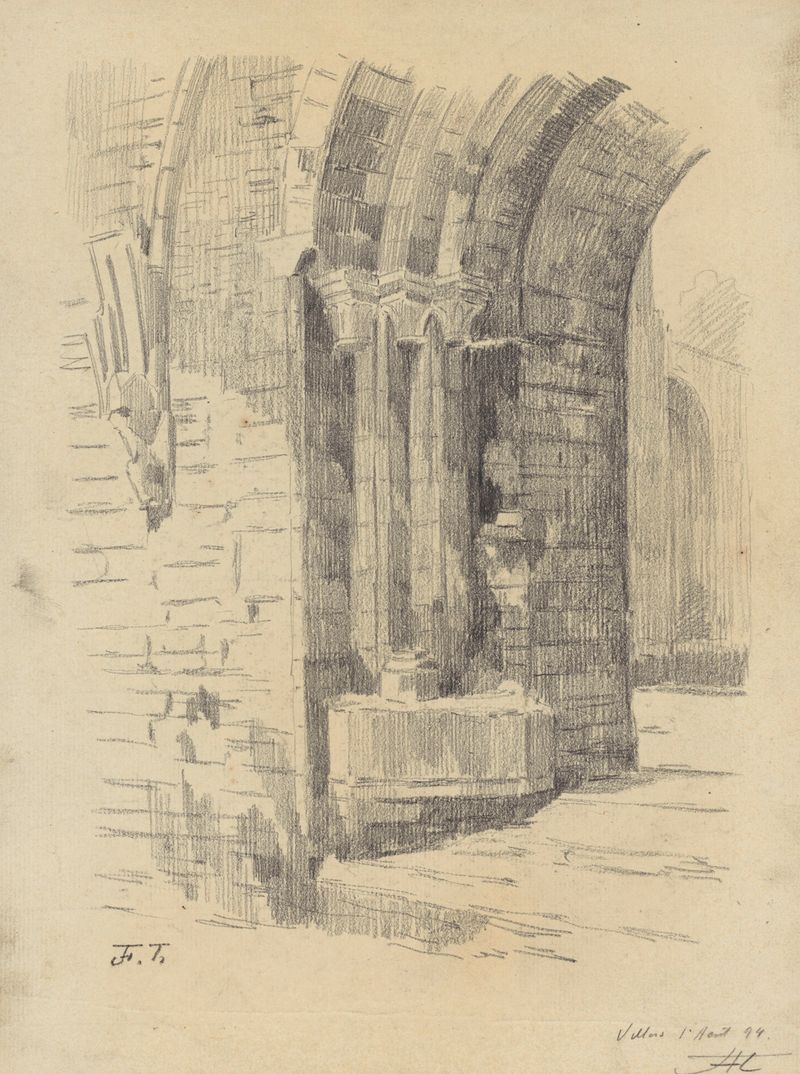
Ruines de l’abbaye de Villers-la-Ville – porche entre le cloître et l’église abbatiale (côté droit)
Jean-François Taelemans
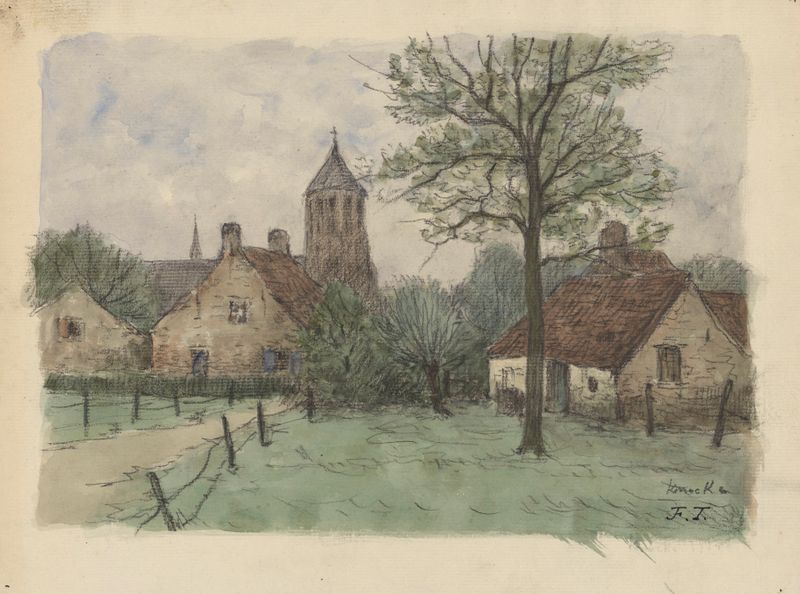
Village et église Sint Margaretha à Knocke
Jean-François Taelemans
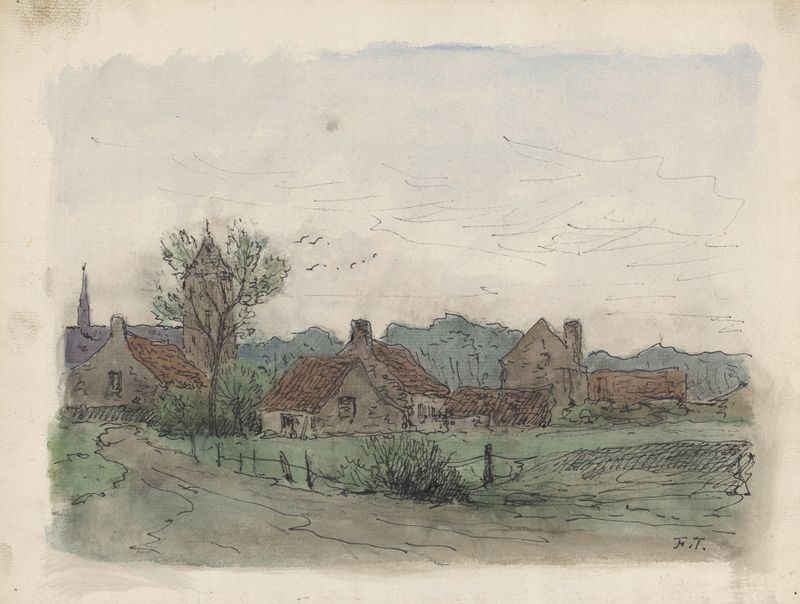
Village
Jean-François Taelemans
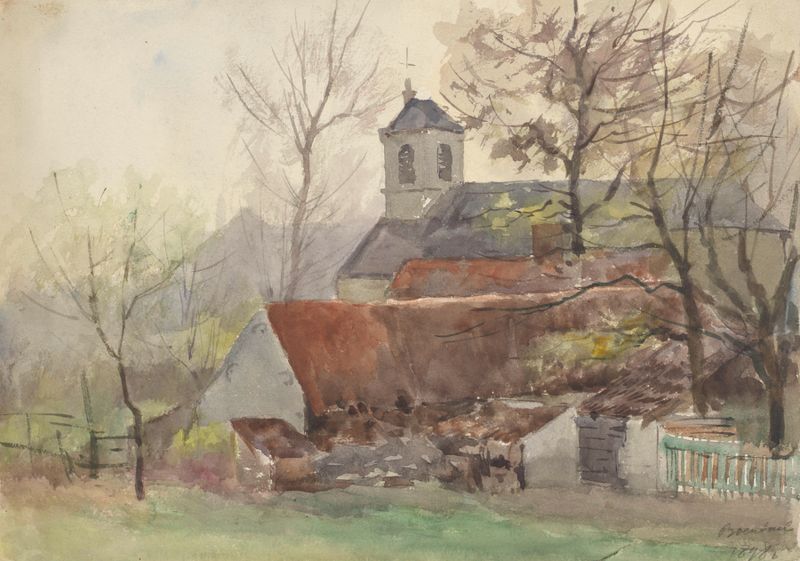
Boendael (église)
Jean-François Taelemans
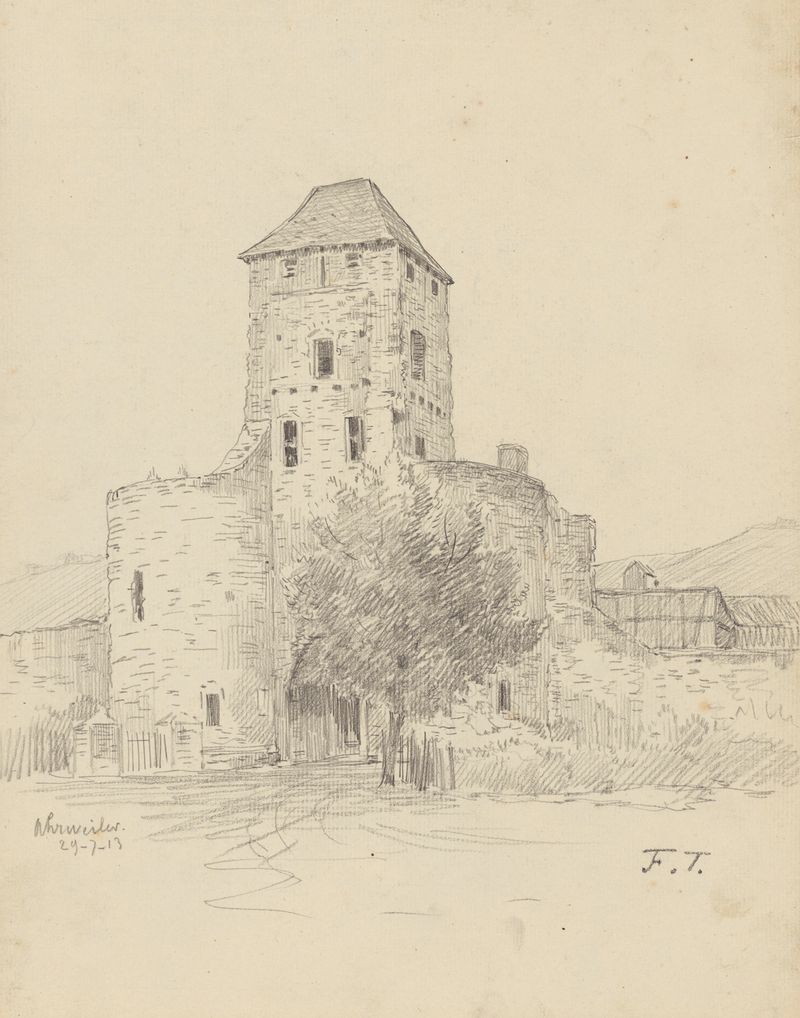
Vieille tour (porte) à Ahrweiler (Allemagne)
Jean-François Taelemans
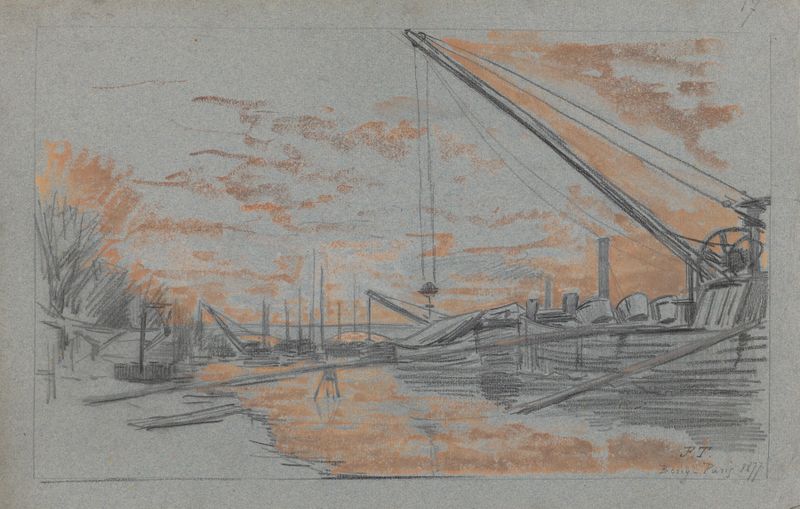
Bercy – Paris (bord de Seine avec chalands à l’ancre en cours de chargement, soleil couchant)
Jean-François Taelemans
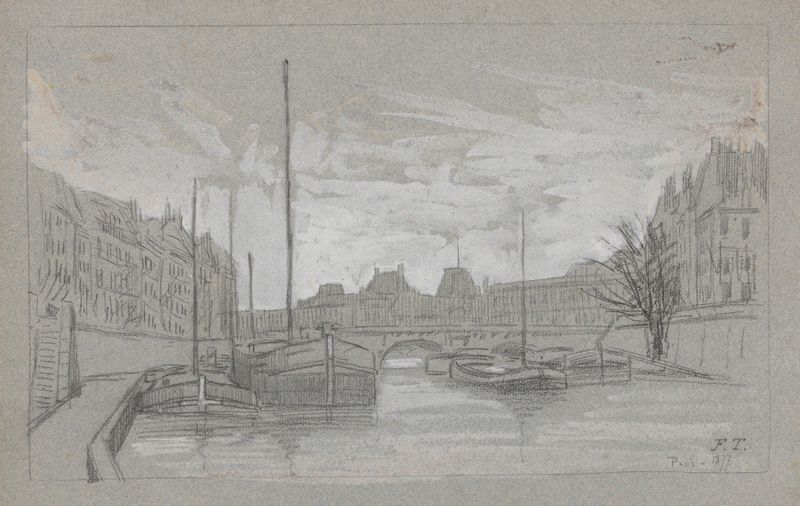
Paris (bateaux sur la Seine près d’un pont)
Jean-François Taelemans
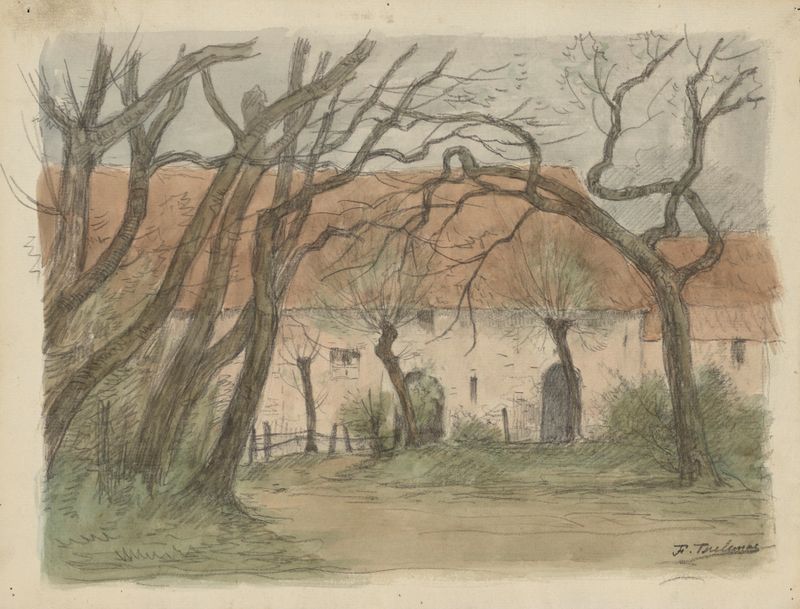
Grande maison campagnarde derrière un bouquet d’arbres
Jean-François Taelemans





