
Noah, The Eve of the Deluge — History & Facts
Few biblical stories have inspired as many artists as the tale of Noah, but John Linnell’s Noah, The Eve of the Deluge stands apart for its rare focus on the tense, uncertain hours before the flood’s first drop. Rather than the familiar image of the ark afloat, Linnell captures the world’s final moments before catastrophe—a choice that invites viewers to contemplate not only survival, but the weight of impending judgment. The exact date and circumstances of the painting’s creation remain uncertain, adding a layer of mystery to its origins and intent. In this scene, Noah stands at the center, surrounded by his family and the animals he has gathered, their faces lit by a troubled sky that hints at the storm to come.
The figures are poised between hope and dread: Noah’s gesture, perhaps a raised hand or a look heavenward, signals both faith and fear. The gathering clouds and the hurried preparations at the ark’s entrance convey urgency, while the animals—orderly and paired—underscore the theme of salvation amid chaos. Unlike J.M.W.
Turner’s tempestuous The Deluge, which immerses the viewer in the violence of the flood itself, Linnell’s work pauses at the threshold, capturing the psychological drama of anticipation. The painting’s precise early history is unclear, as is the identity of its first owner or the context of its commission. John Linnell, a leading figure of the British Romantic movement, often engaged with biblical themes, and this work fits within his lifelong exploration of faith, nature, and human destiny. While it is not known whether the painting was exhibited during Linnell’s lifetime or passed through notable collections, its subject and style place it firmly within the tradition of 19th-century religious art.
Today, Noah, The Eve of the Deluge stands as a testament to Linnell’s ability to find fresh drama in familiar stories, offering a moment of suspense that still resonates with viewers.
More Artworks by John Linnell

A View Near Hampstead
John Linnell
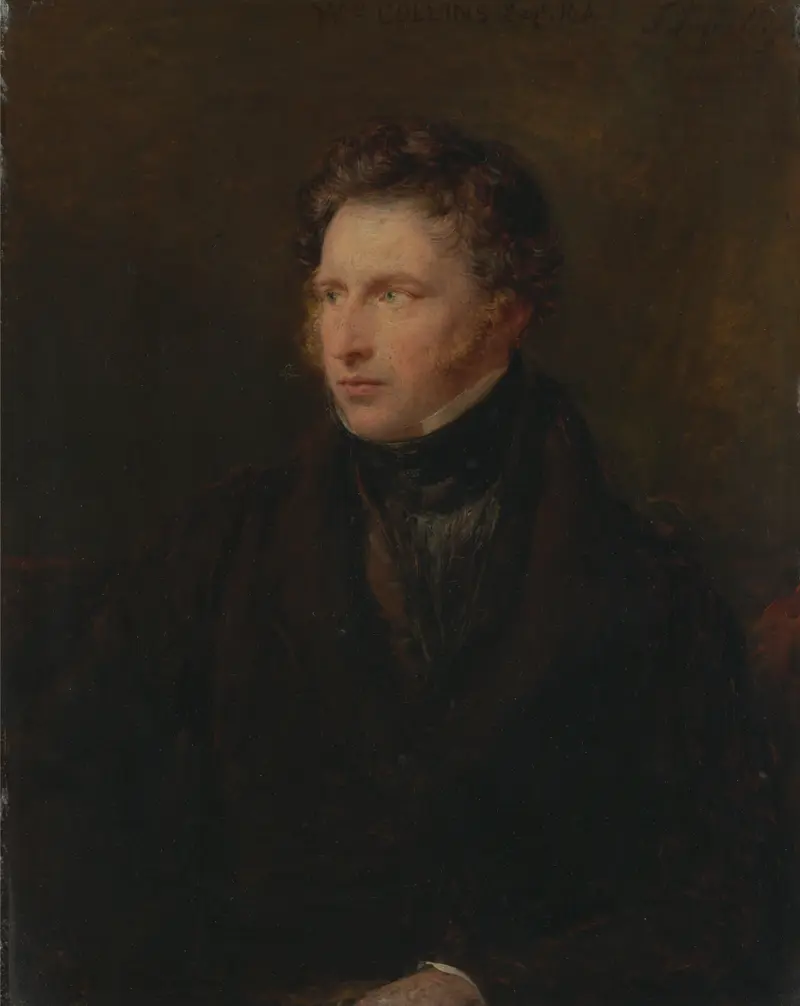
William Collins, R.A.
John Linnell
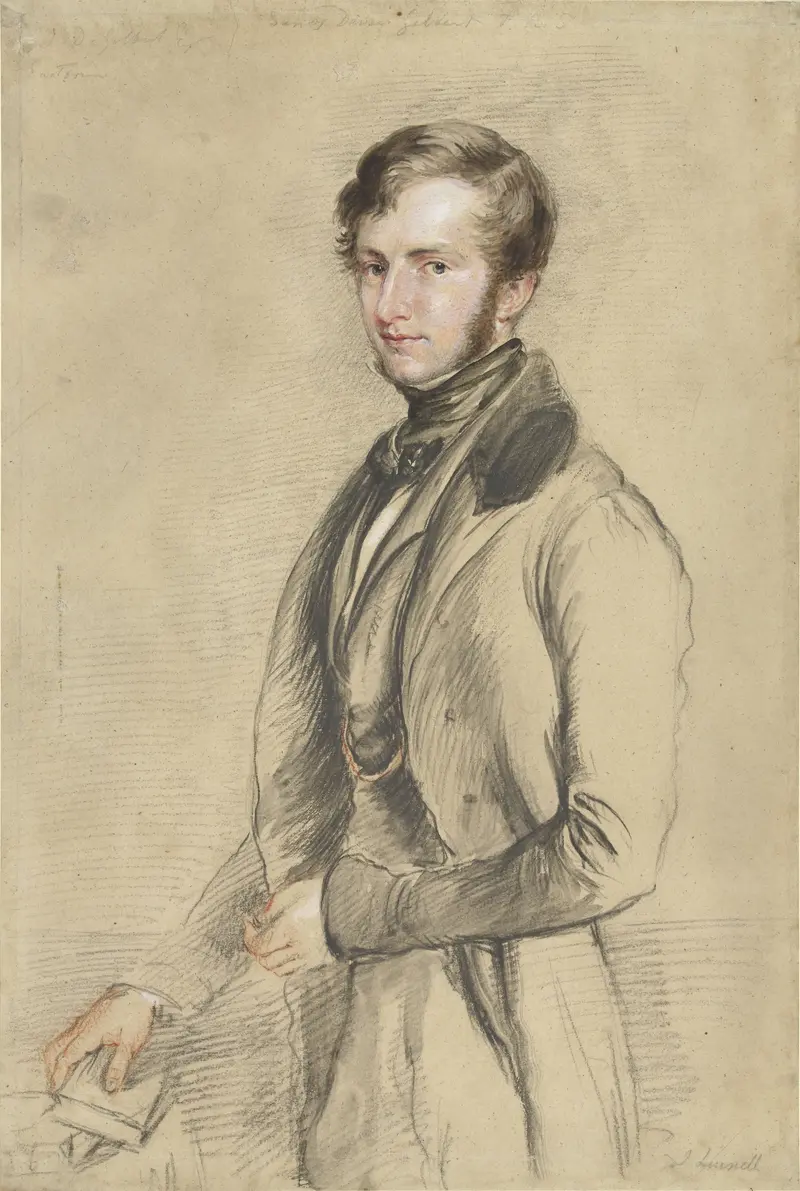
Portrait of John Davies Gilbert
John Linnell
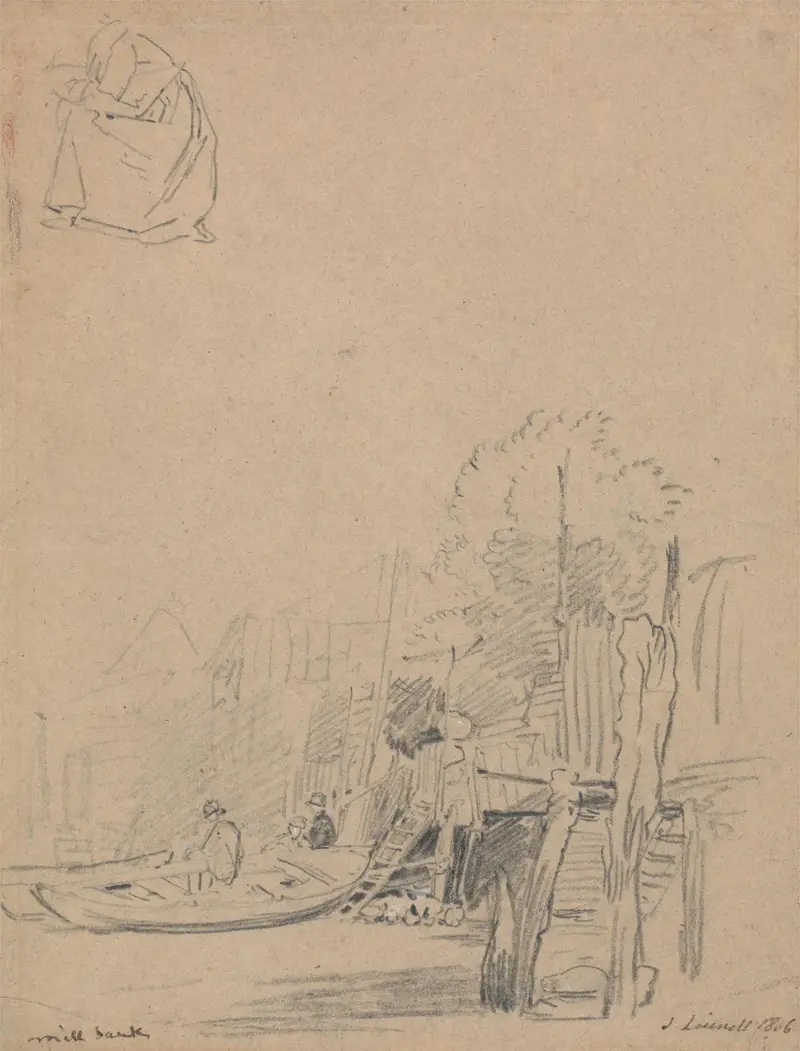
Millbank
John Linnell
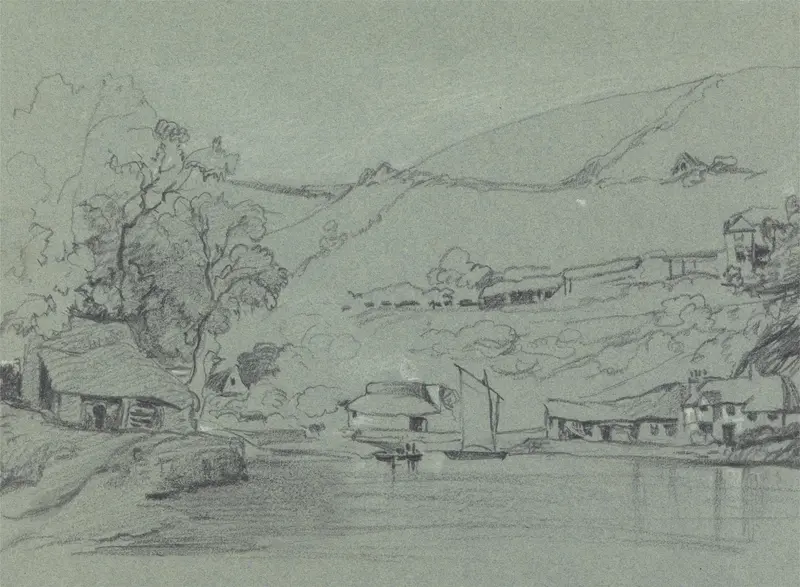
Scene in Kent
John Linnell
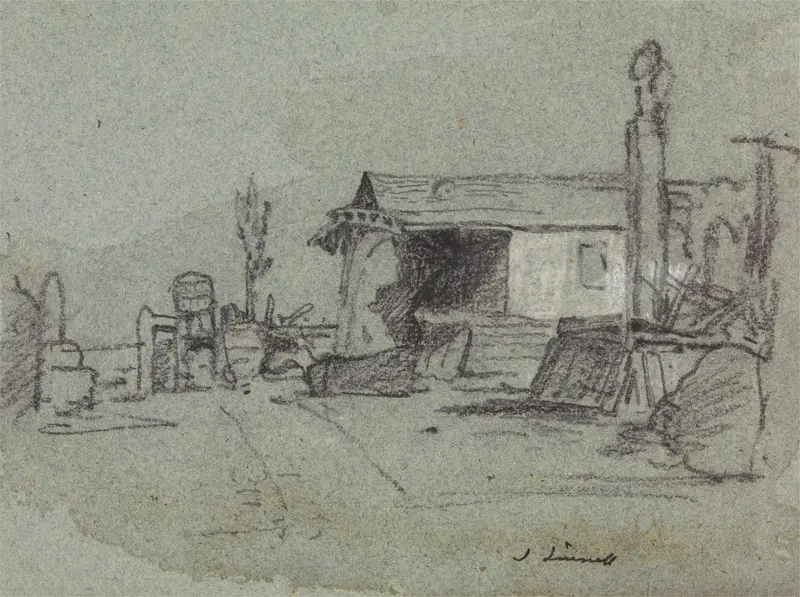
A Scene in the Edgware Road, London
John Linnell
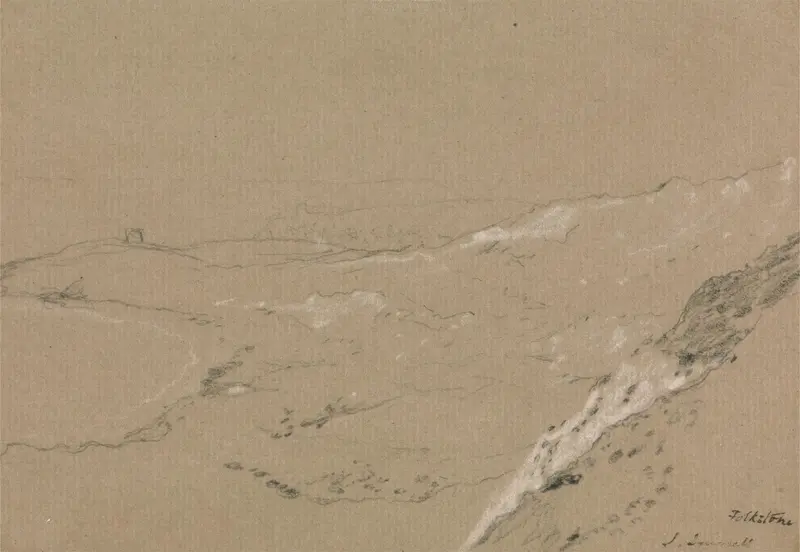
Folkestone
John Linnell
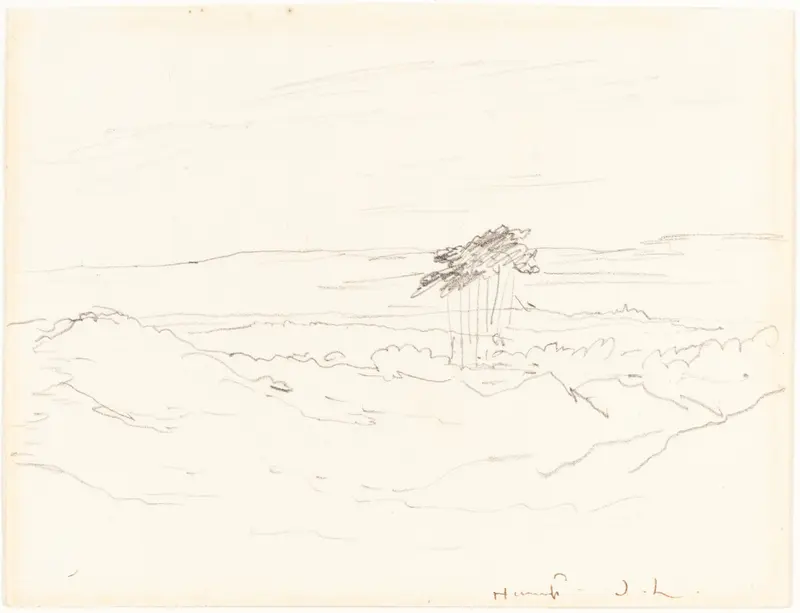
Hampstead Heath
John Linnell
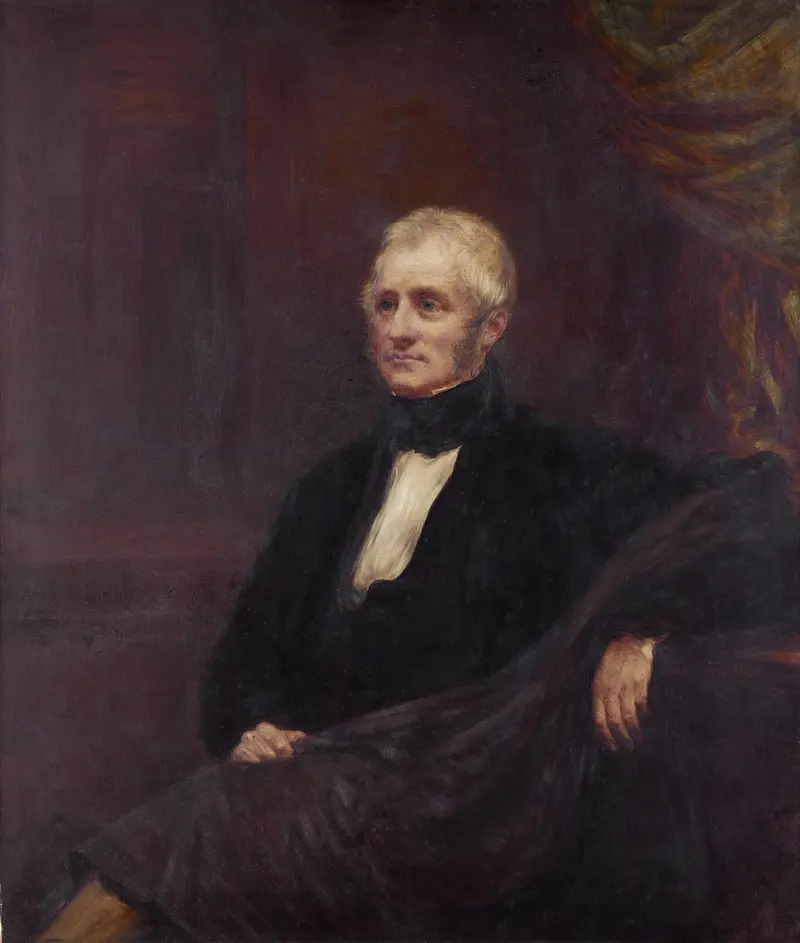
Henry Stephen Fox-Strangways, 3rd Earl Of Ilchester
John Linnell
View at Mr. Sheppard’s, The Ridge, Gloucestershire
John Linnell





