
Nobilis Mulier Anglicana / Noble woman of England — History & Facts
In the quiet of Hollar's work, a profound sense of loss envelops the viewer, echoing the emotions surrounding the noble woman depicted. Her presence speaks of strength intertwined with sorrow, inviting contemplation of the stories hidden beneath layers of time. Look closely at the central figure; her gaze is both resolute and distant, a complex intersection of pride and melancholy. Notice the delicate lace collar framing her face, each fold meticulously rendered, contrasting with the somber tones of her attire.
The intricate patterns of her clothing draw the eye towards the intricate details, revealing the artist's skill in capturing texture and depth, while the muted color palette evokes an air of introspection. Beneath the surface of elegance lies a tapestry of emotional tension. The noblewoman’s subtle smile hints at a life lived in splendor yet shadowed by unspoken grief. The somber background serves as a poignant reminder of fragility and loss that accompanies power, suggesting the weight of expectations placed upon those of her status.
The combination of unyielding strength and silent sorrow threads through the work, prompting reflections on the dualities of identity. During the years between 1642 and 1650, Wenceslaus Hollar was deeply immersed in the cultural exchanges of the post-Civil War period in England. Settling in London after fleeing the Thirty Years’ War in Europe, he carved a niche as a prominent engraver and draughtsman. His works during this time reflect not only the individuals of his era but also the complexities of their experiences, weaving together personal and societal narratives through meticulous artistry.
More Artworks by Wenceslaus Hollar
Browse all →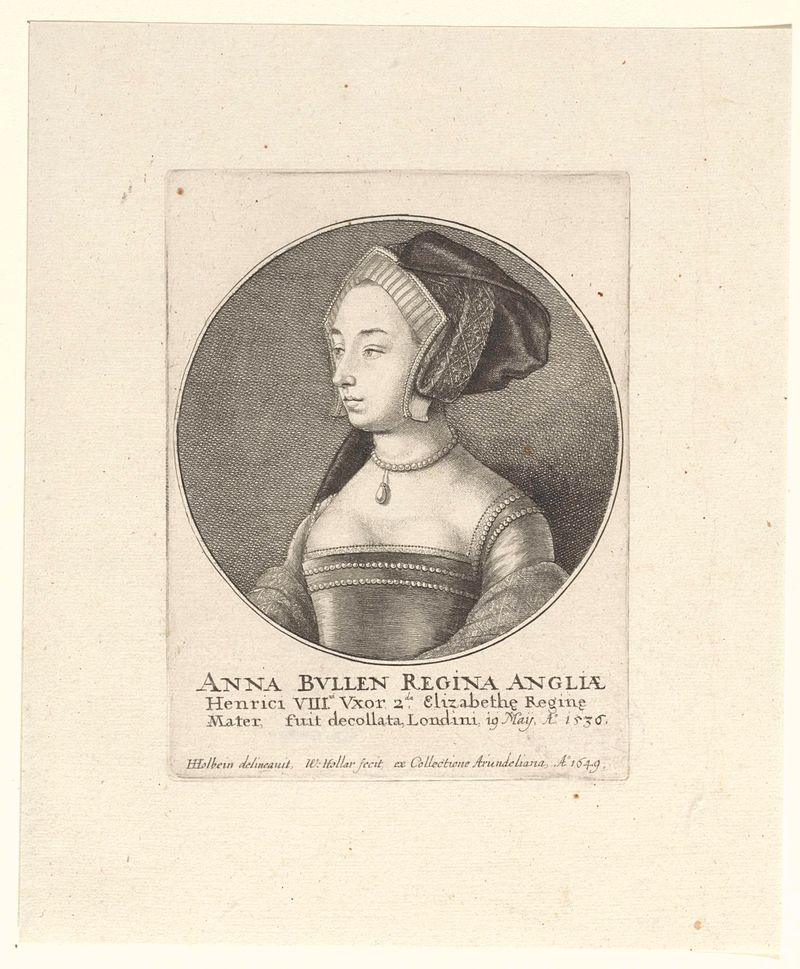
Portret van Anna Boleyn, koningin van Engeland
Wenceslaus Hollar
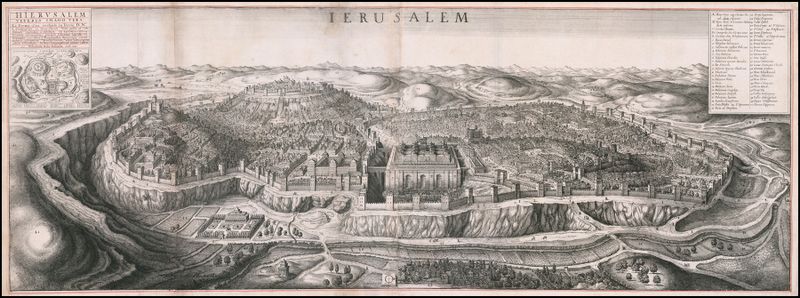
Bird’s eye view of Jerusalem
Wenceslaus Hollar
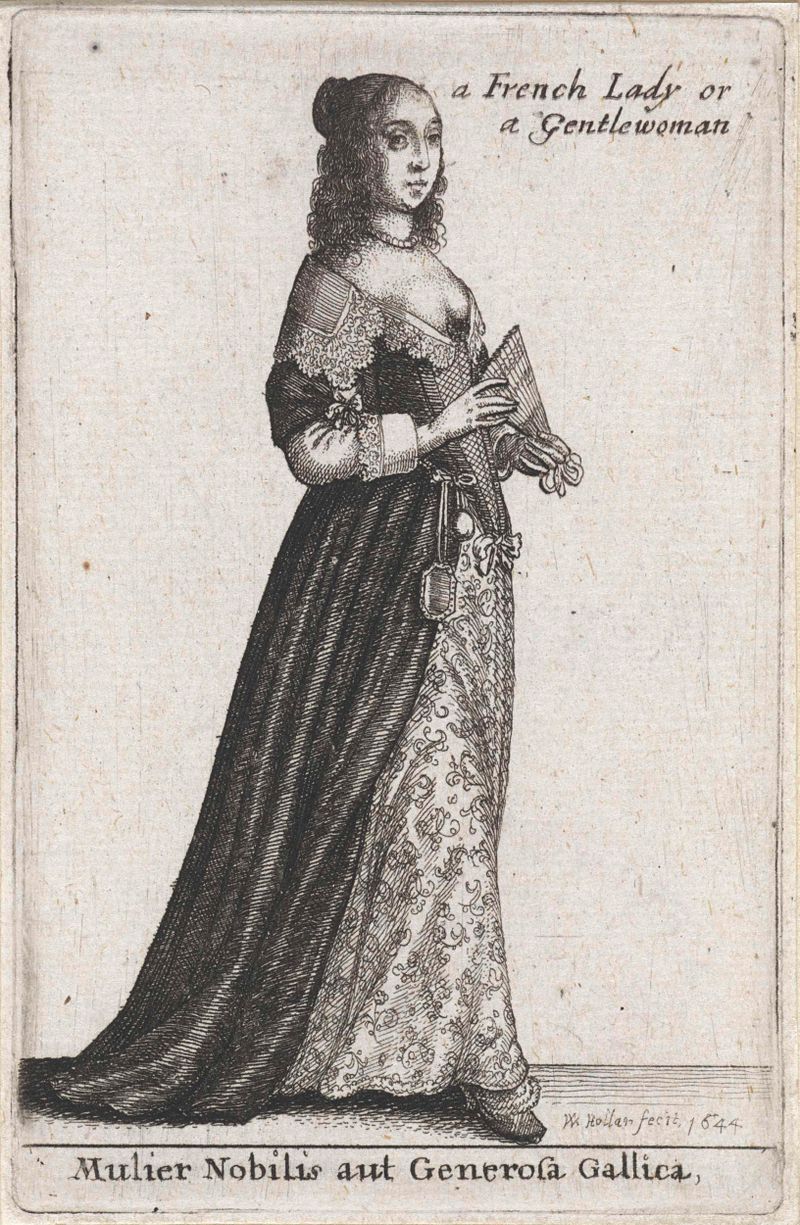
Mulier Nobilis aut Generosa Gallica / a French Lady or Gentlewoman
Wenceslaus Hollar
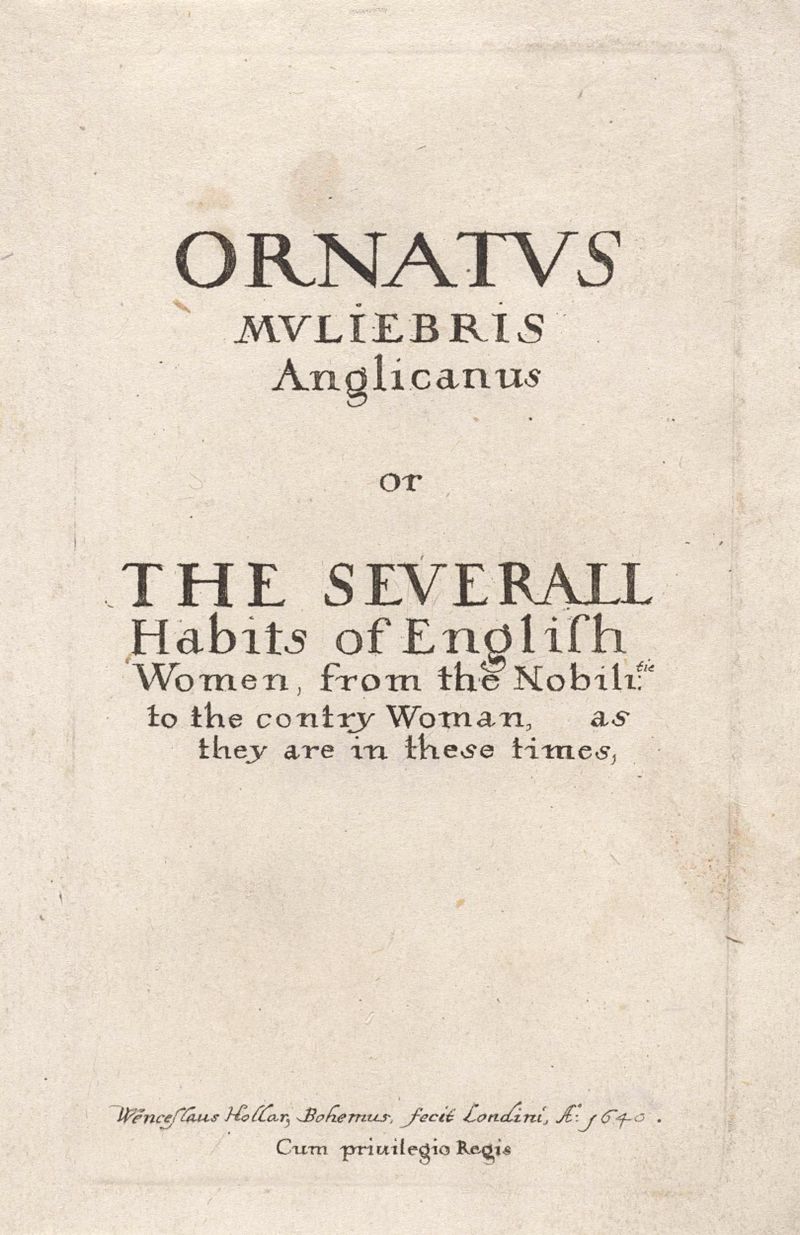
Titelprent voor: Ornatus Muliebris Anglicanus
Wenceslaus Hollar
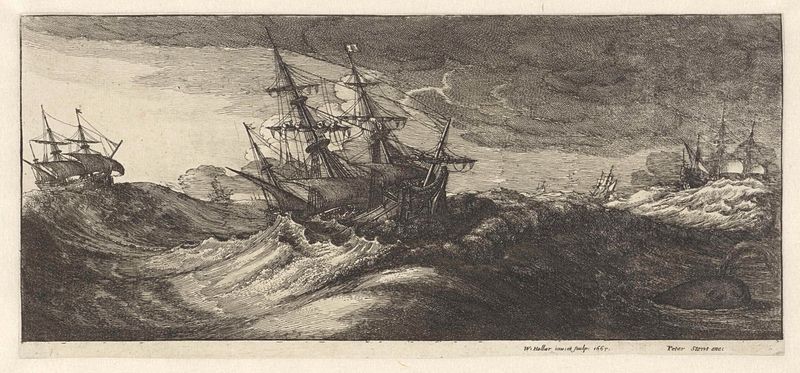
Oorlogsschepen en een walvis in een zeestorm
Wenceslaus Hollar
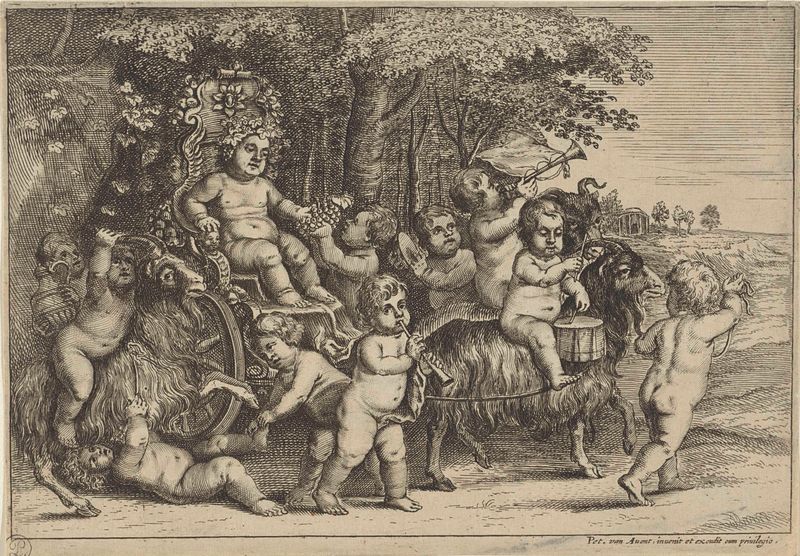
Optocht van bacchant en jongetjes op geiten
Wenceslaus Hollar
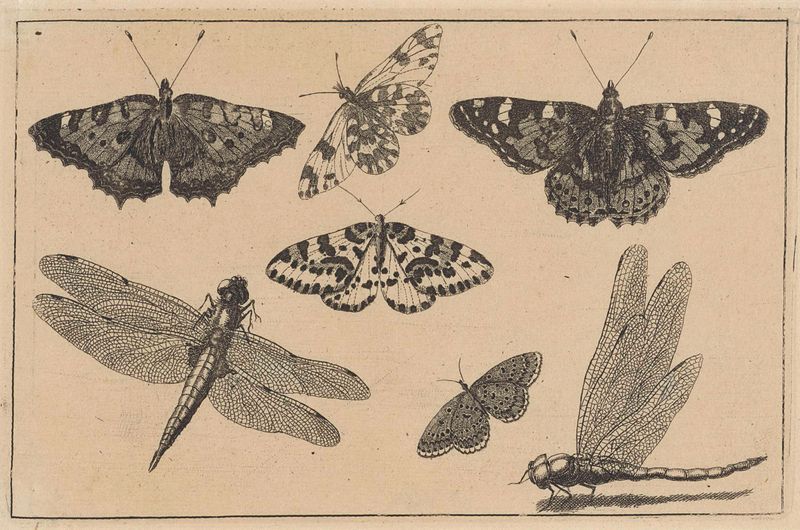
Twee libellen en vijf vlinders
Wenceslaus Hollar
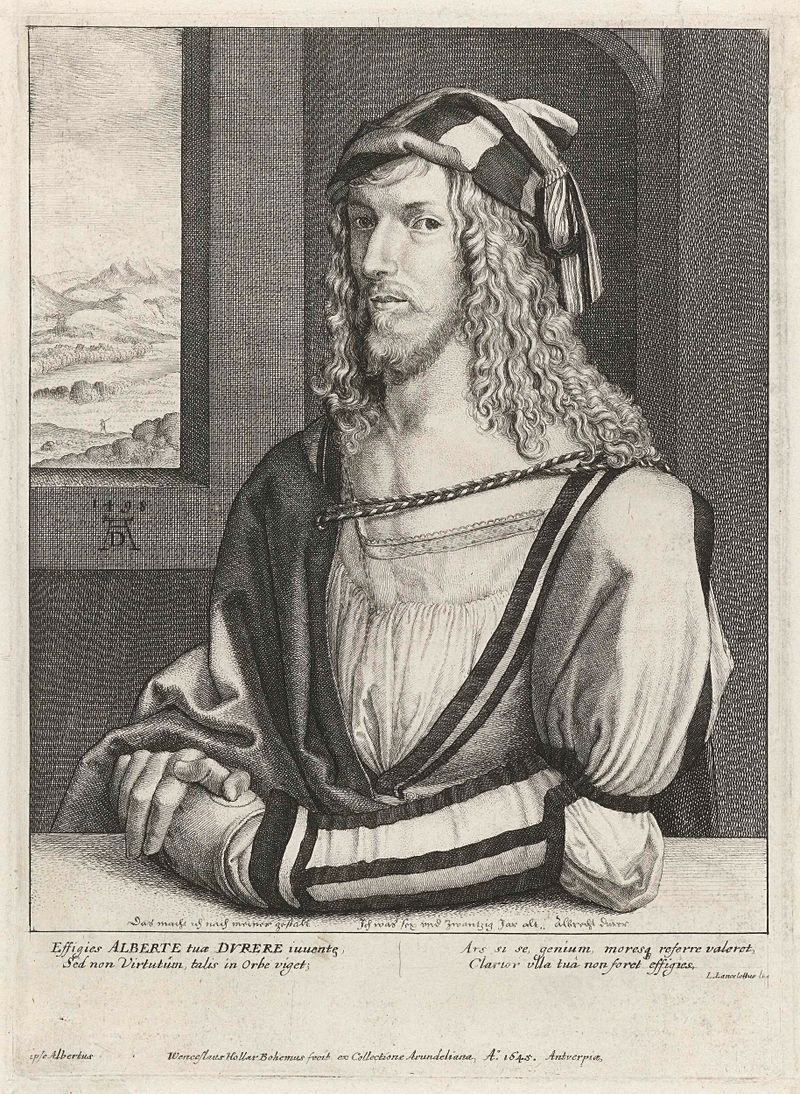
Portret van Albrecht Dürer
Wenceslaus Hollar
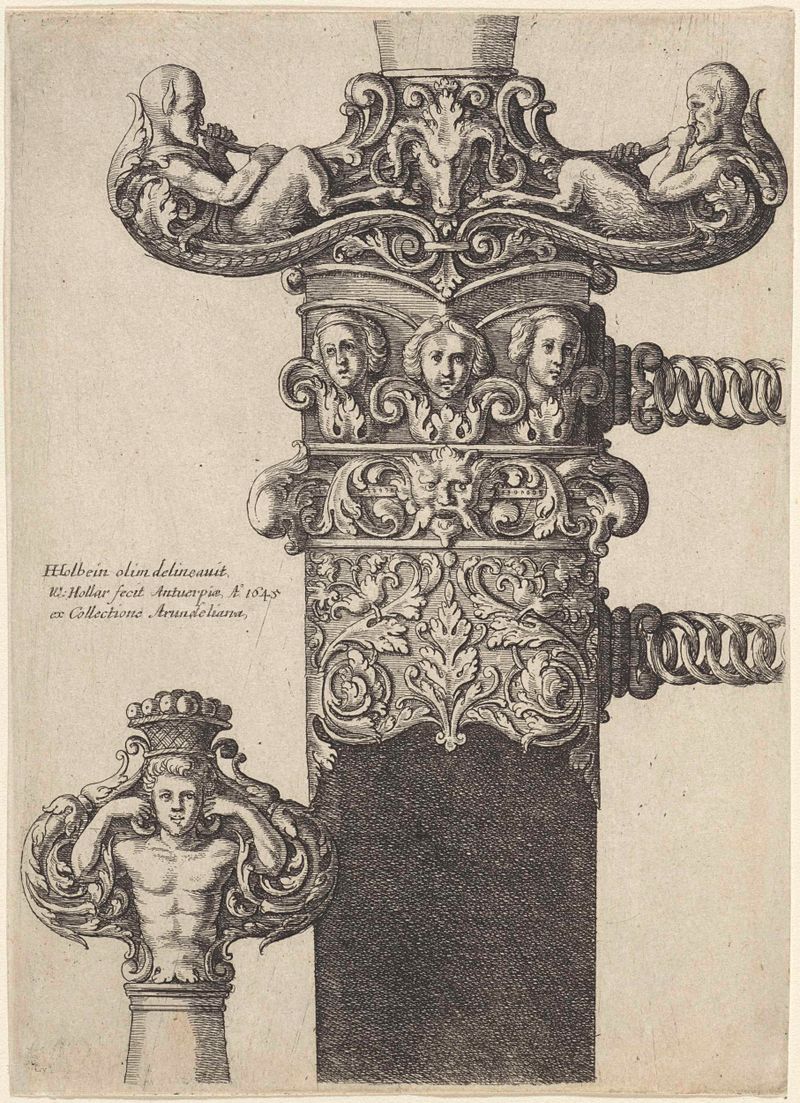
Ornamenteel ontwerp voor een dolk
Wenceslaus Hollar
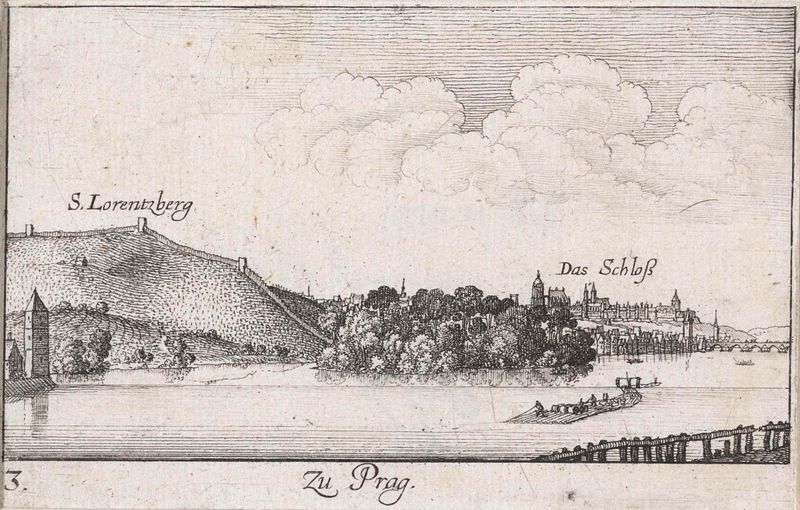
Gezicht op Praag vanaf de Moldau
Wenceslaus Hollar
More Portrait Art
Browse all →
Las meninas
Diego Velázquez

Self-portrait with a Bandaged Ear and Pipe
Unidentified artist

Girl with a Pearl Earring
Johannes Vermeer

The Sampling Officials of the Amsterdam Drapers’ Guild, Known as ‘The Syndics’
Rembrandt van Rijn

The Hundred Guilder Print: the man seen on the back in the lower left corner
Rembrandt van Rijn

Portrait of Dr Gachet
Vincent van Gogh