
Nobilis Mulier Aulica Anglicana / Lady of the Court of England — History & Facts
Who listens when art speaks of silence? In Wenceslaus Hollar's Nobilis Mulier Aulica Anglicana, a woman poised in elegance embodies a delicate balance between strength and fragility, her presence reverberating through the stillness of the canvas. Look to the left at her finely detailed lace collar, meticulously rendered, capturing the soft interplay of light and shadow. The gentle hues of her attire—pale blues and rich creams—contrast against the muted background, drawing your gaze to her serene expression. Notice how the artist's deft hand outlines her graceful silhouette, conveying both nobility and vulnerability, while the intricate patterns whisper of her status in a courtly world. Beneath the surface, the artwork resonates with emotional tension; the fragility of her demeanor suggests a quiet strength that belies the turbulence of her surroundings.
Each meticulous detail, from her jeweled accessories to the subtle curve of her fingers, hints at the complexities of a life spent navigating the social hierarchies of the time. The artist captures not just her likeness but the intricate web of expectations and isolation that accompany her role. In 1643, Hollar painted this work while in London, having fled the Thirty Years' War in his native Bohemia. The art world was transitioning, with a growing interest in portraiture that reflected an individual's character and status.
Hollar, known for his etchings and keen observational skills, embraced this trend, crafting portraits that transcended mere representation, grounding them in the poignant realities of life and identity.
More Artworks by Wenceslaus Hollar
Browse all →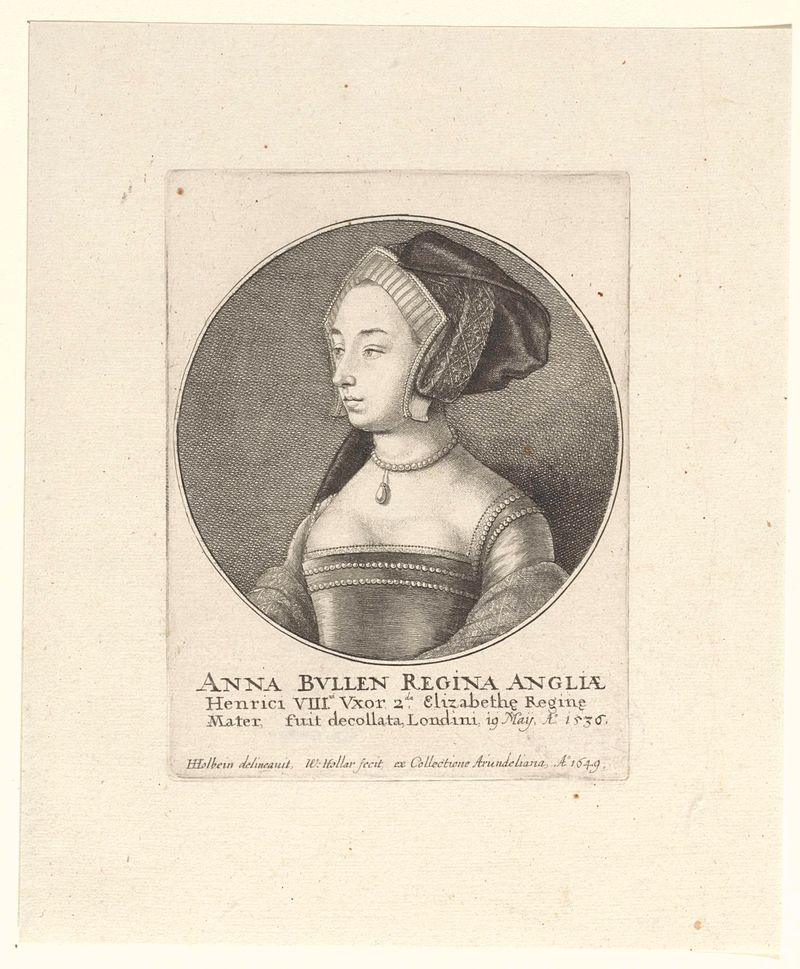
Portret van Anna Boleyn, koningin van Engeland
Wenceslaus Hollar
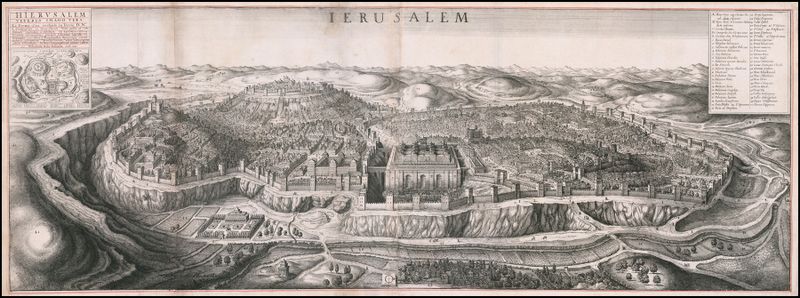
Bird’s eye view of Jerusalem
Wenceslaus Hollar
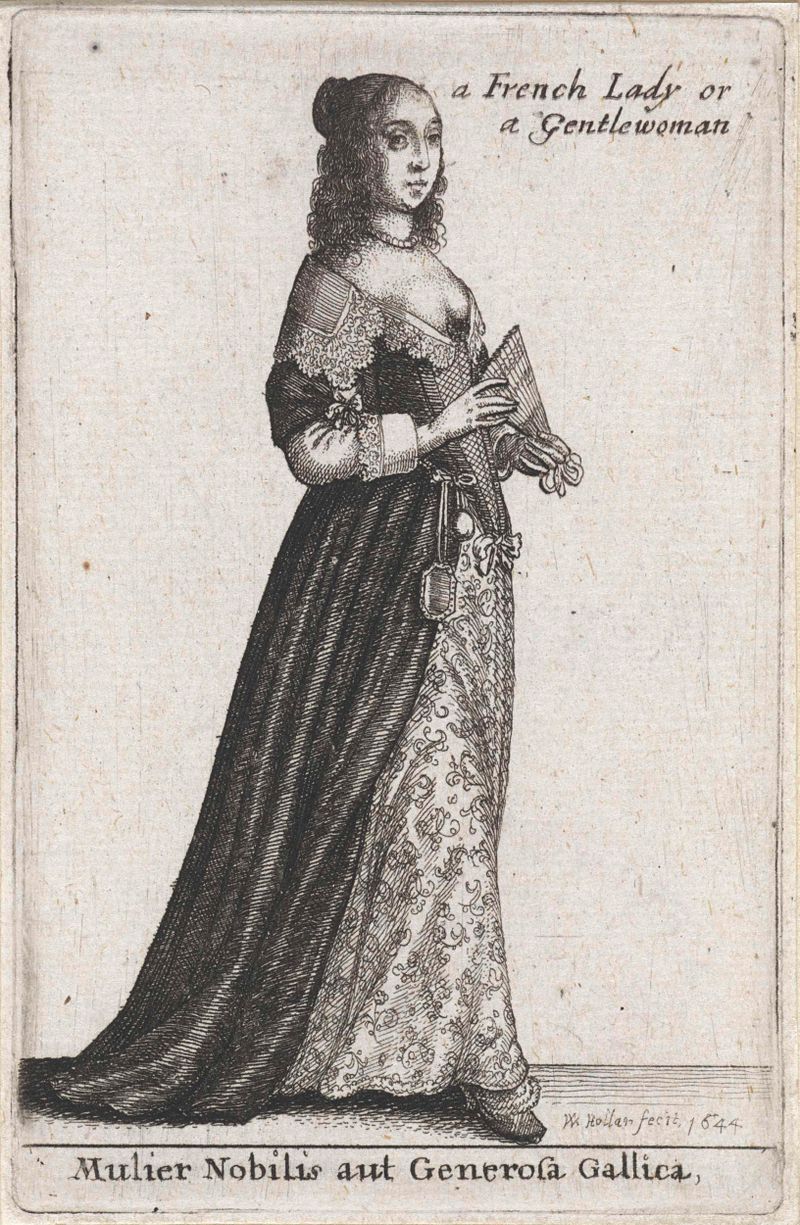
Mulier Nobilis aut Generosa Gallica / a French Lady or Gentlewoman
Wenceslaus Hollar
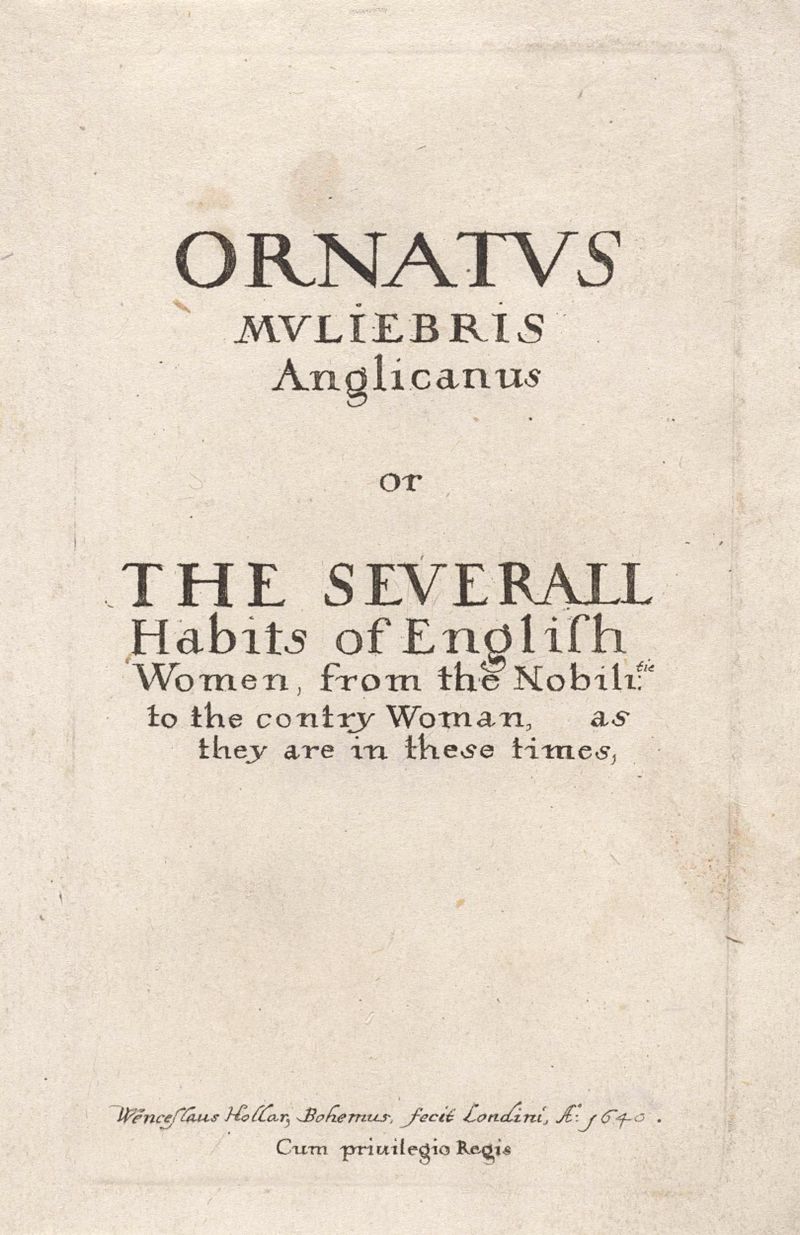
Titelprent voor: Ornatus Muliebris Anglicanus
Wenceslaus Hollar
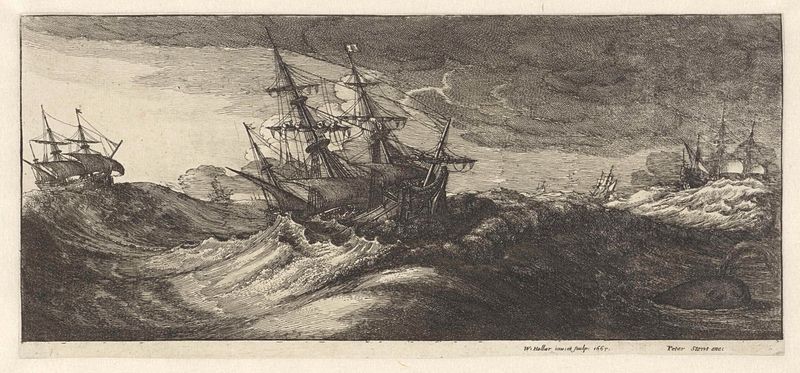
Oorlogsschepen en een walvis in een zeestorm
Wenceslaus Hollar
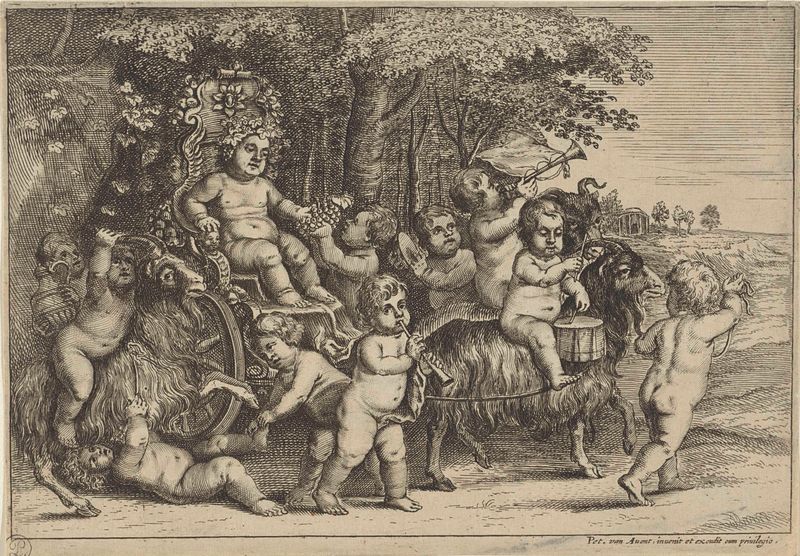
Optocht van bacchant en jongetjes op geiten
Wenceslaus Hollar
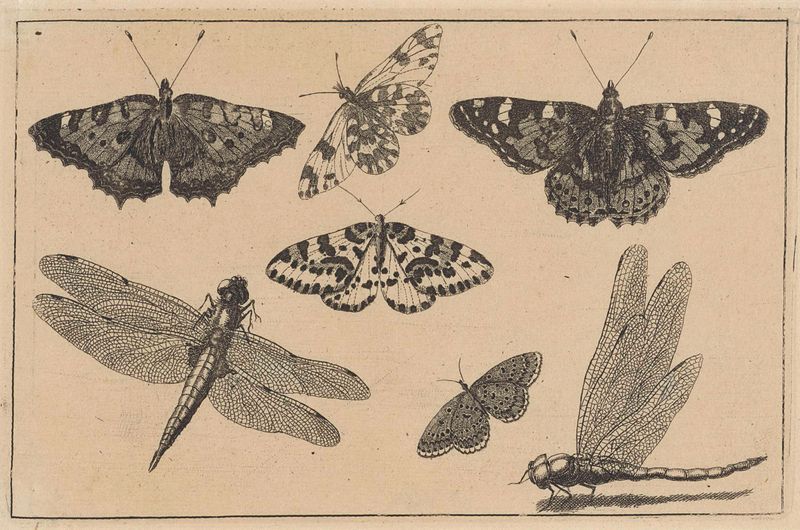
Twee libellen en vijf vlinders
Wenceslaus Hollar
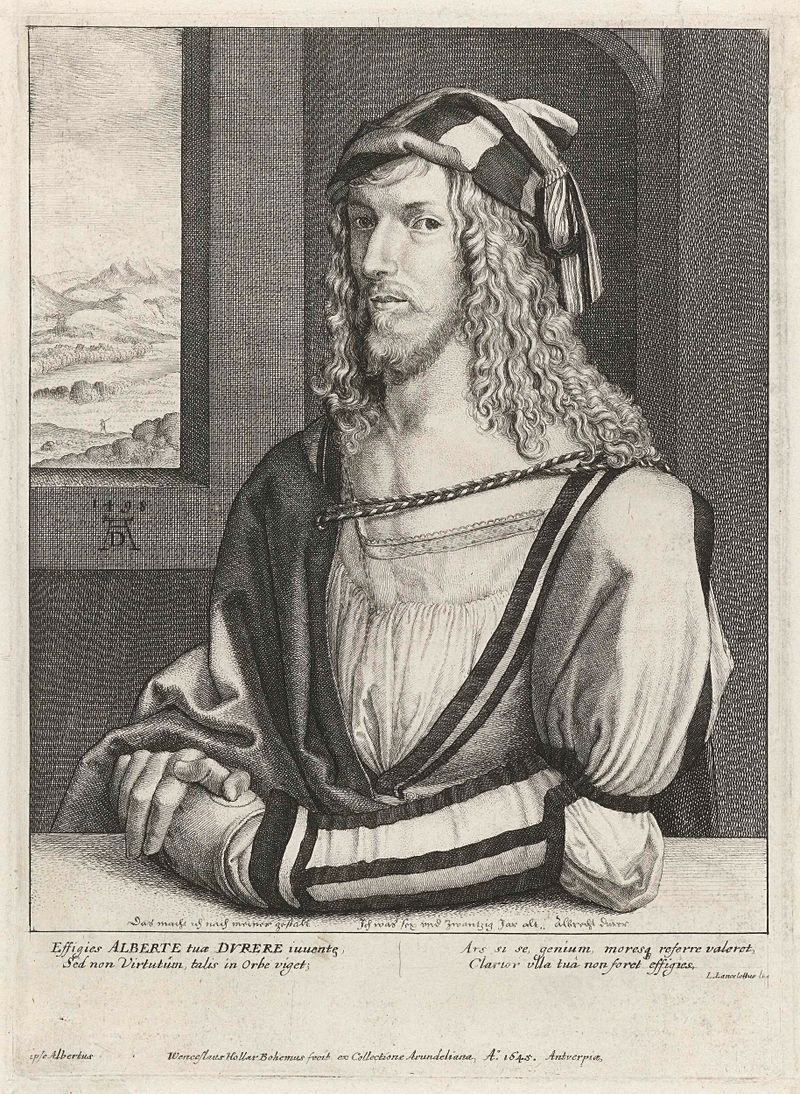
Portret van Albrecht Dürer
Wenceslaus Hollar
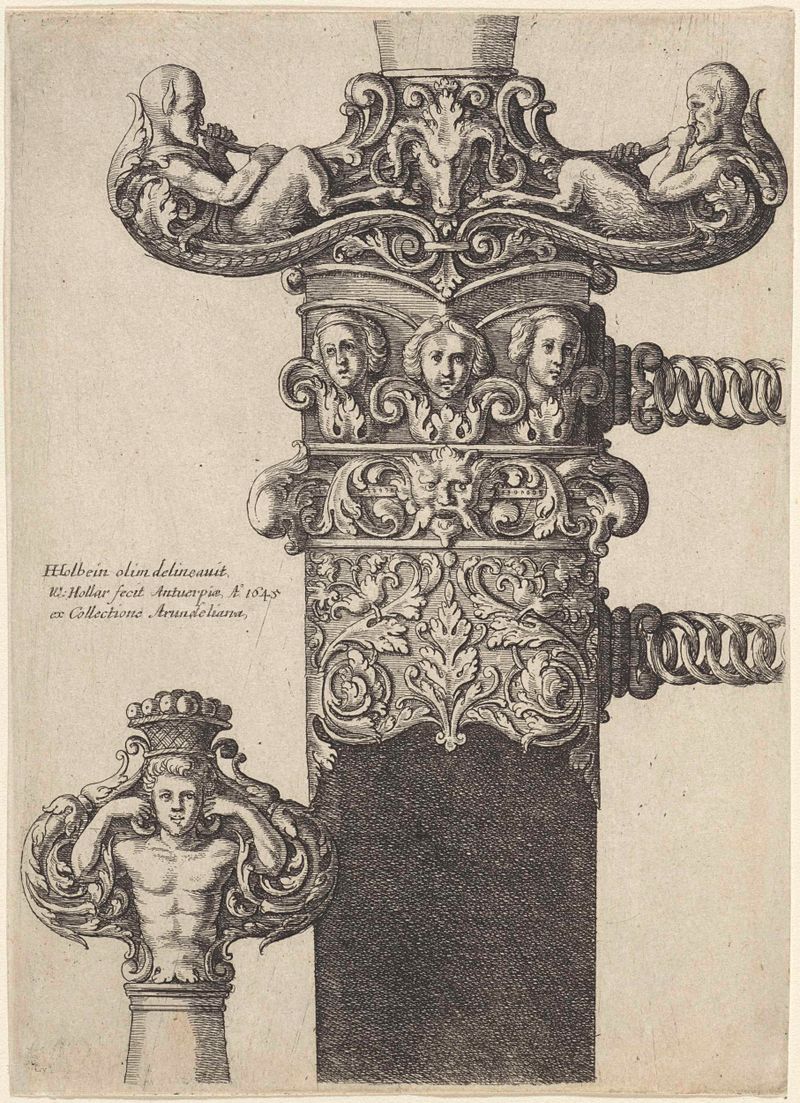
Ornamenteel ontwerp voor een dolk
Wenceslaus Hollar
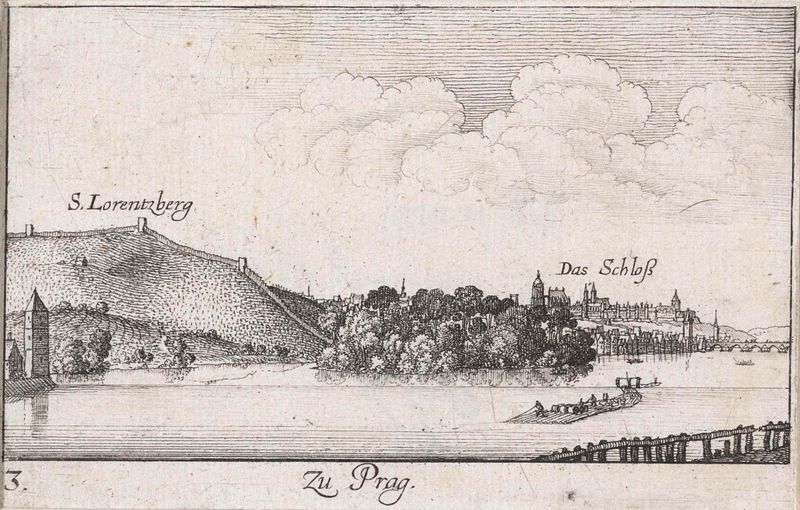
Gezicht op Praag vanaf de Moldau
Wenceslaus Hollar
More Portrait Art
Browse all →
Las meninas
Diego Velázquez

Self-portrait with a Bandaged Ear and Pipe
Unidentified artist

Girl with a Pearl Earring
Johannes Vermeer

The Sampling Officials of the Amsterdam Drapers’ Guild, Known as ‘The Syndics’
Rembrandt van Rijn

The Hundred Guilder Print: the man seen on the back in the lower left corner
Rembrandt van Rijn

Portrait of Dr Gachet
Vincent van Gogh