
Nobilis Mulier Gallica / Noble woman of France — History & Facts
This thought lingers in the air as one gazes upon the delicate visage of a woman, captured in a moment that speaks to the heart's deepest longings. Her stillness is paradoxically alive, whispering secrets of her soul; a reminder that every exterior might veil an inner world of unexpressed emotions. Look to the left at the intricate lace framing her face, its detailed patterns drawing the eye with a tender touch. The soft, muted palette contrasts the glimmering gold of her adornments, accentuating her noble status while revealing a vulnerability beneath the surface.
Notice how her gaze, directed slightly downward, invites viewers into an intimate dialogue, making them question the thoughts that veil her serenity. The delicate lines and shading Hollar employs breathe life into her skin, while the richness of her attire informs us of her elevated stature. Yet, there lies a tension woven into her expression—the faintest hint of melancholy in her downturned mouth juxtaposed with her ornate accessories, hinting that even nobility carries burdens. The contrast between her opulent clothing and her subdued demeanor speaks of societal expectations, suggesting that beauty can often be a gilded cage.
Each detail, from the extravagant jewels to the soft fabric draping her form, raises questions about identity, status, and the pain that often accompanies longing for something beyond reach. In 1643, Wenceslaus Hollar created this portrait in a time when Europe was grappling with political upheaval and social change. Living in London as a part of the artistic community that was responding to the shifting tides of his home country, Hollar's work reflects a blend of personal aspiration and the collective uncertainty of an era, capturing not only the visual splendor of his subjects but also the depths of their unvoiced emotions.
More Artworks by Wenceslaus Hollar
Browse all →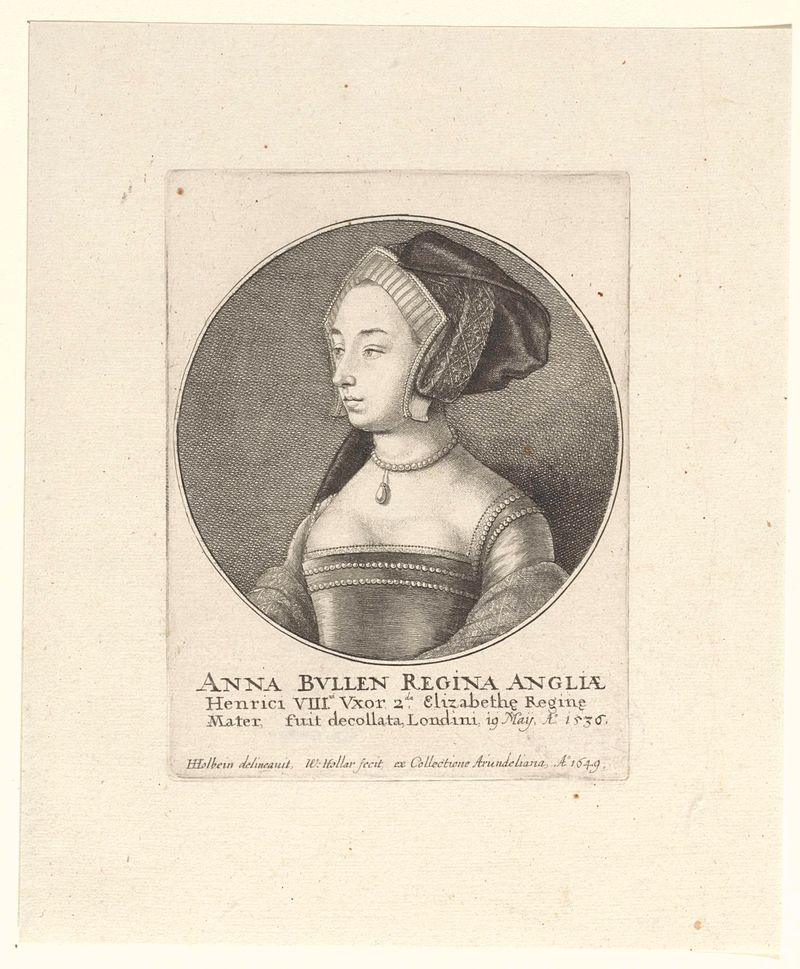
Portret van Anna Boleyn, koningin van Engeland
Wenceslaus Hollar
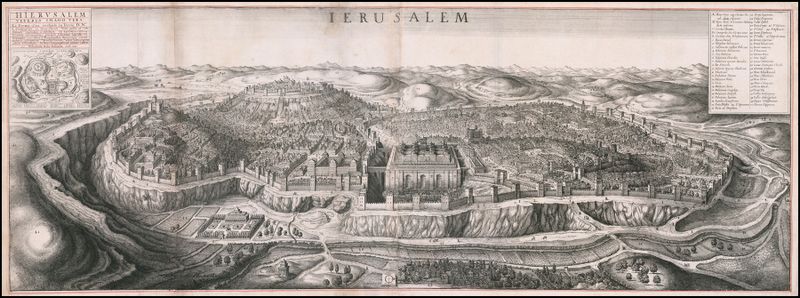
Bird’s eye view of Jerusalem
Wenceslaus Hollar
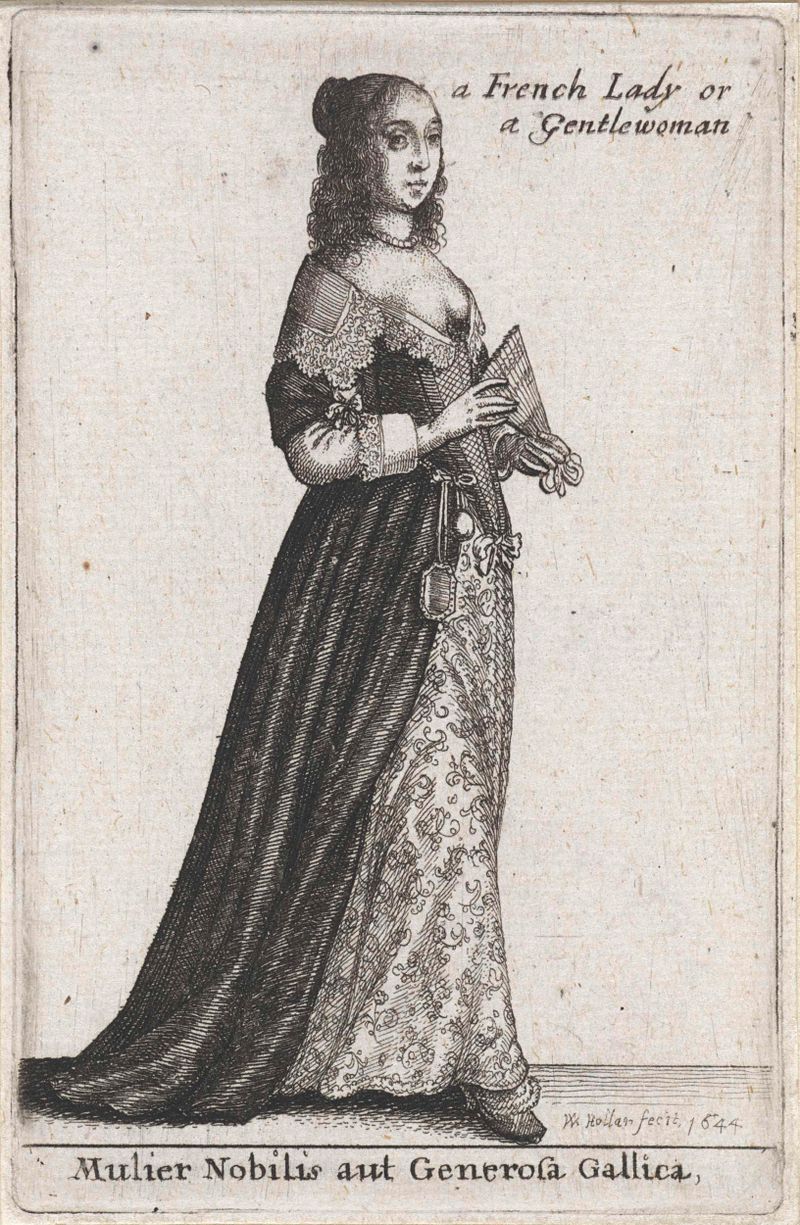
Mulier Nobilis aut Generosa Gallica / a French Lady or Gentlewoman
Wenceslaus Hollar
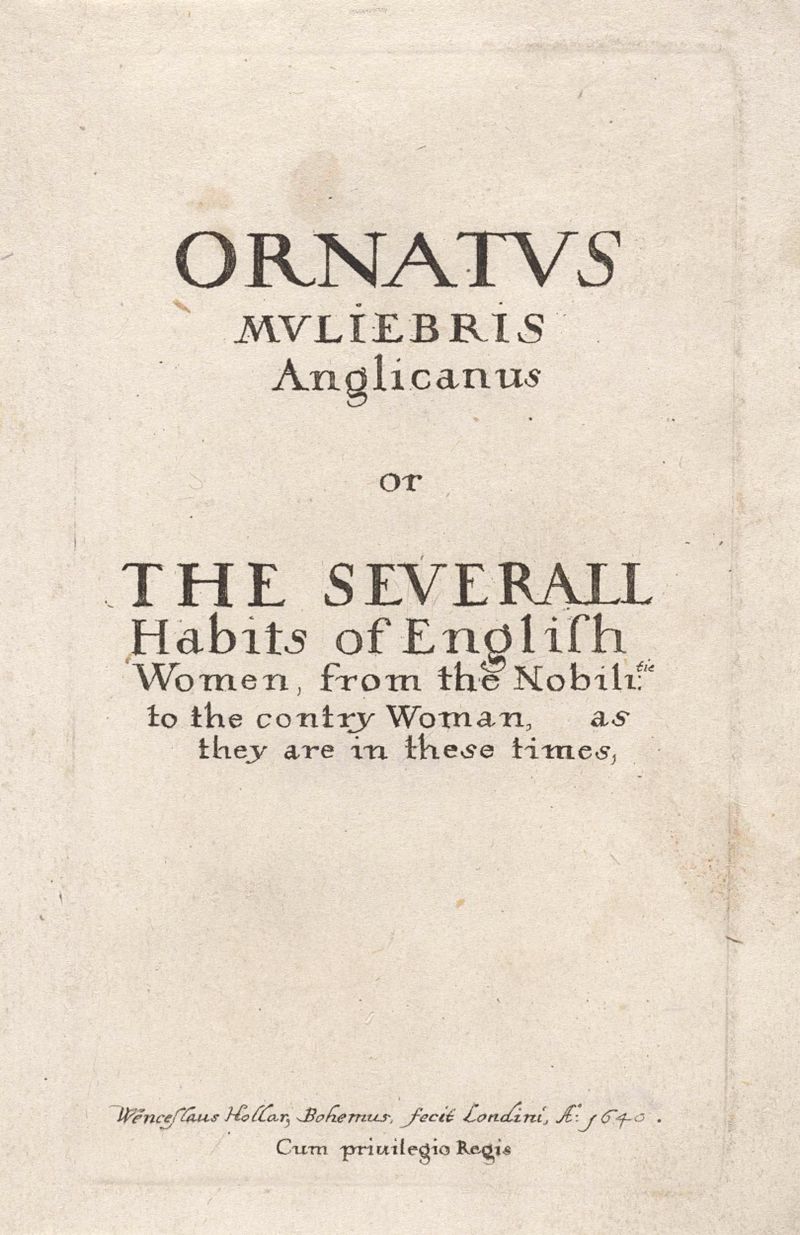
Titelprent voor: Ornatus Muliebris Anglicanus
Wenceslaus Hollar
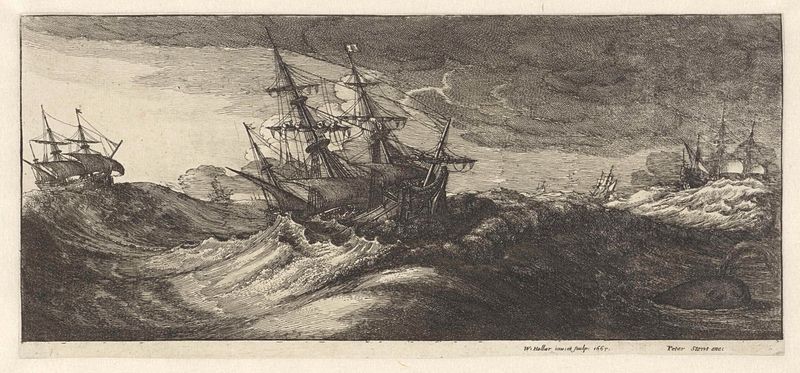
Oorlogsschepen en een walvis in een zeestorm
Wenceslaus Hollar
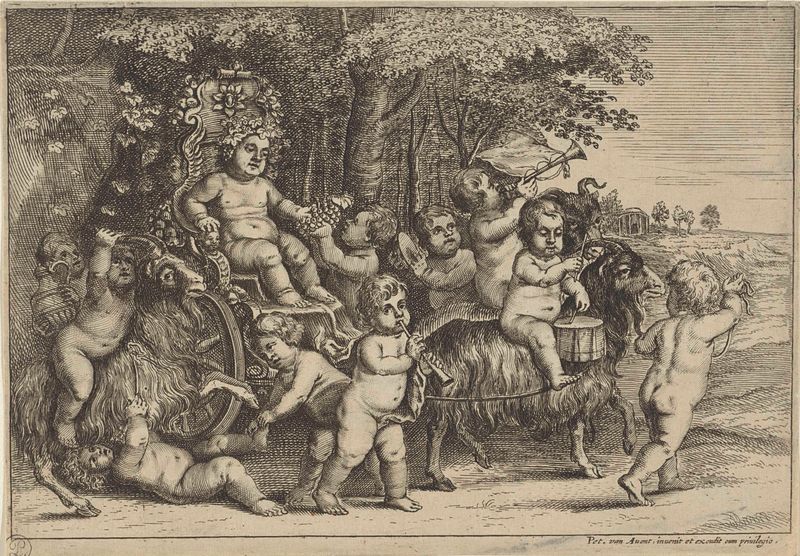
Optocht van bacchant en jongetjes op geiten
Wenceslaus Hollar
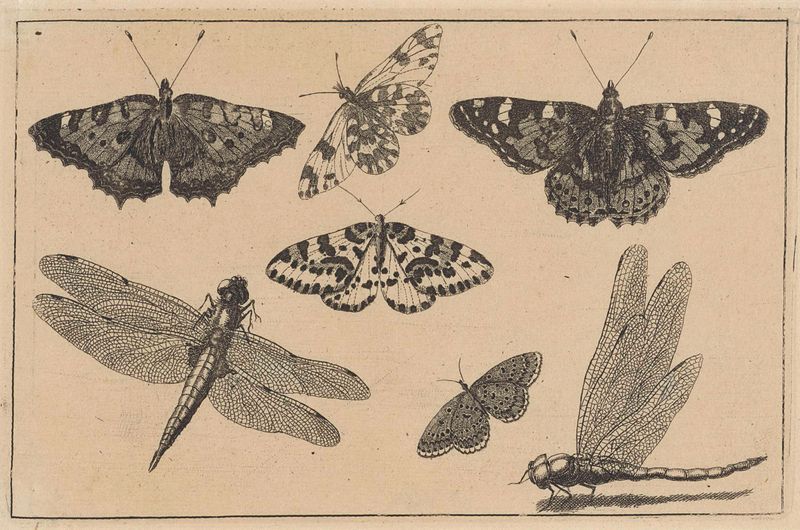
Twee libellen en vijf vlinders
Wenceslaus Hollar
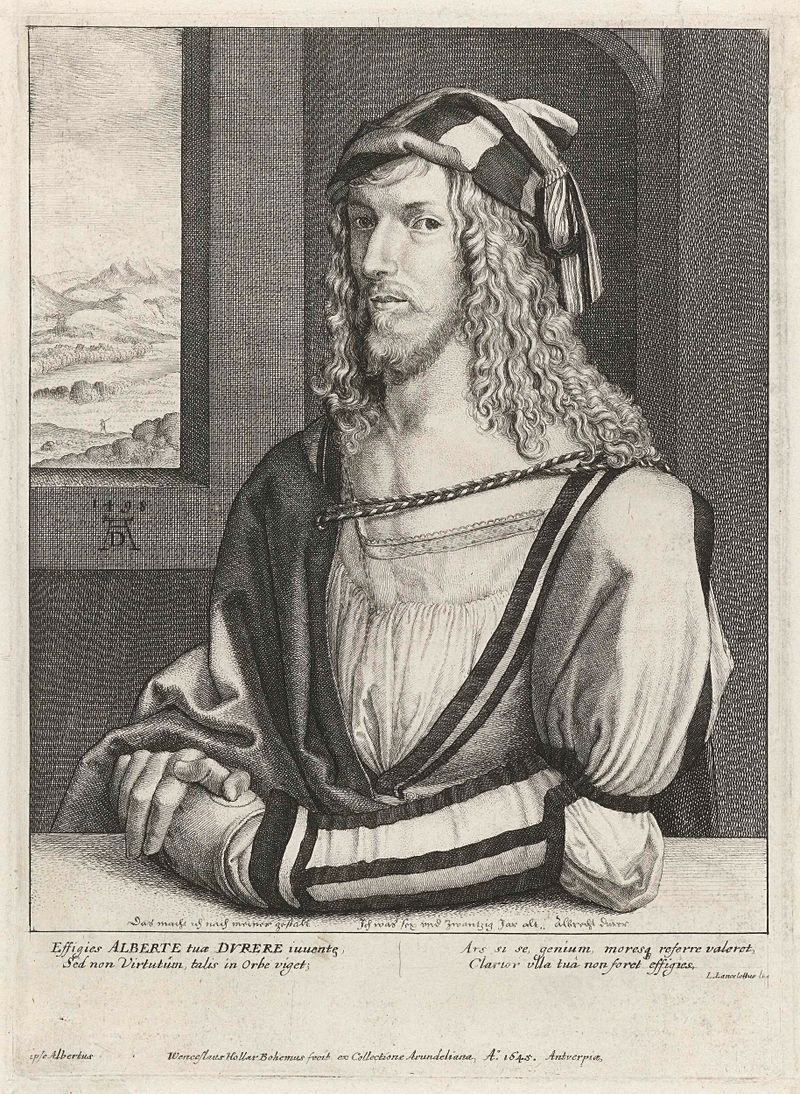
Portret van Albrecht Dürer
Wenceslaus Hollar
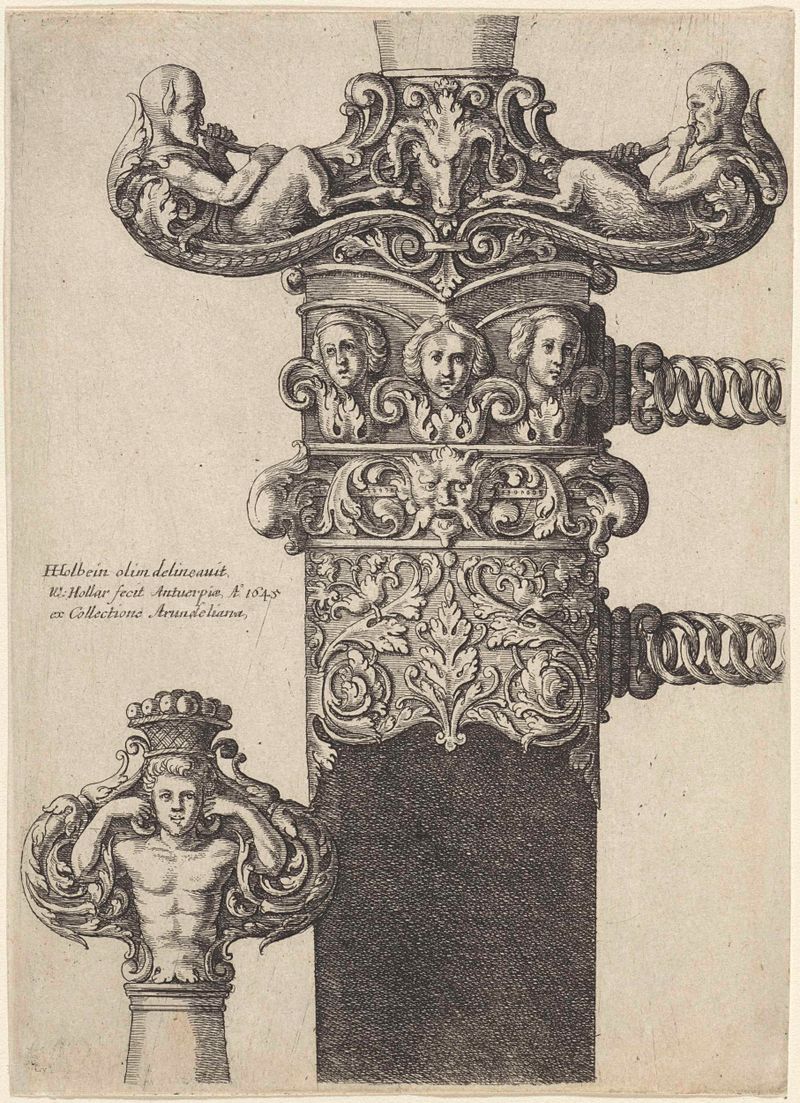
Ornamenteel ontwerp voor een dolk
Wenceslaus Hollar
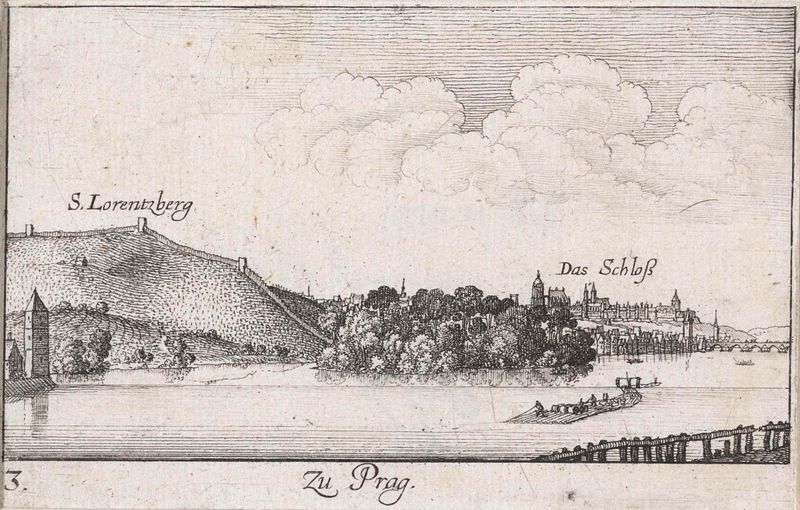
Gezicht op Praag vanaf de Moldau
Wenceslaus Hollar
More Portrait Art
Browse all →
Las meninas
Diego Velázquez

Self-portrait with a Bandaged Ear and Pipe
Unidentified artist

Girl with a Pearl Earring
Johannes Vermeer

The Sampling Officials of the Amsterdam Drapers’ Guild, Known as ‘The Syndics’
Rembrandt van Rijn

The Hundred Guilder Print: the man seen on the back in the lower left corner
Rembrandt van Rijn

Portrait of Dr Gachet
Vincent van Gogh