Notre Dame Seen from the Quai de la Tournelle — History & Facts
Look to the center, where the towering silhouette of Notre Dame rises against the soft hues of a fading day. The intricate details of its Gothic architecture are rendered with delicate brushstrokes, while gentle pastel colors blend seamlessly into the sky, creating an ethereal atmosphere. Notice how the rippling water in the foreground reflects the scene, mirroring both the majesty of the cathedral and the stillness surrounding it, pulling the viewer deeper into the moment. Beneath the serene surface lies a poignant contrast—the vibrancy of the city’s life juxtaposed against the solemnity of the historic monument.
Raffaëlli captures not just a view, but an evocative sense of nostalgia, as if time itself has paused to pay homage to the past. The subtle variations in color, from warm golden tones to cool blues, embody the dichotomy of memory—a fleeting moment held in a perpetual state of reverence. In the late 19th century, Raffaëlli found himself immersed in the vibrant artistic milieu of Paris. Painting Notre Dame Seen from the Quai de la Tournelle between 1897 and 1902, he was influenced by Impressionism yet sought to integrate a more deliberate realism into his work.
This period marked a transition in his life, as he transitioned from a focus on urban life to exploring the nuanced beauty of architectural forms, reflecting both personal and collective memories of a city undergoing profound change.
More Artworks by Jean François Raffaëlli
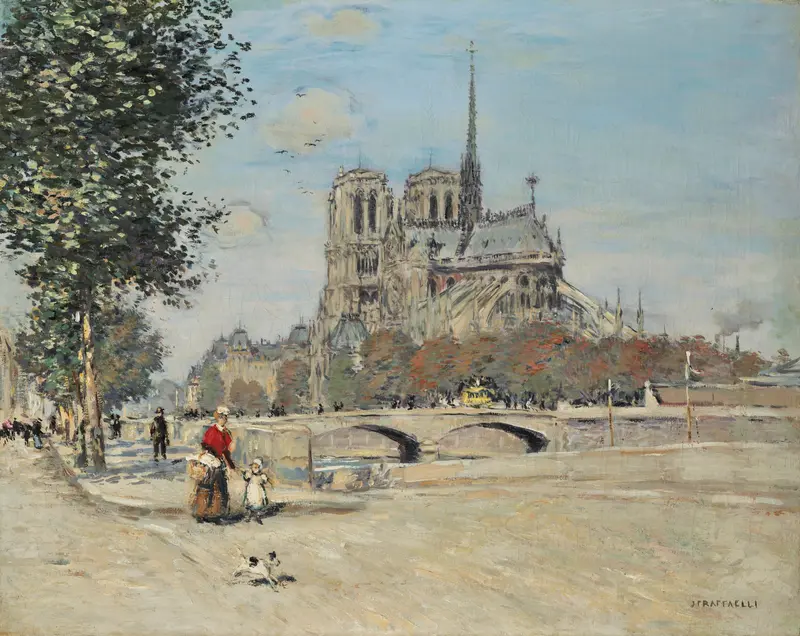
Notre-Dame de Paris et le pont de l’Archevêché
Jean François Raffaëlli
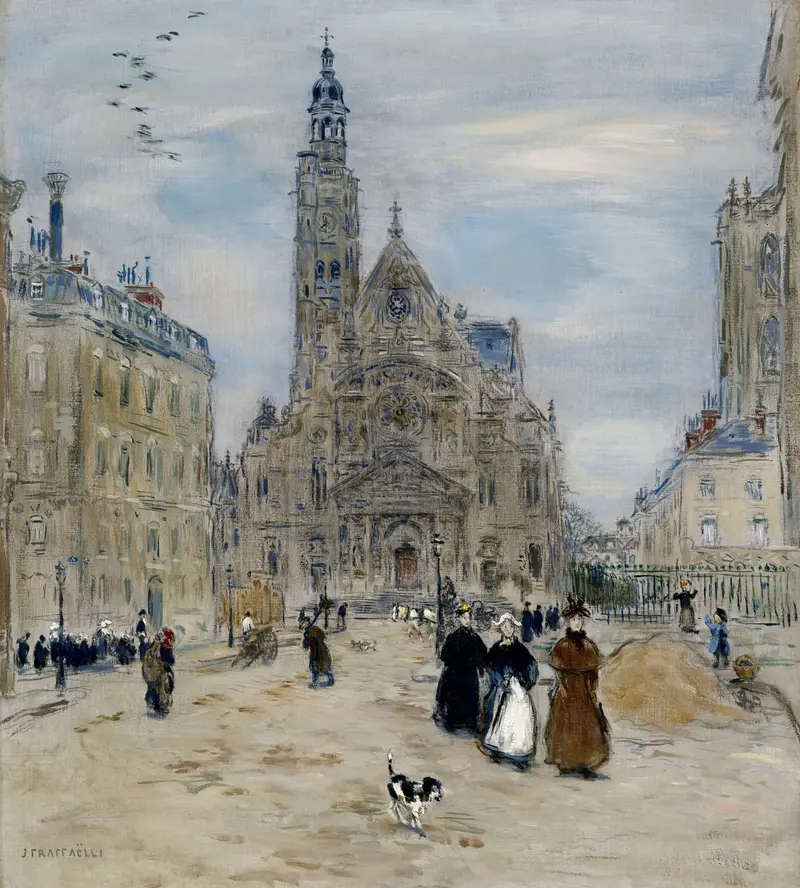
Saint-Étienne-du-Mont, Paris
Jean François Raffaëlli
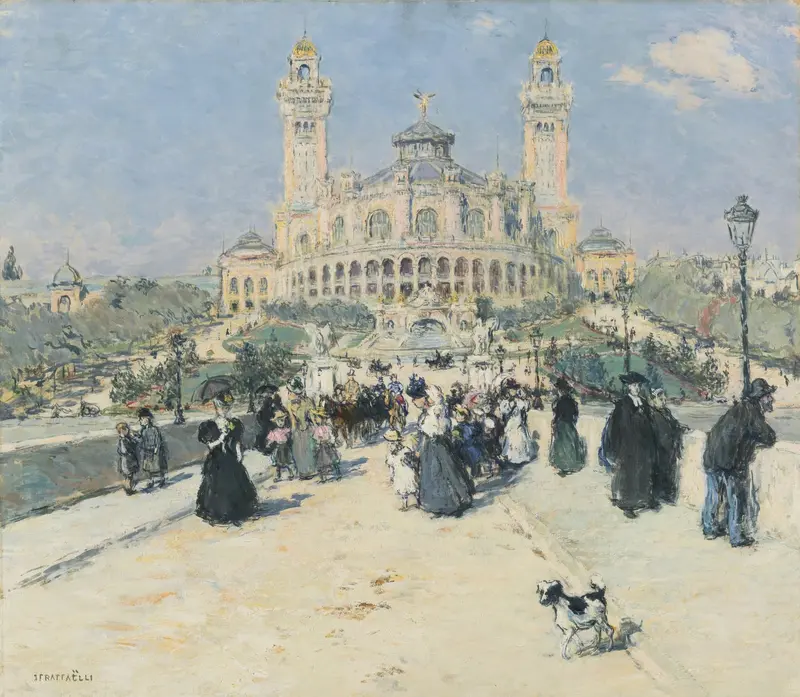
Le Trocadéro
Jean François Raffaëlli
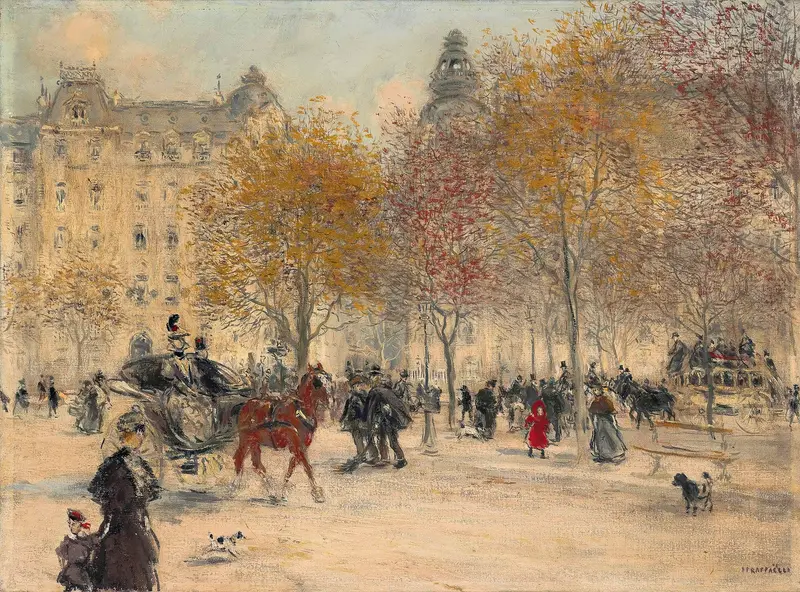
Autumn In Paris
Jean François Raffaëlli
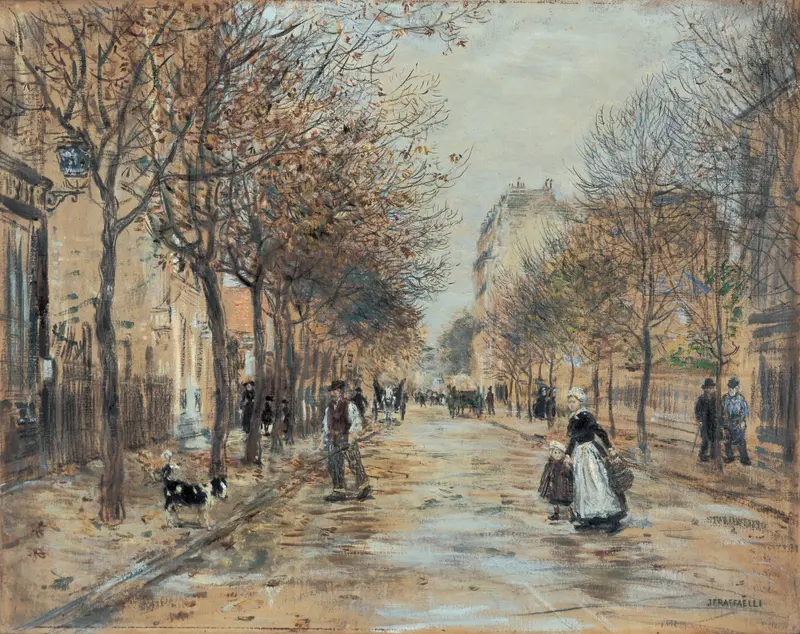
Street in Asnières
Jean François Raffaëlli
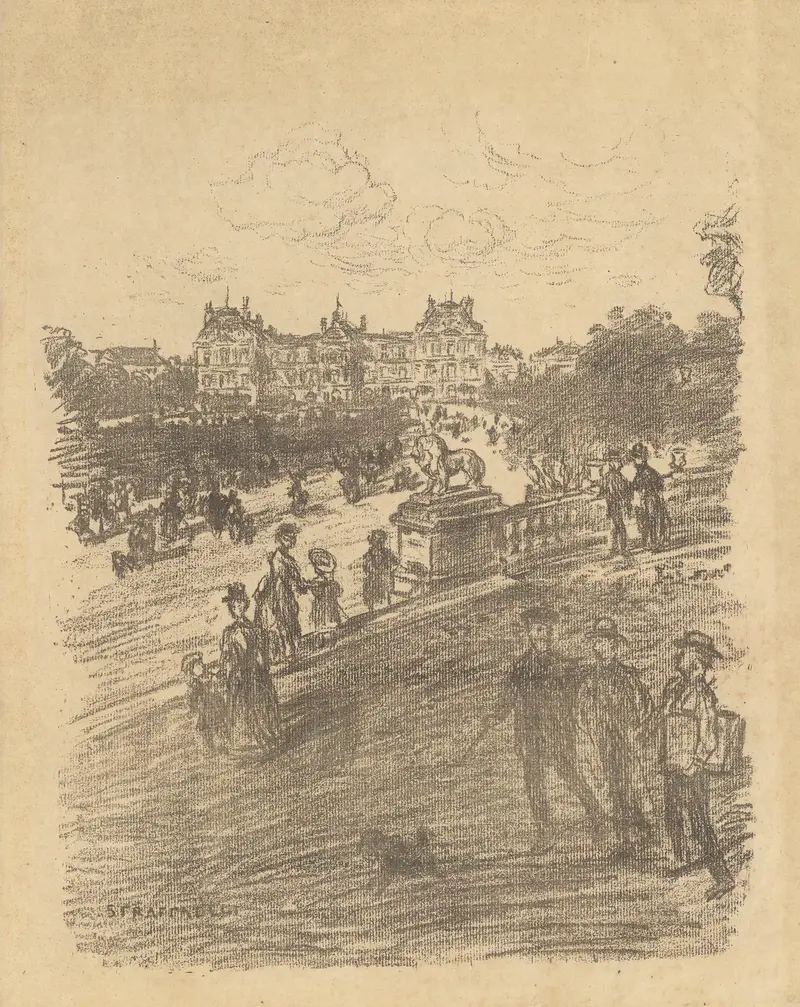
Le jardin du Luxembourg
Jean François Raffaëlli
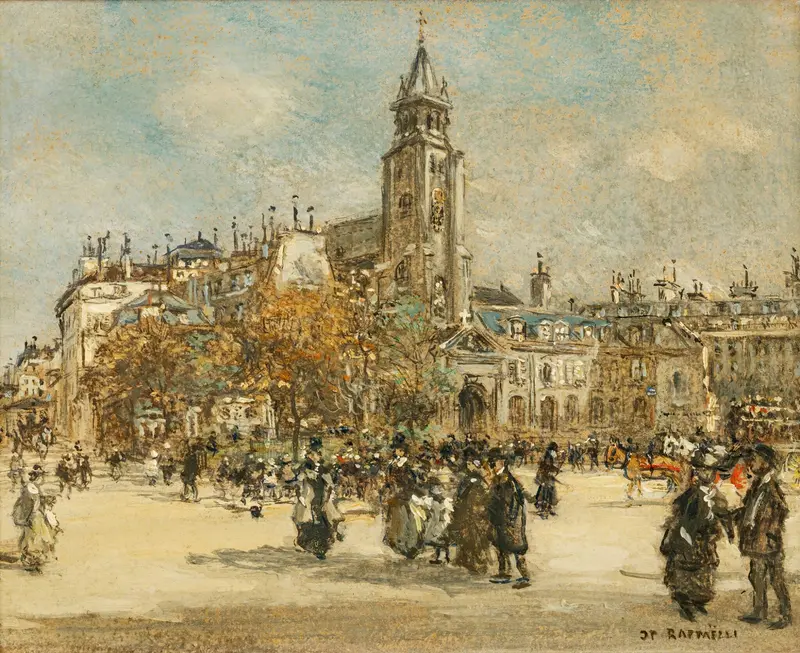
Place de Saint-Germain des Prés, Paris
Jean François Raffaëlli
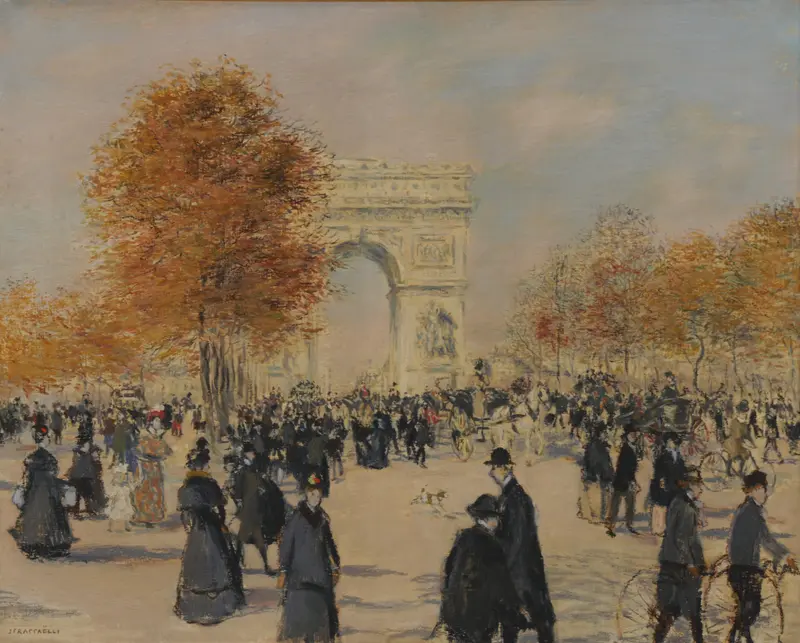
Les Champs-Élysées
Jean François Raffaëlli
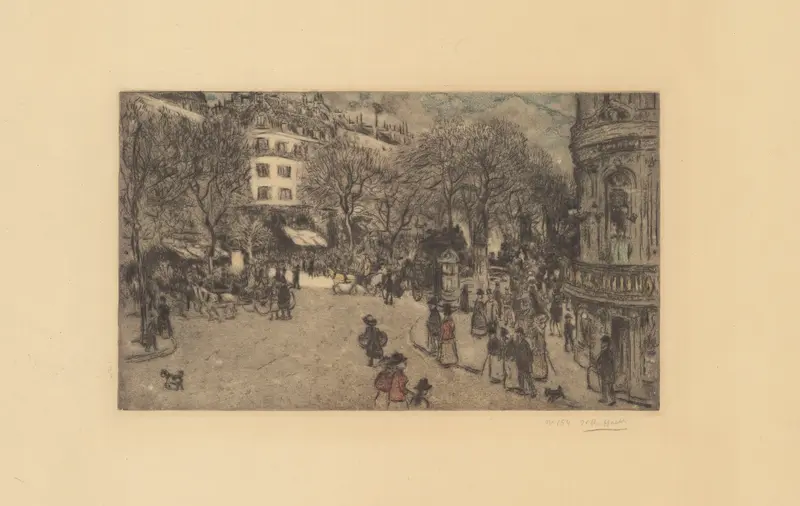
Le boulevard des Italiens
Jean François Raffaëlli
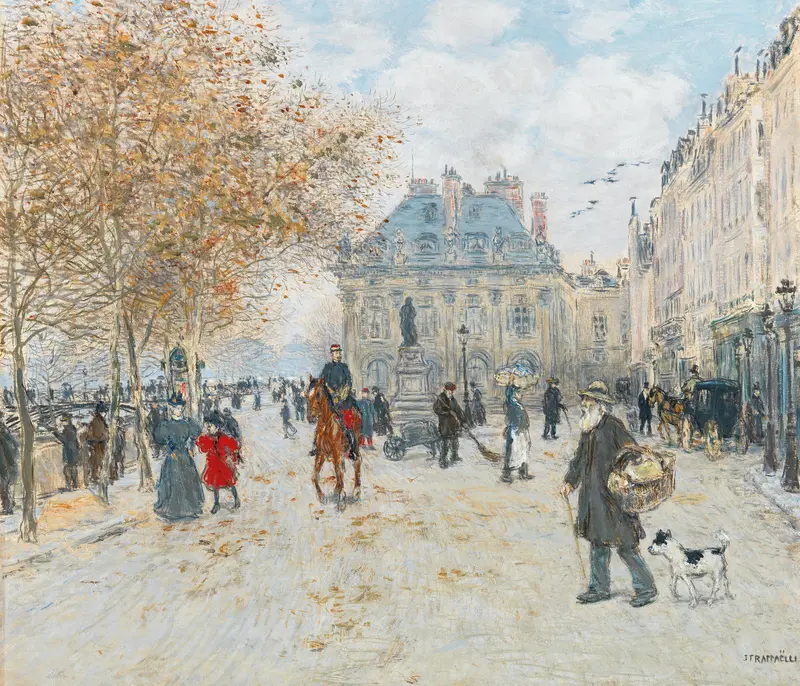
The Quai Malaquais, Paris
Jean François Raffaëlli