Nudes in Studio — History & Facts
A jolt of electric blue slices through the cramped studio, setting the stage for a scene that feels both private and theatrical. In Nudes in Studio, Ernst Ludwig Kirchner arranges his figures with a raw immediacy, their bodies outlined in jagged, urgent strokes. The women’s gestures are caught between conversation and contemplation, their limbs angular, their gazes uncertain—each a puzzle piece in a composition that refuses to settle.
The eye is drawn from the warm, restless reds beneath the seated figure to the cool shadows that carve out space behind them, while the patterned backdrop hints at the artist’s own bohemian world. The palette is not gentle: it is confrontational, demanding the viewer’s attention, refusing to let the gaze drift or rest. Painted in 1912, this work stands at the heart of the Expressionist movement, when artists like Kirchner sought to break free from academic tradition and capture the pulse of modern life. Studios became laboratories for new ways of seeing, and the nude—once a symbol of ideal beauty—was reimagined as a site of psychological tension and social change.
In these years, Berlin was a city in flux, its artists restless, its boundaries shifting. Little is recorded about the specific journey of this painting, now viewable in high detail through the Google Cultural Institute, but its energy is unmistakable: a testament to a moment when art was remade in the image of a fractured, exhilarating new world. The longer you look, the more the studio’s charged air seems to vibrate from the canvas.
More Artworks by Ernst Ludwig Kirchner
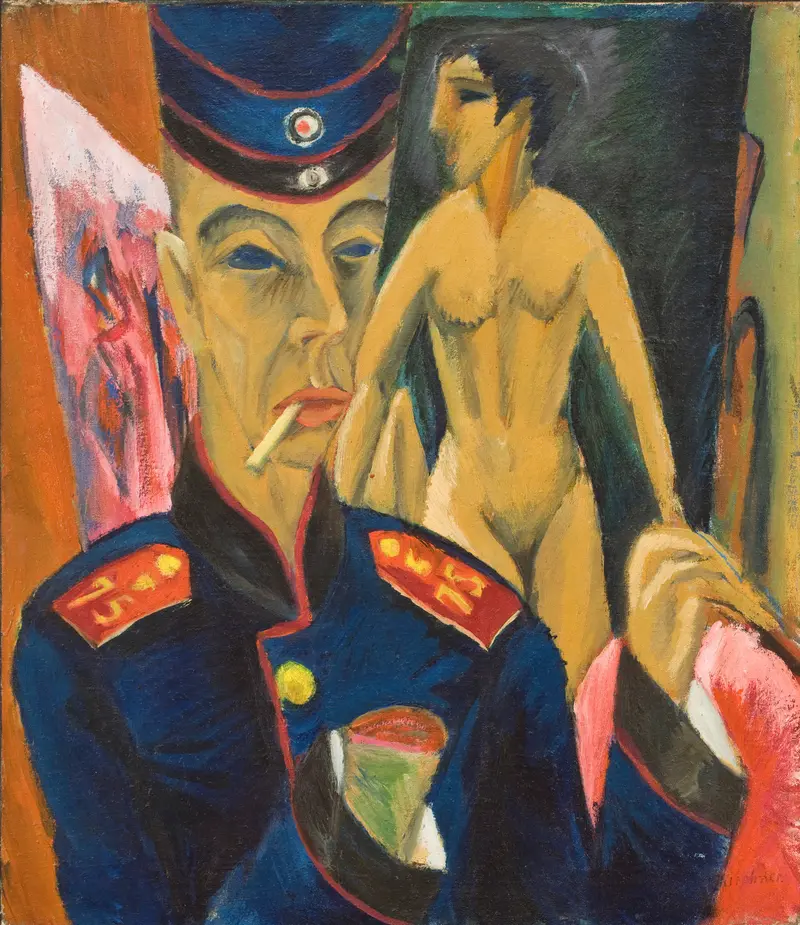
Self-Portrait as a Soldier
Ernst Ludwig Kirchner
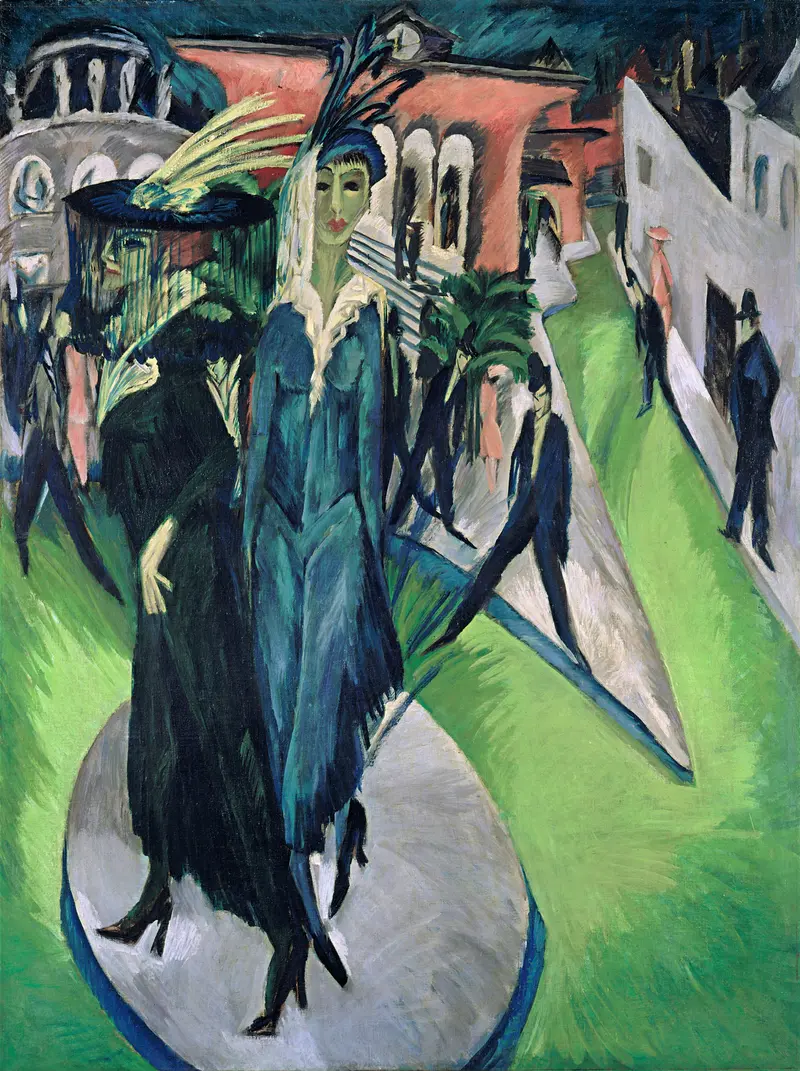
Potsdamer Platz
Ernst Ludwig Kirchner

Alphütten und Tinzenhorn
Ernst Ludwig Kirchner
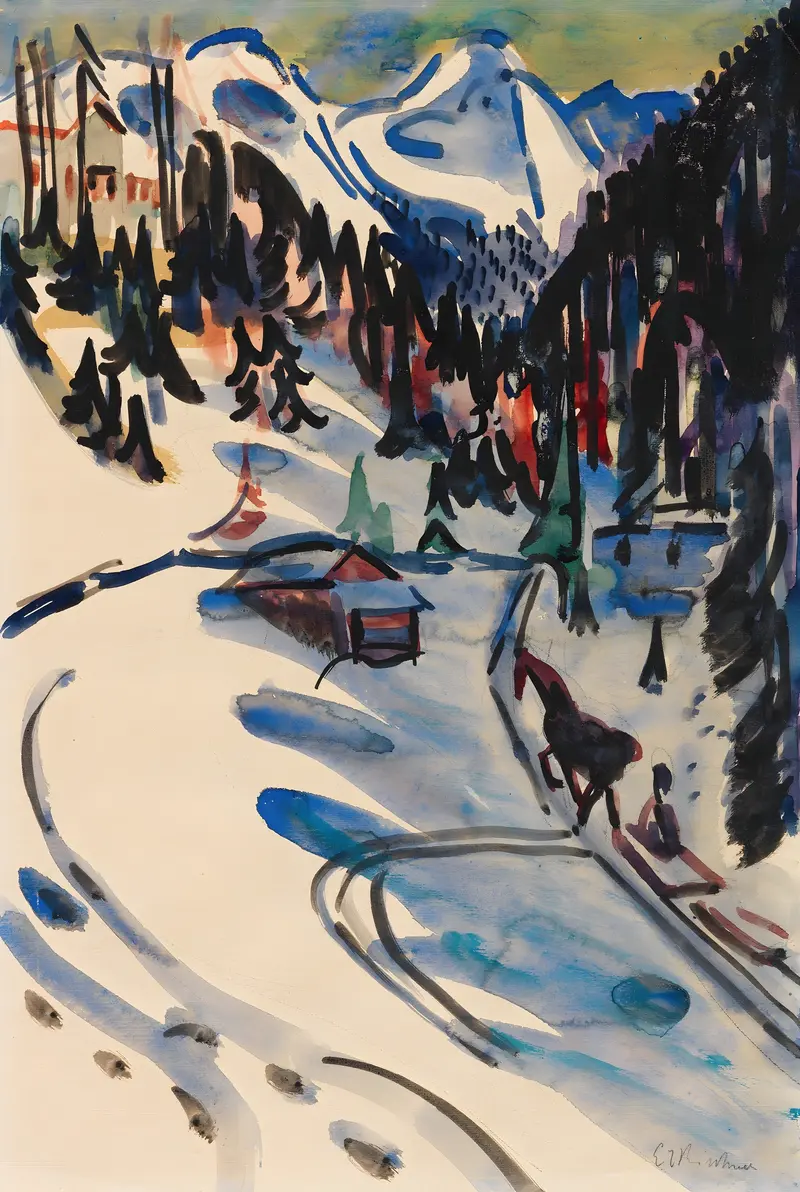
Sertigtal im Winter
Ernst Ludwig Kirchner
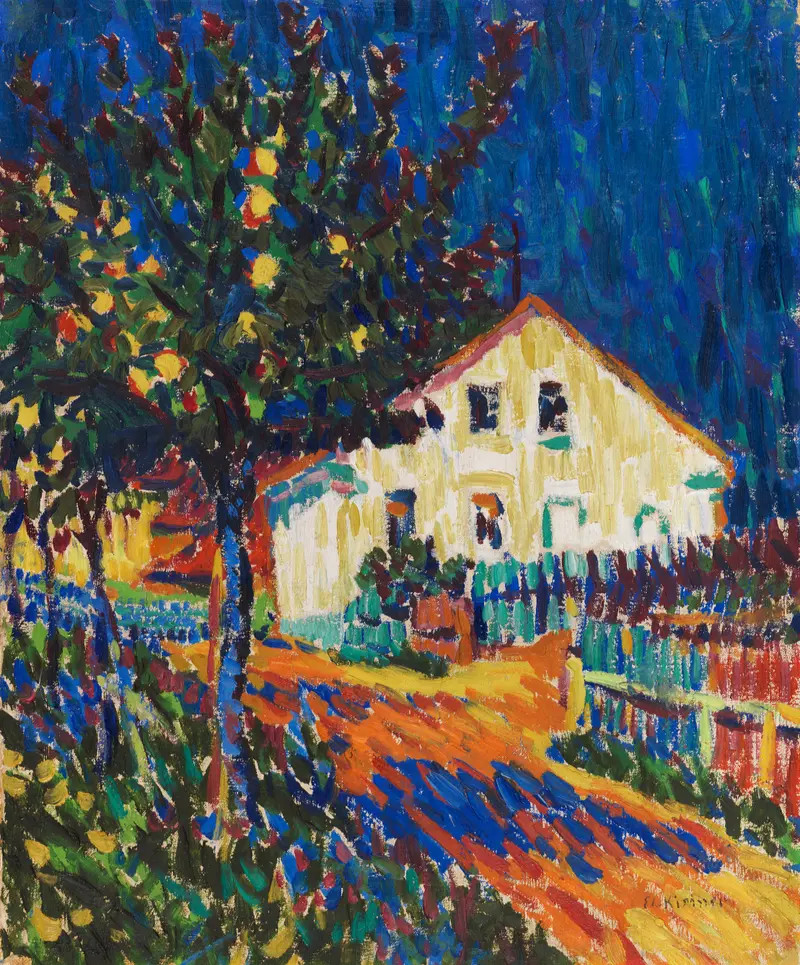
Dorfstraße mit Apfelbäumen
Ernst Ludwig Kirchner
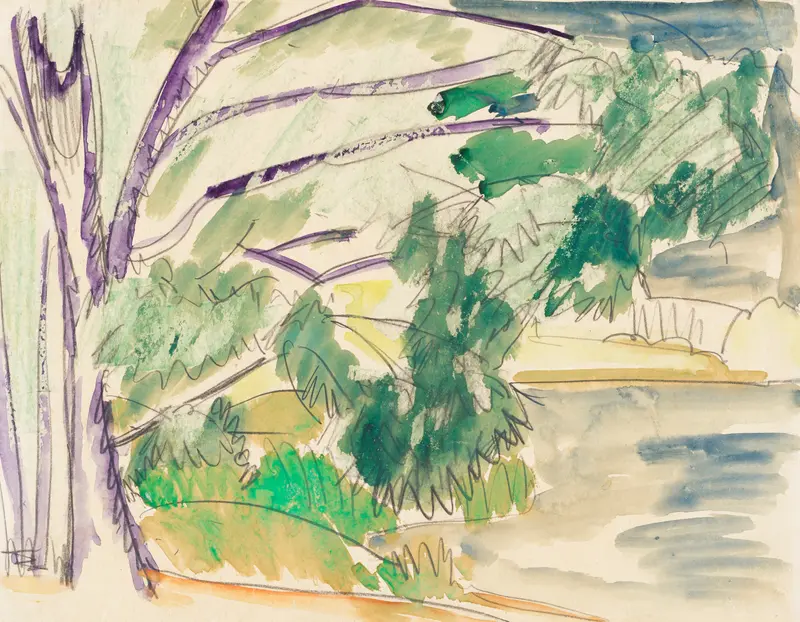
Unter Bäumen am See
Ernst Ludwig Kirchner
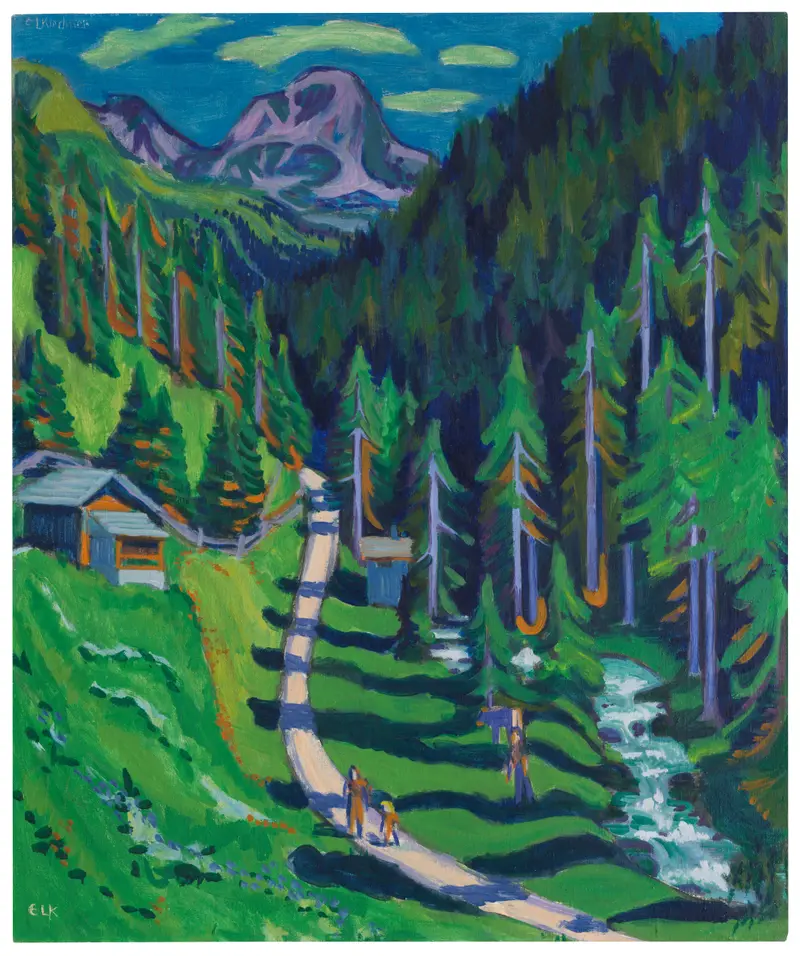
Sertigweg
Ernst Ludwig Kirchner
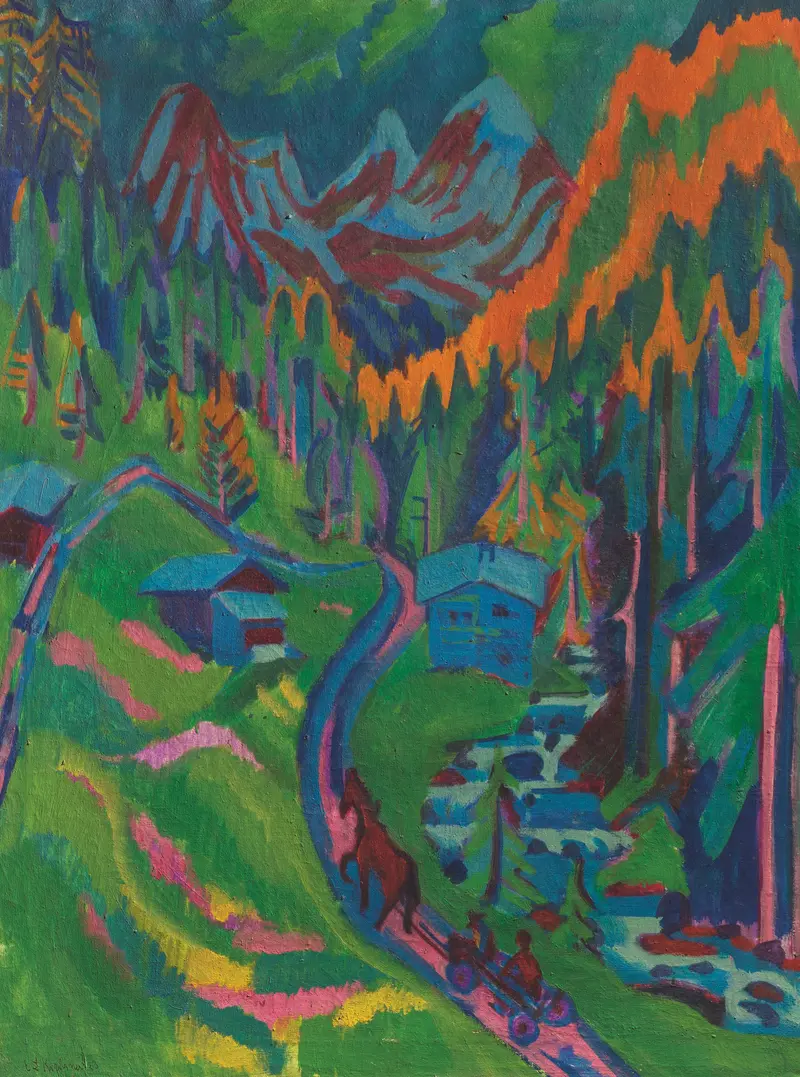
Sertigweg im Sommer
Ernst Ludwig Kirchner
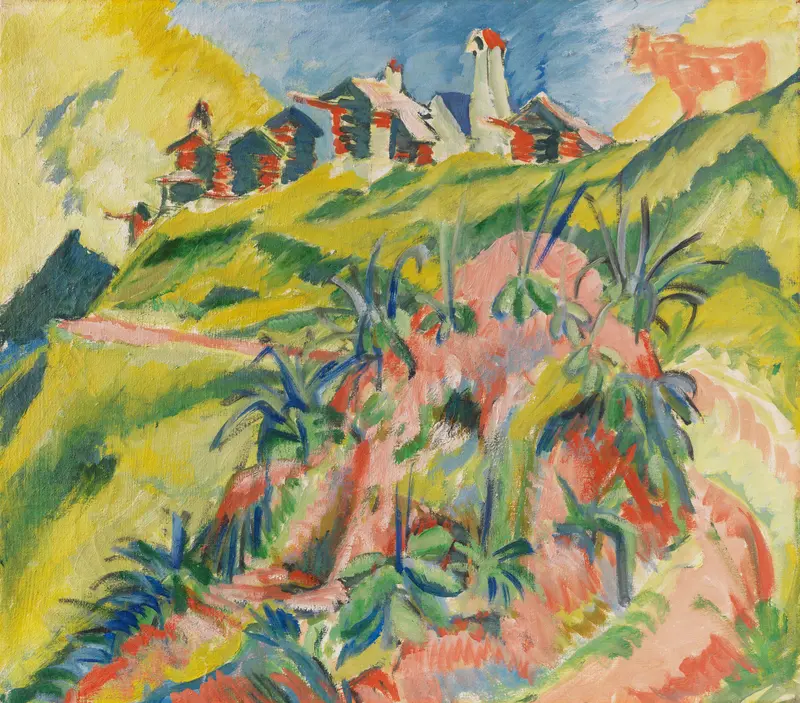
Bergdorf mit rosa Kuh
Ernst Ludwig Kirchner
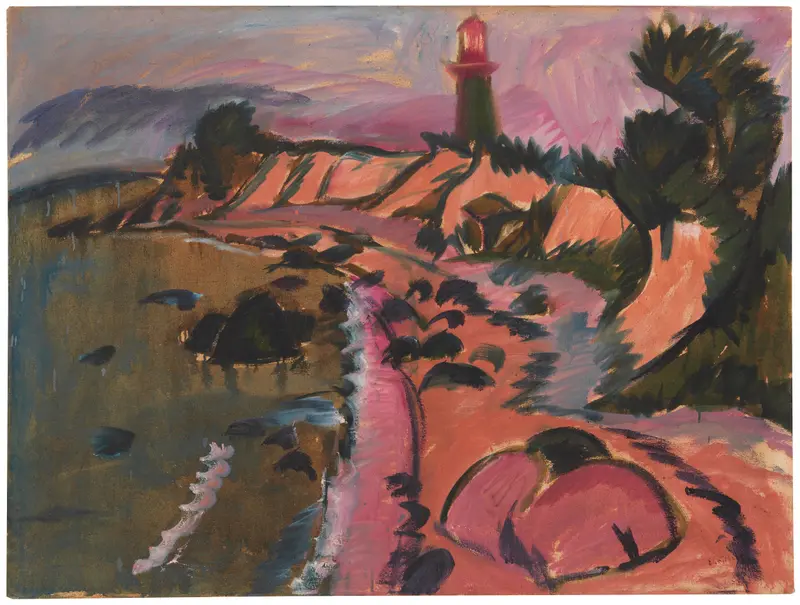
Fehmarnküste mit Leuchtturm
Ernst Ludwig Kirchner