
Nymphéas — History & Facts
Where does light end, and longing begin? In Nymphéas, a tranquil expanse of water evokes a serene silence that invites deep reflection and emotional resonance. Look to the center, where the shimmering surface reflects a delicate tapestry of lilypads and blossoms, each stroke of paint capturing the rhythm of nature. Notice how the light falls upon the water, casting a soft glow that dances with hues of green and blue, creating an ethereal atmosphere. The brushwork is both fluid and deliberate, leading the eye to explore the harmonious interplay of color and form, inviting a sense of peace amidst the apparent stillness. Yet, beneath this tranquil surface lies an undercurrent of emotion.
The juxtaposition of vibrant flowers against the calm water subtly represents the tension between beauty and transience, evoking a longing that transcends the moment. Each lilypad seems to float in a dreamlike state, hinting at the fleeting nature of life itself. This silence is laden with unspoken stories, suggesting both solitude and serenity, a poignant reminder of the fragile beauty found in stillness. Created between 1925 and 1930, this work belongs to a period when the artist was deeply influenced by the Impressionist movement’s exploration of light and color.
During this era, Montézin was living in France, amidst a burgeoning interest in capturing the ephemeral qualities of nature on canvas. His dedication to interpreting landscapes through a personal lens reflects the broader artistic shift towards emotive and subjective experiences in art, striving to harmonize the external world with internal feelings.
More Artworks by Pierre-Eugène Montézin
Browse all →
Chaumières aux fenêtres et volets tourquoises
Pierre-Eugène Montézin

Quai à Saint-Mammes
Pierre-Eugène Montézin
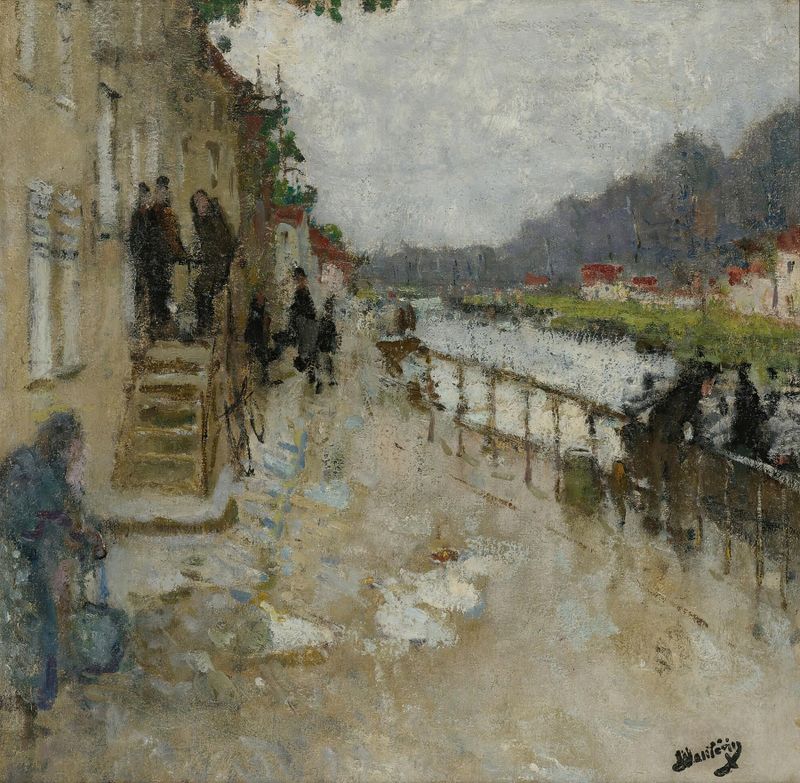
Bord De Canal À Saint-Mammès
Pierre-Eugène Montézin
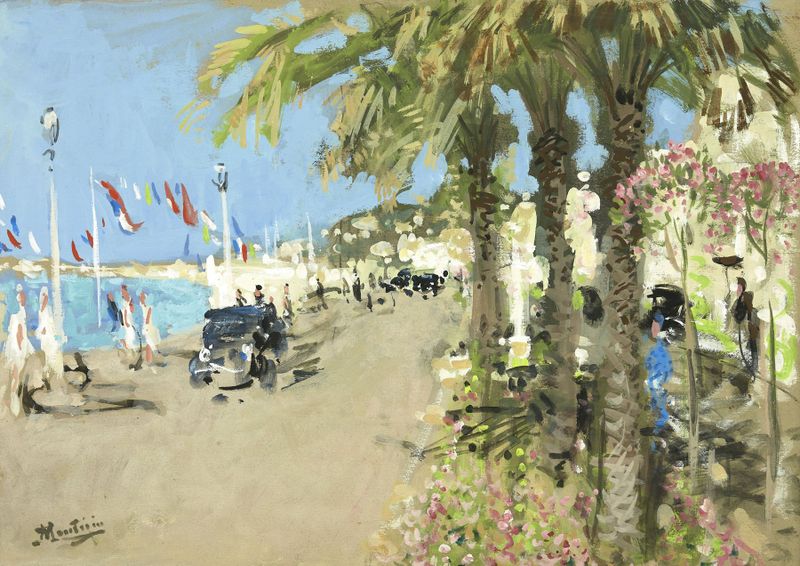
La promenade des Anglais, Nice
Pierre-Eugène Montézin
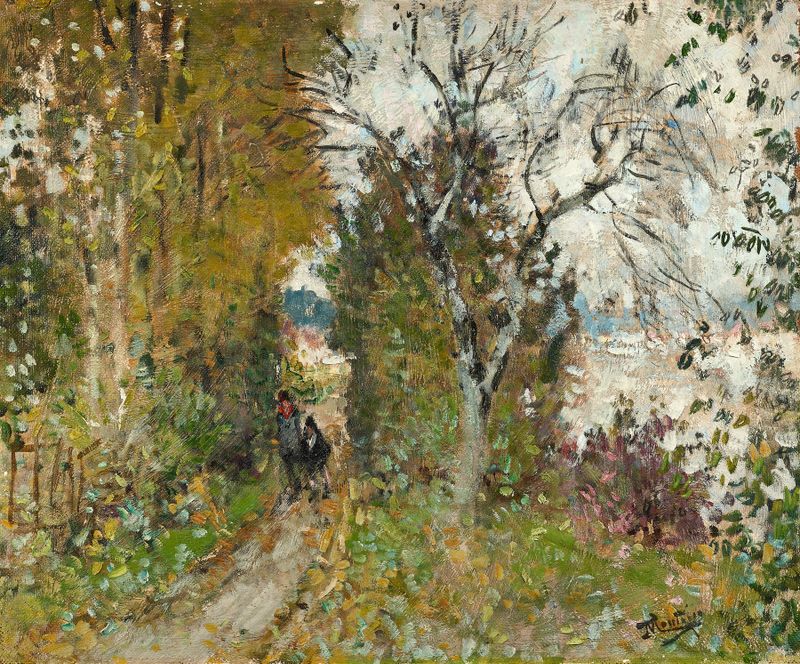
Promenade au bord de l’eau
Pierre-Eugène Montézin

Verger en fleurs
Pierre-Eugène Montézin

Misy Sur Yonne
Pierre-Eugène Montézin
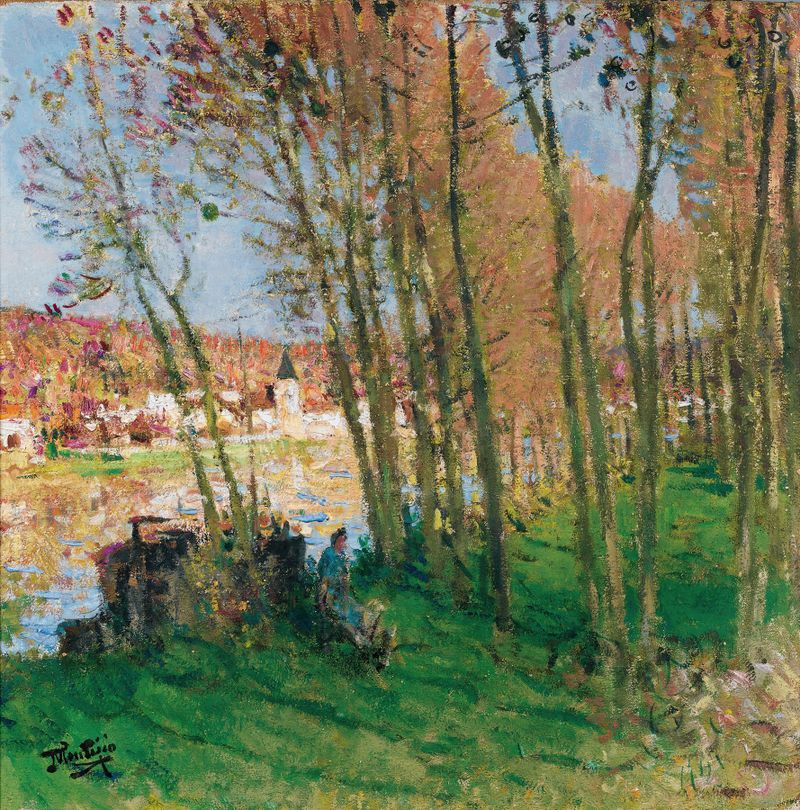
Bord De L’eau
Pierre-Eugène Montézin

La Seine à St. Monance
Pierre-Eugène Montézin

L’entrée Du Village
Pierre-Eugène Montézin





