Nymphéas (fragment) — History & Facts
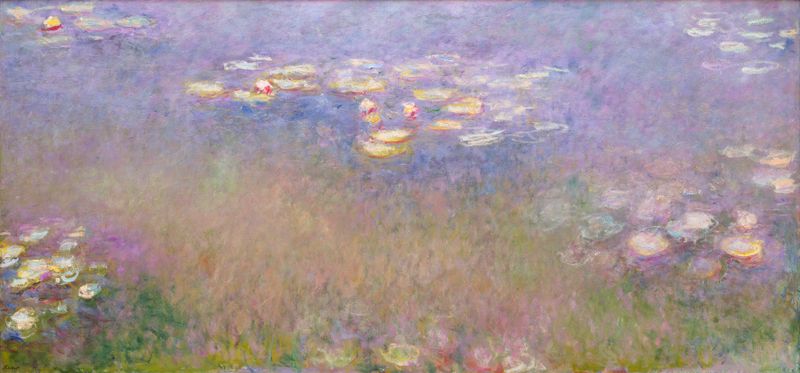
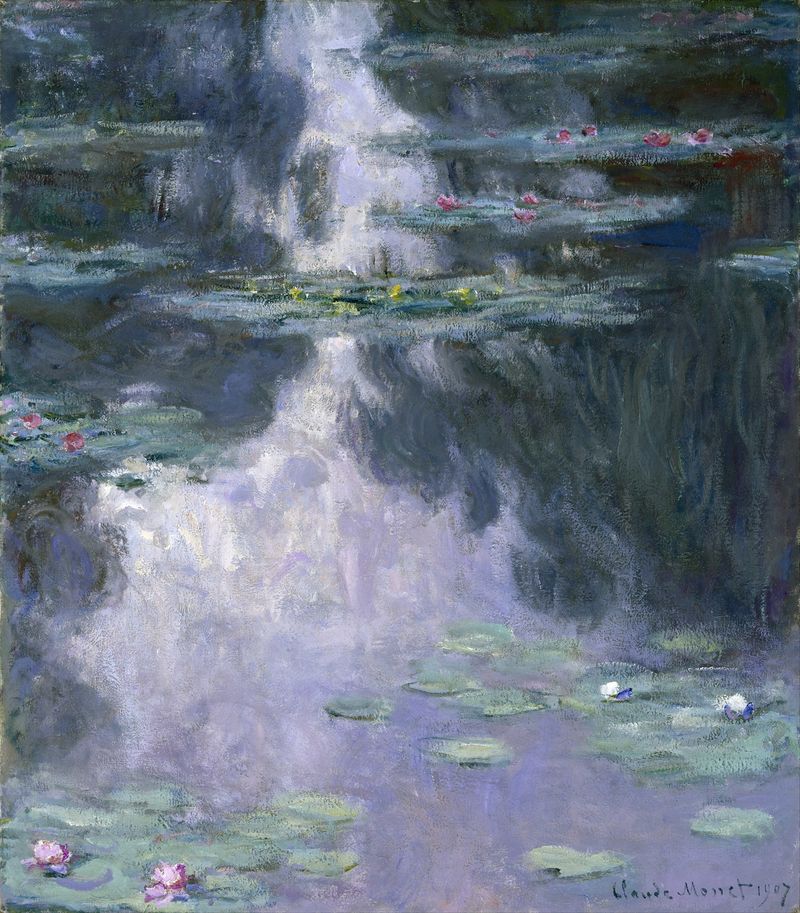
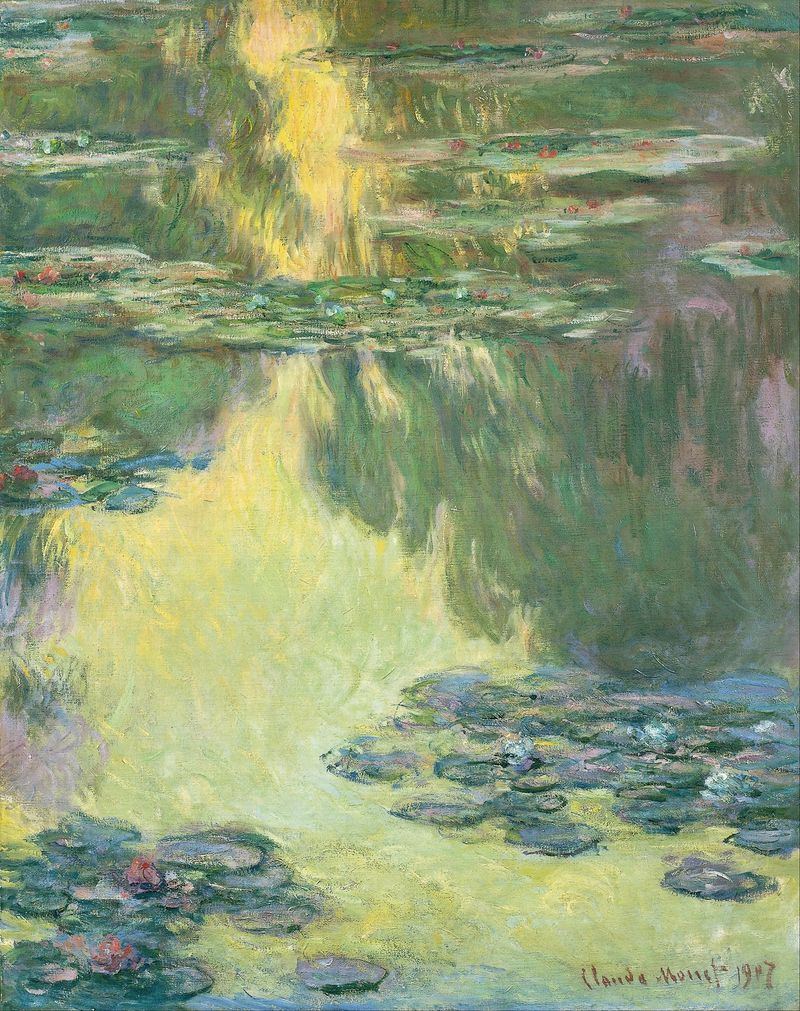
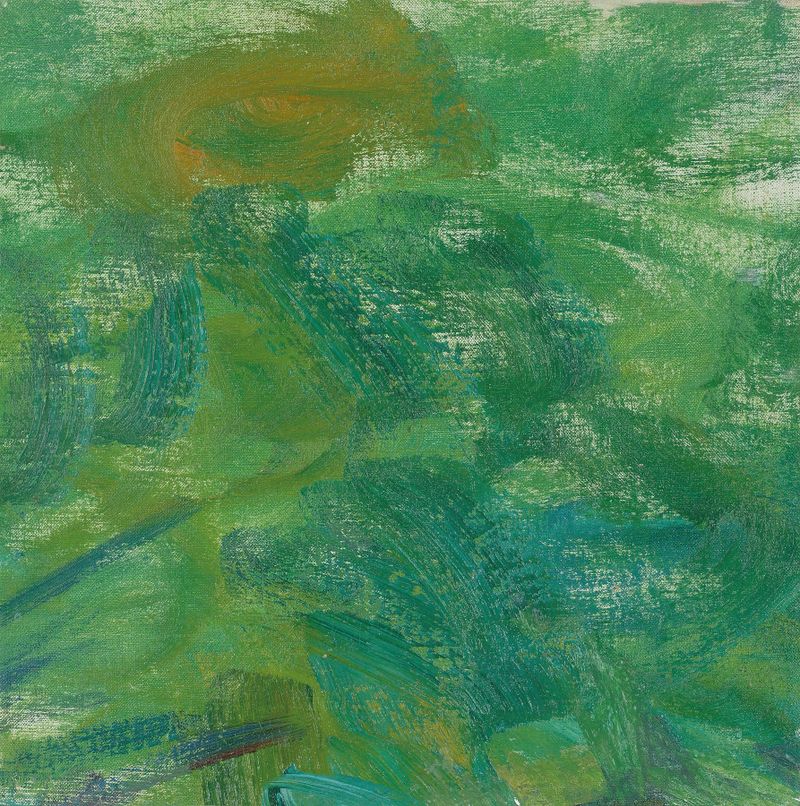
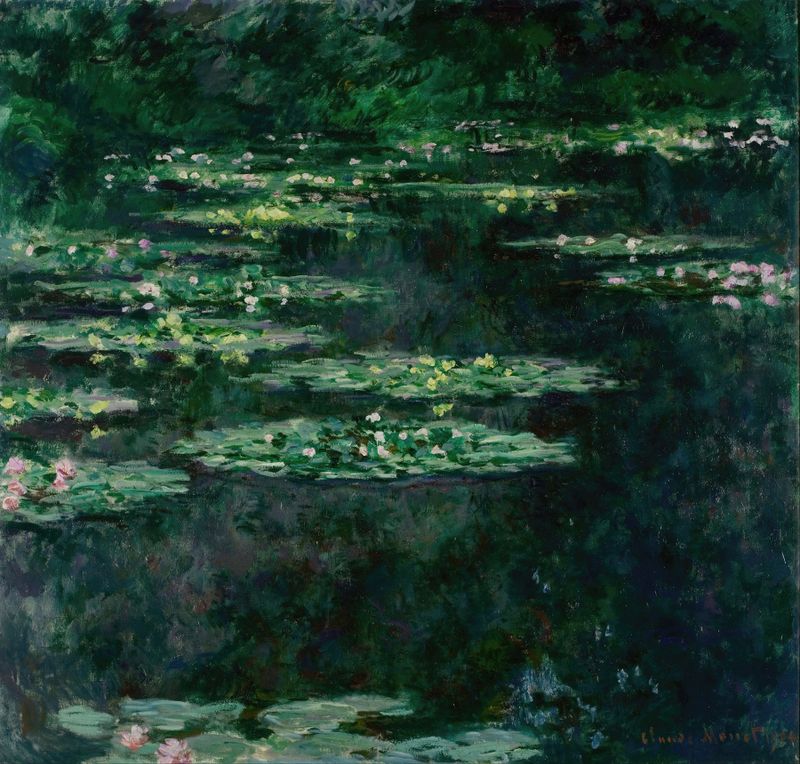
What secret hides in the quiet of the canvas? The stillness of Nymphéas (fragment) invites a sense of awakening, a gentle stirring just beneath the surface of its tranquil waters. Look to the center of the composition where soft, diffused blues and greens meld together, creating an almost dreamlike reflection of the sky above. Notice how the lilies, floating delicately on the water, punctuate this serene landscape with bursts of white and pink, their petals blurring into the surrounding hues. The brush strokes are fluid, each one a whisper of the artist's hand, capturing the transient beauty of nature while evoking a sense of calm vulnerability in the viewer. Delve deeper and you’ll uncover the tension between solitude and vitality, as the scene breathes both peace and an undercurrent of life.
The interplay of light and shadow suggests a world teetering between stillness and motion, a metaphor for the fleeting moments of existence. This fragment speaks of nature's elusive beauty, a reminder that even in quietness, there lies an awakening — the promise of rebirth and renewal. In 1912, Monet was deeply immersed in his water lily series, painting at his garden in Giverny, France. This period marked a pivotal moment in his career as he sought to express the essence of light and atmosphere through color and form.
In the post-Impressionist world, he was a pioneer exploring abstraction, drawing on his personal experiences and the evolving art movements around him.