Discover insights about this artwork
Nymphe De Fontaine — History & Facts
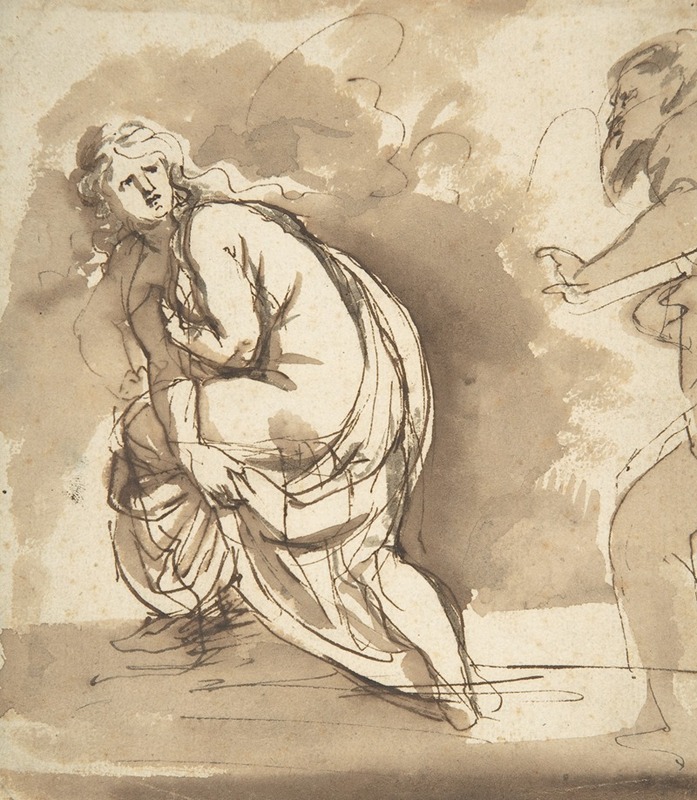
In Nymphe De Fontaine, Jean-Antoine Watteau presents a serene scene filled with soft colors. The painting features a delicate nymph, adorned in flowing garments, standing gracefully by a fountain. Surrounding her are lush greenery and gentle water flows, creating a tranquil atmosphere.
The overall palette consists of pastel shades, enhancing the dreamlike quality of the composition. The painting is executed in oil on canvas, showcasing Watteau's signature brushwork. Viewers can observe the intricate details in the nymph's attire and the natural elements surrounding her. The use of light and shadow adds depth, emphasizing the three-dimensionality of the figures.
This work exemplifies the Rococo style, characterized by its ornate and playful elements. Jean-Antoine Watteau was a prominent figure in the Rococo movement, known for his depictions of romantic and theatrical subjects. Nymphe De Fontaine reflects his fascination with the themes of love and nature. An interesting fact about this work is that it captures the essence of the French aristocracy's leisure activities in the early 18th century.
Watteau's ability to blend reality with fantasy is evident in this enchanting piece.
More Artworks by Jean-Antoine Watteau
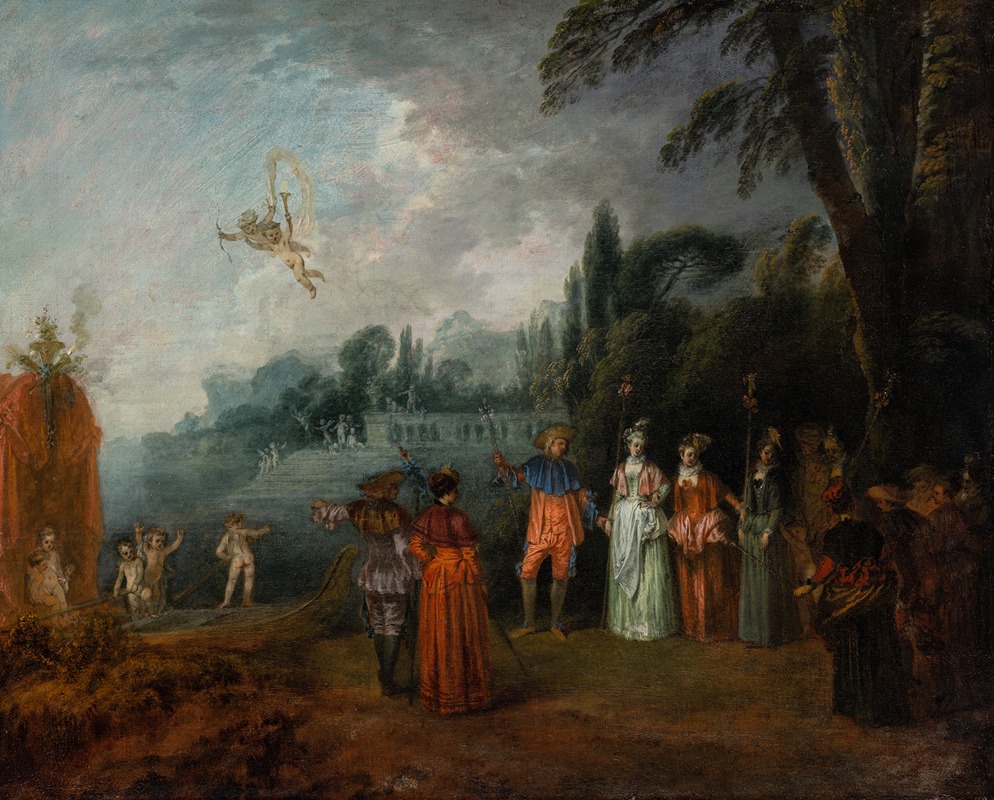
The Embarkation for Cythera
Jean-Antoine Watteau
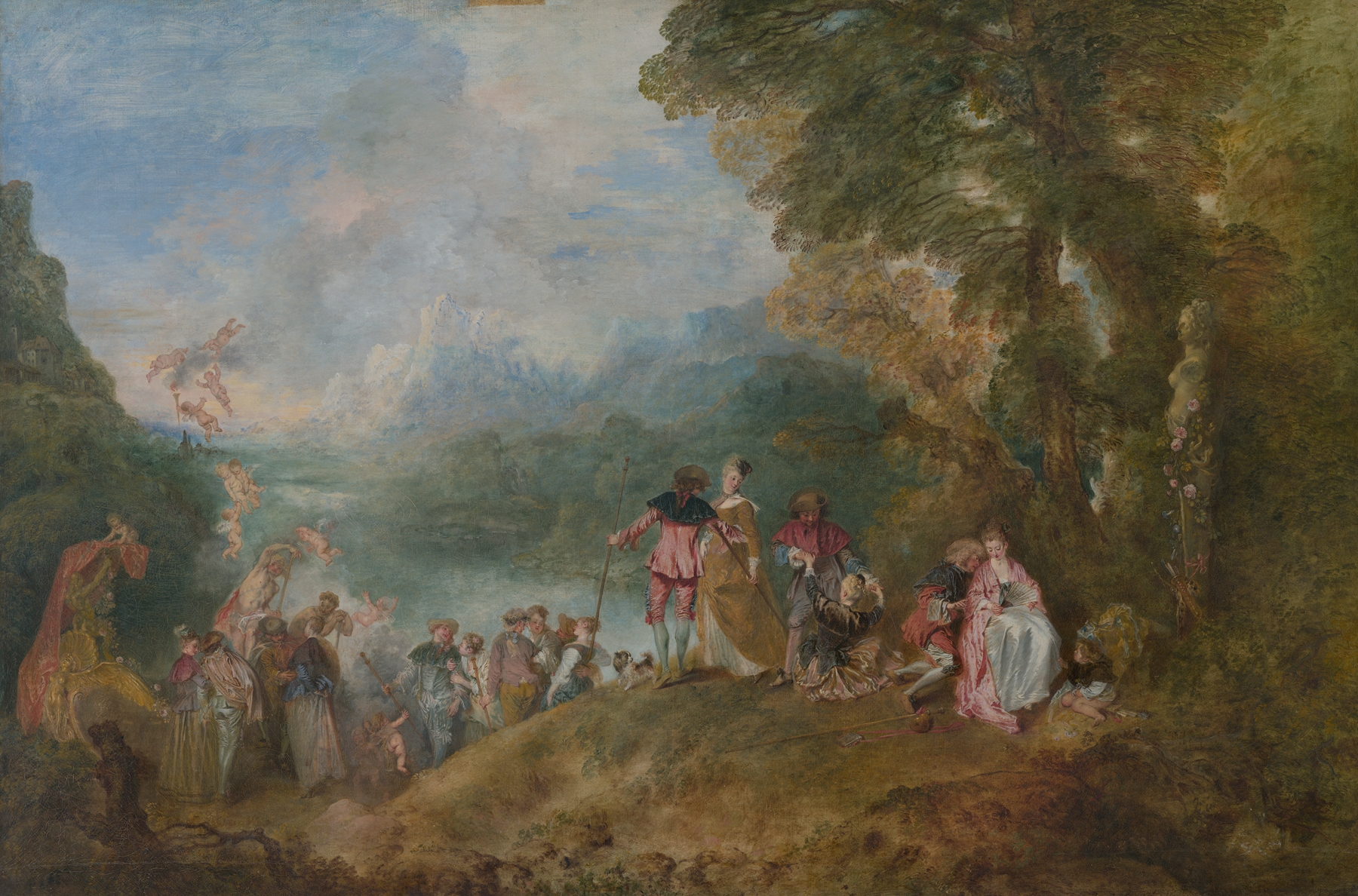
L’Embarquement pour Cythere
Jean-Antoine Watteau
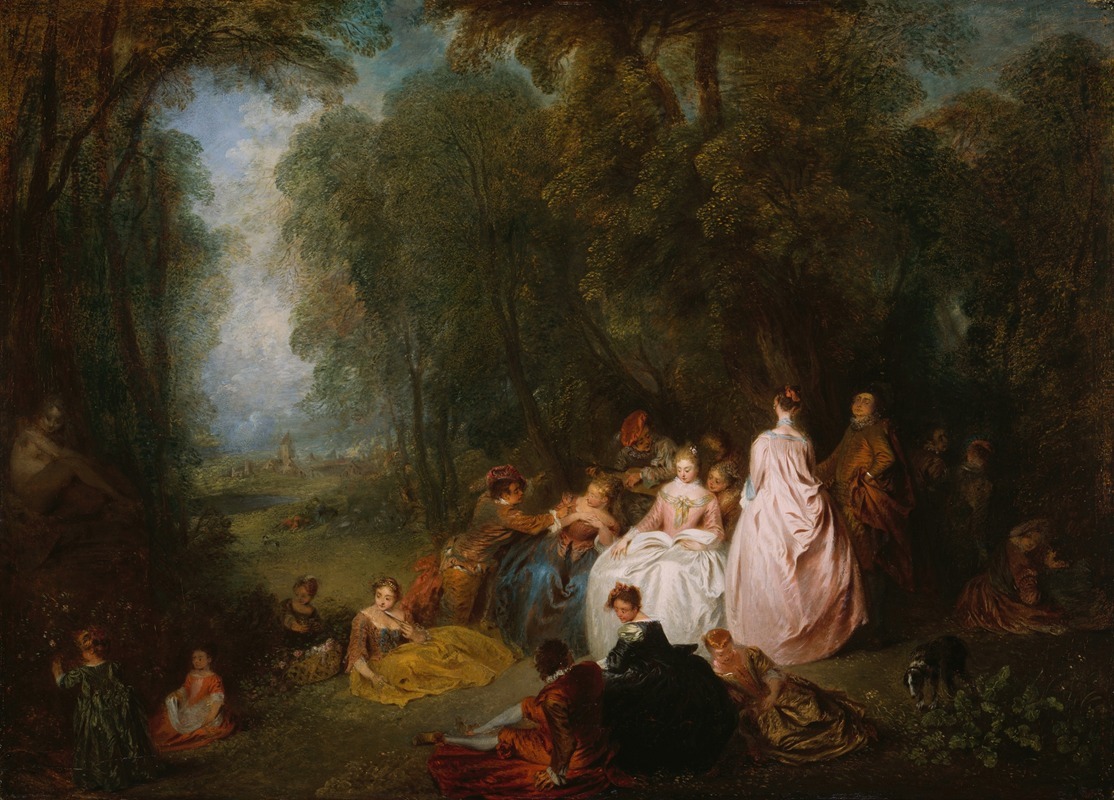
Fête champêtre (Pastoral Gathering)
Jean-Antoine Watteau

The Clothes are Italian
Jean-Antoine Watteau
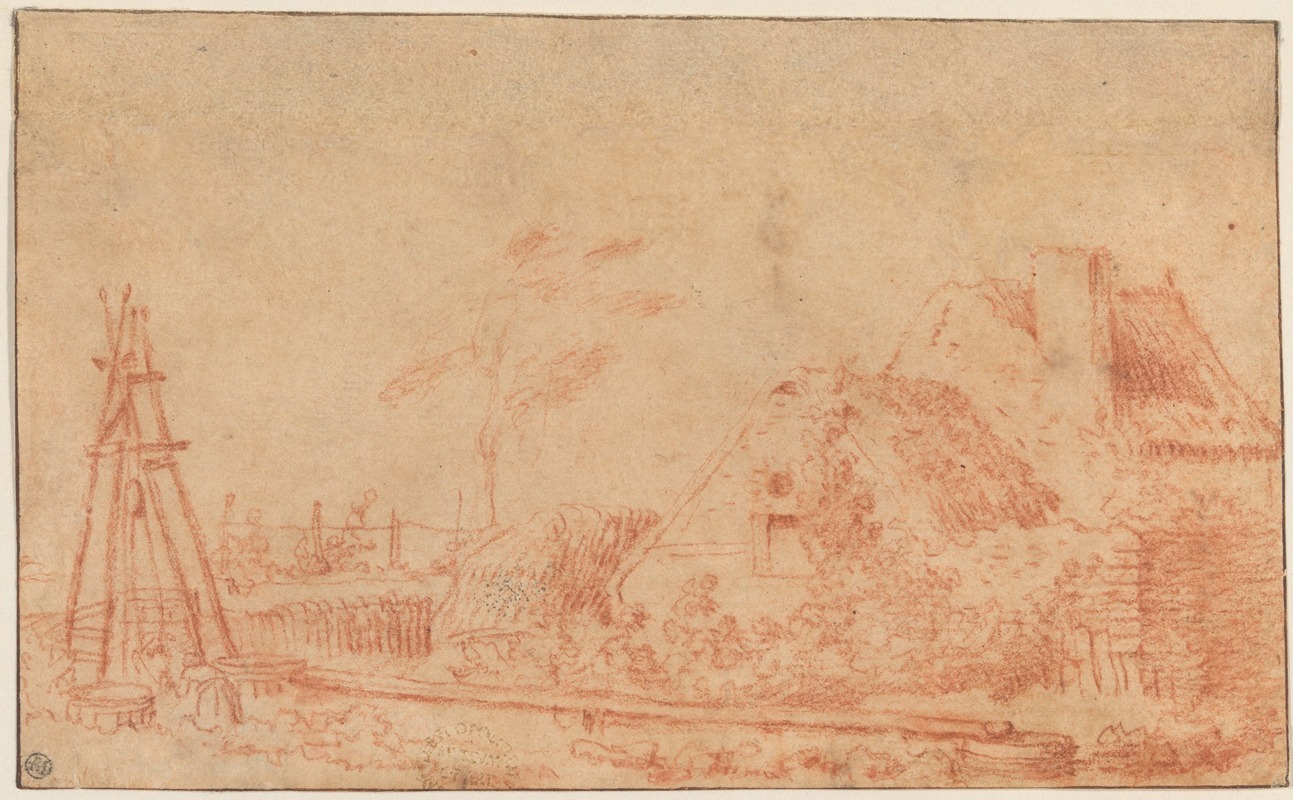
Landscape with a Cottage and Well
Jean-Antoine Watteau
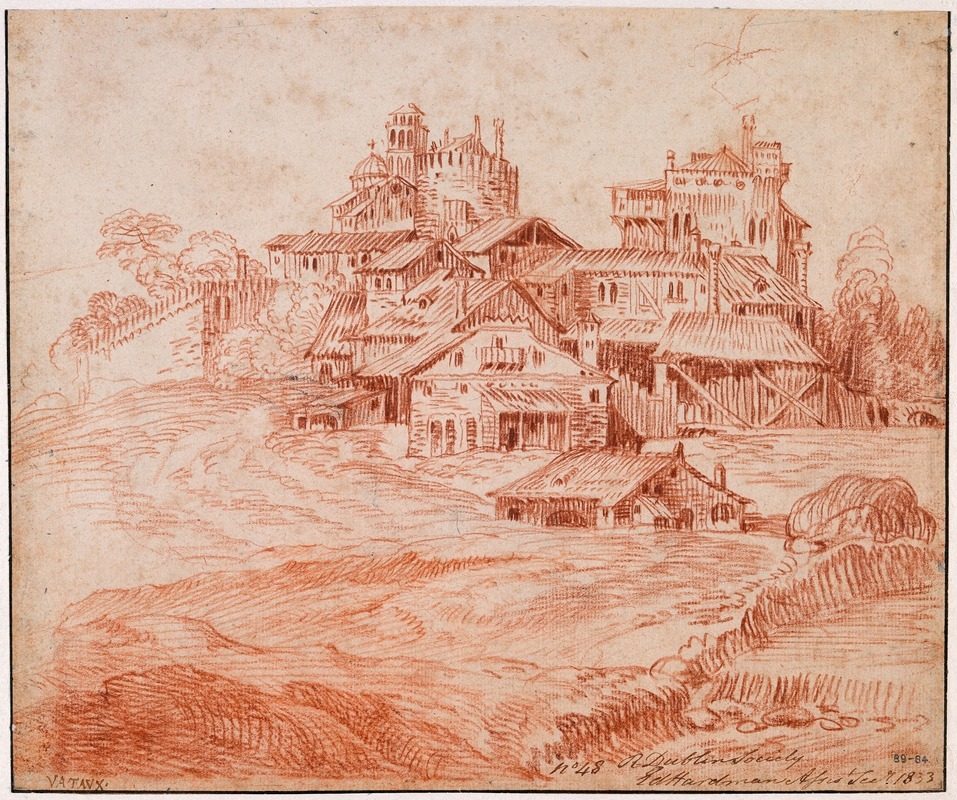
Fortified Village with a Castle, Keep and a Church
Jean-Antoine Watteau

Gentilhomme debout tenant avec sa canne
Jean-Antoine Watteau

Fêtes Venitiennes
Jean-Antoine Watteau

Standing Girl; barefoot, lifting her skirt
Jean-Antoine Watteau
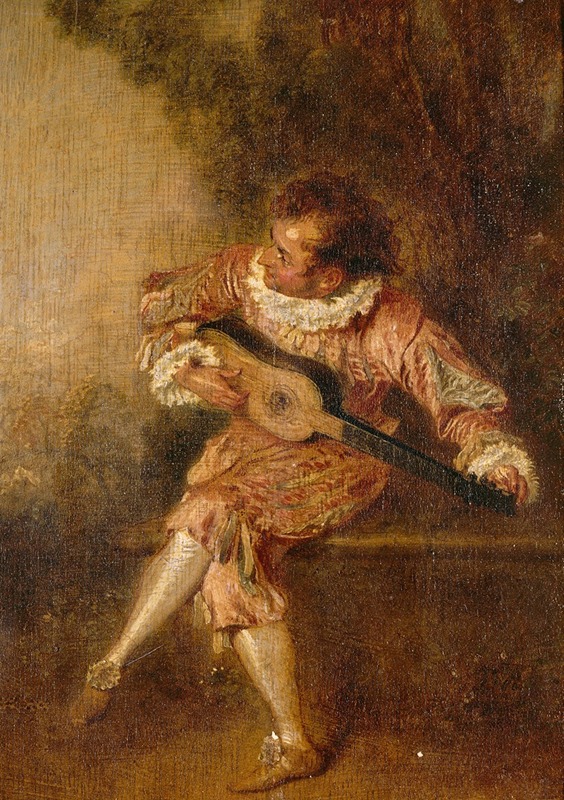
Le donneur de sérénades (Mezetin)
Jean-Antoine Watteau