Nyons — History & Facts
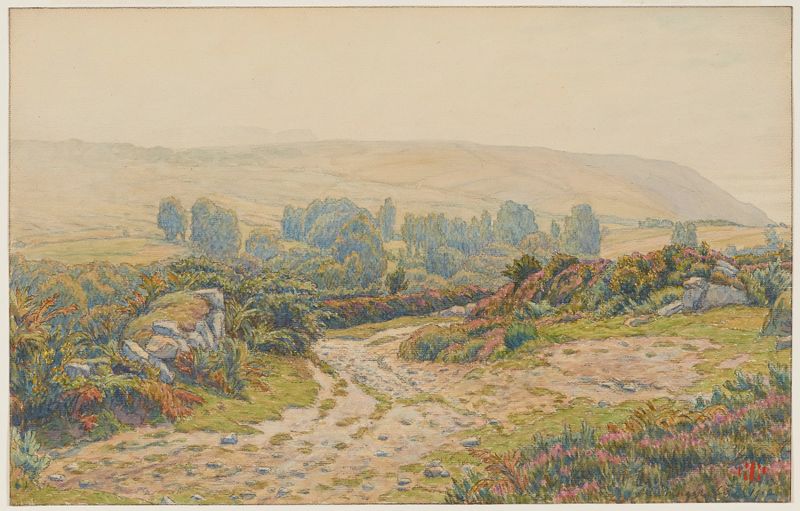
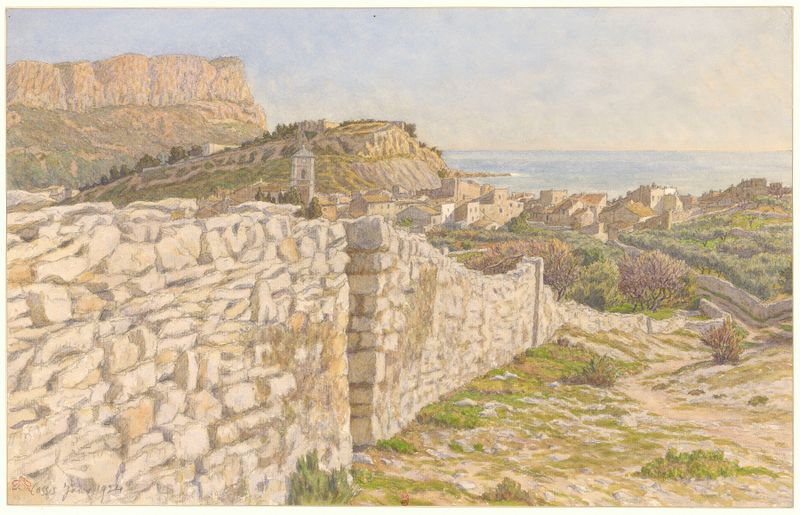
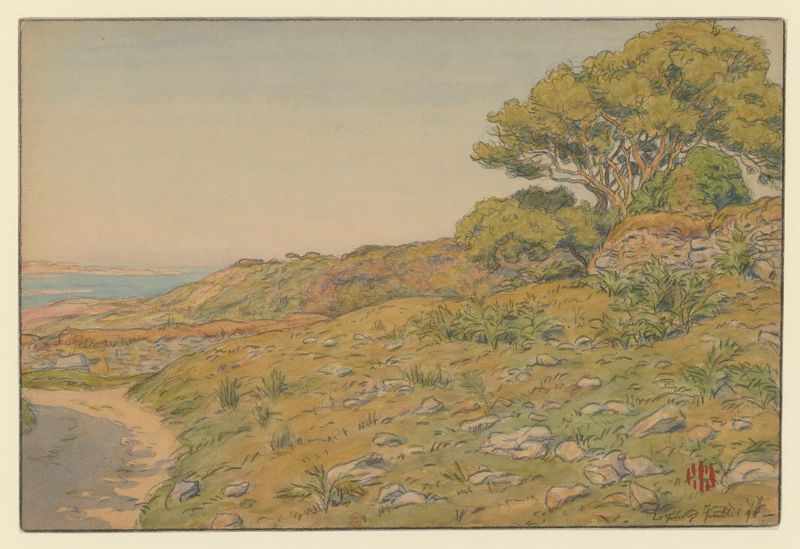
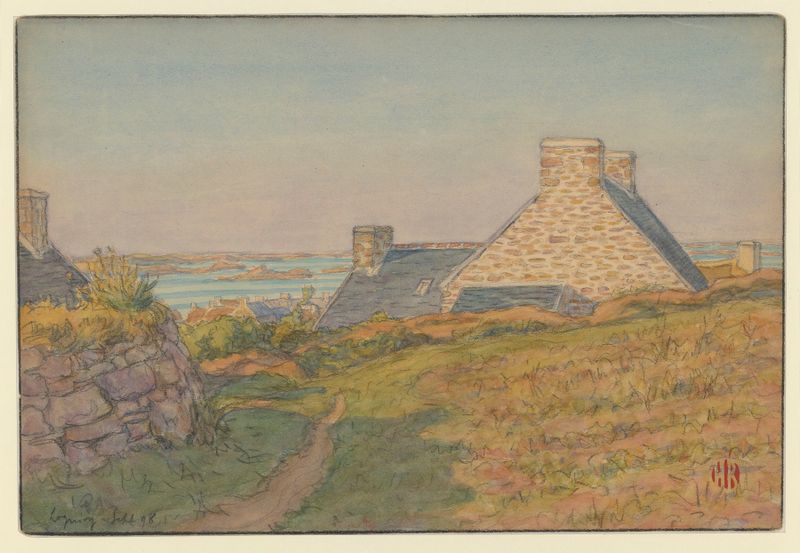
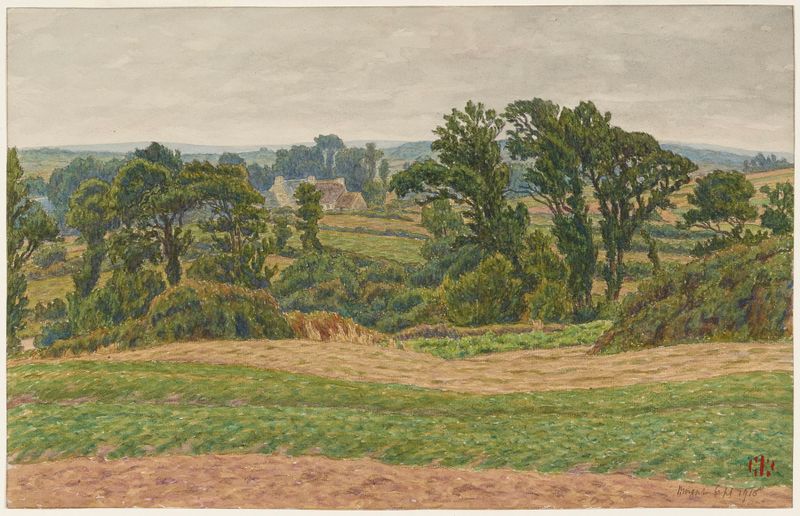
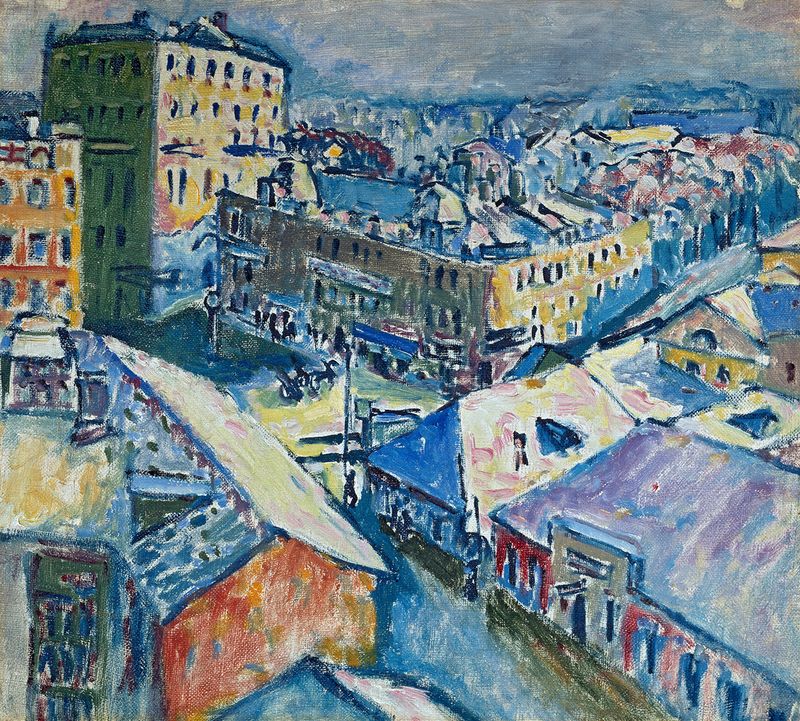
When did color learn to lie? In Nyons, vibrant hues twist through the canvas, inviting viewers to question the authenticity of their perception. The vivid interplay of warm oranges, soft blues, and deep greens creates an atmosphere that feels alive yet strangely distant, evoking an obsession with how reality can be both luminous and deceptive. Look to the left at the bold, sweeping strokes that form the undulating hills, their contours mimicking the rhythm of a forgotten melody. Notice how the light falls upon the rooftops, each gleam suggesting stories untold, secrets hidden in the shadows.
The carefully placed splashes of color not only define the landscape but also evoke an emotional resonance, pulling the viewer into a world that straddles the line between dream and reality. As you delve deeper, observe the tension between the serene foreground and the tumultuous sky. The conflict of calmness beneath an impending storm hints at an emotional duality—an obsession with beauty that clashes with the inevitable chaos of life. The colors become avatars of longing and despair, whispering tales of the artist's psyche and the complexities of existence, reminding us that every idyllic view carries traces of unease. Henri Rivière painted Nyons in 1939 during a time of personal turmoil and uncertainty in the world, as the shadow of impending war loomed over Europe.
Living in France, he grappled with the shifting trends of modern art while drawing inspiration from the landscapes around him. This period marked a deepening of his color theory and emotive landscapes, capturing the interplay of light and shadow as he sought to express the profound connection between nature and human emotion.