Nyons — History & Facts
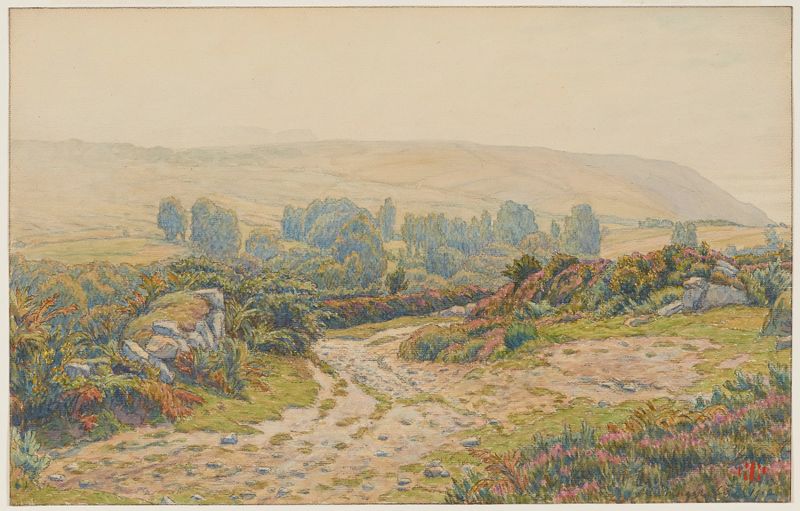
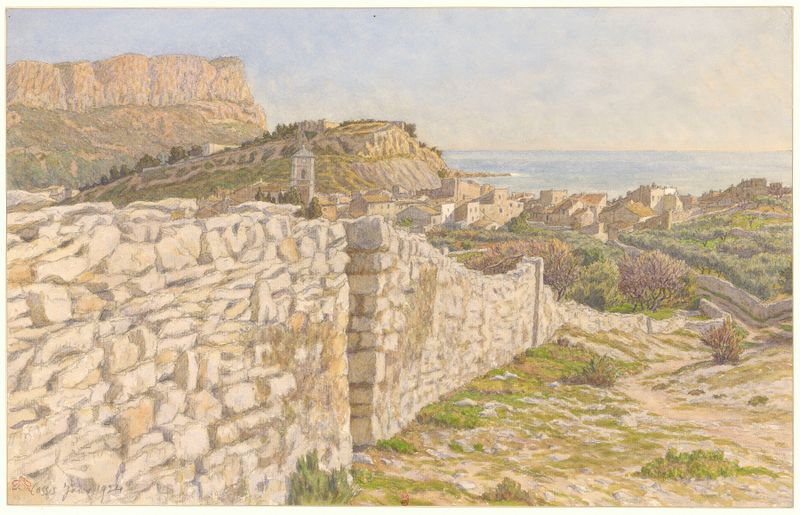
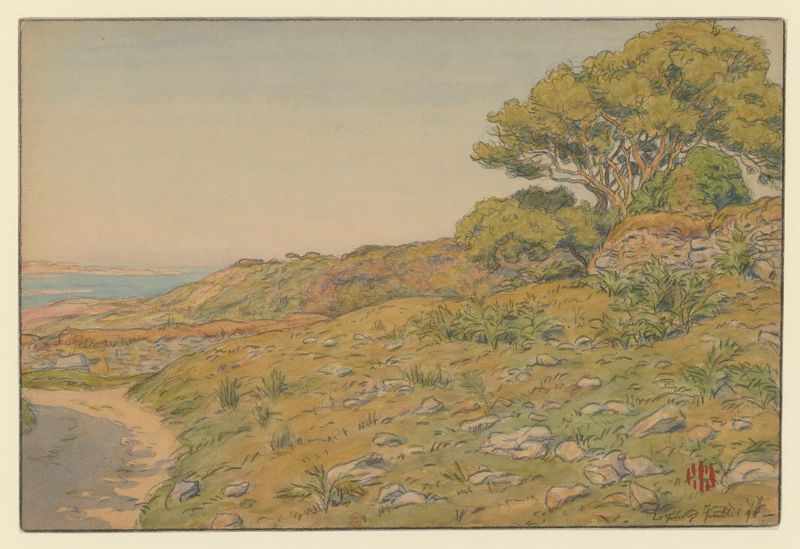
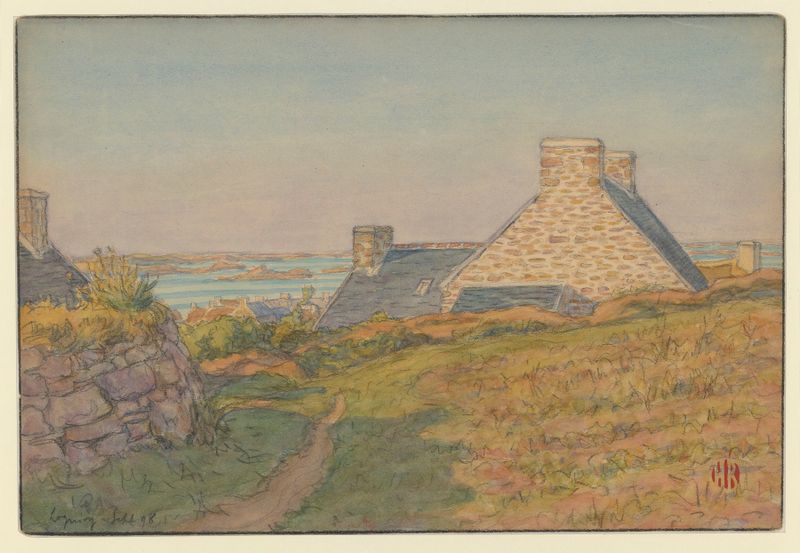
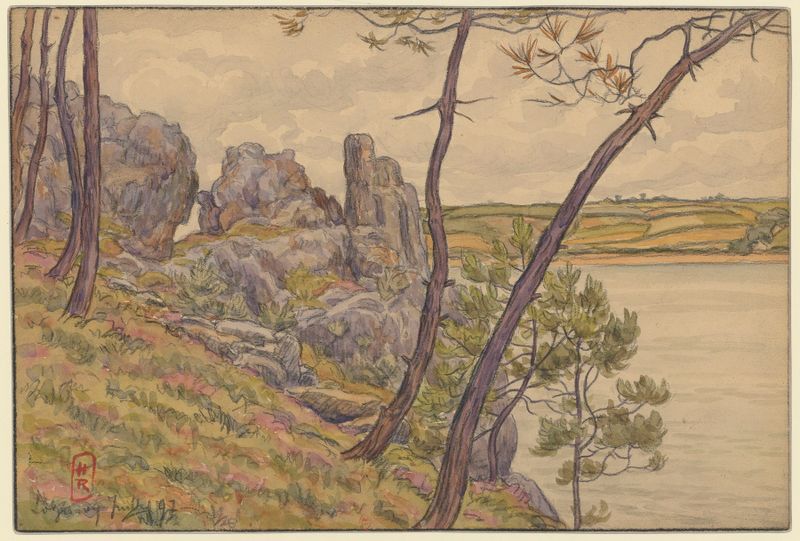
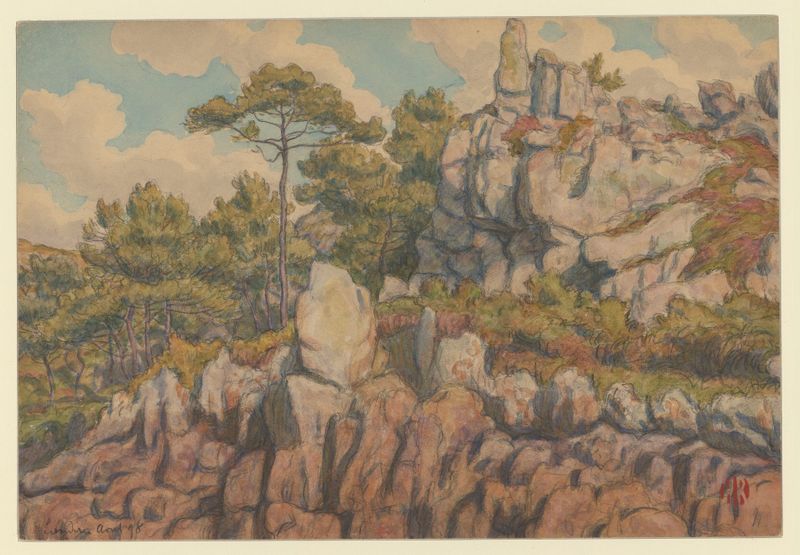
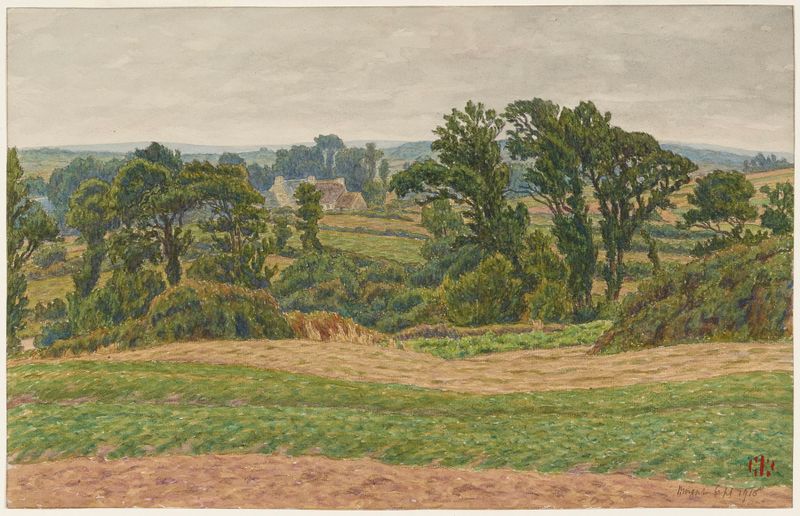
Could a single brushstroke hold eternity? In Nyons, the viewer is invited to step into a world where the subtleties of light and landscape intertwine, evoking a sense of awe that resonates throughout the canvas. Look to the foreground, where the delicate strokes of green and ochre merge seamlessly, forming the undulating hills of Provence. The sky, a symphony of blues and soft whites, draws your gaze upward, suggesting a vastness that echoes the boundless spirit of the region. Rivière’s technique, characterized by gentle blurring and dappled color, creates a dreamlike atmosphere that invites exploration and reflection. Within the composition, contrasts abound: the serenity of the landscape juxtaposed with the dynamic brushwork suggests a tension between stillness and movement.
Each stroke seems to pulse with life, while the harmonious color palette fosters an emotional warmth that radiates from the canvas. One can almost feel the whispers of the wind and the warmth of the sun, forging an intimate connection between the observer and the timeless essence of nature. In 1928, Rivière painted this evocative piece while living in France, a period marked by a burgeoning interest in fauvism and a return to nature after the turbulence of World War I. During this time, he aimed to capture the beauty of the countryside, reflecting not only his personal experiences but also the collective yearning for peace and serenity in the post-war landscape of European art.