Nyons — History & Facts
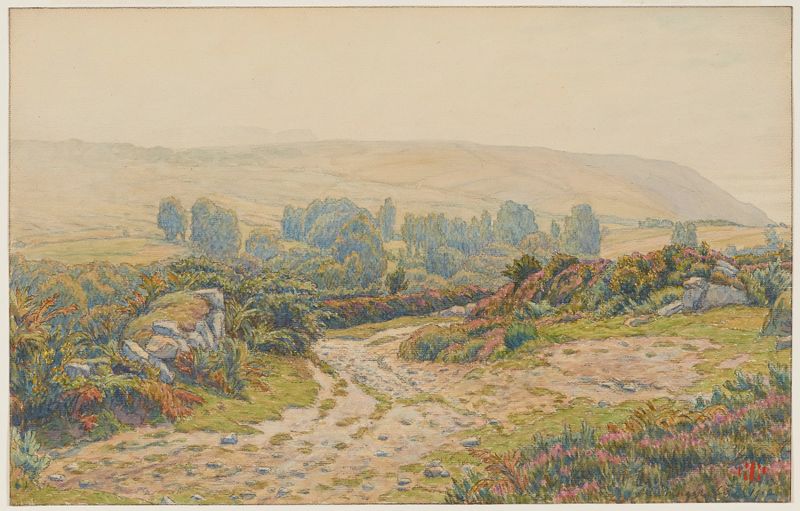
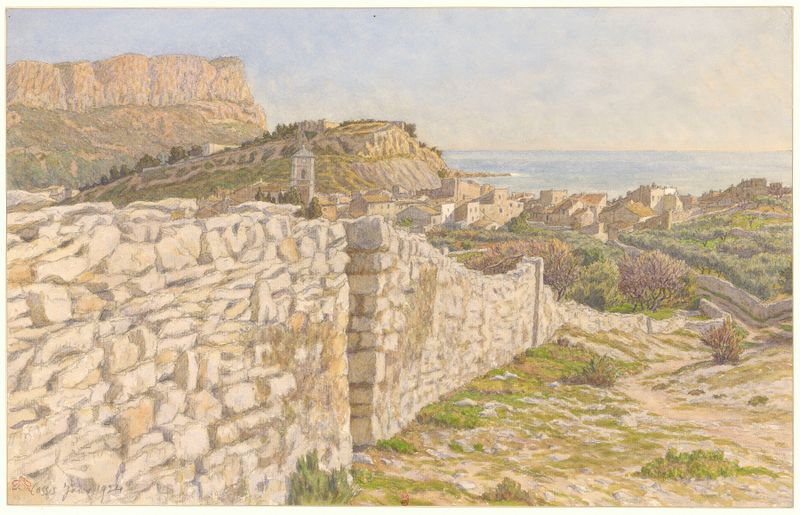
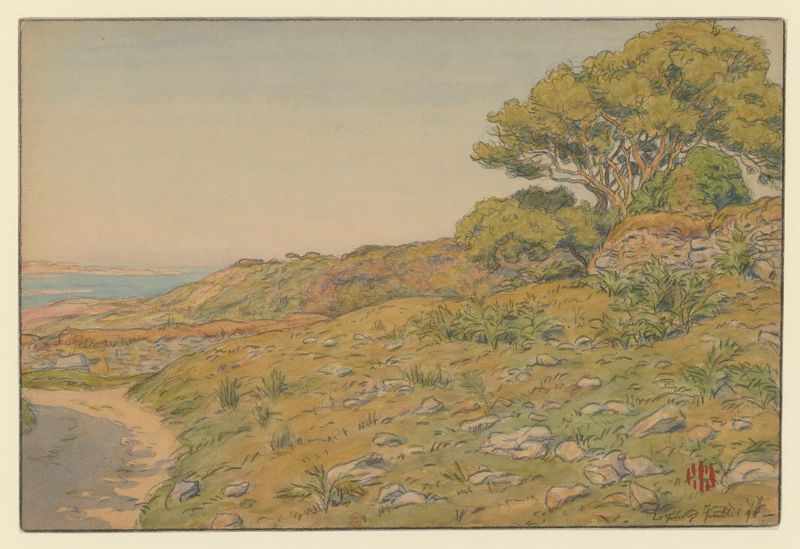
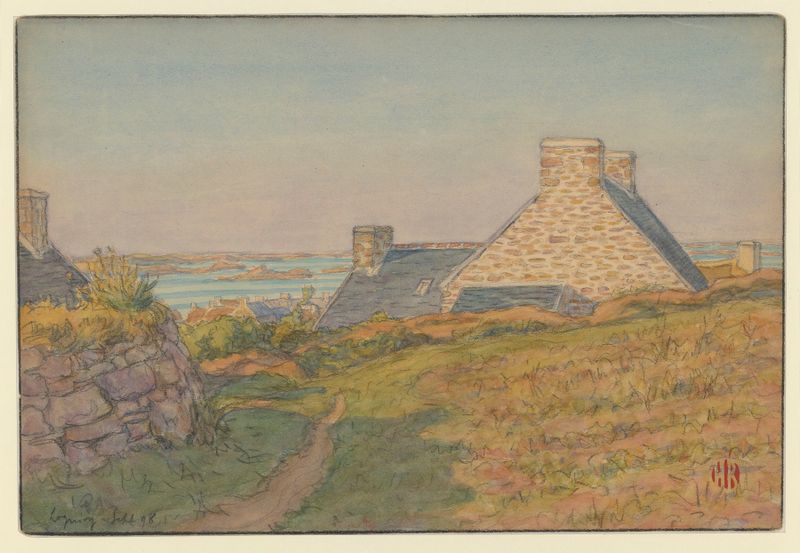
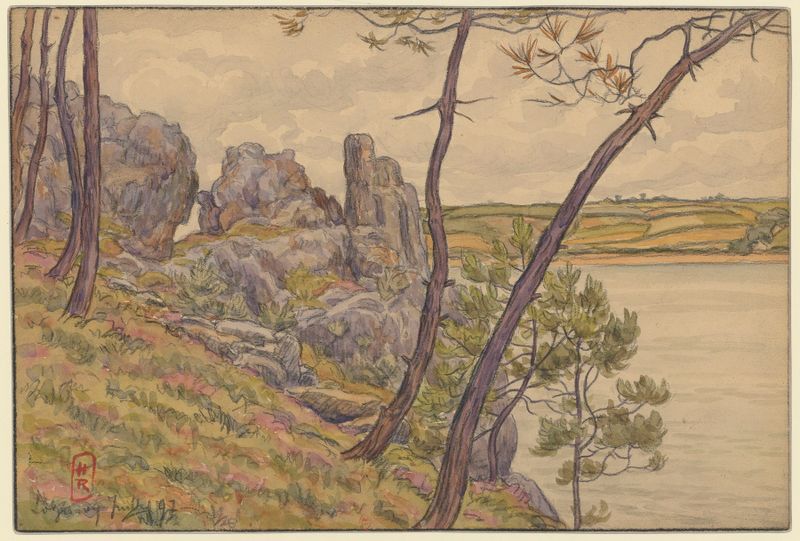
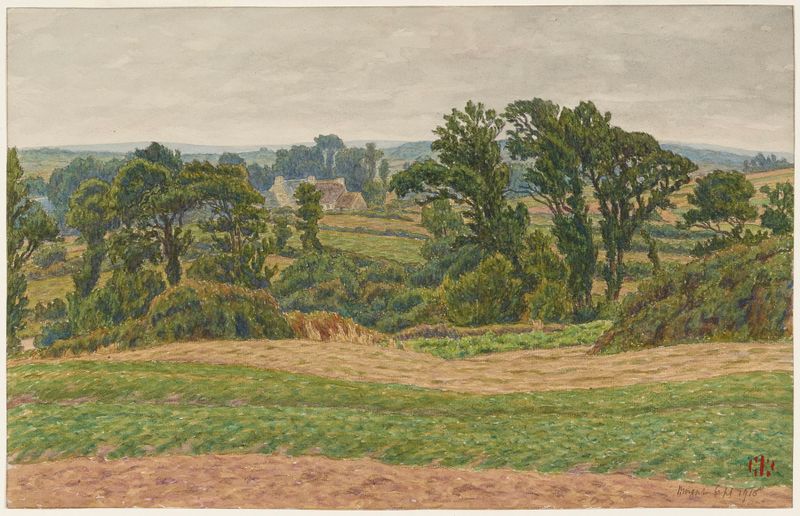
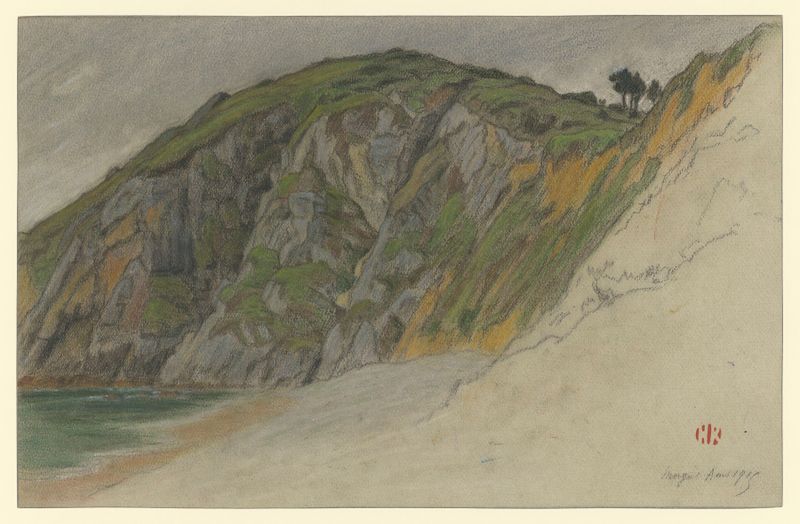
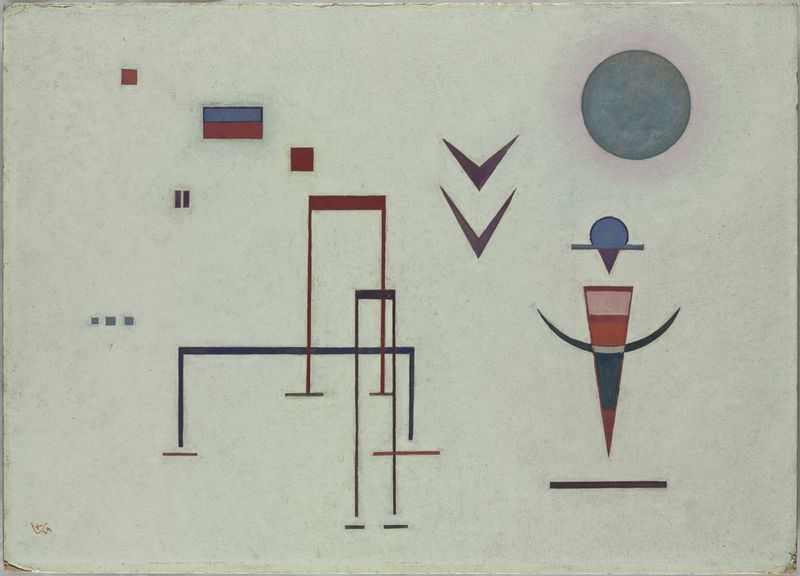
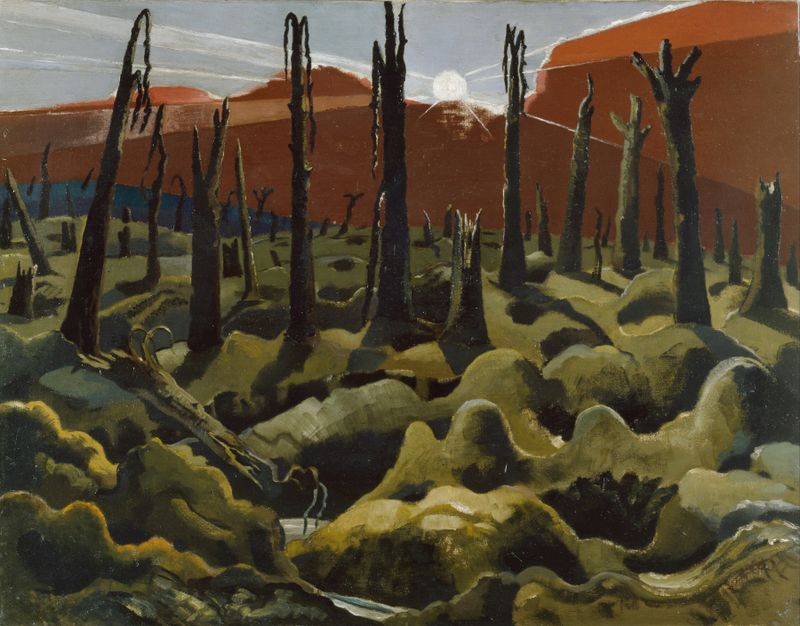
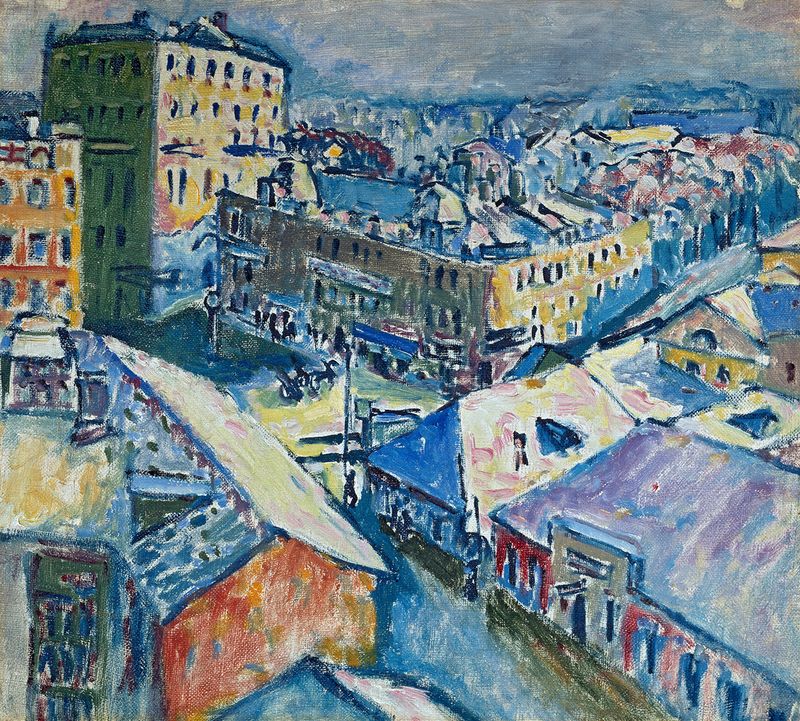
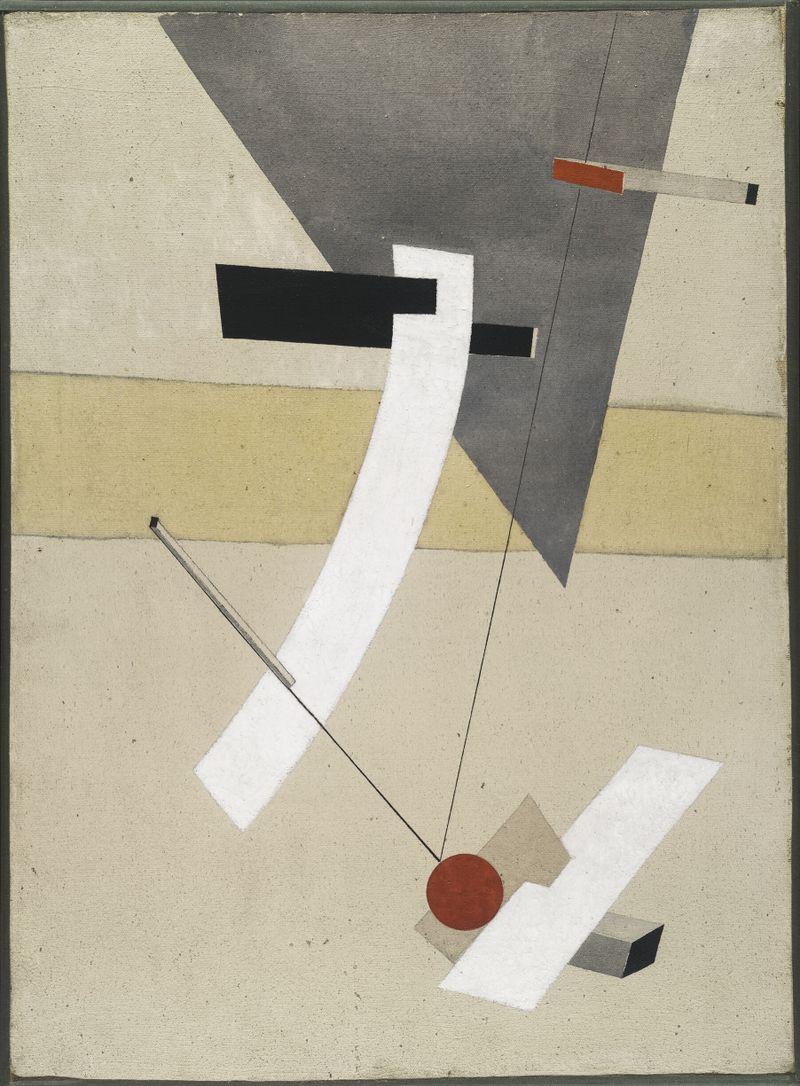
Could beauty survive in a century of chaos? The vibrant hues and delicate lines of this work evoke a profound awakening, a reminder that artistry can thrive even amid turmoil. Look to the center of the canvas, where the swirling forms merge in a dance of color, showcasing Rivière's mastery of fluid abstraction. The interplay of blues and greens creates a sense of depth, beckoning the viewer to explore the layers of emotion hidden within. Notice how the light glimmers across the surface, illuminating the textures that suggest a landscape both familiar and otherworldly, inviting contemplation. As you delve deeper, consider the contrasts presented — the calmness of the hues juxtaposed with the energetic strokes that hint at chaos beneath the serene facade.
This tension may reflect the duality of the human experience, where beauty and disarray coexist. Small details, like the subtle shifts in color and the rhythmic patterns, echo a sense of renewal, suggesting that even in the most tumultuous times, there lies the potential for rebirth and hope. Created in 1928, this piece emerged during a period of great innovation and experimentation in art. Rivière, known for his interest in combining traditional techniques with modern abstraction, painted during a time when Europe was grappling with the aftermath of World War I and the onset of an uncertain future.
His work reflects a personal journey toward finding beauty in a fractured world, resonating with the zeitgeist of an era seeking solace in creativity.