Oak and Birch — History & Facts
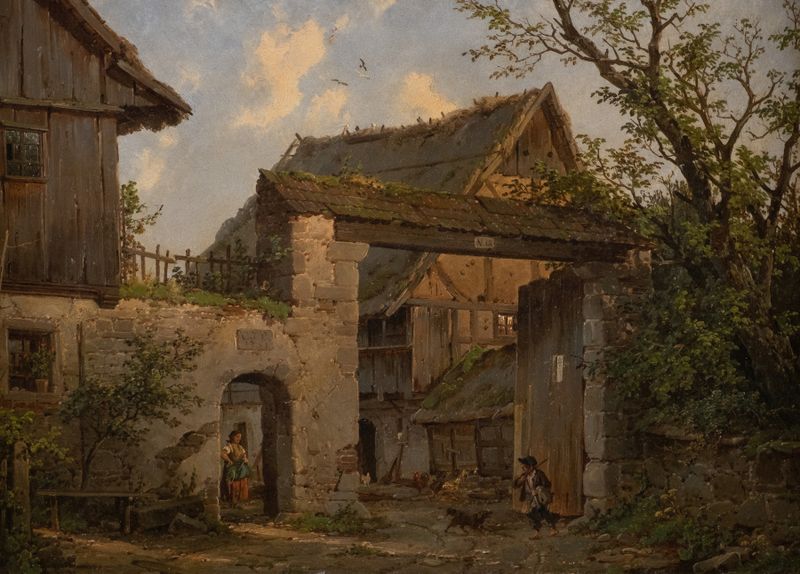
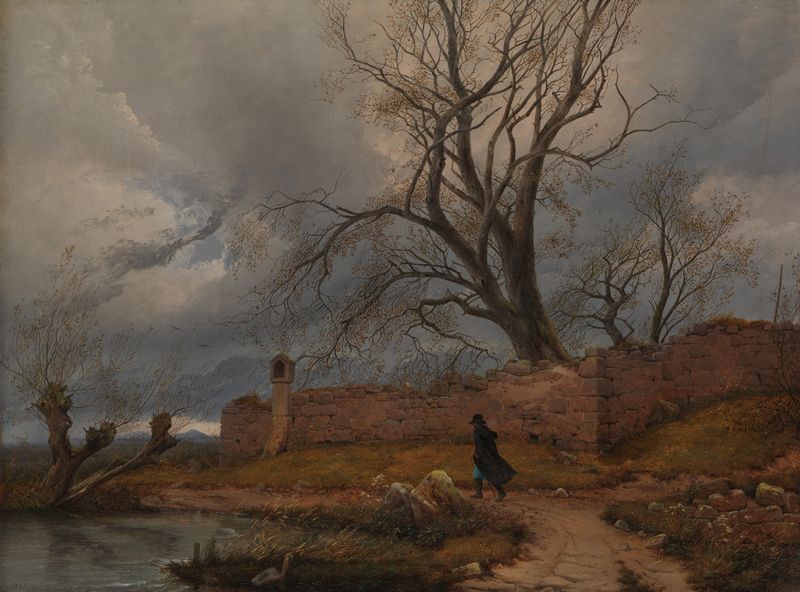
In the stillness of Oak and Birch, a quiet yearning reverberates through the landscape, echoing the unspoken tales of nature itself. The trees stand as solemn witnesses, each trunk a testament to time, each leaf a delicate whisper of the past. Look to the center, where the sturdy oak and the slender birch entwine in a gentle embrace. The contrast of their bark — rough and weathered against smooth and pale — draws the eye, while dappled sunlight filters through the canopy, casting a mosaic of light and shadow below.
The artist’s brushstrokes, both meticulous and fluid, evoke a sense of movement, as if the trees breathe in harmony with the viewer, inviting them into this serene sanctuary. Within this tranquil moment, tension arises from the juxtaposition of strength and fragility. The oak, a symbol of resilience, stands firm against the ephemeral beauty of the birch, evoking a longing for connection that transcends their differences. The play of light signifies fleeting moments, hinting at the passage of time and the inevitability of change.
Every detail, from the textured foliage to the soft earth below, engages the viewer in a meditation on existence and the bonds that tether us to one another. In 1832, when this piece was created, von Leypold resided in Germany amidst the burgeoning Romantic movement, which emphasized deep emotional expression and an appreciation for the natural world. The artist’s focus on landscapes reflected the era’s complex relationship with nature, as industrialization began to encroach upon the serene beauty of the countryside. This work captures not only a moment in time but also the artist's longing for a harmonious existence within a rapidly changing world.