
Oak Tree — History & Facts
Who listens when art speaks of silence? The stillness captured in Oak Tree resonates with a haunting sense of betrayal, echoing the complexities of nature’s beauty and its deeper truths. Look to the center, where the gnarled trunk of the oak commands attention, its rugged bark telling stories of years endured. Notice how the light filters through the canopy above, casting a gentle glow that illuminates the surrounding foliage. The artist’s palette is rich with earthy greens and browns, grounding the viewer in the serene embrace of the natural world.
Each brushstroke invites you into the texture of the leaves, creating a tactile experience that makes the stillness feel palpable. Beneath the surface, the oak harbors an emotional tension; its strength juxtaposed with the fragility of the delicate branches swaying beneath the weight of time. This duality reflects the notion of betrayal—the oak, once a symbol of steadfastness, now silently witnesses the inevitable decay surrounding it. The interplay of shadow and light suggests a deeper narrative, perhaps of loss or abandonment, as if the tree stands solitary, guarding secrets that nature alone understands. In 1895, Ranger painted this piece during a period of significant artistic exploration in America, where the Hudson River School's influences were giving way to new expressions of realism.
He was deeply engaged with the landscapes of rural New England, capturing their beauty while reflecting upon the changing times. This work encapsulates not only the artist’s fascination with nature but also his desire to evoke introspection in a world rapidly moving towards modernity.
More Artworks by Henry Ward Ranger
Browse all →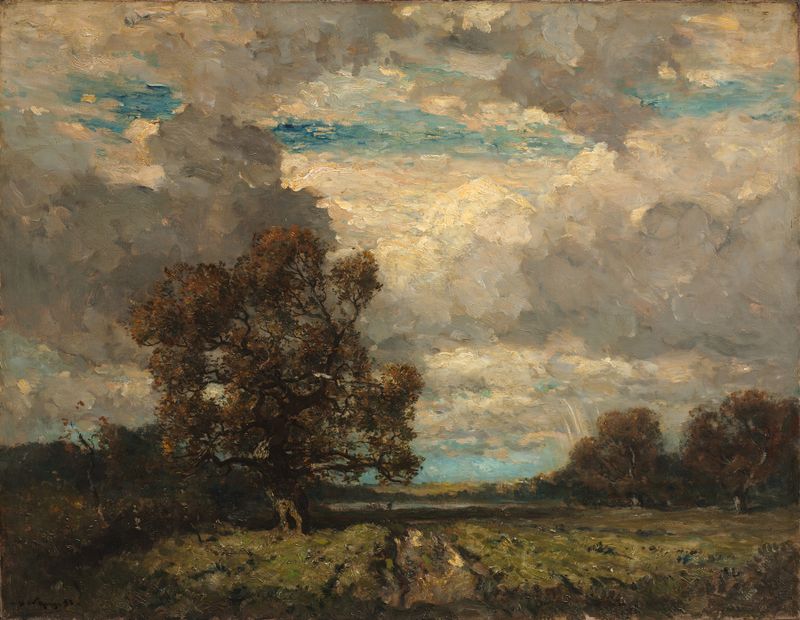
The Lone Sentinel
Henry Ward Ranger
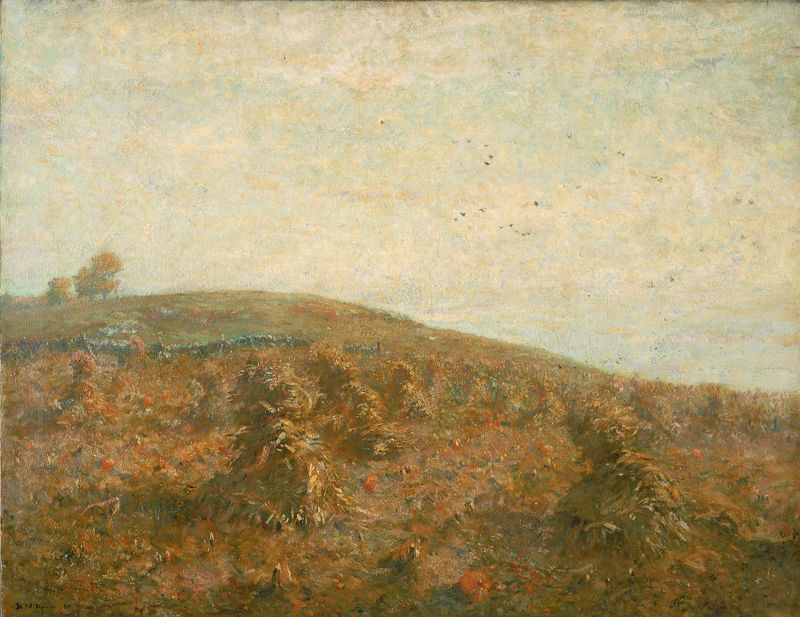
The Cornfield
Henry Ward Ranger
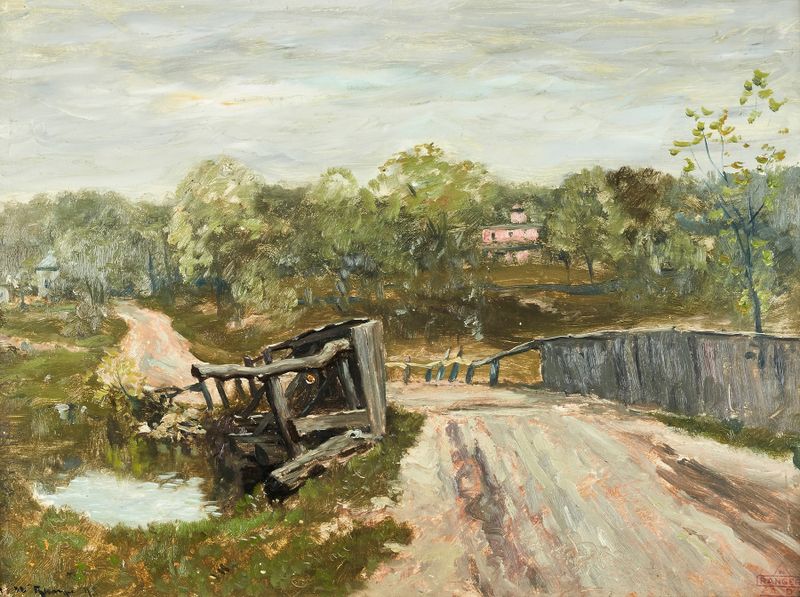
The Stone Fence
Henry Ward Ranger

Brooklyn Bridge
Henry Ward Ranger
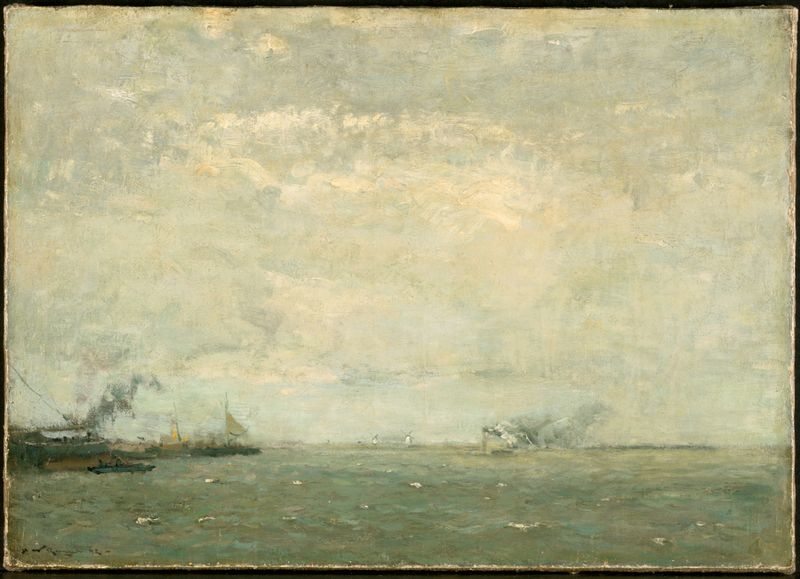
Seascape
Henry Ward Ranger
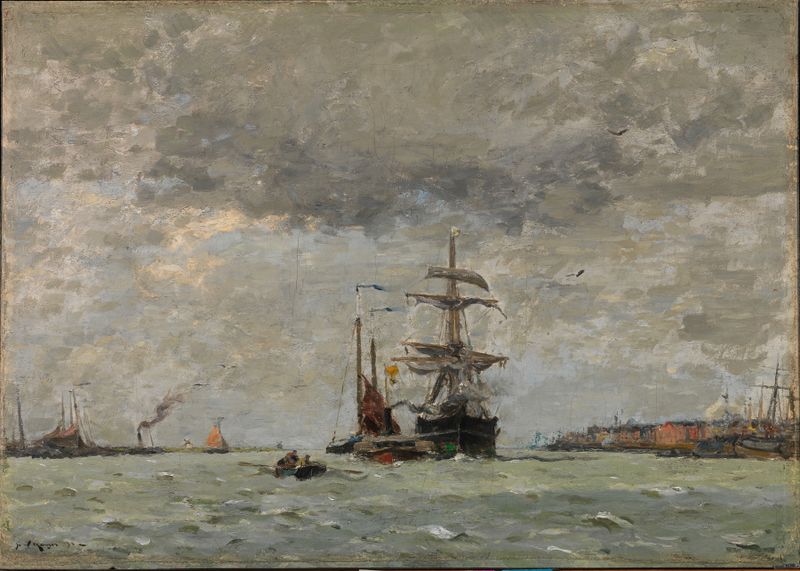
Entrance To The Harbor
Henry Ward Ranger
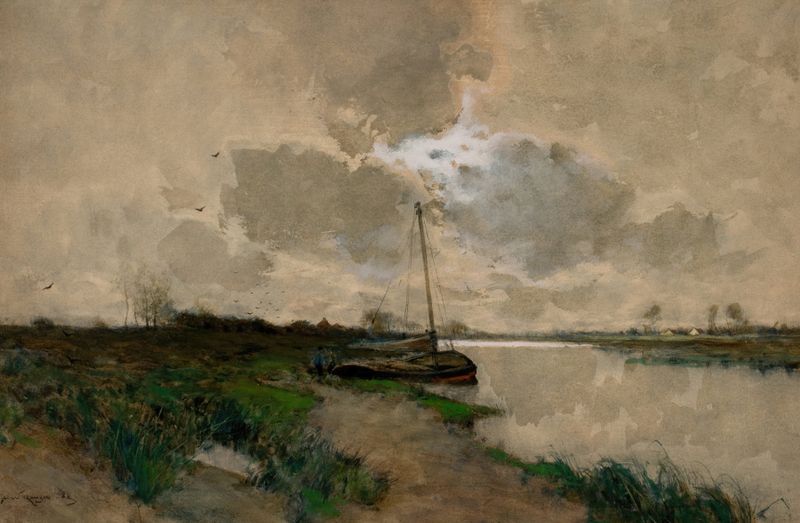
On the Scheldt, Holland
Henry Ward Ranger
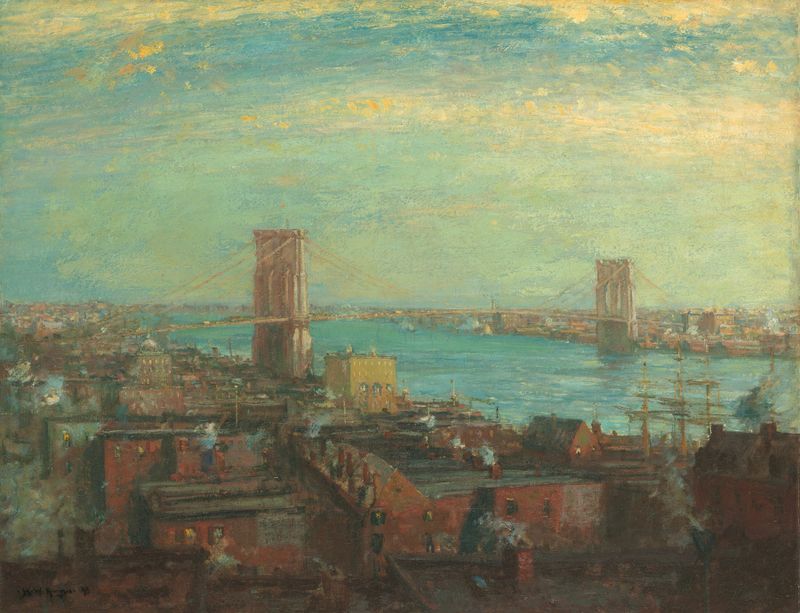
Brooklyn Bridge
Henry Ward Ranger
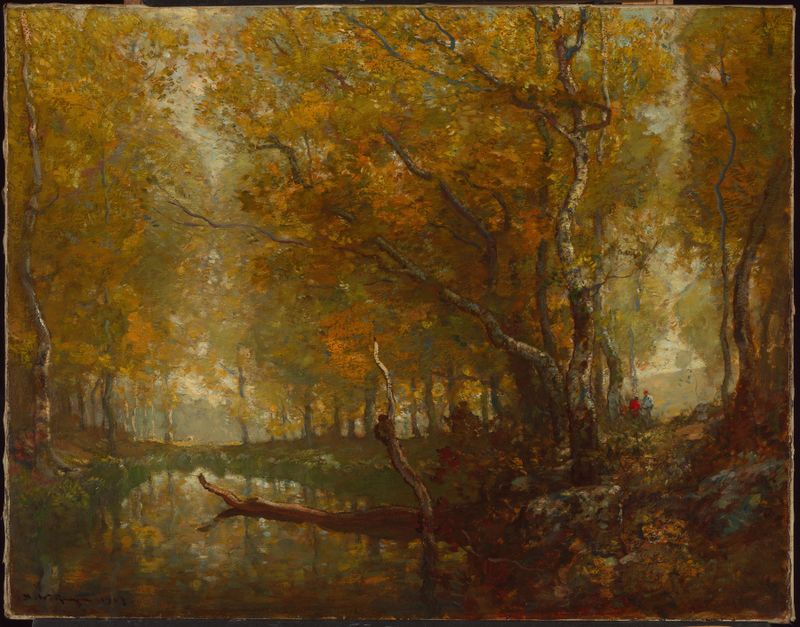
Bradbury’s Mill Pond, No. 2
Henry Ward Ranger
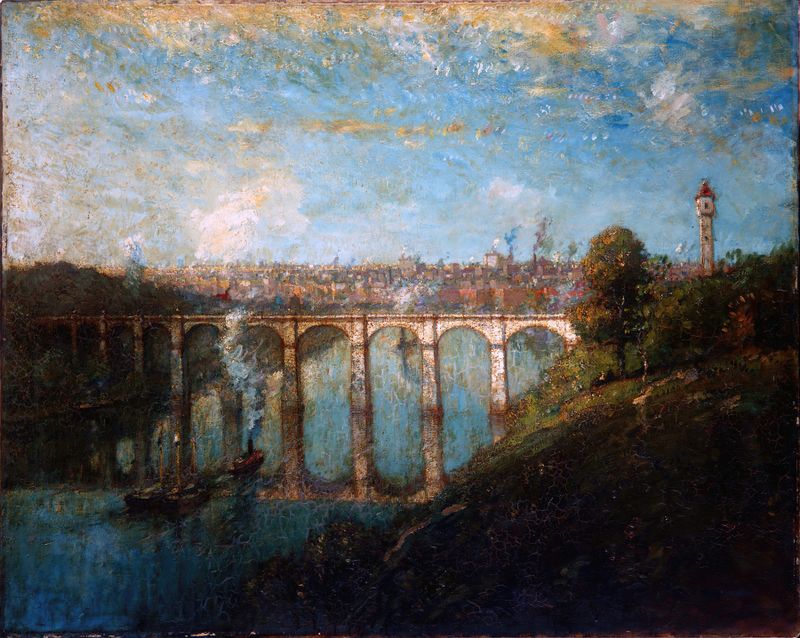
High Bridge, New York
Henry Ward Ranger





