
Oberbourg — History & Facts
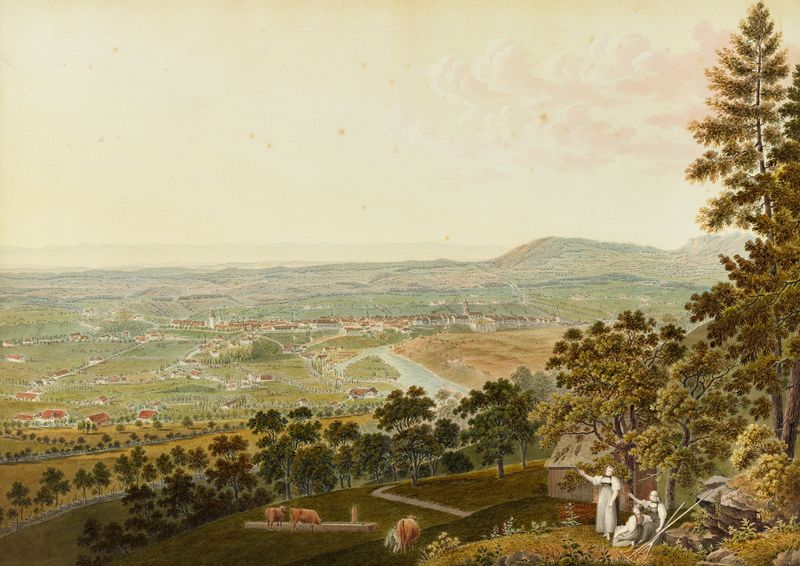
What secret hides in the quiet of the canvas? In Oberbourg, the stillness of the scene is charged with an undercurrent of madness, both exhilarating and unsettling. Look closely to the left, where a solitary figure stands amidst a desolate landscape, their posture rife with uncertainty. The muted tones of ochre and gray create an oppressive atmosphere, while splashes of deep blue somehow both entice and repel. The stark horizon stretches endlessly, amplifying the sense of isolation, making the viewer feel the weight of despair.
Notice the brushstrokes—the frenetic energy contrasts sharply with the calmness of the sky, hinting at an inner turmoil that resonates beyond the canvas. Delve deeper into the layers of this artwork, and you’ll discover the tension between serenity and chaos. The figure's shadowed face obscures their expression, yet their presence looms large, embodying the struggle between hope and hopelessness. The interplay of light and shadow evokes a sense of duality—what appears serene is tinged with the threat of madness.
This duality might reflect the artist's own psyche, revealing a complex dialogue between reality and illusion. Created by Jakob Samuel Weibel, Oberbourg emerged from an era when the boundaries of expression were being tested. Though the exact date remains uncertain, Weibel's innovative approaches in the late 19th century coincided with a burgeoning interest in psychological depth within art. Living in a time marked by industrial change and social upheaval, the artist channeled these experiences into a work that grapples with the fragility of the human mind.
More Artworks by Jakob Samuel Weibel
Browse all →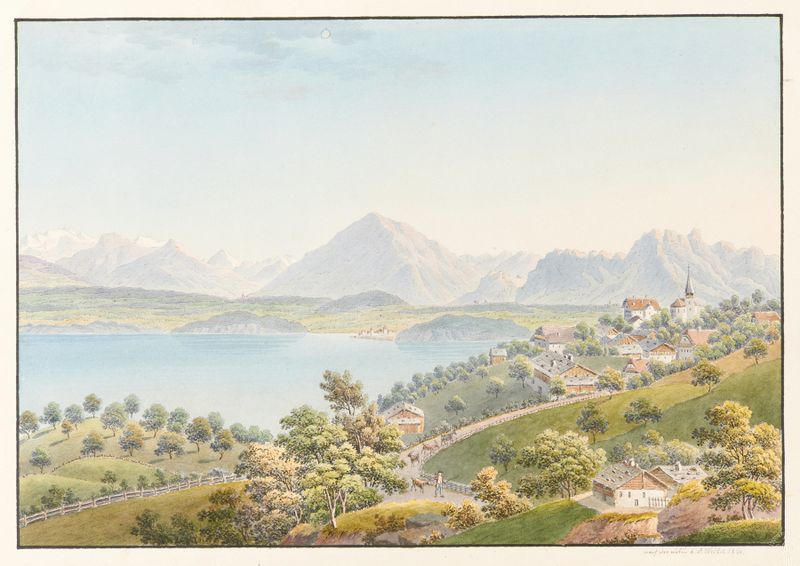
Vue dessiné depuis le Village de Sigriswil, audessus du Lac de Thoune
Jakob Samuel Weibel
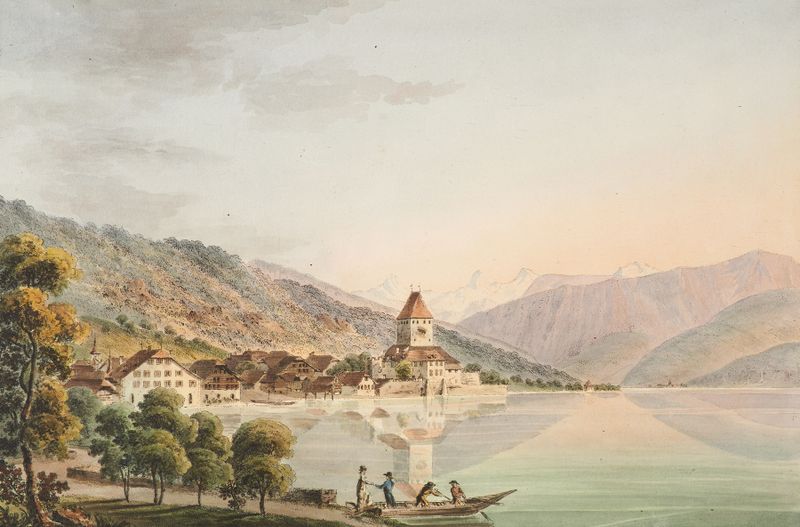
Vûe du Chateau d’Oberhofen au Lac de Thoune
Jakob Samuel Weibel
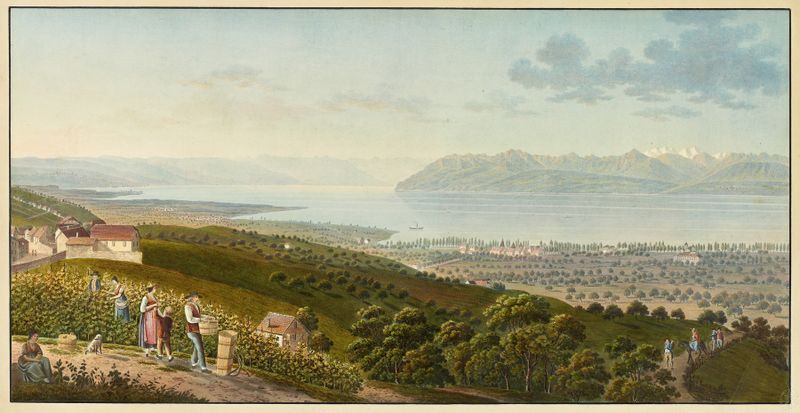
Vue genérale du Lac de Geneve
Jakob Samuel Weibel
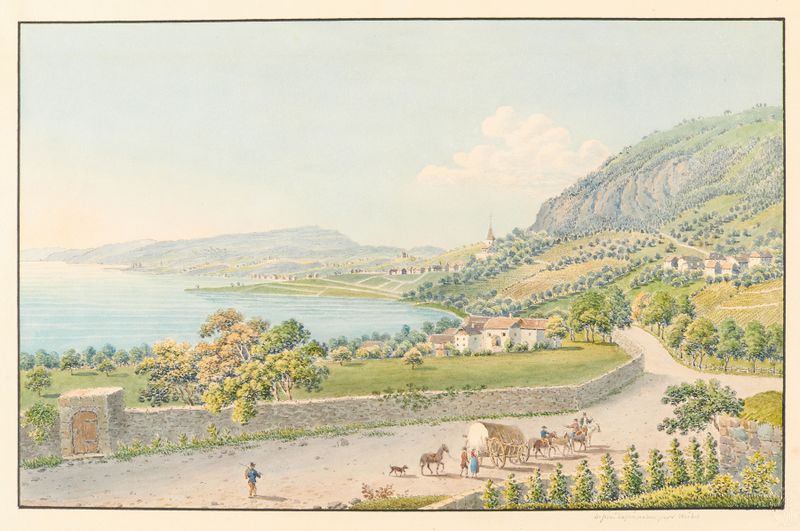
Vue des environs de Montreux et de Clarens
Jakob Samuel Weibel
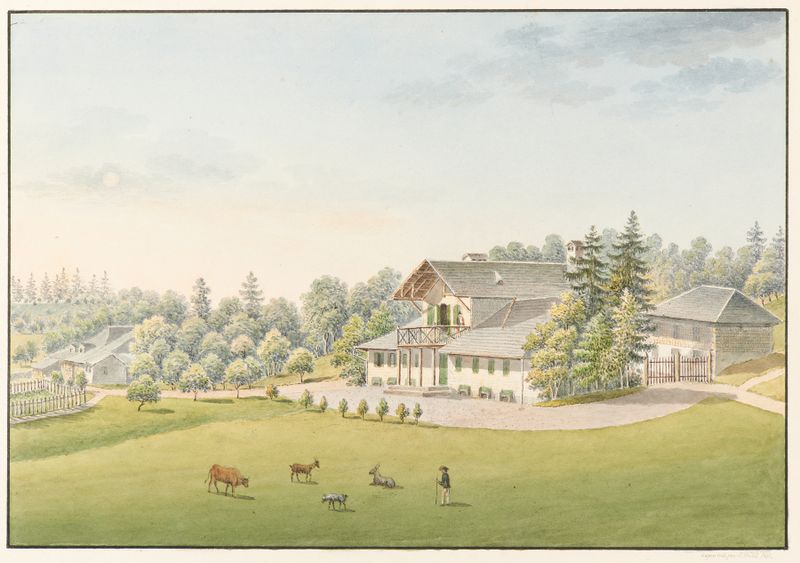
Vue du nouveau Châlet de Vernand
Jakob Samuel Weibel
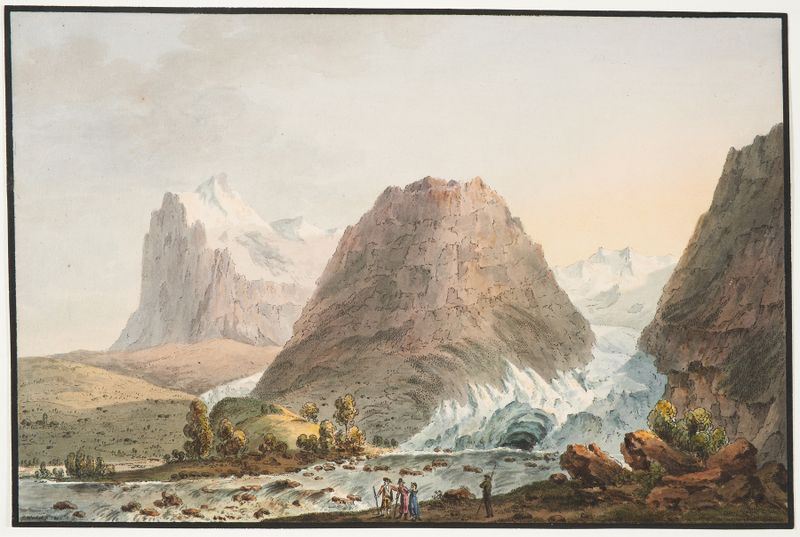
Vûe des Glacieres de Grindelwald
Jakob Samuel Weibel
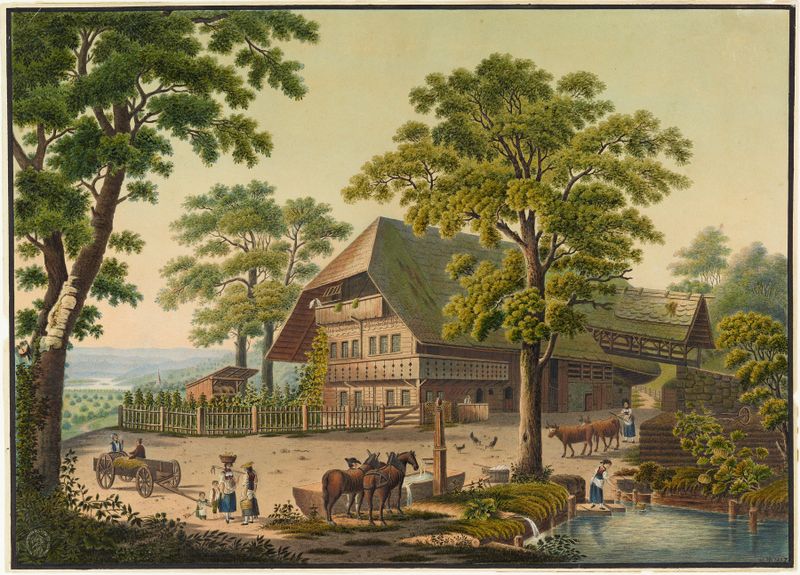
Maison de paysan près Wichtrach
Jakob Samuel Weibel
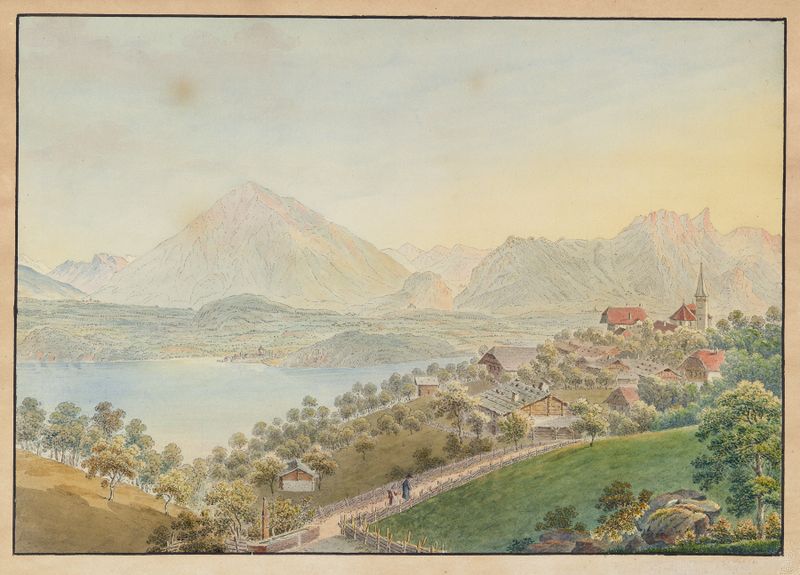
Ansicht von Sigriswil mit Niesen und Thunersee
Jakob Samuel Weibel
Ansicht Berns und der Aare vom Gurten aus
Jakob Samuel Weibel

Lausanne Ville capitale du Canton de Vaud
Jakob Samuel Weibel





