
Off the Nore — History & Facts
Could a single brushstroke hold eternity? In Off the Nore, the vastness of the sea transcends the canvas, evoking a sense of hope that is both fragile and enduring. The viewer is drawn into an expansive horizon where the interplay of light and atmosphere captures the essence of a fleeting moment—one that whispers of possibilities yet to unfold. Look to the center of the canvas, where soft hues of blues and golds meld seamlessly, inviting your gaze toward the ethereal horizon. Notice how the light falls upon the water's surface, creating shimmering reflections that dance and shift with each glance.
The composition is masterfully balanced, with billowing clouds framing the scene, while vessels in the distance suggest a journey beckoning beyond the visible. The delicate brushwork reveals a sense of immediacy, as if time itself is suspended within this atmospheric embrace. Delve deeper into this artwork, and you’ll discover the emotional tensions woven through the contrasts of light and dark. The luminous sky hints at dawn or dusk, symbolizing new beginnings or the closing of chapters.
The boats, though seemingly insignificant against the vastness of the sea, represent human ambition and the delicate pursuit of dreams amidst nature’s grandeur. This interplay reveals an eternal conflict between hope and uncertainty, echoing the complexities of the human experience. During the years 1840 to 1845, Turner was experimenting with color and light, moving toward a more abstract expression in his work. This period coincided with significant developments in Romantic art, as artists sought to encapsulate emotion and the sublime beauty of nature.
As Turner painted Off the Nore, he was reflecting on both his own artistic evolution and the changing tides of society, marked by industrial progress and a growing fascination with the natural world.
More Artworks by Joseph Mallord William Turner
Browse all →
Dort or Dordrecht- The Dort Packet-Boat from Rotterdam Becalmed
Joseph Mallord William Turner
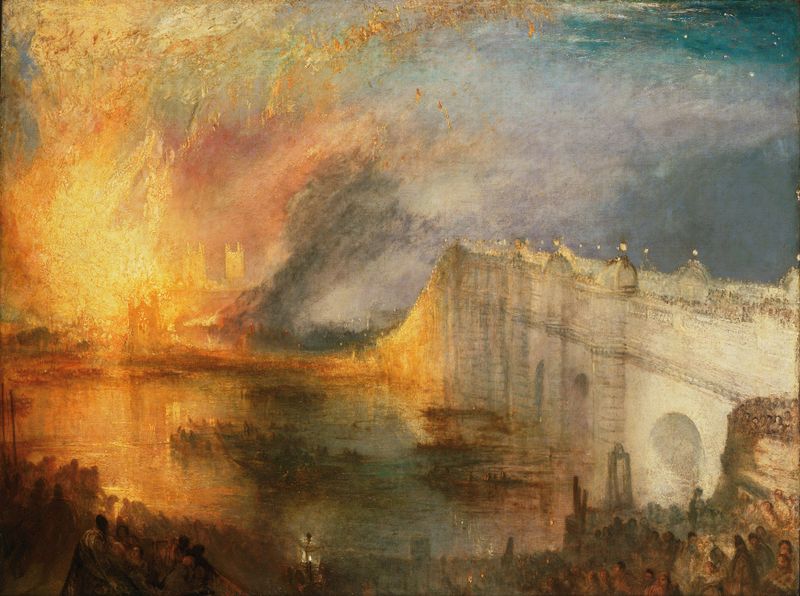
The Burning of the Houses of Lords and Commons, October 16, 1834
Joseph Mallord William Turner
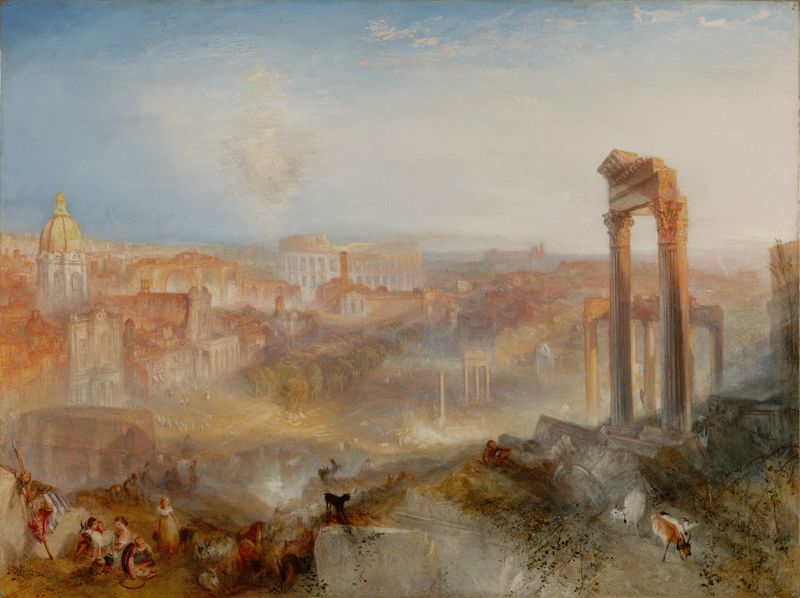
Modern Rome – Campo Vaccino
Joseph Mallord William Turner
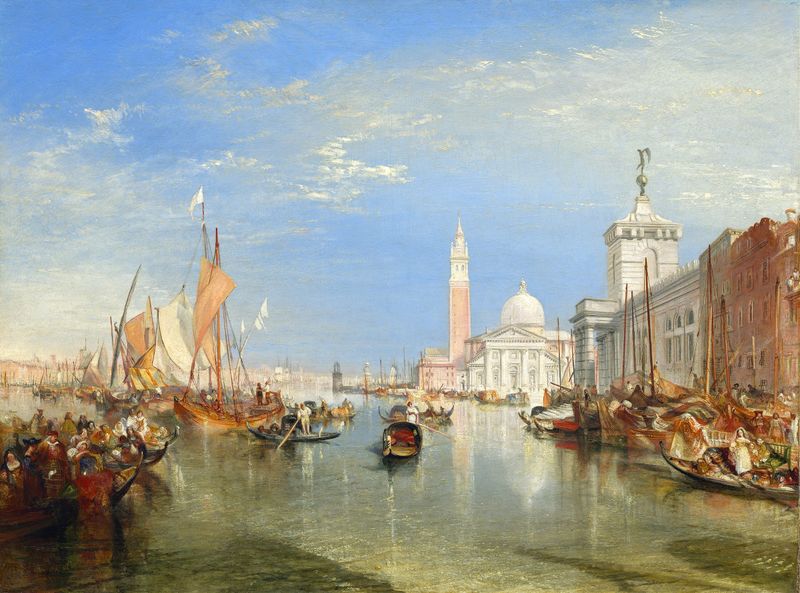
Venice – The Dogana and San Giorgio Maggiore
Joseph Mallord William Turner

The Burning of the Houses of Lords and Commons, 16 October 1834
Joseph Mallord William Turner
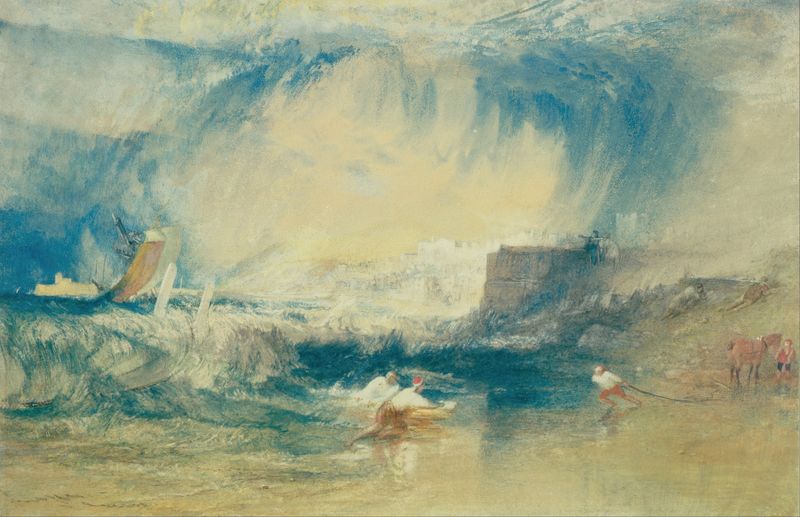
Lyme Regis, Dorsetshire, England
Joseph Mallord William Turner
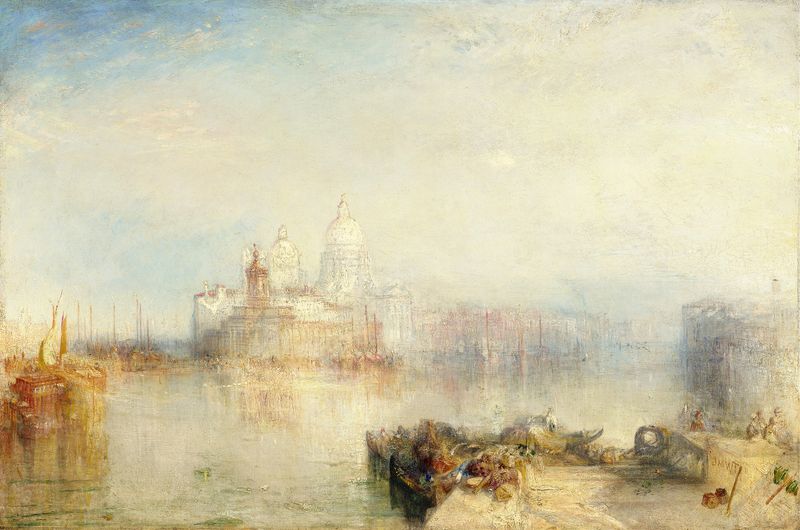
The Dogana and Santa Maria della Salute, Venice
Joseph Mallord William Turner
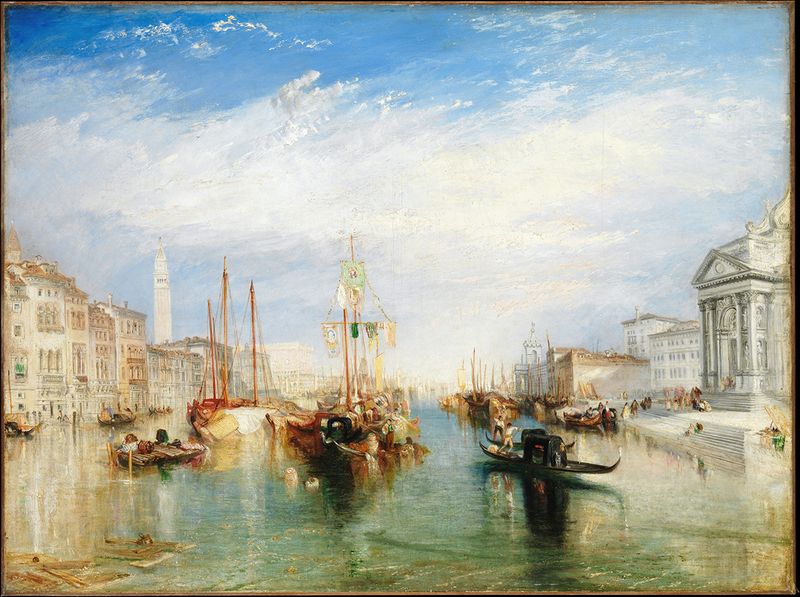
Venice, from the Porch of Madonna della Salute
Joseph Mallord William Turner
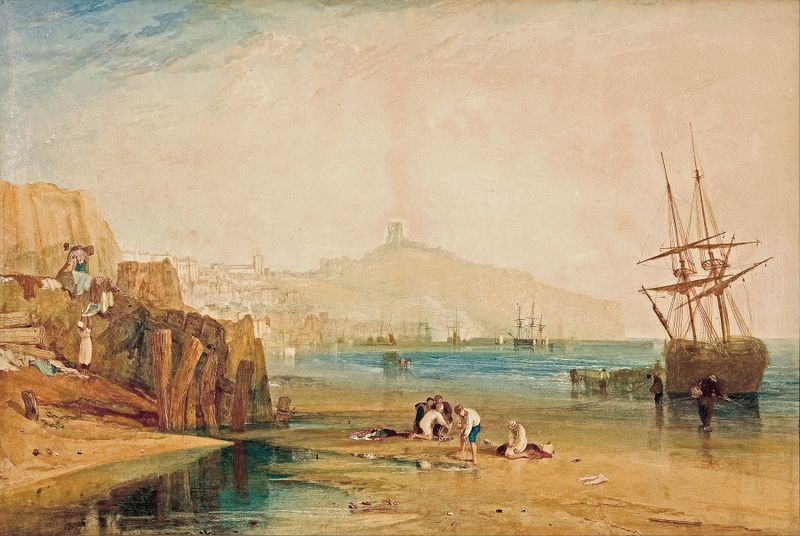
Scarborough town and castle; morning; boys catching crabs
Joseph Mallord William Turner
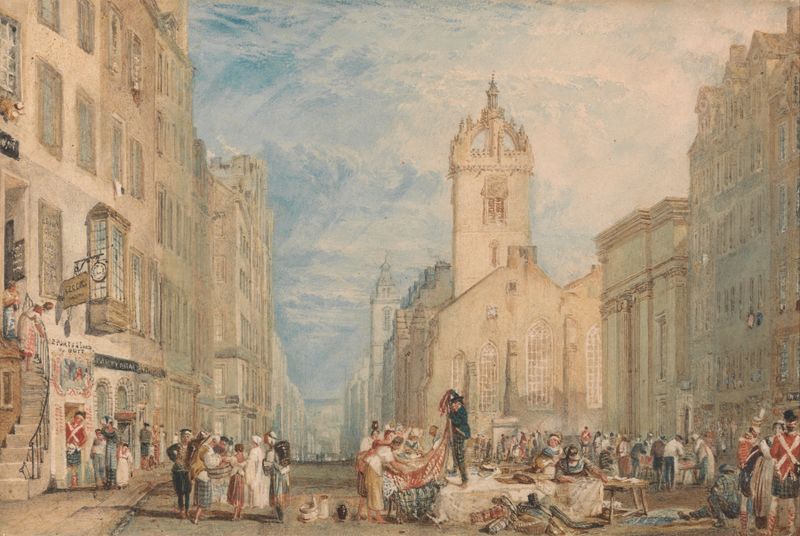
High Street, Edinburgh
Joseph Mallord William Turner




