
Old Bukhara – mosque on the lake. From the journey to Turkestan — History & Facts
What if silence could speak through light? The interplay of shadow and illumination in Jan Ciągliński's Old Bukhara – mosque on the lake invites us to ponder the ethereal whispers of history captured on canvas. First, look to the serene surface of the lake, where the reflection of the mosque creates a mirror image that blurs the lines between reality and dream. The vibrant blues and soft earthy tones convey a tranquil yet powerful atmosphere, while the light filtering through the clouds casts a gentle glow on the architectural details. Notice the intricate patterns on the mosque's facade, inviting your gaze upwards, as layers of shadow deepen the sense of magnificence and reverence inherent in this sacred space. Beneath this tranquil exterior lies a tension between permanence and transience.
The ripple in the water suggests the transient nature of time, while the steadfastness of the mosque stands as a testament to human creativity and faith. The interplay of light and shadow not only highlights the mosque's grandeur, but also underscores the fragile beauty of the moment captured—a fleeting harmony of nature and architecture. There is a profound stillness here, one that implores the viewer to listen closely to the stories held within the shadows. Created in 1912 during his travels through Turkestan, Ciągliński's work emerged from a time of burgeoning interest in Eastern cultures within Europe.
As he painted this scene, he was not only documenting a physical location but also contributing to an artistic movement that sought to blend Western techniques with Eastern subject matter. This was an era of exploration and discovery, resonating with the rich history and architectural wonders that surrounded him.
More Artworks by Jan Ciągliński
Browse all →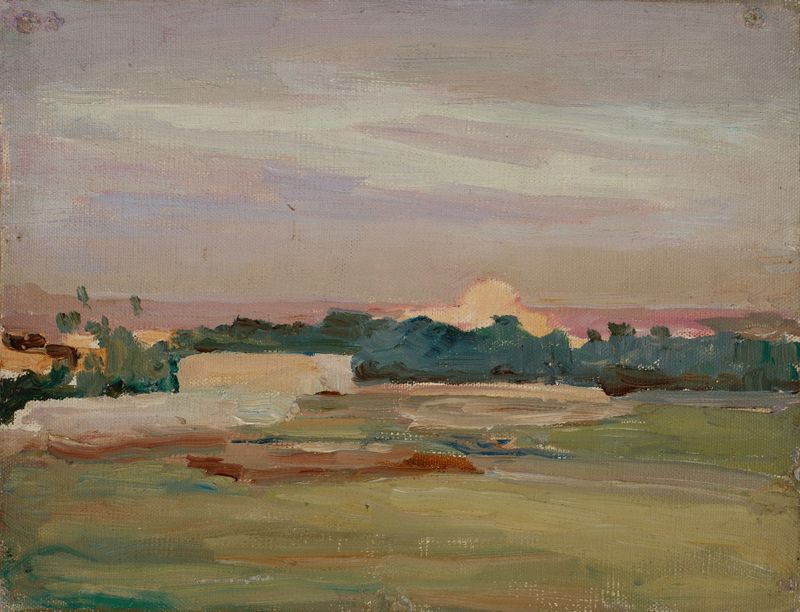
The Sirocco
Jan Ciągliński
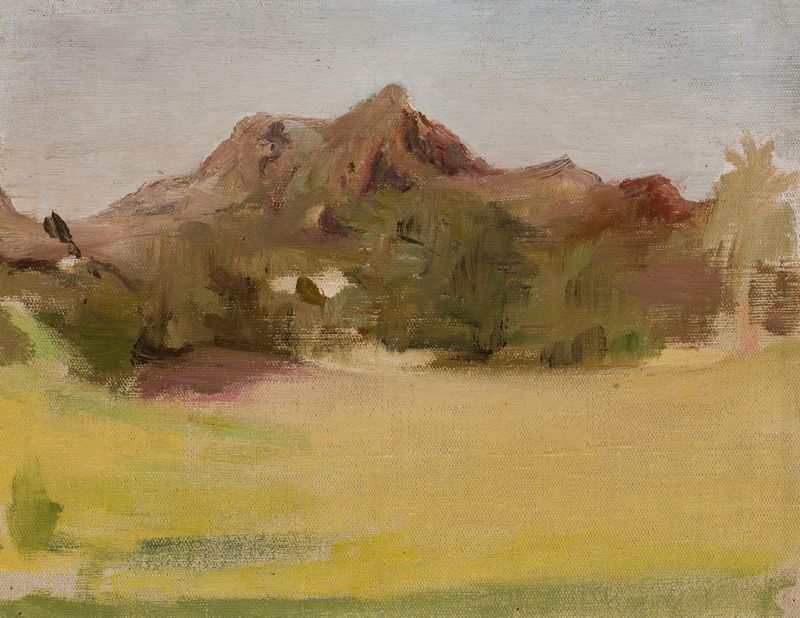
Mountain landscape. From the journey to India
Jan Ciągliński
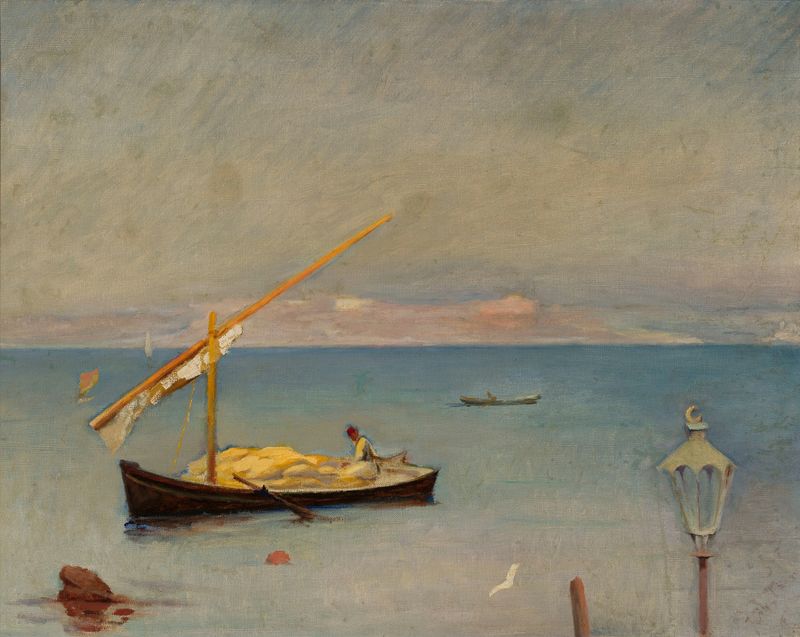
At Bosporus
Jan Ciągliński
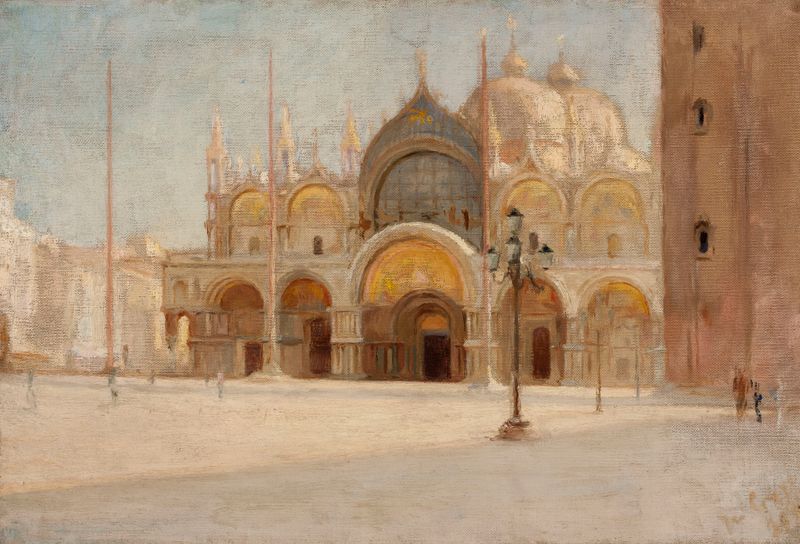
St Mark’s Square in Venice
Jan Ciągliński
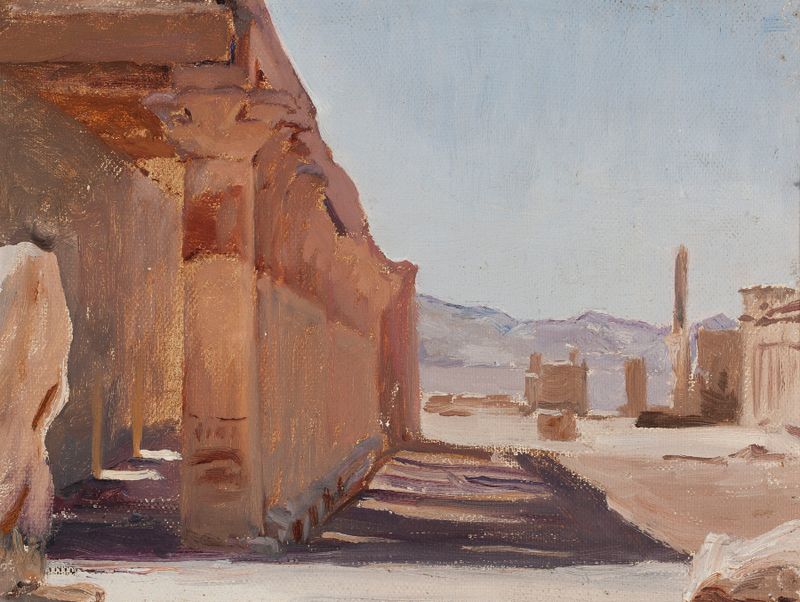
Temple. From the journey to Egypt
Jan Ciągliński
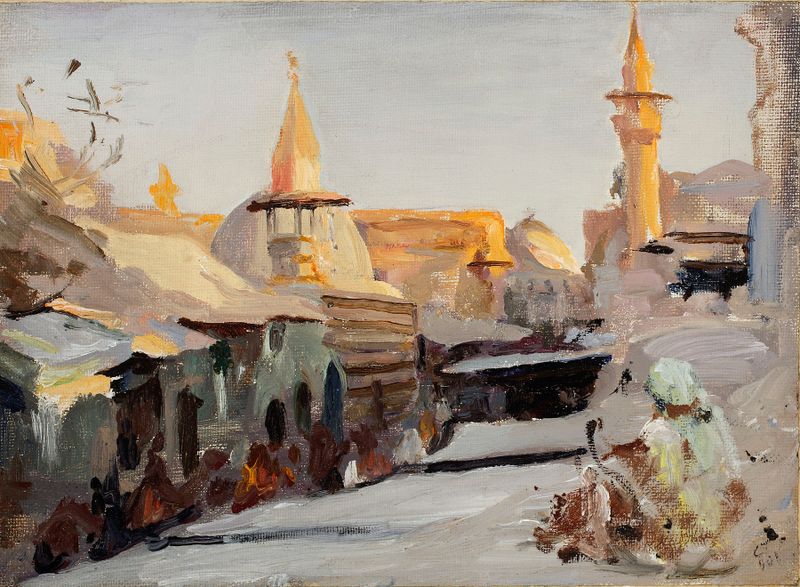
Street in Damascus. From the journey to Palestine
Jan Ciągliński
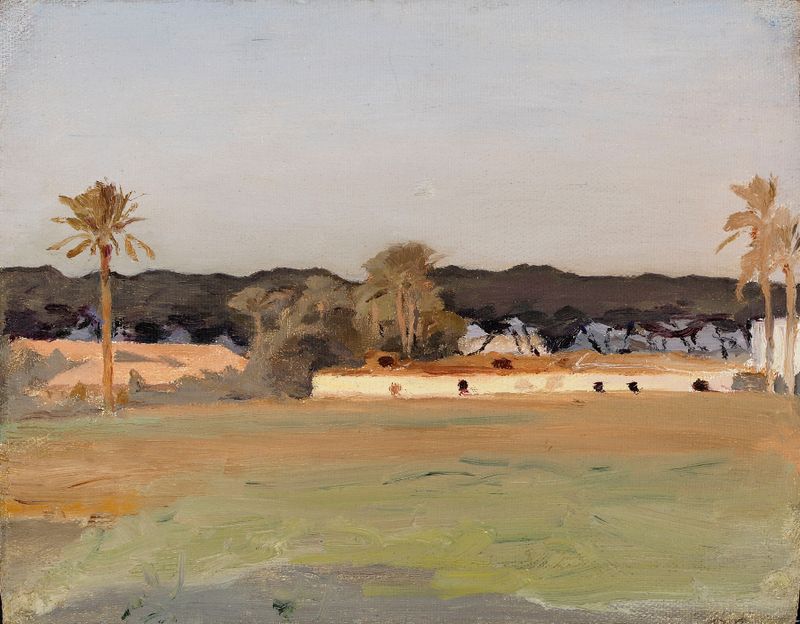
Evening. From the journey to Egypt
Jan Ciągliński
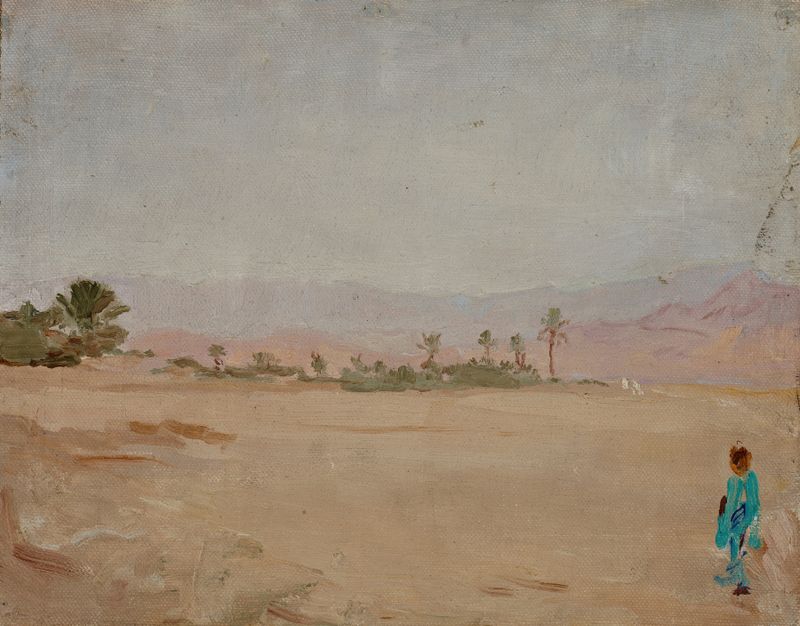
Sahara (Desert)
Jan Ciągliński
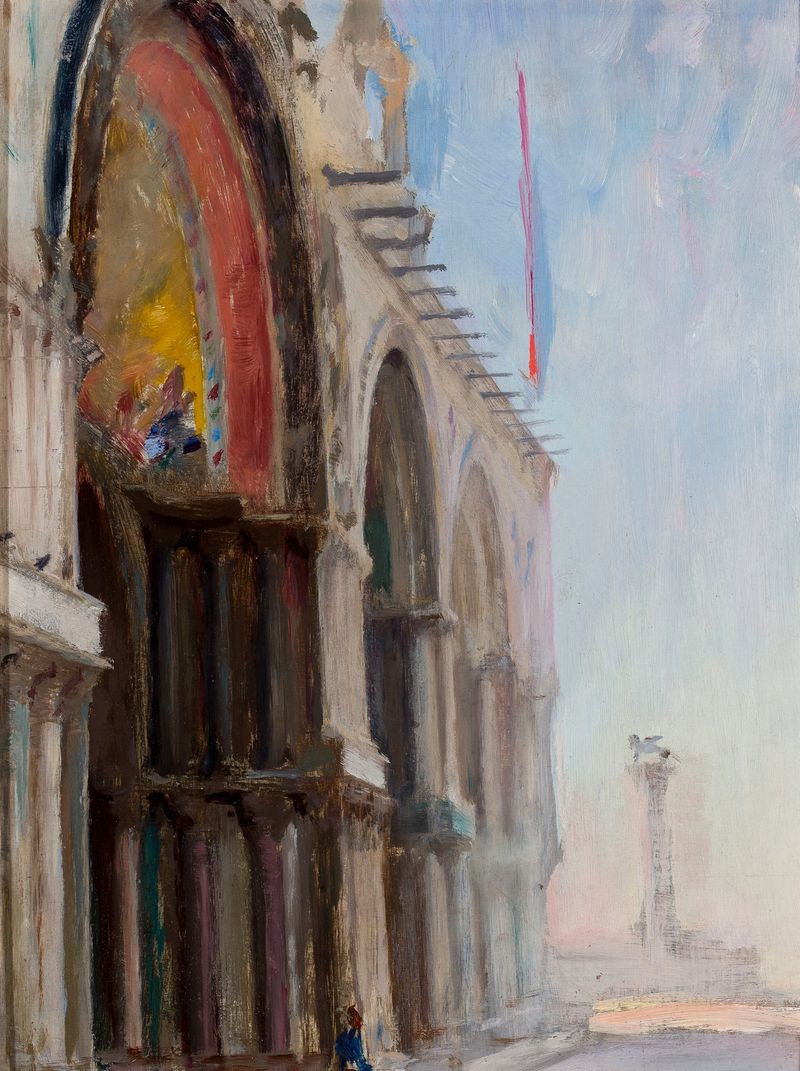
Venice – San Marco. From the journey to Italy
Jan Ciągliński
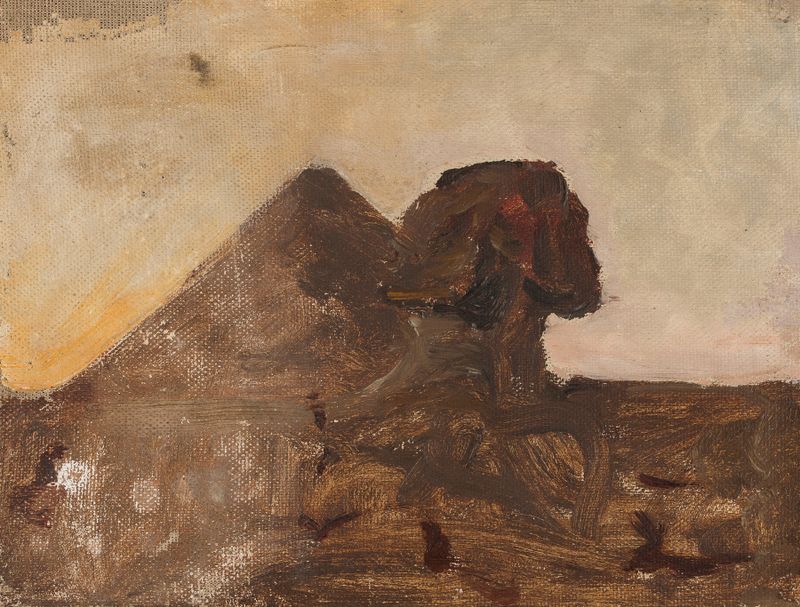
Evening in the desert – Sphinx and pyramid. From the journey to Egypt
Jan Ciągliński





