
Old House–Staten Island — History & Facts
Could beauty survive in a century of chaos? Amidst the relentless march of time, the essence of awakening persists, reminding us of the past's fragile splendor. Look to the left at the dilapidated structure, its weathered facade whispering stories of lives once lived. The gentle play of shadows and light draws your eye to the entwined vines, which seem to cradle the house, suggesting nature’s soft reclaiming. Haskell’s muted palette, dominated by earthy tones, evokes a sense of nostalgia, while the soft brushwork enhances the ethereal quality, transforming decay into a haunting beauty. As you explore the details, notice how the collapsed porch mirrors the passage of time — it stands half-skeletal yet dignified, embodying resilience.
The contrast between the vibrant greenery and crumbling architecture speaks to the tension between human endeavor and nature’s persistence. Each crack in the wall tells a story, imbuing the scene with emotional depth that resonates beyond its physicality. In this stillness, there lies an awakening; a reminder that beauty can flourish even amid disarray. Ernest Haskell painted this piece between 1900 and 1925, a period marked by significant change in both society and the art world.
The rise of modernism and shifting paradigms in artistic expression were beginning to take root. Haskell, a notable printmaker and painter, captured this moment of intersection between past and present, showcasing his keen observation of the world around him, even as the tumult of the early 20th century loomed.
More Artworks by Ernest Haskell
Browse all →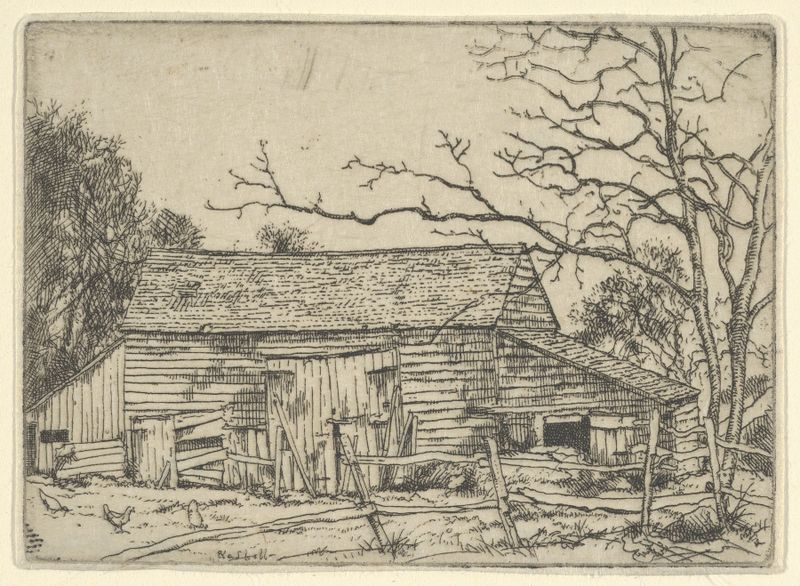
The Barn–Staten Island, N.Y.
Ernest Haskell

Four Live Oaks
Ernest Haskell
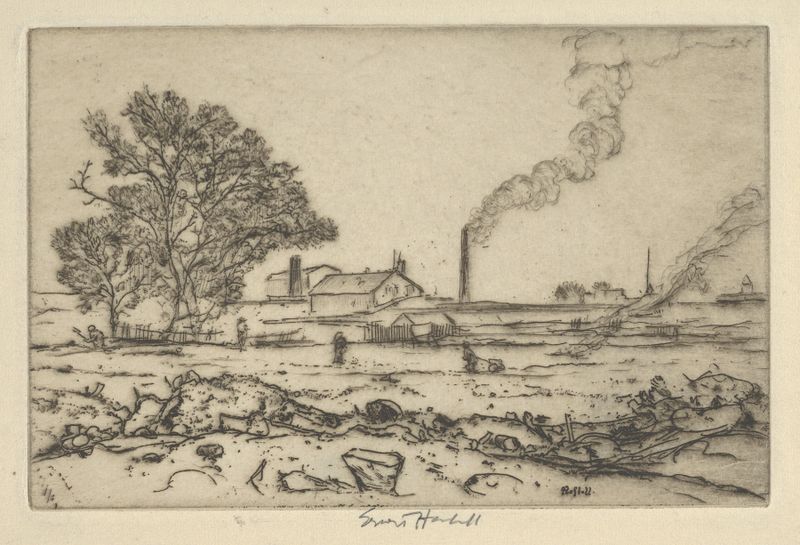
Outskirts of Boston
Ernest Haskell
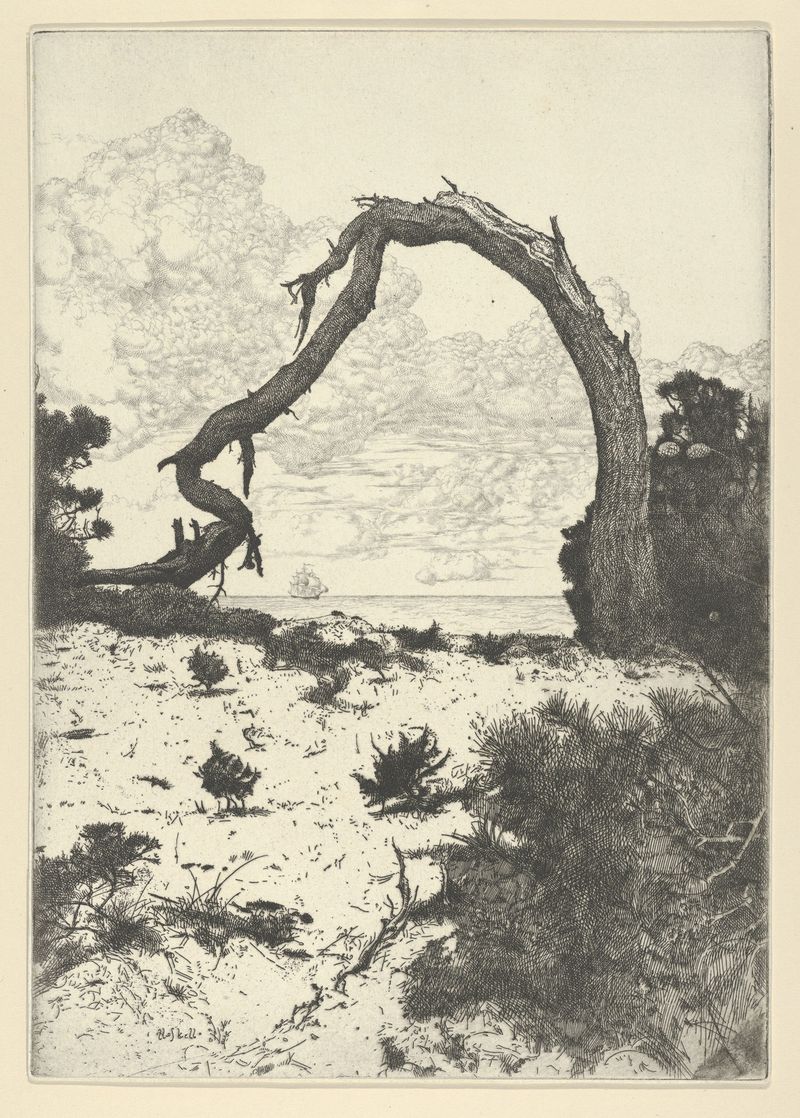
Pine Arch
Ernest Haskell

General Sherman
Ernest Haskell
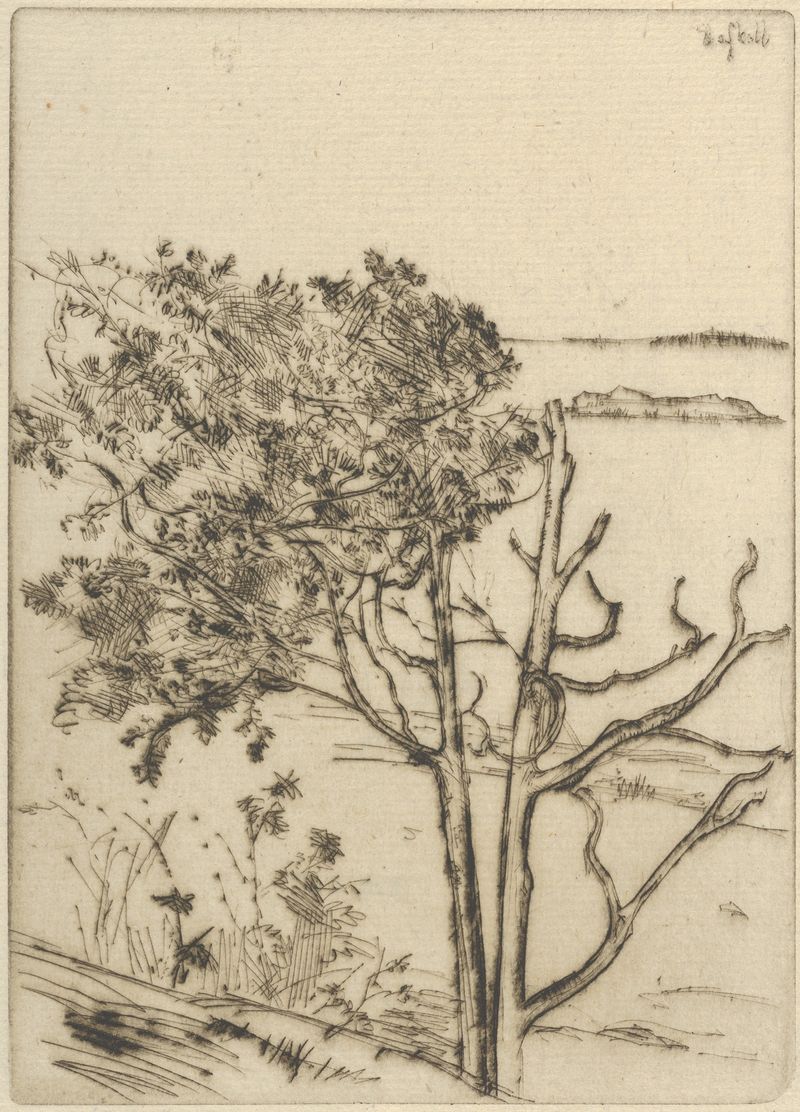
Ragged Tree – Maine
Ernest Haskell

Tide Mill
Ernest Haskell

Ship Building
Ernest Haskell
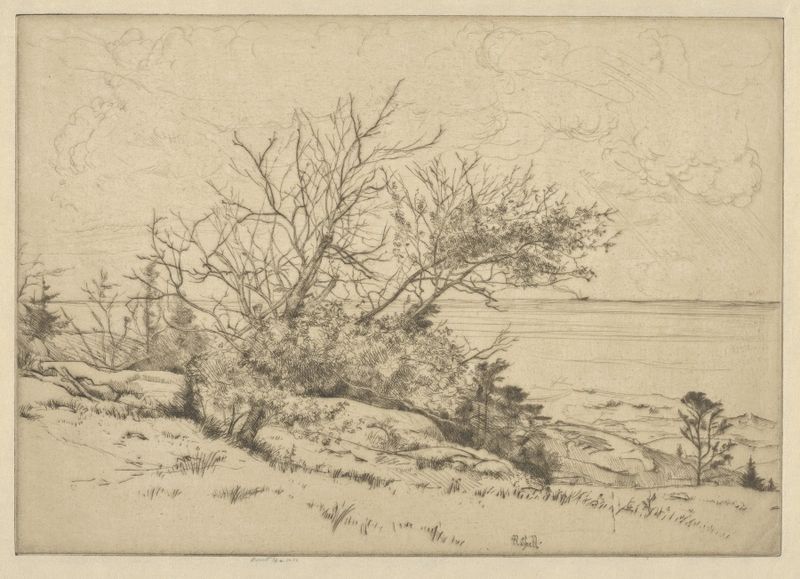
To the Southward – Ragged Island, Me.
Ernest Haskell
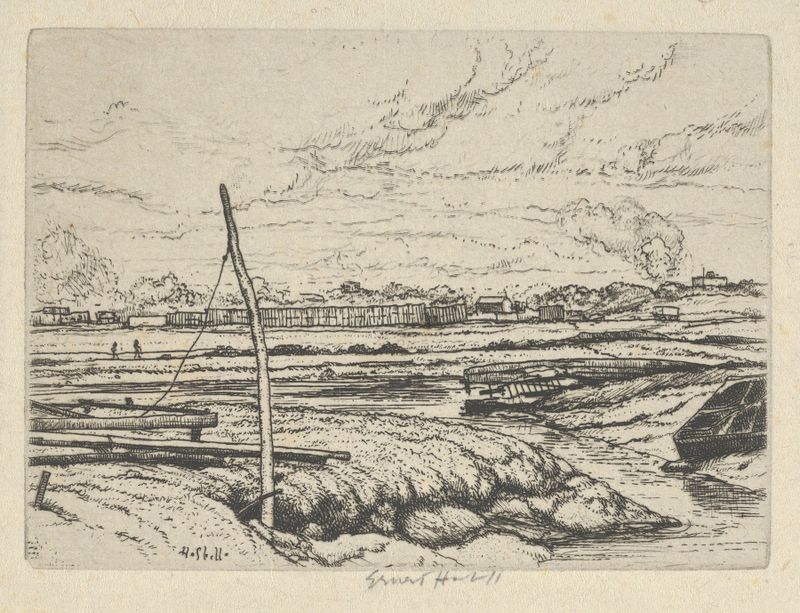
Long Island Marshes
Ernest Haskell





