
Old mill, Van Cortlandt Park — History & Facts
This sentiment echoes through the quietude of a forgotten landscape, where shadow and light dance in delicate balance. Look to the left at the crumbling stone of the old mill, its weathered facade a testament to time’s relentless passage. The artist employs a muted palette, with earthy browns and soft greens that evoke a sense of nostalgia. Notice how the light filters through the surrounding trees, casting dappled patterns that highlight both the beauty of nature and the decay of human endeavor.
The composition leads your gaze along the mill's edge, suggesting a narrative of loss and resilience. Beneath the surface, the work speaks to the violence of time and neglect, contrasting the once vibrant life of the mill with its current state of disrepair. The juxtaposition of the serene natural setting against the remnants of human industry prompts reflection on the transient nature of existence. The mill, no longer functional, symbolizes aspirations that have weathered storms of progress and neglect, reminding us that beauty often stems from struggle. In 1899, Mielatz painted this scene while immersed in the revitalizing artistic currents of American realism.
Living in a period where industrialization reshaped landscapes and livelihoods, he sought to document and preserve the essence of disappearing elements like the old mill. This moment in his life reflects both a personal and cultural grappling with change, as he navigated the fine line between admiration for nature and the scars left by human ambition.
More Artworks by Charles Frederick William Mielatz
Browse all →
View of Rockwood Tarrytown on the Hudson, residence of William Rockefeller, no. 1
Charles Frederick William Mielatz
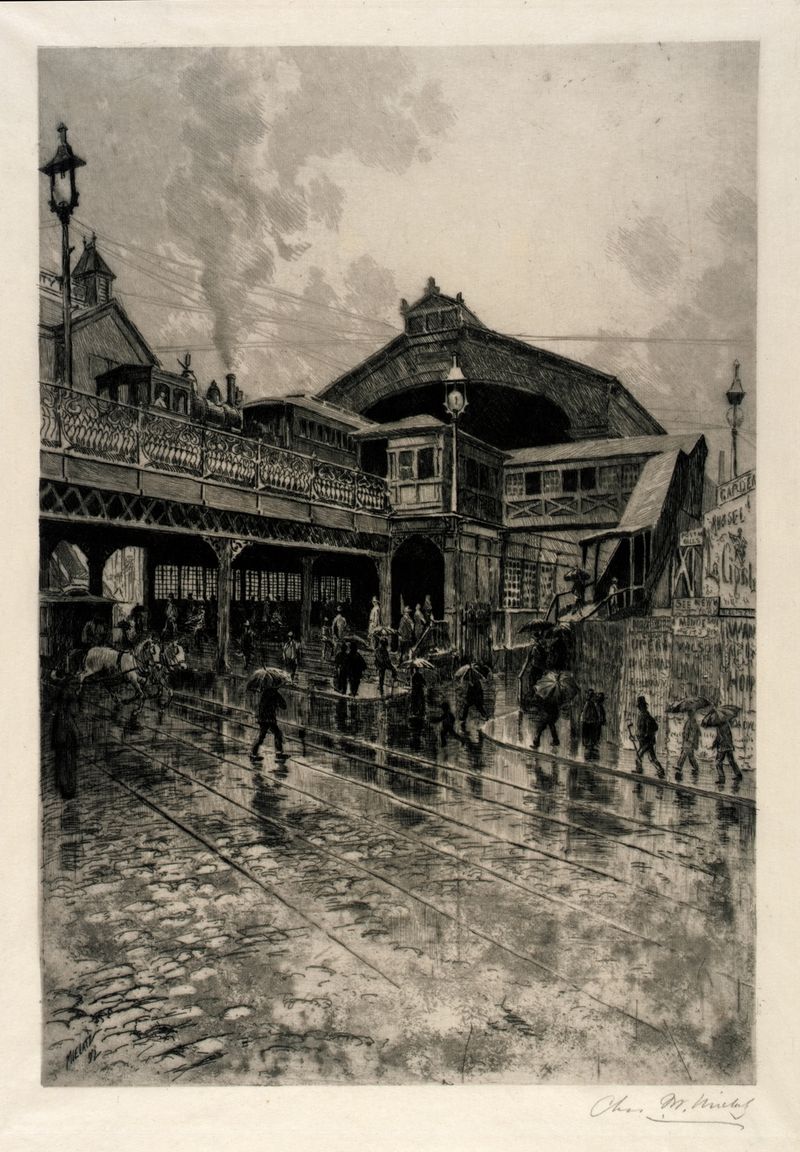
Entrance to Brooklyn Bridge
Charles Frederick William Mielatz
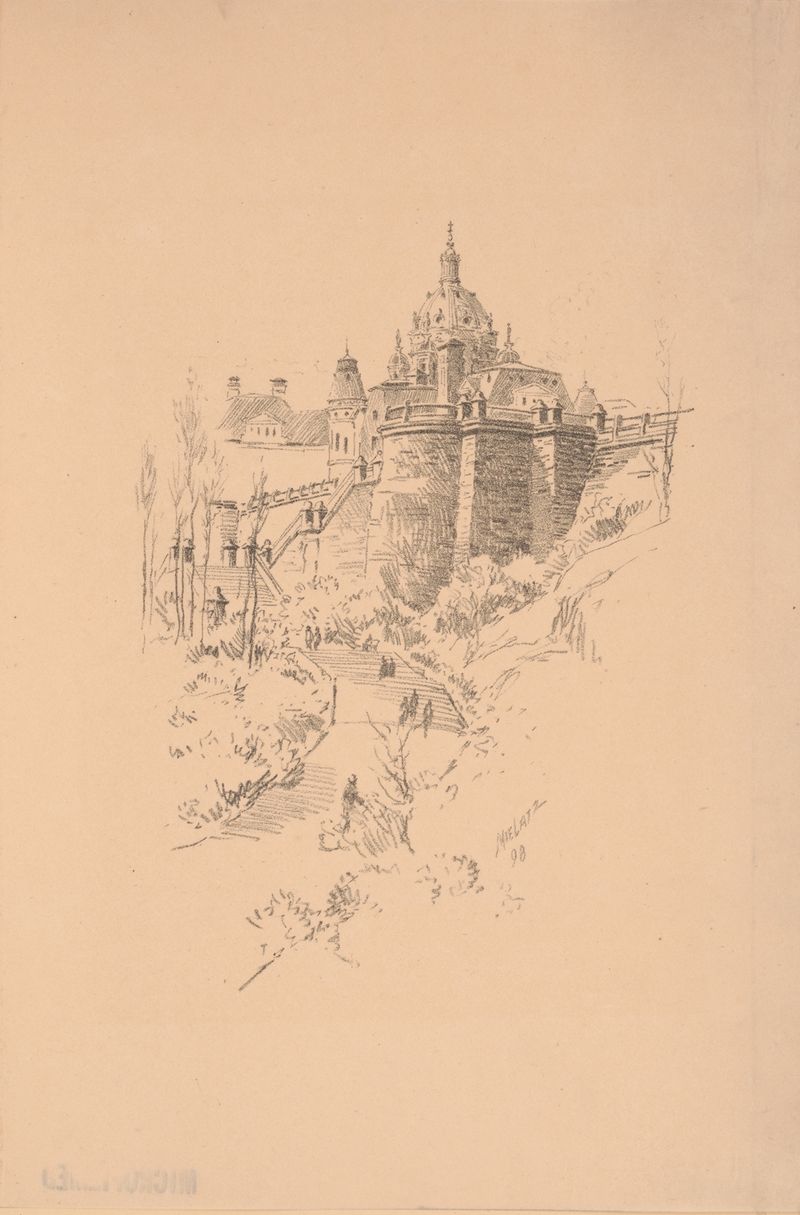
Morningside Park and St. Luke’s Hospital
Charles Frederick William Mielatz

Street Scene under Steel Bridge
Charles Frederick William Mielatz
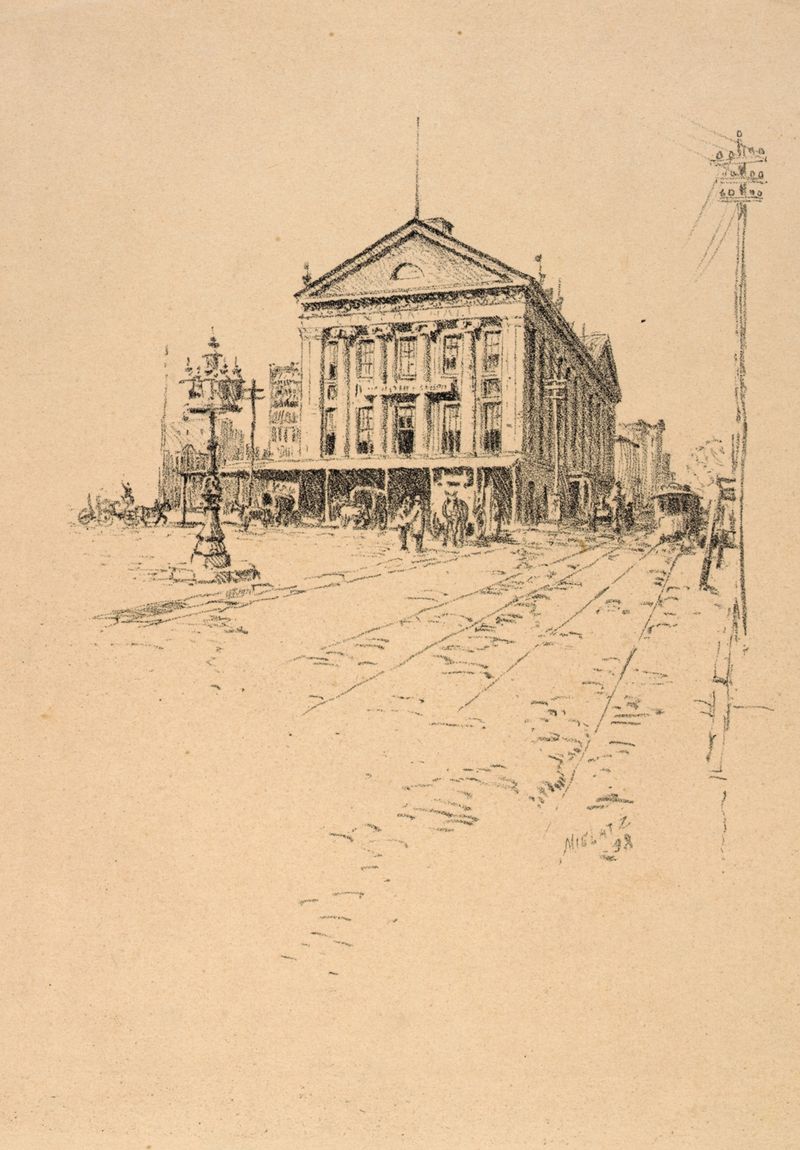
Clinton Hall
Charles Frederick William Mielatz
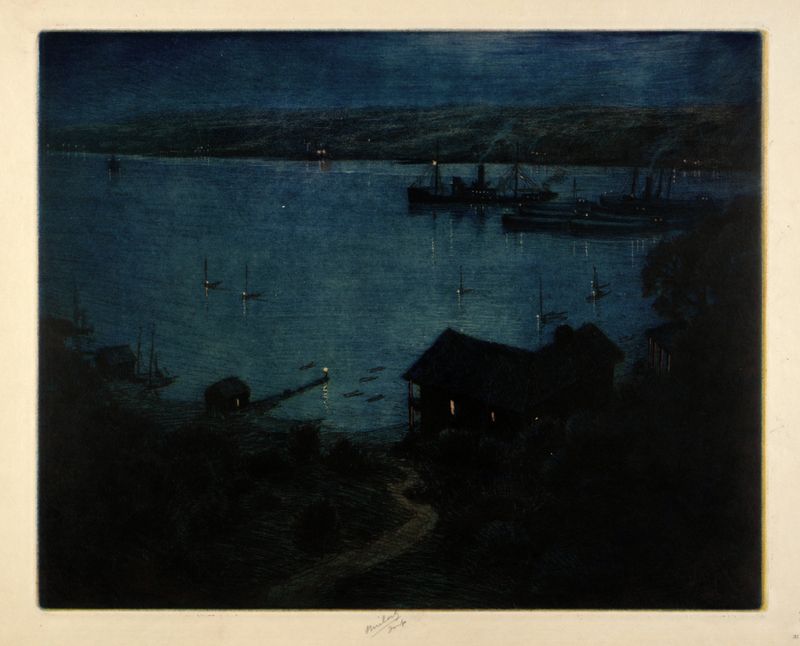
Moonlight–Hudson River
Charles Frederick William Mielatz
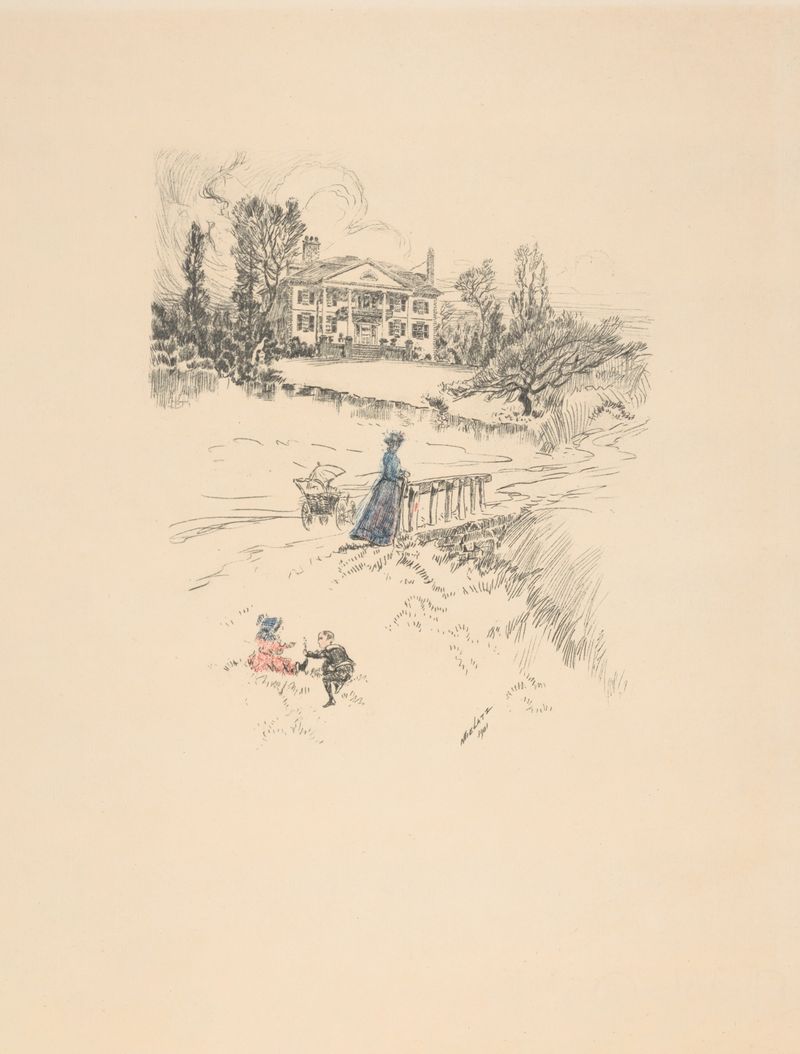
Jumel mansion
Charles Frederick William Mielatz
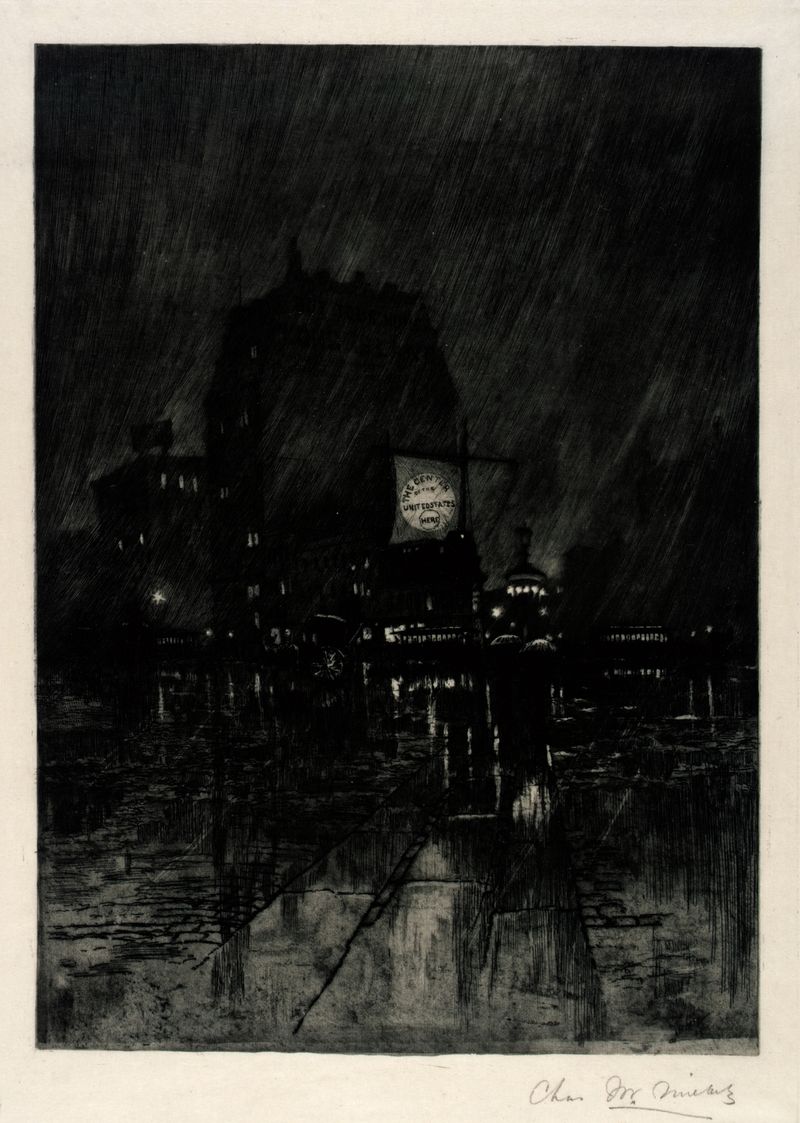
Rainy Night, Madison Square
Charles Frederick William Mielatz
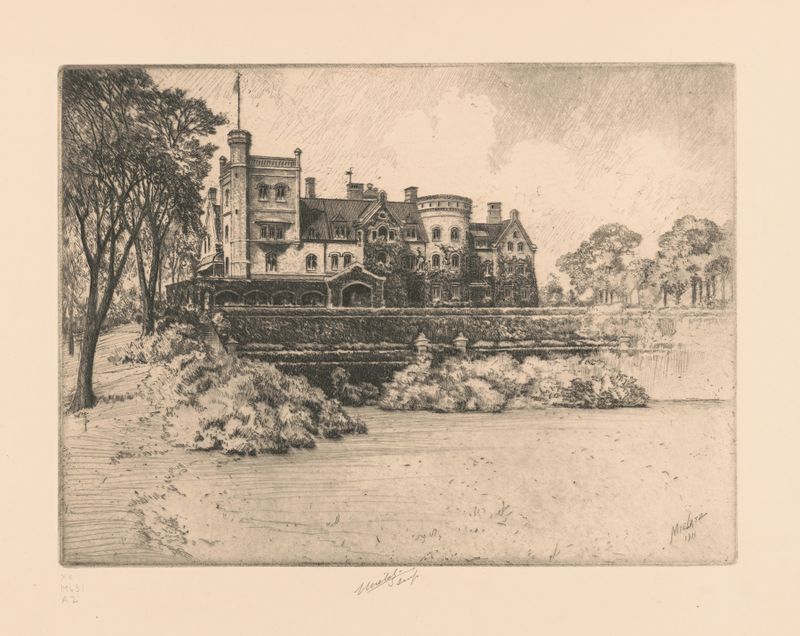
View of Rockwood, Tarrytown on the Hudson, residence of William Rockefeller, no. 3
Charles Frederick William Mielatz

View of Rockwood, Tarrytown on the Hudson, residence of William Rockefeller, no. 5
Charles Frederick William Mielatz





