
Old Quarter of Amsterdam — History & Facts
Can beauty exist without sorrow? In the quiet corners of the Old Quarter of Amsterdam, where shadows dance and light flickers, the answer unfolds with every brushstroke. Maxime Lalanne captures a moment not just of place, but of feeling—a bridge between the past and the present, echoing with history's whispers and the weight of time. Look to the left at the gentle arch of the canal, where the water reflects the muted colors of the buildings above. The intricate details of the architecture invite your gaze; notice the delicate lines of the brickwork contrasting with the smoothness of the water.
The soft, diffused light envelops the scene, casting long shadows that hint at both tranquility and solitude, emphasizing the stillness of the moment. Amidst the serene beauty, a tension lingers in the air. The contrast between the meticulously rendered buildings and the ominous clouds looming overhead suggests an underlying melancholy. Each element—the still water, the silent streets—speaks of a world that has experienced both joy and heartache, embodying the idea that transcendence often arises from the depths of sorrow.
This painting captures the delicate balance between nostalgia and the longing for what has been lost. In 1881, during a pivotal period in art history, Lalanne painted this scene in Amsterdam, a city rich with artistic inspiration. At that time, he was part of a movement that embraced realism while also experimenting with impressionistic influences. The world around him was evolving, and his work reflected a desire to encapsulate life's fleeting moments, rooted in the intersection of beauty and emotional depth.
More Artworks by Maxime Lalanne
Browse all →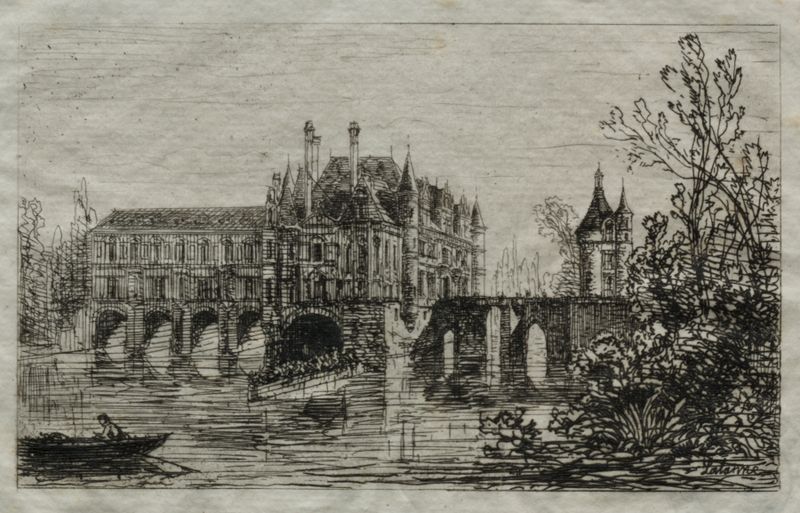
Château de Chenonceau
Maxime Lalanne
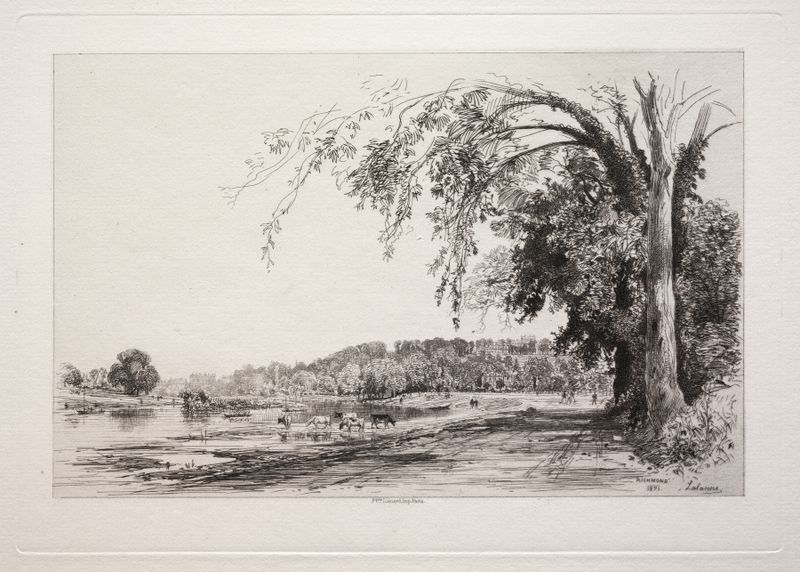
Richmond
Maxime Lalanne
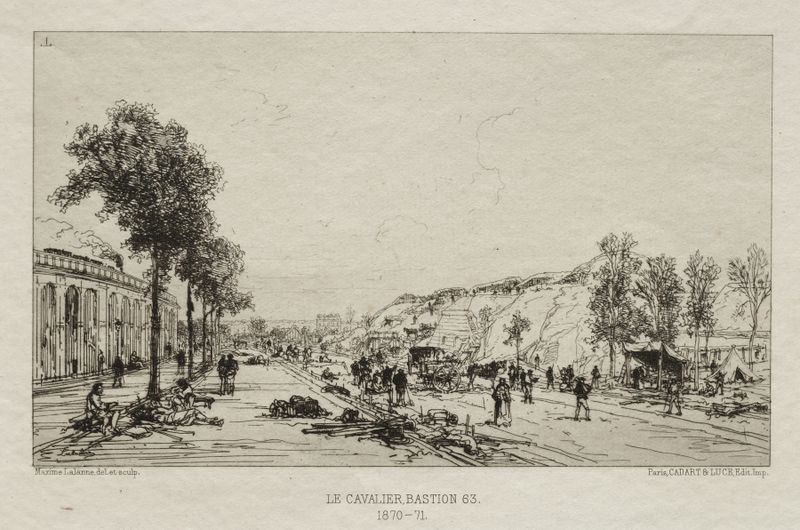
Souvenirs artistiques du Siège de Paris; Le Cavalie (Bastion 63)
Maxime Lalanne
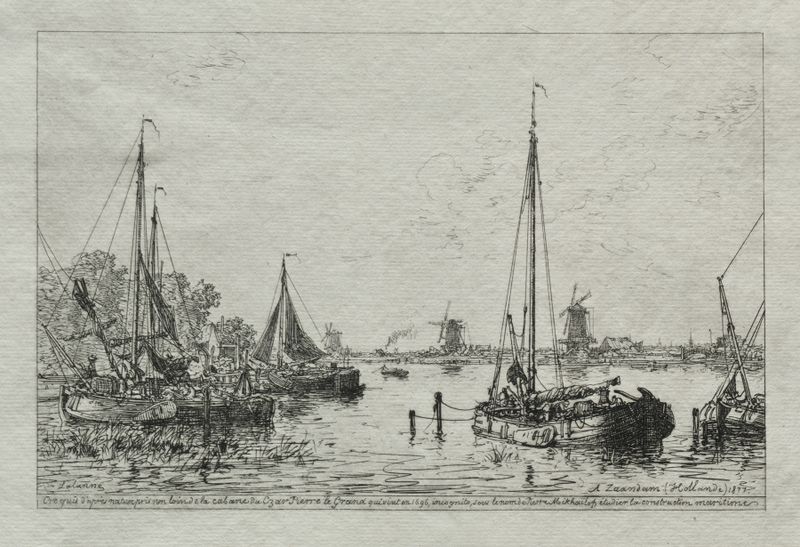
Sketch from Nature
Maxime Lalanne
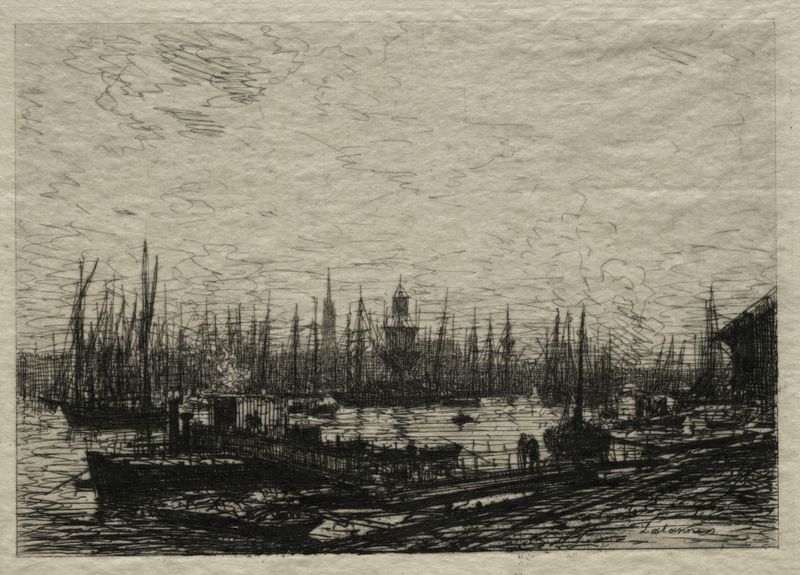
In the Bordeaux Harbor
Maxime Lalanne
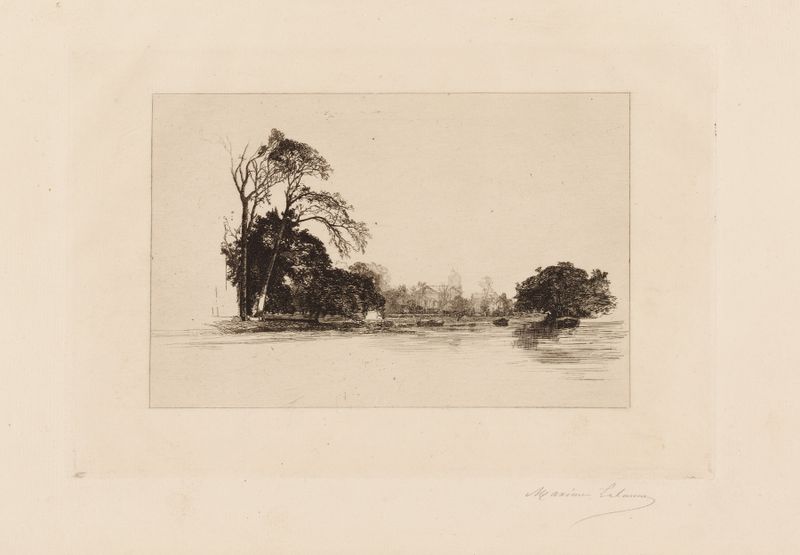
Bank of the Thames
Maxime Lalanne
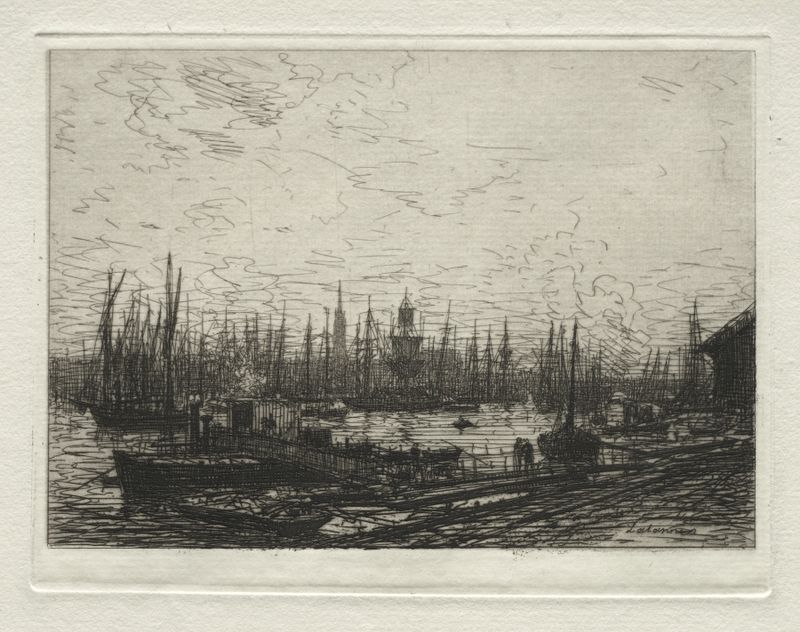
Port of Bordeaux
Maxime Lalanne
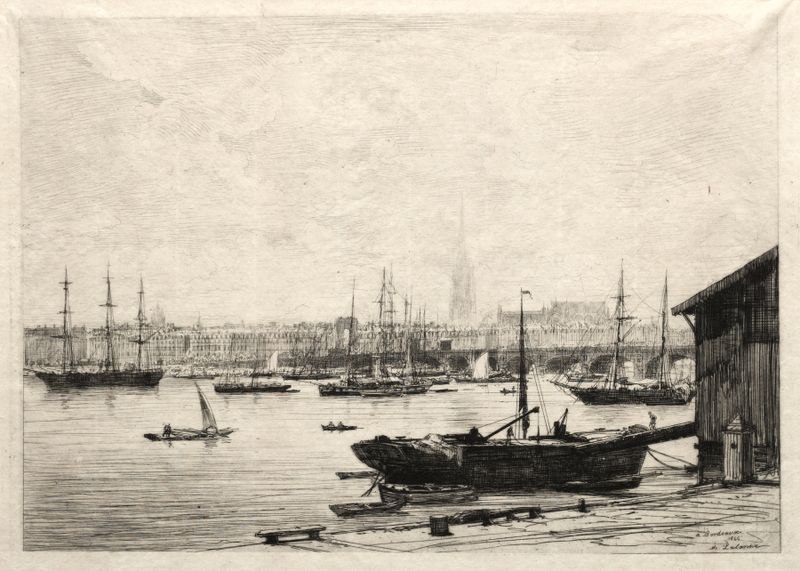
Bordeaux
Maxime Lalanne
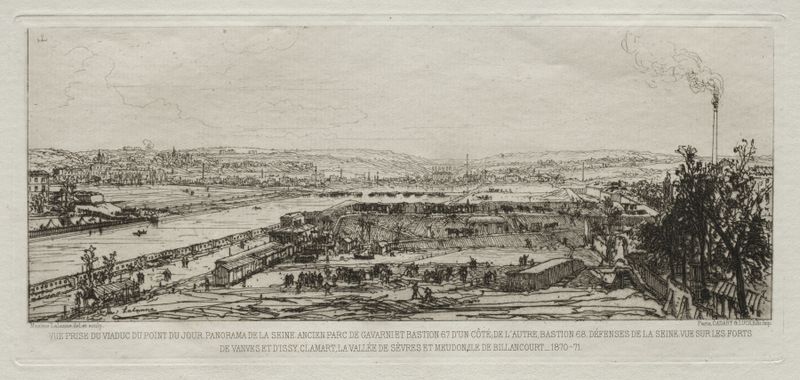
View from the Viaduct at the Pont-du-Jour, Panorama de la Seine
Maxime Lalanne
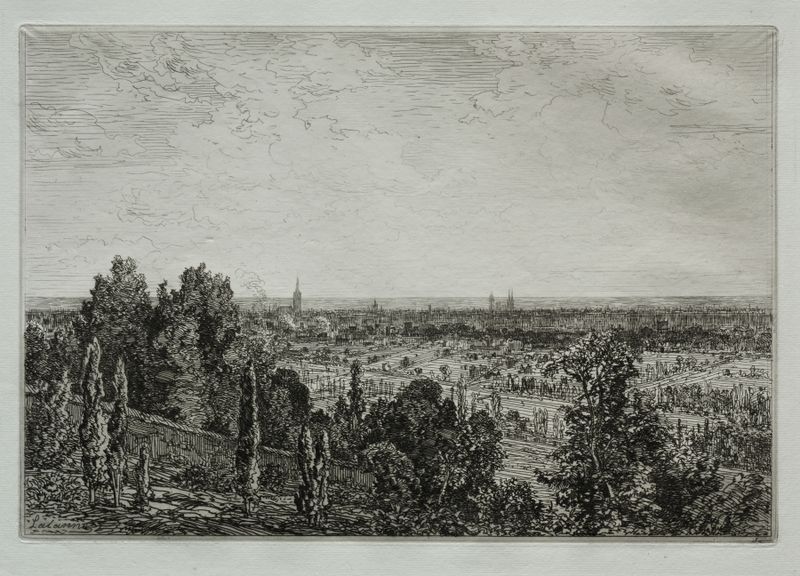
Bordeaux, View from the Coast of Cénon
Maxime Lalanne





