
Oliemolen De Koperslager en het Vette-Schaap aan het Zaandijkerwegje — History & Facts
When did color learn to lie? The vibrant hues of a landscape can sometimes mask an underlying truth, whispering secrets of its creation. Focus on the swirling greens and yellows in the foreground, where the grass dances against the gentle breeze. Notice how Eijman skillfully blends tones to create depth, leading the eye toward the windmill that stands stoic in the distance. The play of light on its weathered wooden blades reveals both wear and resilience, capturing the essence of rural life amidst nature’s cadence. In this work, the juxtaposition between the lively colors and the stillness of the windmill speaks to the contrast between industry and nature.
The meticulously crafted clouds above are imbued with a sense of impending change, hinting at the passage of time and the relentless march of modernity. Every brushstroke is laden with the weight of nostalgia, evoking a longing for simplicity yet simultaneously embracing the complexities of human progress. During the years spanning 1930 to 1945, Eijman was painting against the backdrop of a rapidly changing Netherlands. This period was marked by industrial growth and the looming shadows of war.
Despite the external turmoil, he found solace and beauty in everyday landscapes, capturing a moment frozen in time, where the orange glow of creation meets the stoic endurance of the world.
More Artworks by Johannes Nicolaas Eijman
Browse all →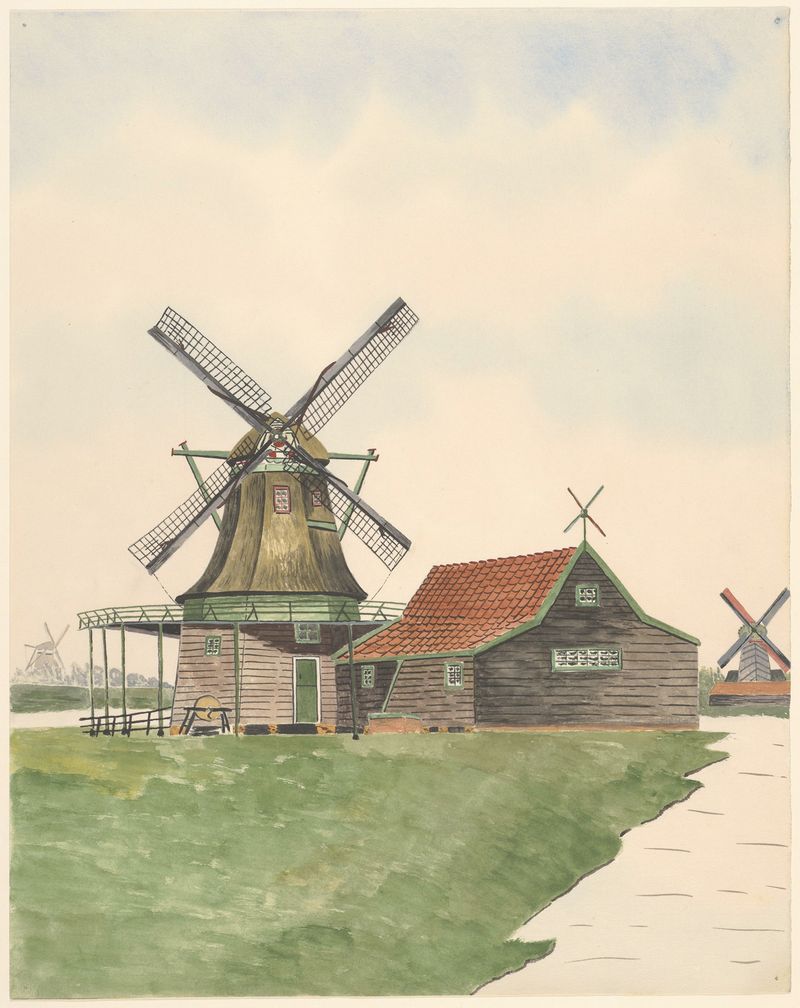
molens; oliemolen De Olievos, aan de Papenpadsloot, gesloopt 1878
Johannes Nicolaas Eijman
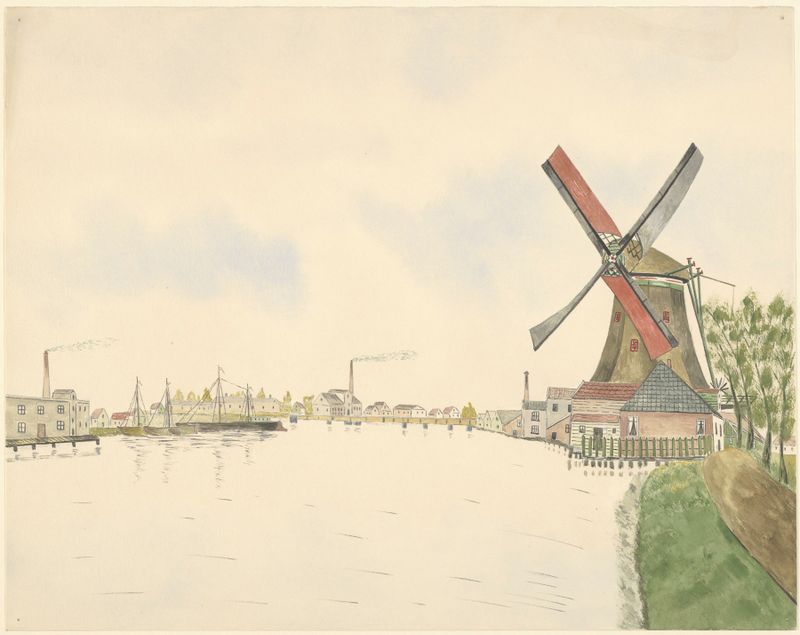
molens; meelmolen De Koker
Johannes Nicolaas Eijman

Papiermolen de Eendracht aan de westzijde van het Zaandammerpad, Wormer
Johannes Nicolaas Eijman
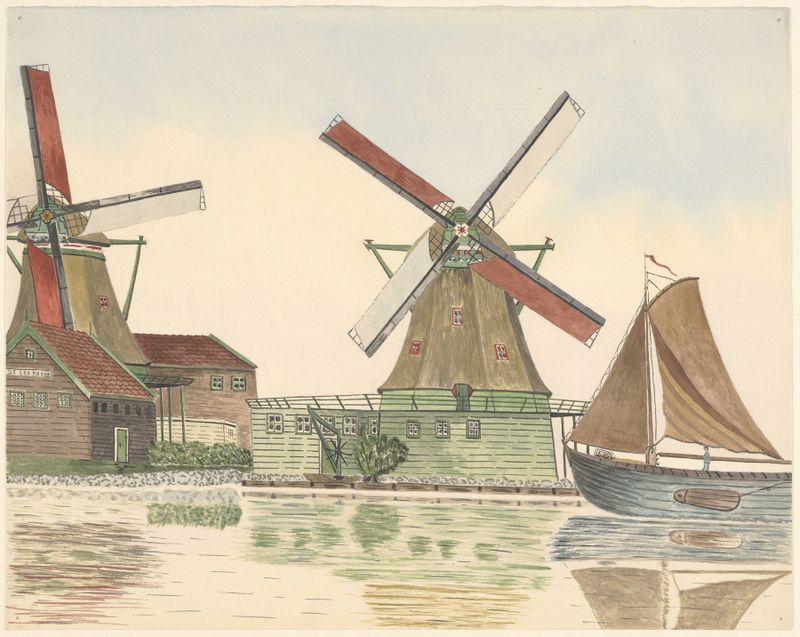
molens; oliemolen De Oude-Zwan, aan de Kalverpoel
Johannes Nicolaas Eijman
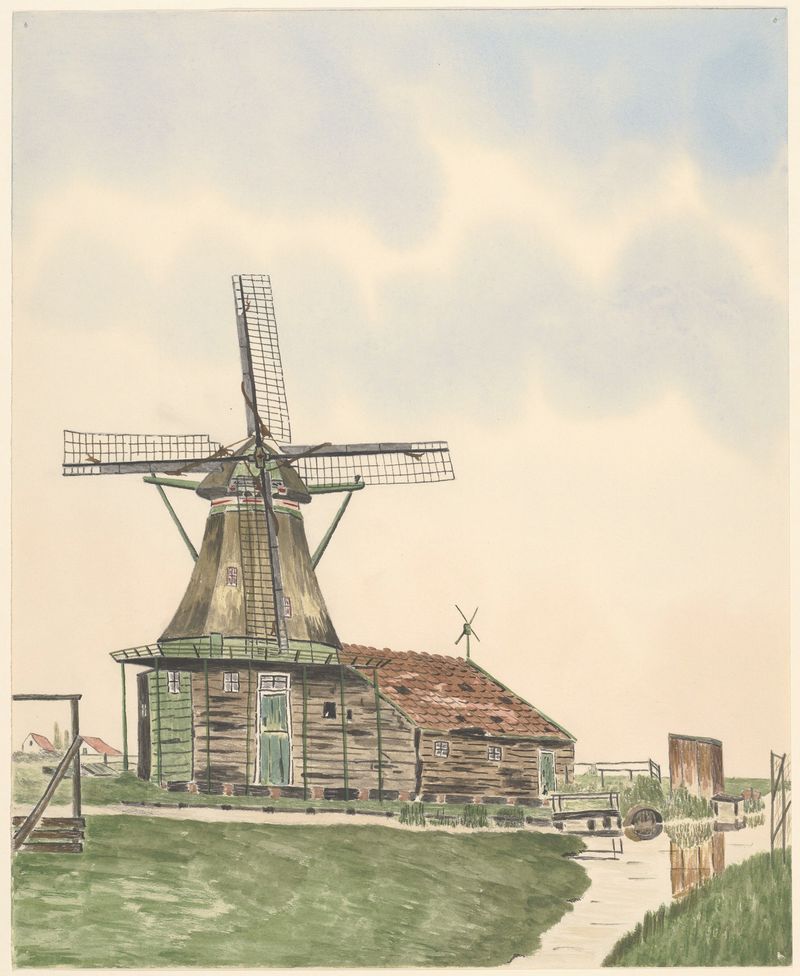
molens; oliemolen Het Oude-Honingvat, Oostzijderveld
Johannes Nicolaas Eijman
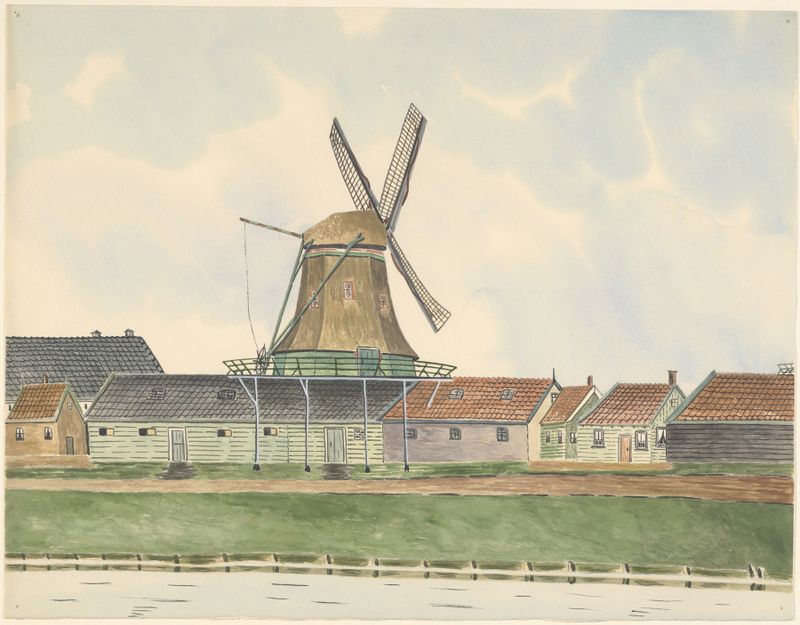
molen; oliemolen Het Witte-Paard aan het Zaandijkerwegje, 1893 gesloopt
Johannes Nicolaas Eijman

Op de voorgrond rechts doppenmolen De Prolpot aan de Hemmes, op de achtergrond links twee andere molens
Johannes Nicolaas Eijman
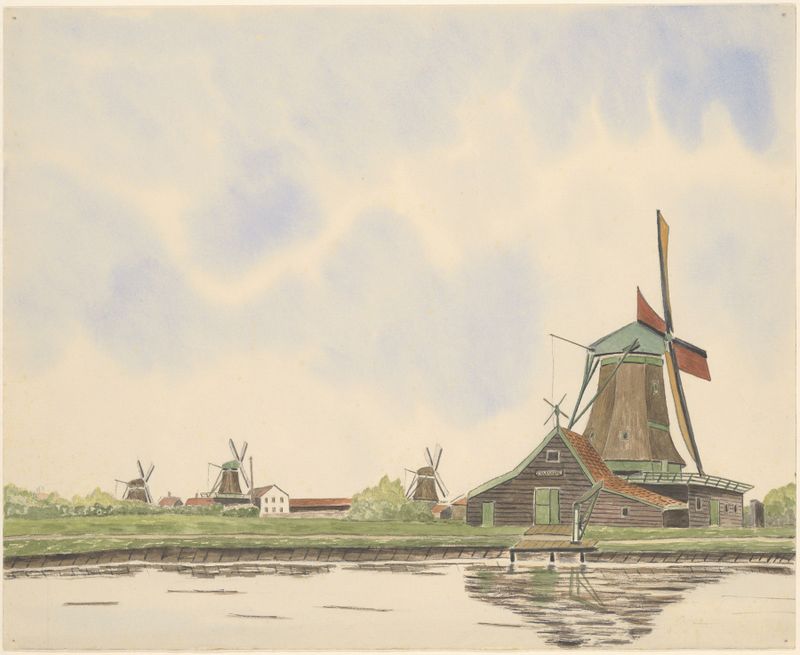
Oliemolen De Kerkuil aan de Zaan, met drie molens op de achtergrond. De Kerkuil stond binnendijks, tegenover de Wormerveerderkerk; afgebroken ca. 1892
Johannes Nicolaas Eijman
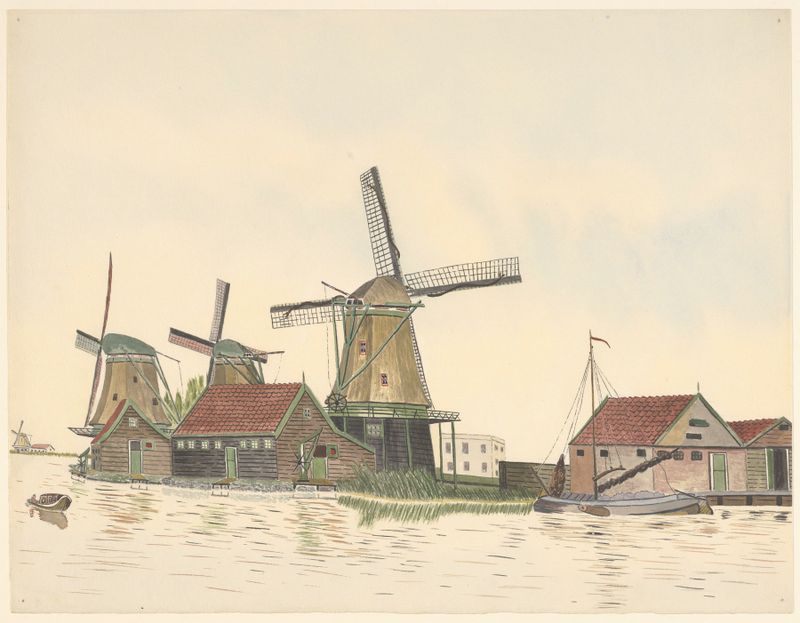
molens; De Ooievaar; De Windhond; De Gans, Kalverringdijk
Johannes Nicolaas Eijman
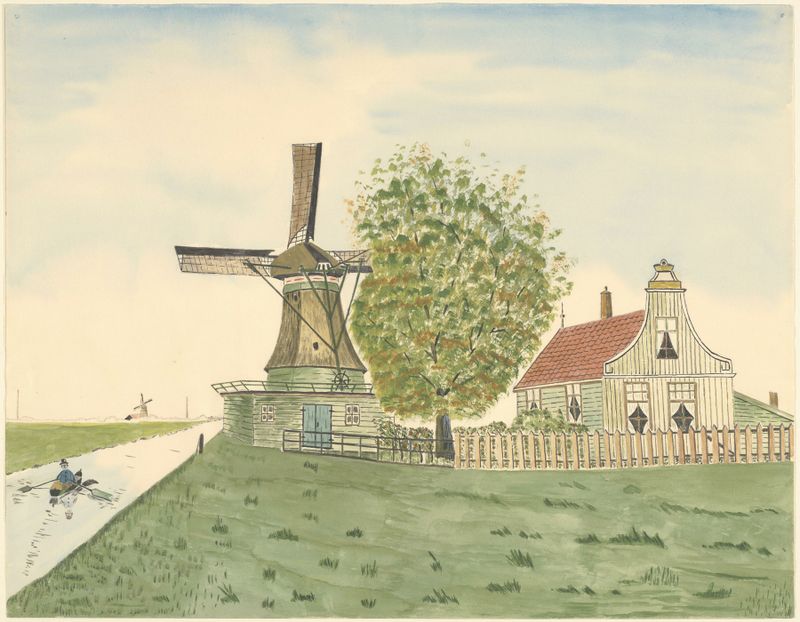
molens; houtzaagmolen De Haan
Johannes Nicolaas Eijman





