
Oliemolen De Zoeker, versierd ter gelegenheid van de bevrijding, mei 1945 — History & Facts
Could beauty survive in a century of chaos? In the wake of war, the vibrant colors and vivid details of this painting offer a striking revelation—a moment of hope amid destruction. Look to the center of the canvas where the windmill stands, adorned with festive decorations that contrast sharply against the somber backdrop of a war-torn landscape. The brushstrokes pulse with life, capturing not just the structure but the spirit of celebration; hues of red and white intertwine with the deep greens of the surrounding fields. Notice how the light dances across the windmill’s blades, illuminating its features, while shadows linger like whispers of the past around its base. Delve deeper into the symbolism woven throughout the scene.
The windmill becomes not just a structure but a beacon of resilience, representing the community's spirit returning to life. The decorations signify liberation, yet they also echo the fragility of joy in hard times. Each fluttering ribbon tells a tale of triumph, while the muted tones in the background remind us of loss, creating a poignant contrast between celebration and remembrance. Created in the aftermath of World War II, this painting captures a moment in history that was both personal and collective.
Johannes Nicolaas Eijman painted it in May 1945, as the Netherlands emerged from the clutches of occupation. In this tumultuous period, artists sought to encapsulate the essence of renewal, making their work a testament to the perseverance of the human spirit—an ode to the beauty that can rise from the ashes of chaos.
More Artworks by Johannes Nicolaas Eijman
Browse all →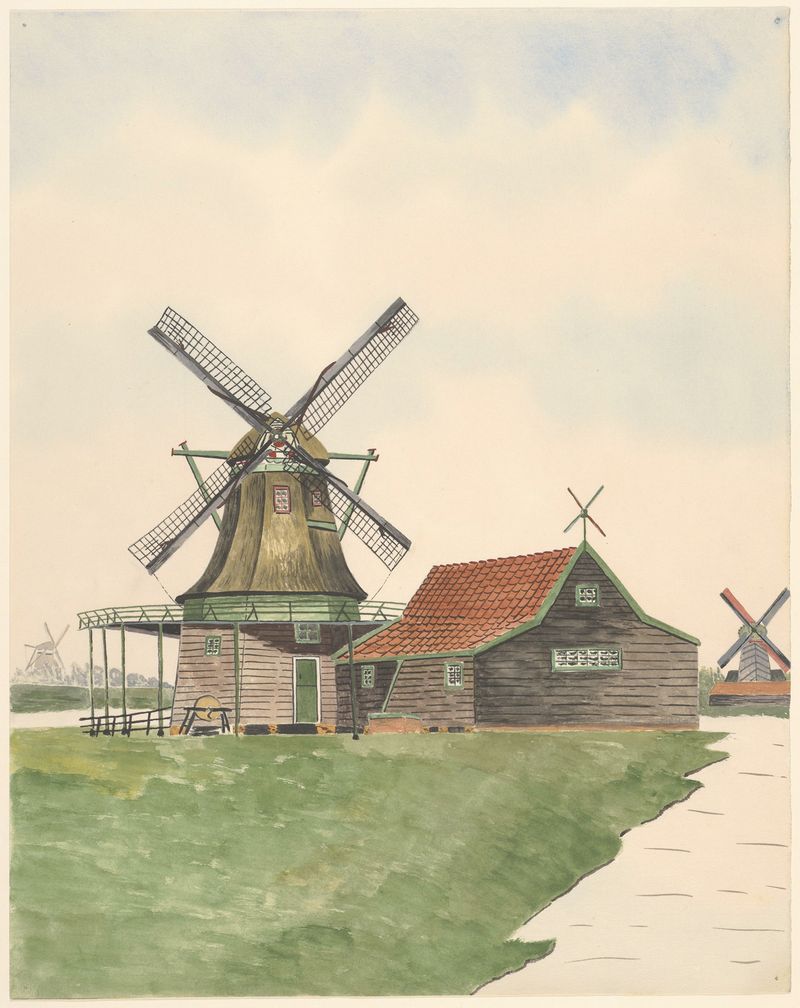
molens; oliemolen De Olievos, aan de Papenpadsloot, gesloopt 1878
Johannes Nicolaas Eijman
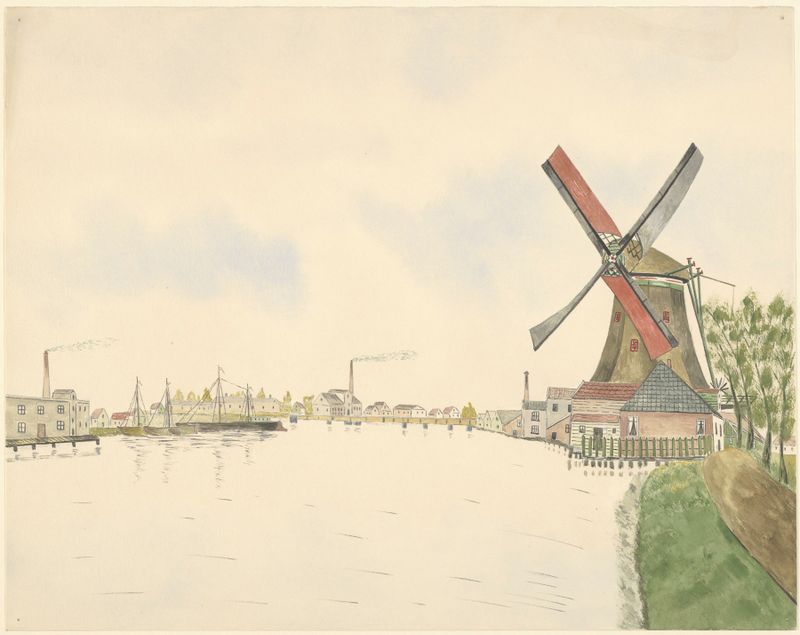
molens; meelmolen De Koker
Johannes Nicolaas Eijman

Papiermolen de Eendracht aan de westzijde van het Zaandammerpad, Wormer
Johannes Nicolaas Eijman
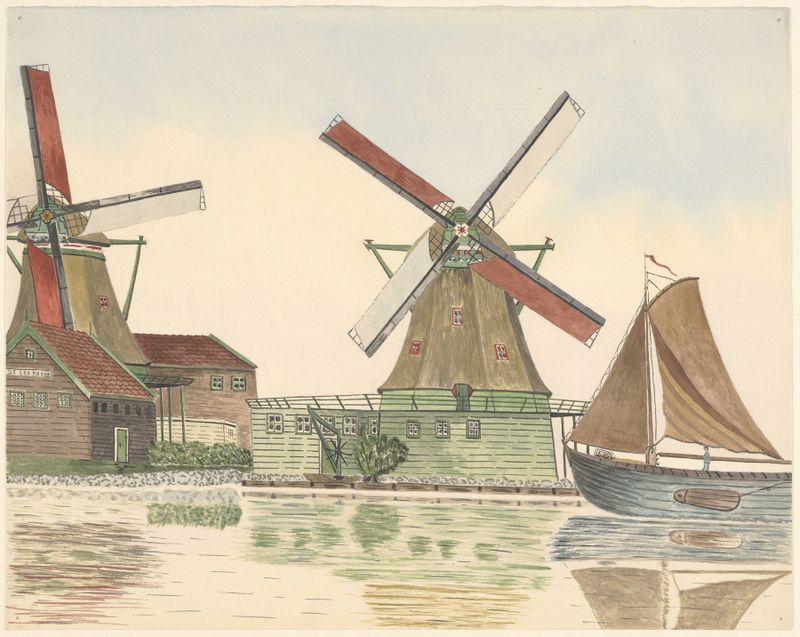
molens; oliemolen De Oude-Zwan, aan de Kalverpoel
Johannes Nicolaas Eijman
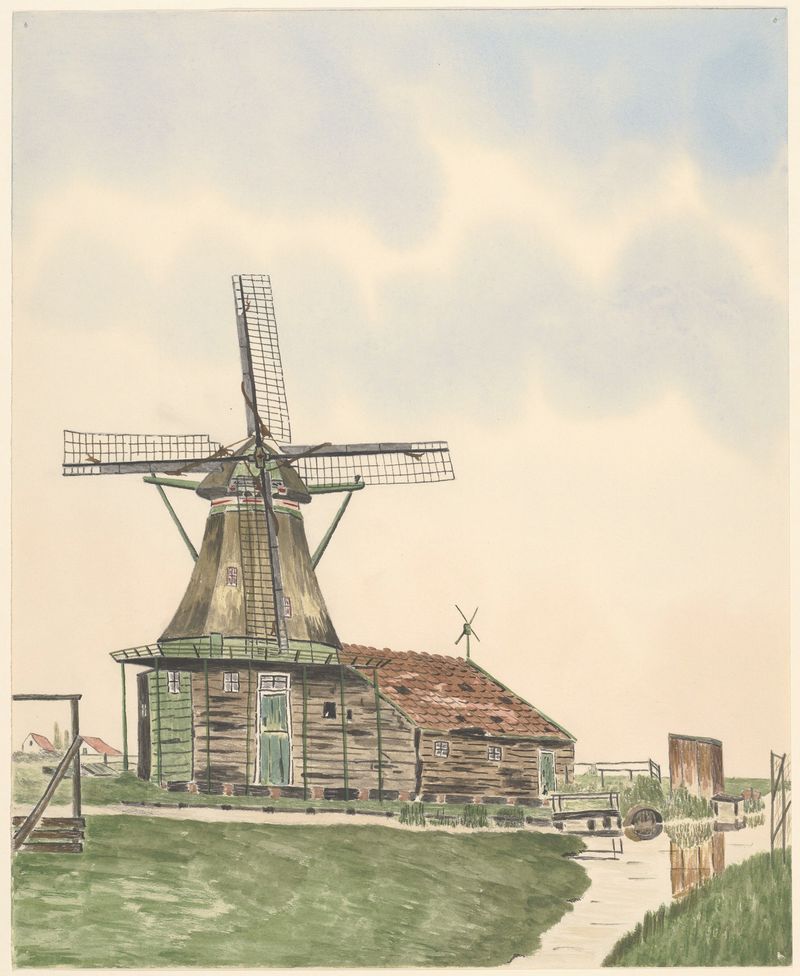
molens; oliemolen Het Oude-Honingvat, Oostzijderveld
Johannes Nicolaas Eijman
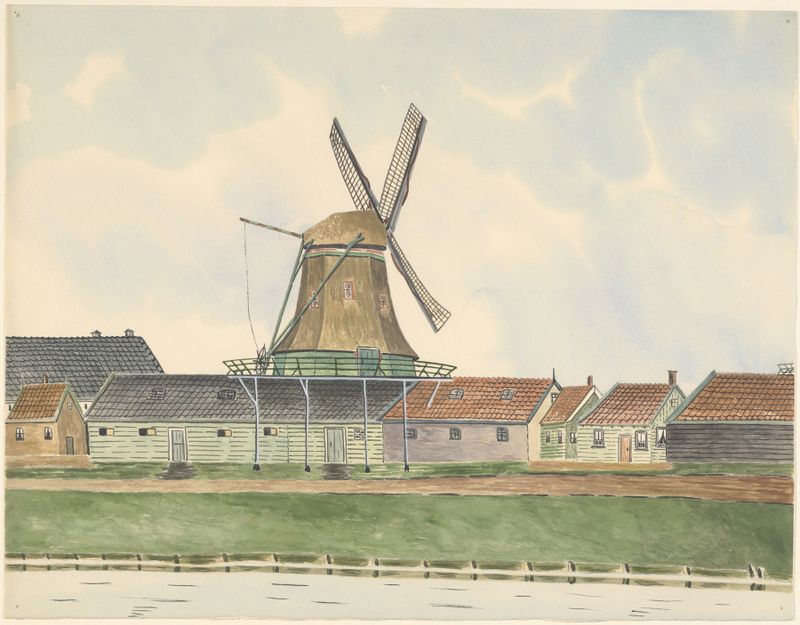
molen; oliemolen Het Witte-Paard aan het Zaandijkerwegje, 1893 gesloopt
Johannes Nicolaas Eijman

Op de voorgrond rechts doppenmolen De Prolpot aan de Hemmes, op de achtergrond links twee andere molens
Johannes Nicolaas Eijman
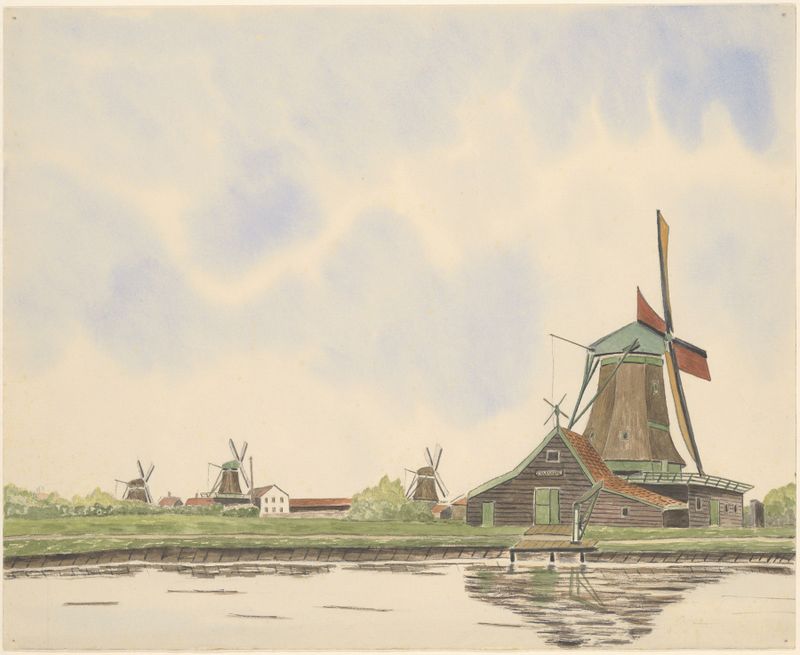
Oliemolen De Kerkuil aan de Zaan, met drie molens op de achtergrond. De Kerkuil stond binnendijks, tegenover de Wormerveerderkerk; afgebroken ca. 1892
Johannes Nicolaas Eijman
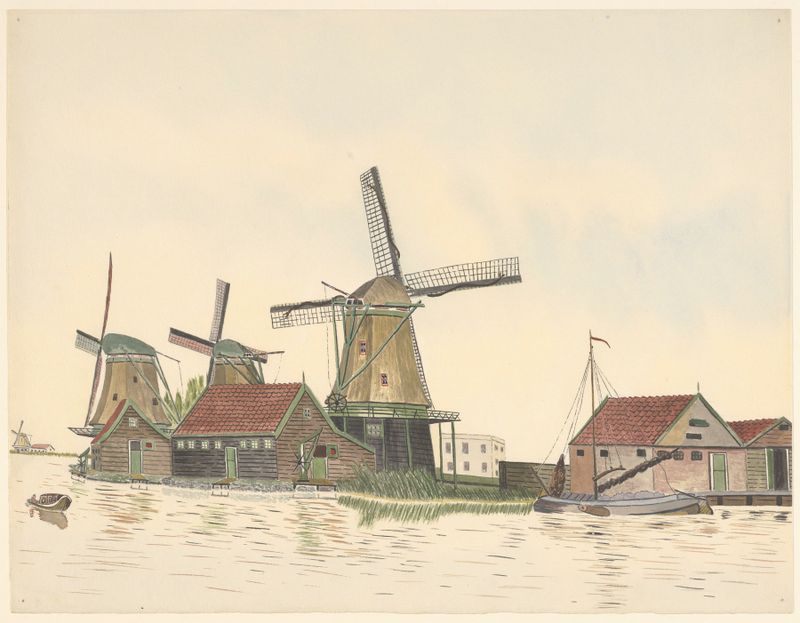
molens; De Ooievaar; De Windhond; De Gans, Kalverringdijk
Johannes Nicolaas Eijman
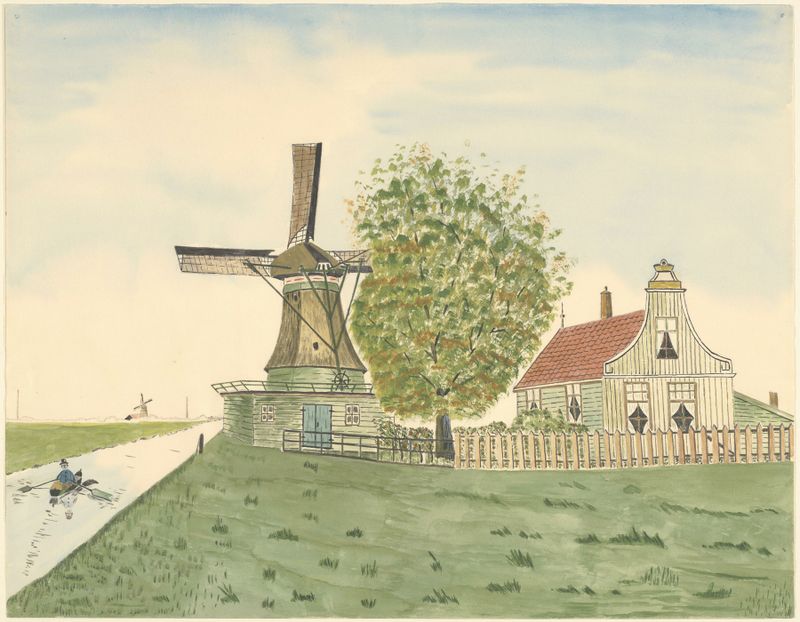
molens; houtzaagmolen De Haan
Johannes Nicolaas Eijman





