
Onderdelen van het tabernakel — History & Facts
Did the painter know this moment would outlive them? In Onderdelen van het tabernakel, the viewer is invited into a world where divinity and artistry entwine, capturing a fleeting glimpse of the eternal. Look to the upper left, where intricate gilded details swirl around the central tabernacle, emanating warmth against the cooler tones of the background. The rich reds and deep greens of the drapery invite your eyes to travel across the composition, leading to the delicately rendered figures beneath. The play of light dances across textures, illuminating the fine craftsmanship of each element while casting shadows that hint at the sacredness of the scene. The juxtaposition of opulence and simplicity conveys a profound tension; the ornamental richness of the tabernacle suggests a divine promise, while the humble figures surrounding it ground the viewer in earthly reality.
Notice how their expressions, a blend of reverence and contemplation, draw your gaze back to the central structure, reminding us of the duality of faith — the grandeur of the divine contrasted with the quiet devotion of humanity. Lucas Cranach (I) created this work between 1523 and 1526 during a pivotal moment in the Protestant Reformation. Residing in Wittenberg, he was immersed in a world of theological upheaval, reflecting the changing nature of spirituality through his artistry. This piece exemplifies his commitment to merging the sacred with the everyday, celebrating the divine while remaining accessible to the hearts of the faithful.
More Artworks by Lucas Cranach (I)
Browse all →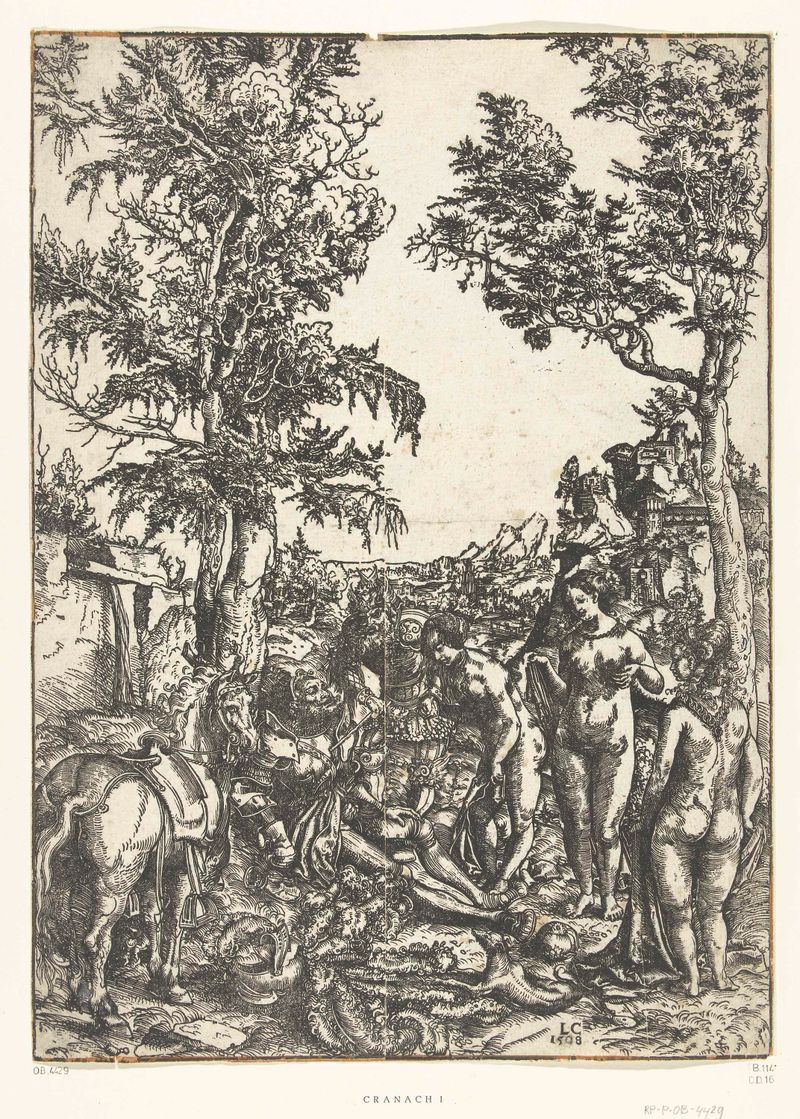
Oordeel van Paris
Lucas Cranach (I)
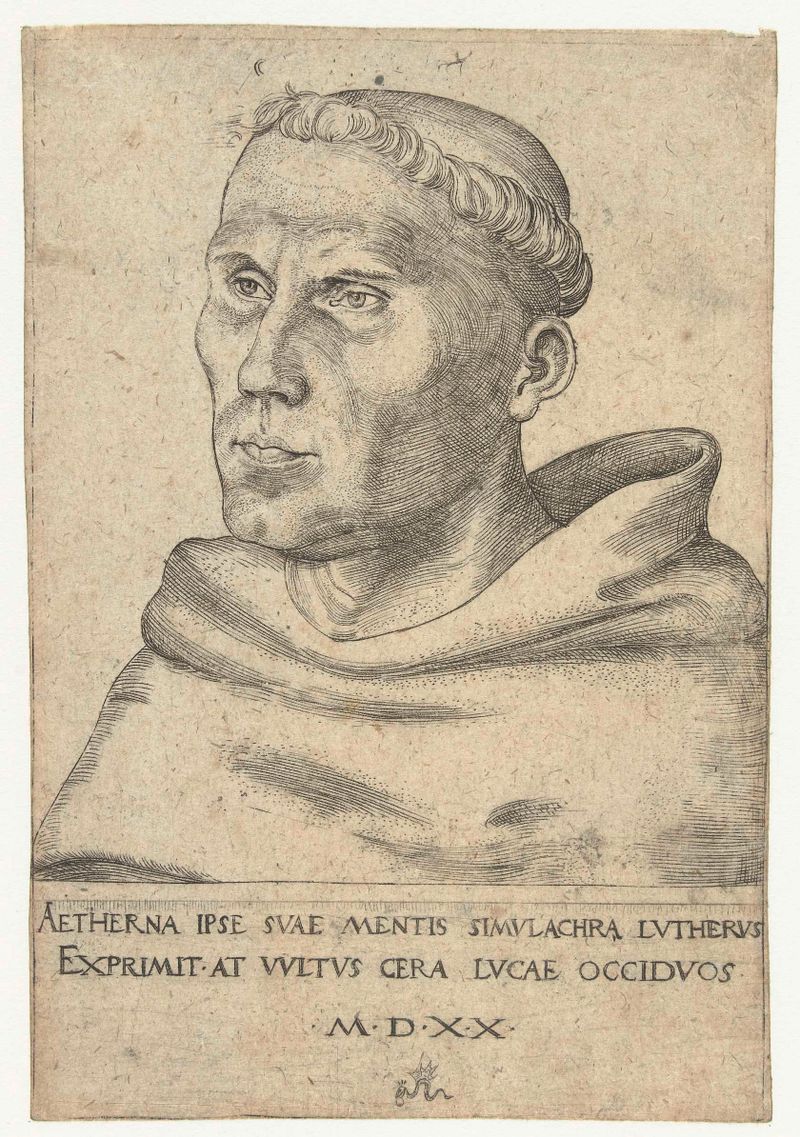
Portret van Martin Luther als Augustijner monnik
Lucas Cranach (I)
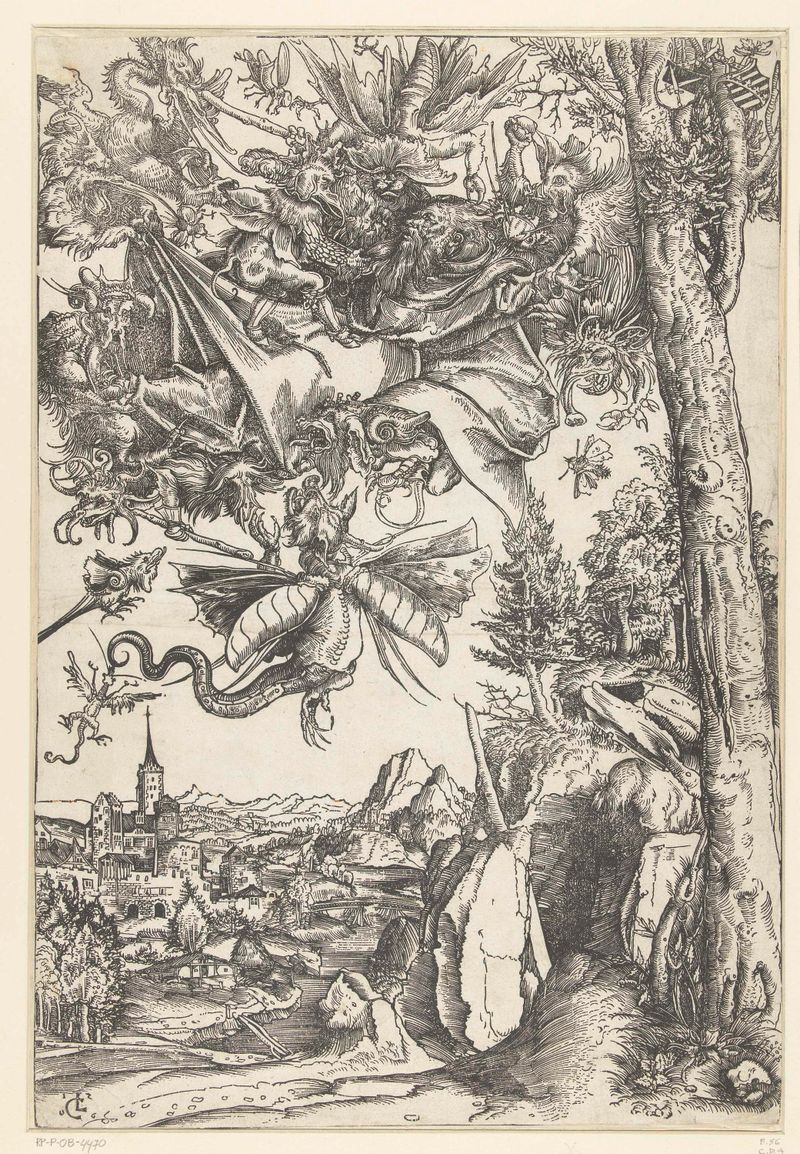
Verzoeking van Antonius met aanval door demonen
Lucas Cranach (I)

Christus en de Samaritaanse vrouw
Lucas Cranach (I)

Duits toernooi met twee edelmannen als ridders te paard
Lucas Cranach (I)
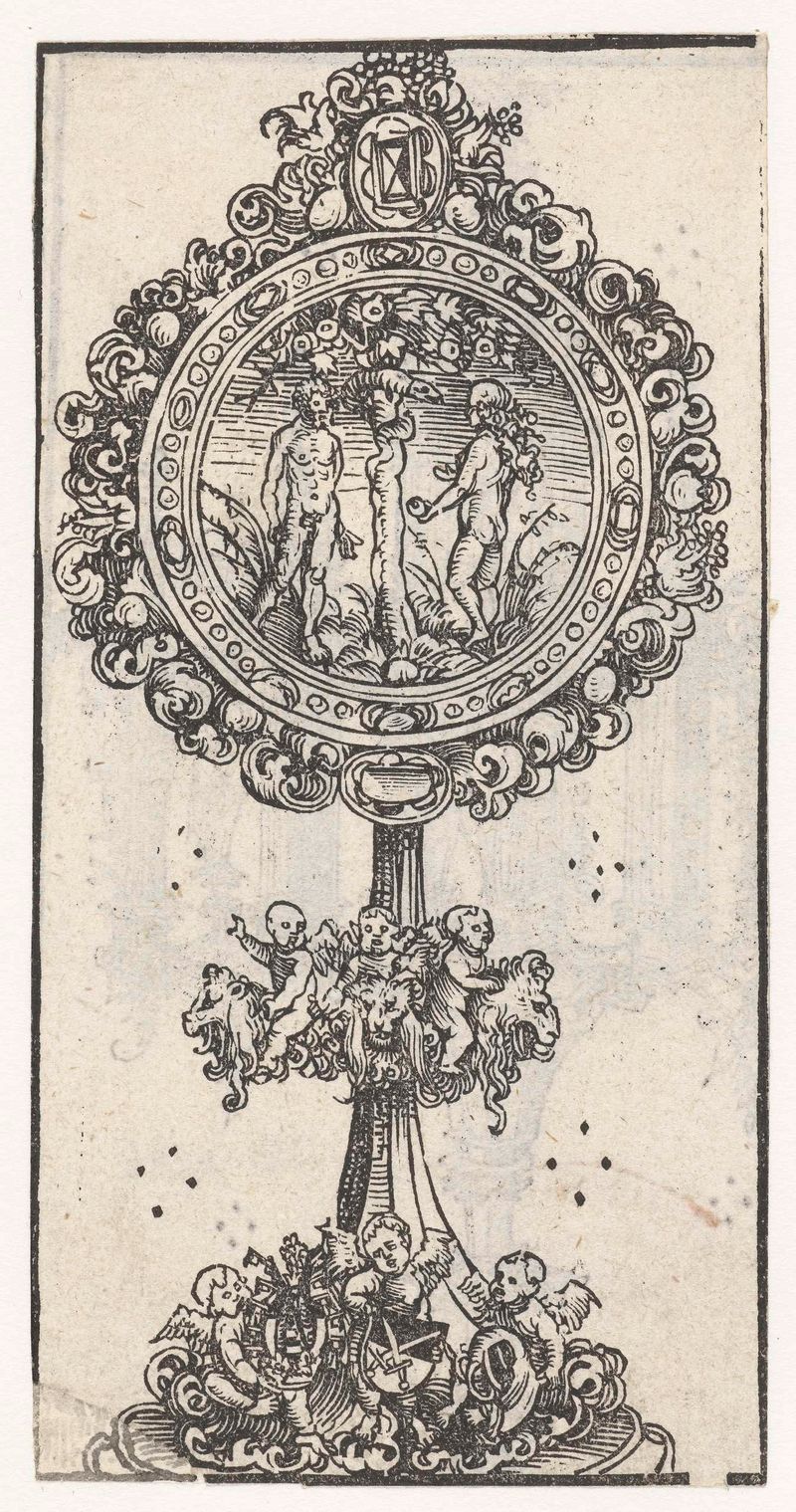
Reliekhouder met de verzoeking van Adam en Eva
Lucas Cranach (I)

Intocht van Christus in Jerusalem
Lucas Cranach (I)
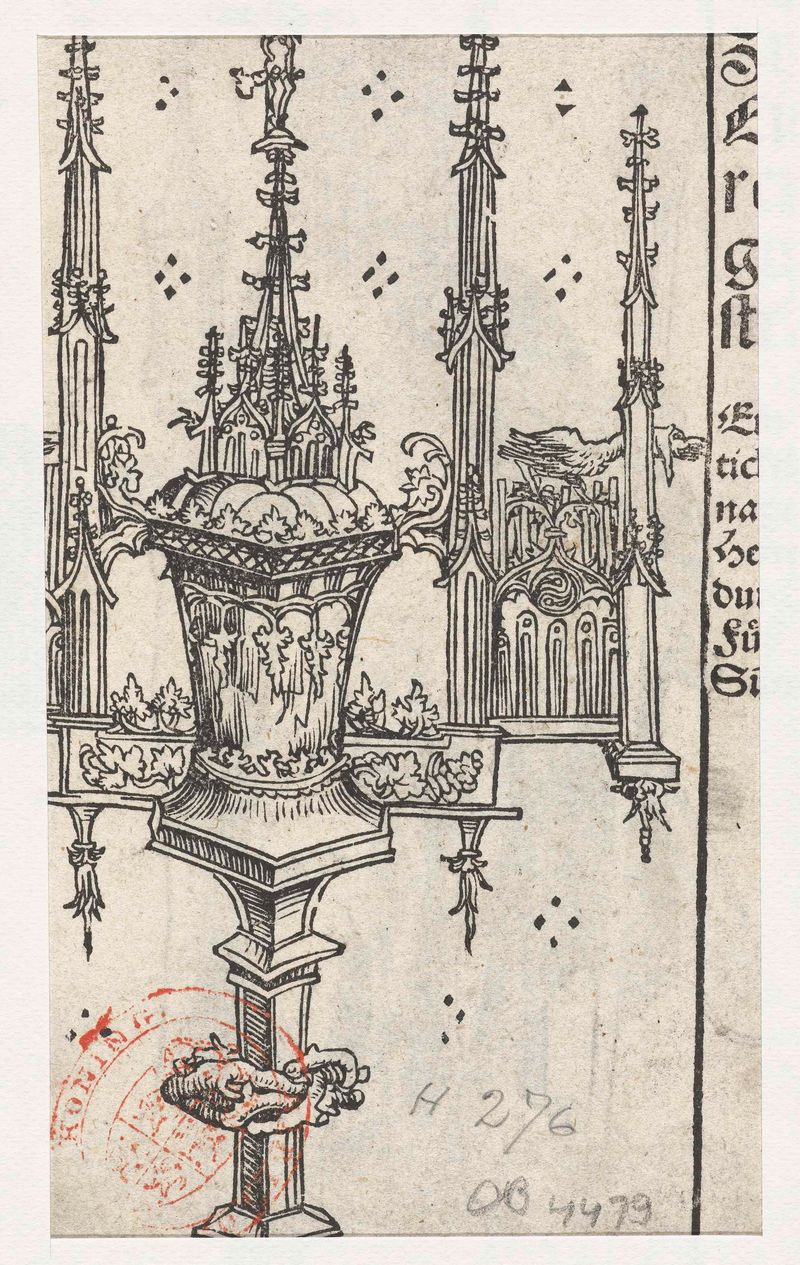
Monstrans met vogel (pelikaan)
Lucas Cranach (I)
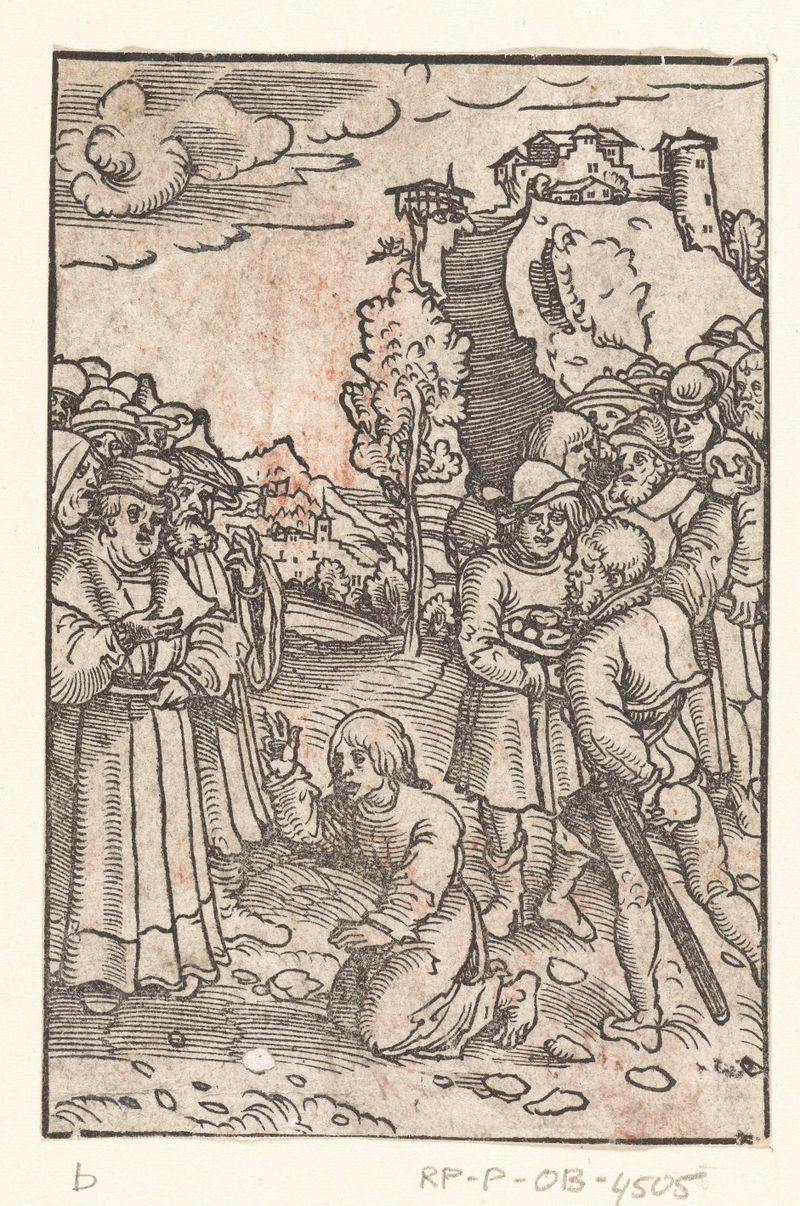
Steniging van Stefanus
Lucas Cranach (I)
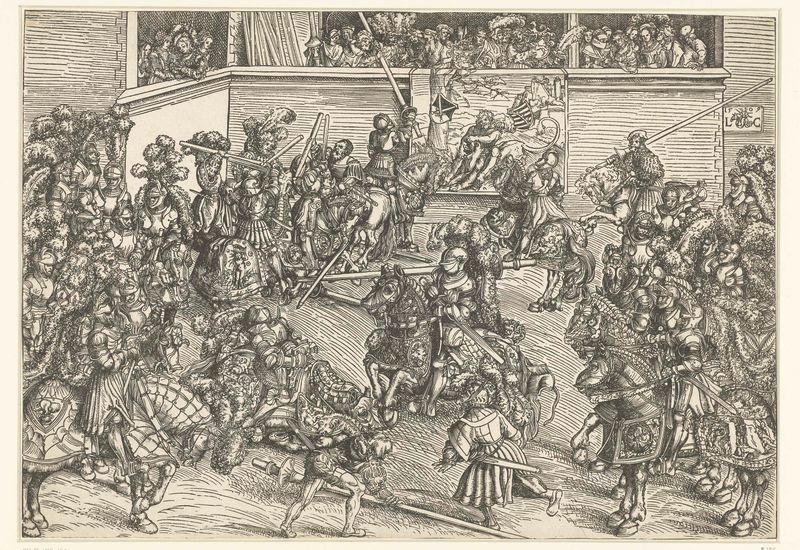
Toernooi van het keurvorstelijk hof van Saksen met wandtapijt Simson doodt de leeuw
Lucas Cranach (I)
More Religious Art
Browse all →
The Return of the Prodigal Son
Rembrandt van Rijn

The Garden of Earthly Delights
El Bosco

Count Orgaz’ funeral
El Greco

The Hundred Guilder Print: the central piece with Christ preaching, the plate arched
Rembrandt van Rijn

The Descent from the Cross
Rogier van der Weyden

The return of the prodigal son
Rembrandt van Rijn