
Onderstok van een paraplu of parasol van zwart geverfd hout met een gekromde haak, voorzien van twee zilverkleurige metalen ringen — History & Facts
Can beauty exist without sorrow? In the delicate curves of a black-painted umbrella, one might find a haunting reflection of life’s paradoxes. Look closely at the intricate craftsmanship of the handle, where the wood’s sheen captures the light. Notice the elegant curvature and the striking contrast between the dark finish and the two silver rings that adorn it. The composition is deceptively simple yet profoundly suggestive, drawing the viewer into a contemplation of both its elegance and the weight it carries.
The solid form evokes a sense of protection, while its very nature—an object designed for shelter against storms—hints at the tumultuous emotions lurking beneath. Examining the details reveals deeper layers of meaning. The black wood, while beautiful, may evoke feelings of mourning or loss, suggesting a quiet violence beneath the surface of its craftsmanship. The silver rings could symbolize the tethering of joy to sorrow, hinting that even the most graceful objects are not exempt from the scars of existence.
This juxtaposition invites reflection on how beauty can emerge from darkness, creating a rich tapestry of emotions that resonates with the viewer. Created between 1920 and 1940, this piece reflects a tumultuous period in art history, marked by a search for identity amid chaos. Schnitzler, emerging from the post-war atmosphere, found inspiration in the ordinary, transforming everyday objects into reflections of deeper truths. His work speaks not only to his personal experiences but also to a collective yearning for solace, forging connections between beauty, violence, and the human condition.
More Artworks by Gustav Schnitzler
Browse all →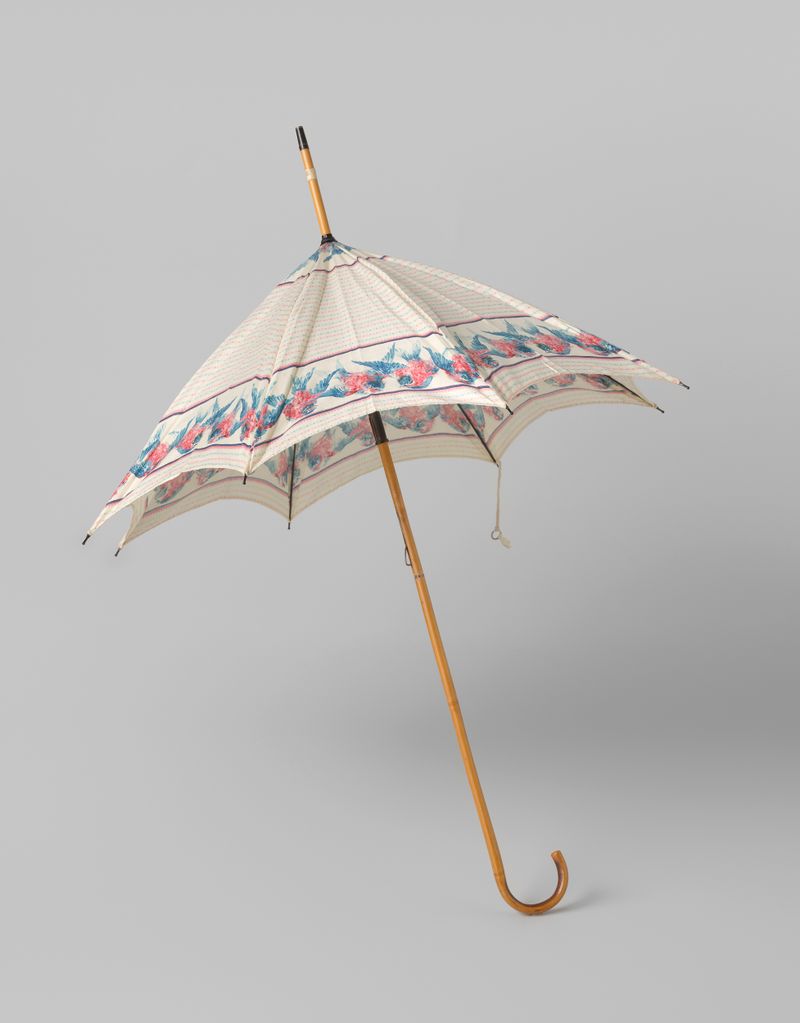
Parasol met dek witte katoen bedrukt met roze en blauwe vogeltjes, op een bamboe stok met gebogen handvat
Gustav Schnitzler
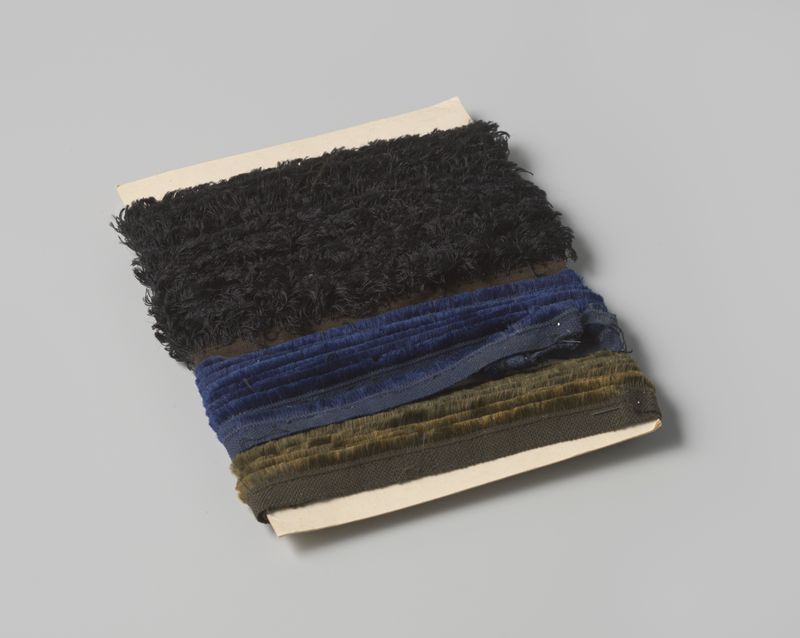
Strook zwarte franje aan bezemband, op karton
Gustav Schnitzler
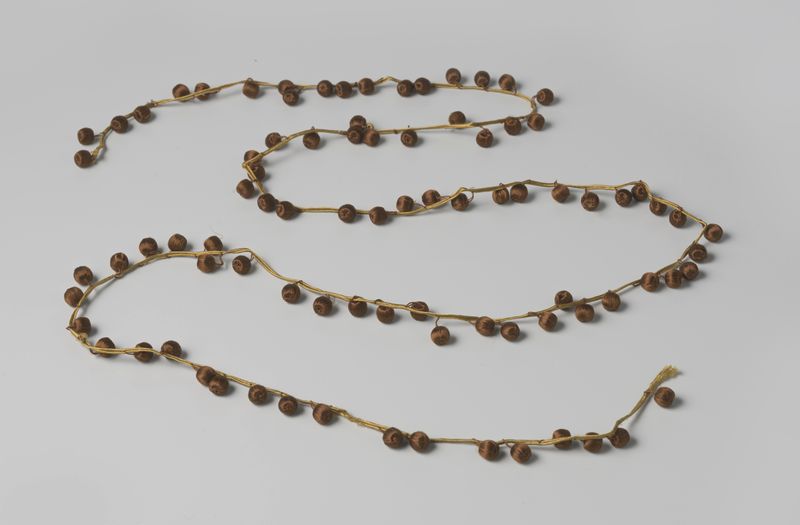
Galon, goudkleurig, waaraan pompons van bruin (zijde)draad hangen
Gustav Schnitzler
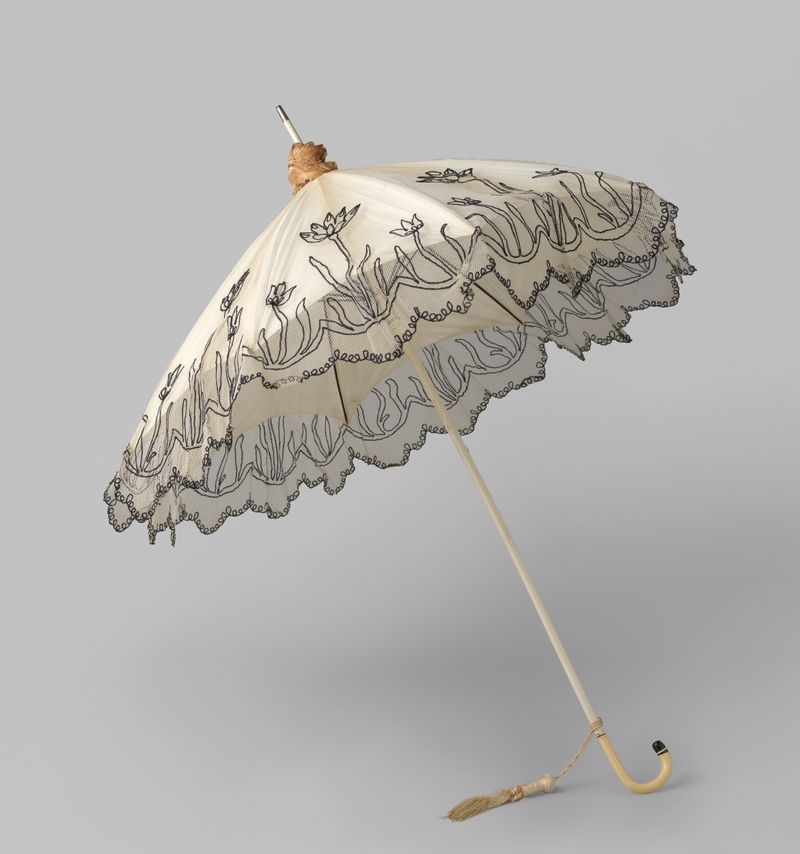
Parasol met dek van witte tule waarop zwart borduurwerk van telkens drie bloemen, op een witgeverfde houten stok, waaraan een gebogen ivoorkleurig handvat
Gustav Schnitzler

Parasol met dek van witte katoen, waartussen een strook van witte kant, op een lichte, houten stok met een ronde haak
Gustav Schnitzler

Strook franje, getand, wit en écru, gewikkeld rond een met gouden randen afgezet plankje
Gustav Schnitzler
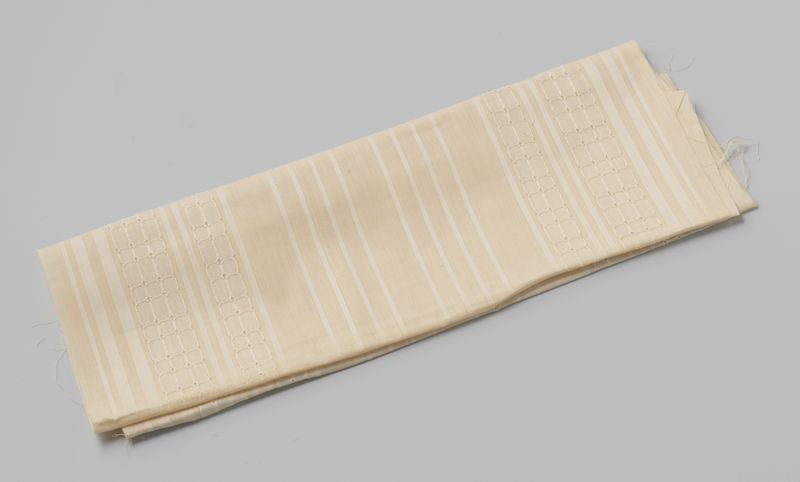
Coupon wit parasolkatoen met beige strepen aan weerszijden
Gustav Schnitzler
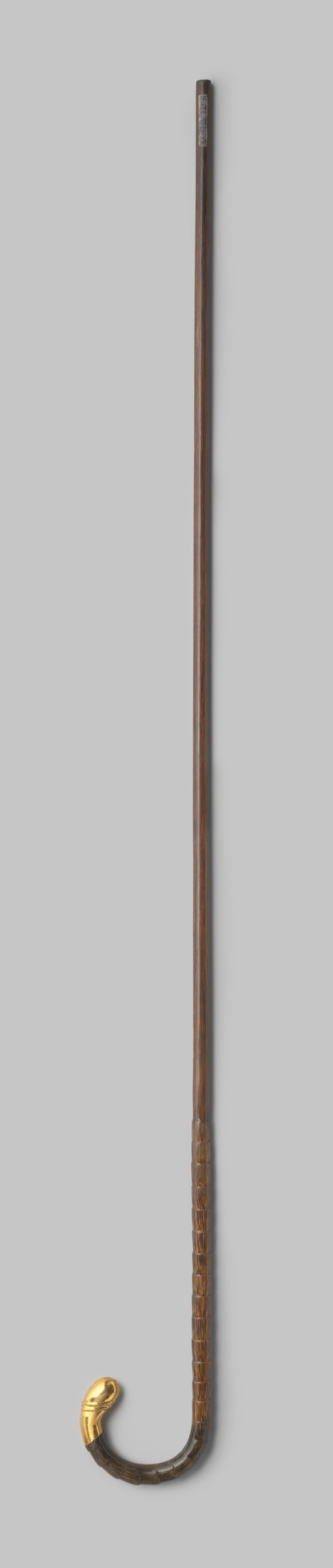
Onderstok van een parapluie of parasol van kokospalm met ronde haak en goudkleurig (verguld?) metalen uiteinde
Gustav Schnitzler
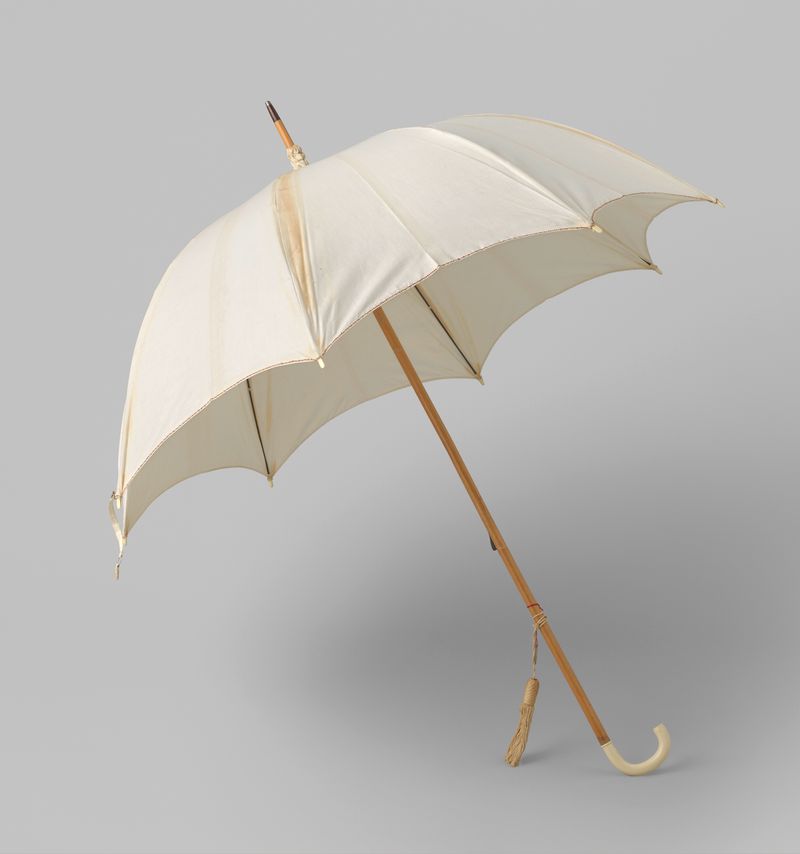
Parasol met dek van effen witte katoen met een smal meerkleurig draad langs de rand geregen, op lichte houten stok, met gebogen, ivoorkleurig handvat
Gustav Schnitzler
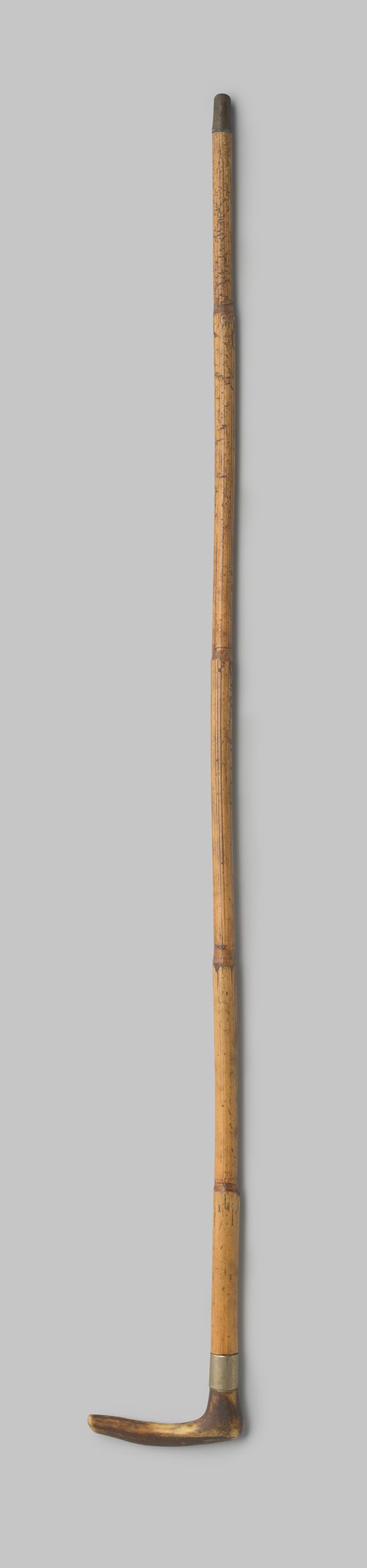
Onderstok van parasol of parapluie van bamboe met rechte haak van hertshoorn, met ring en punt van koper
Gustav Schnitzler





