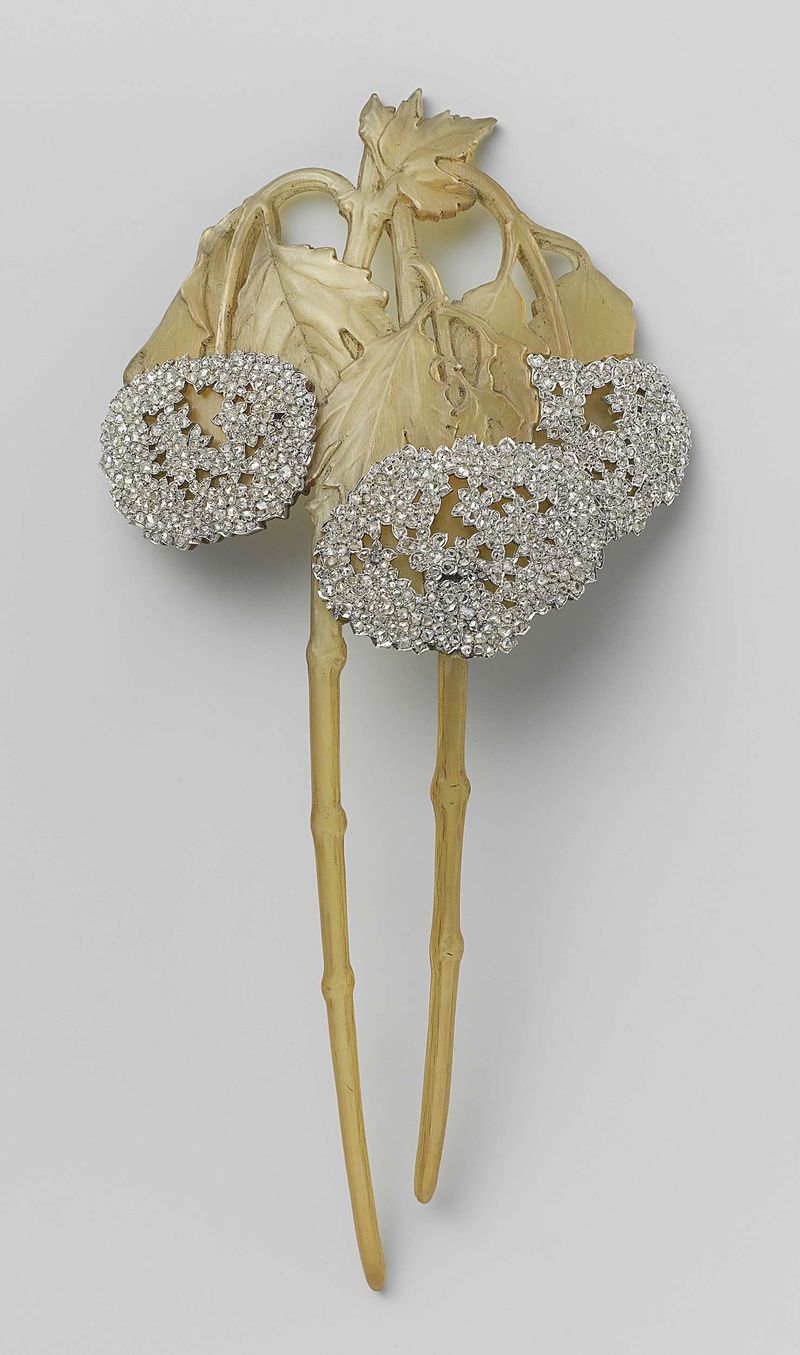
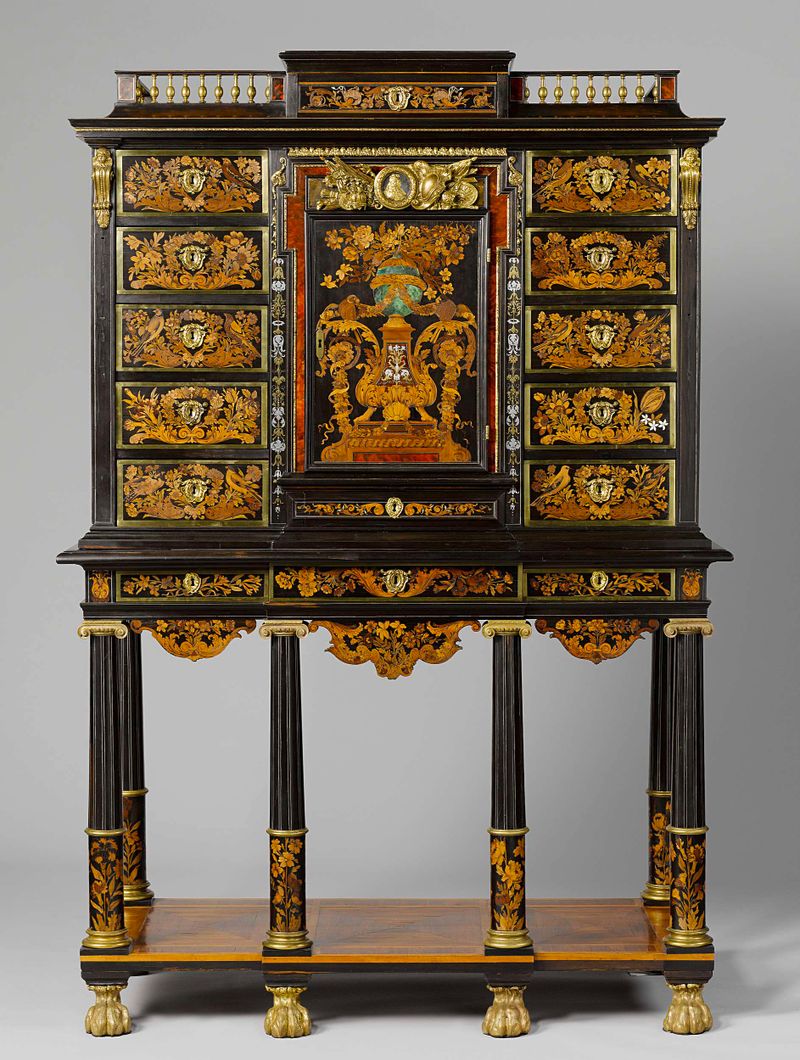
Onderstok van parapluie of parasol van een tropische houtsoort (amarant?) met knoestige knop van gekleurd, warrig hout — History & Facts
Can beauty exist without sorrow? In the delicate interplay of light and shadow, there lies an invitation to contemplate mortality within the intricacies of the mundane. Look closely at the knotted handle of the umbrella, where the warm, earthy tones of the amaranth wood evoke a sense of life intertwined with decay. The artist's choice of color brings forth a vibrant, yet haunting allure, suggesting that even the most exquisite objects carry the weight of their own impermanence. The texture of the wood, both rugged and refined, draws the viewer’s eye, compelling them to consider the journey of this parasol through time and the elements. As you delve deeper, notice the contrasting smoothness of the fabric stretched above the handle, which stands in stark opposition to the gnarled, organic form beneath.
This juxtaposition highlights the tension between fragility and strength, beauty and ruin. The colors, rich yet muted, evoke a nostalgia for moments long past, whispering stories of sunlit days and the inevitable dusk that follows. Each knot in the wood seems to hold a memory, a testament to the moments of joy intertwined with the sorrow of passing time. Created during a tumultuous period between the world wars, Schnitzler found inspiration in the everyday objects that surrounded him.
In this era of uncertainty and change, he captured the essence of beauty in transience, reflecting his own struggles and observations of life. The umbrella, a seemingly simple object, becomes a profound symbol of human experience, resonating with the complexities of existence in a world on the brink.
More Artworks by Gustav Schnitzler
Browse all →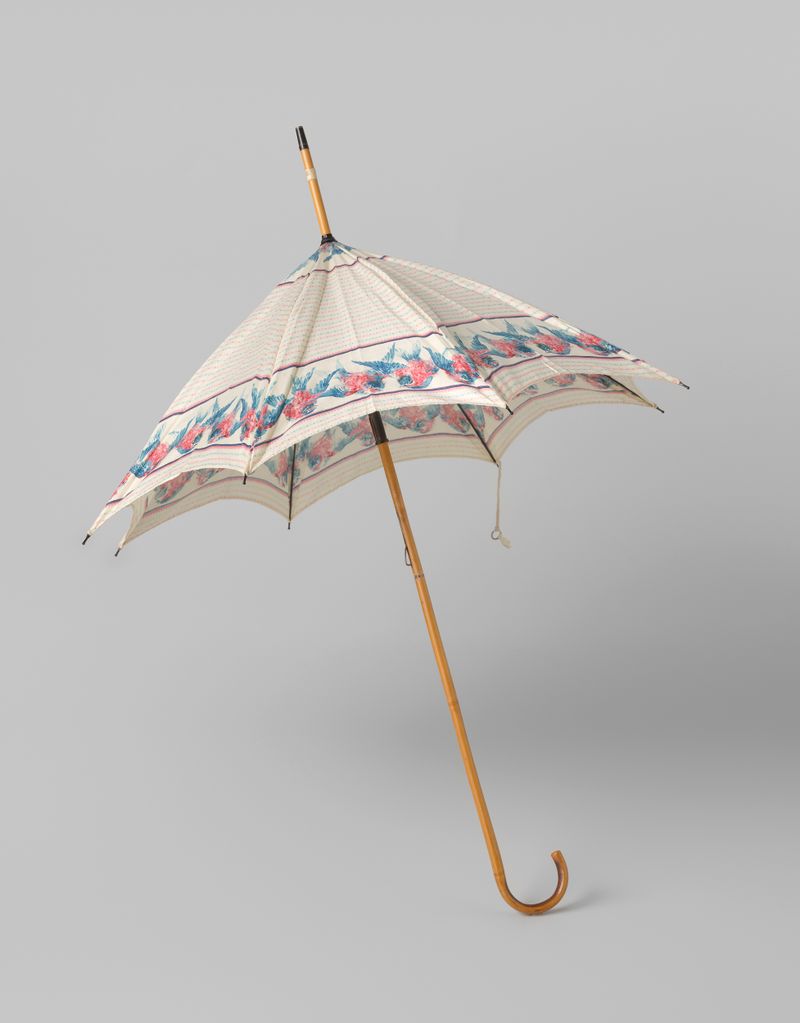
Parasol met dek witte katoen bedrukt met roze en blauwe vogeltjes, op een bamboe stok met gebogen handvat
Gustav Schnitzler
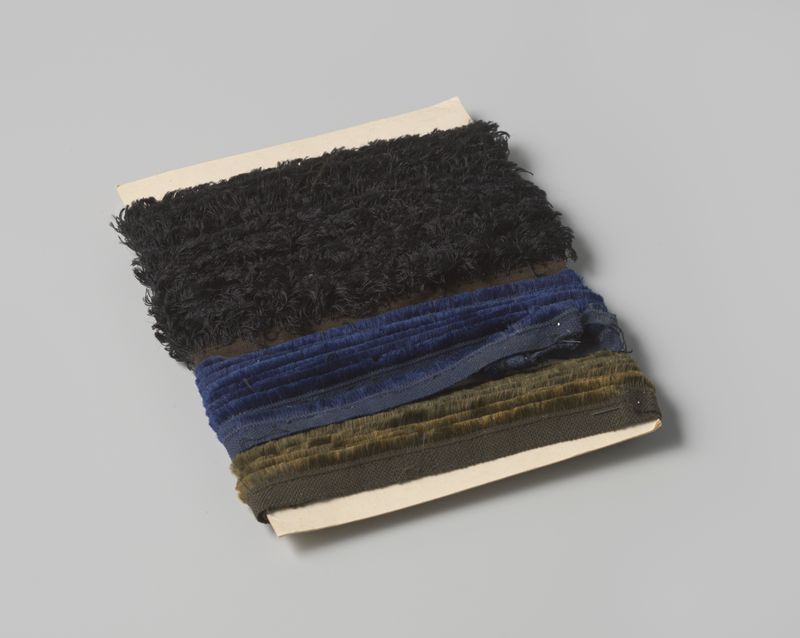
Strook zwarte franje aan bezemband, op karton
Gustav Schnitzler
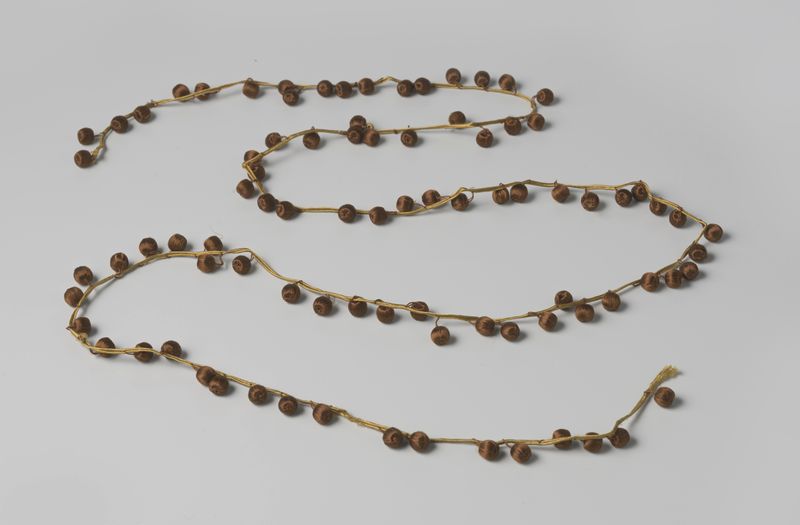
Galon, goudkleurig, waaraan pompons van bruin (zijde)draad hangen
Gustav Schnitzler
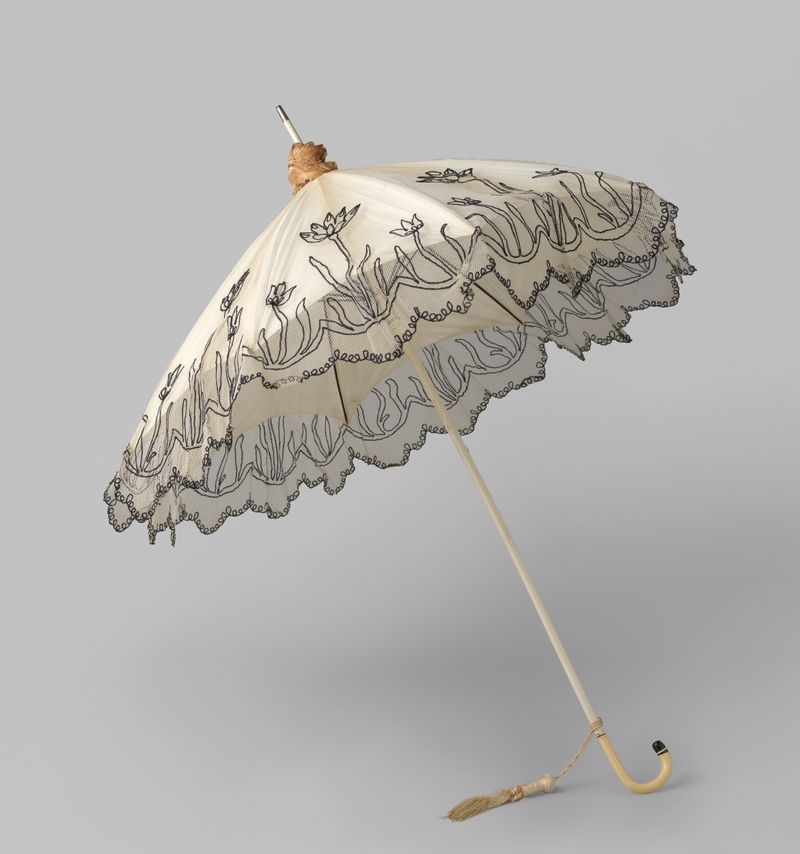
Parasol met dek van witte tule waarop zwart borduurwerk van telkens drie bloemen, op een witgeverfde houten stok, waaraan een gebogen ivoorkleurig handvat
Gustav Schnitzler

Parasol met dek van witte katoen, waartussen een strook van witte kant, op een lichte, houten stok met een ronde haak
Gustav Schnitzler

Strook franje, getand, wit en écru, gewikkeld rond een met gouden randen afgezet plankje
Gustav Schnitzler
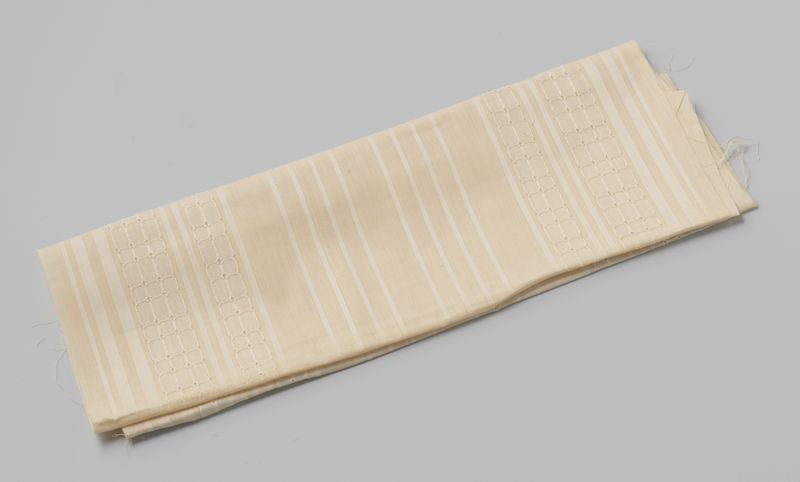
Coupon wit parasolkatoen met beige strepen aan weerszijden
Gustav Schnitzler
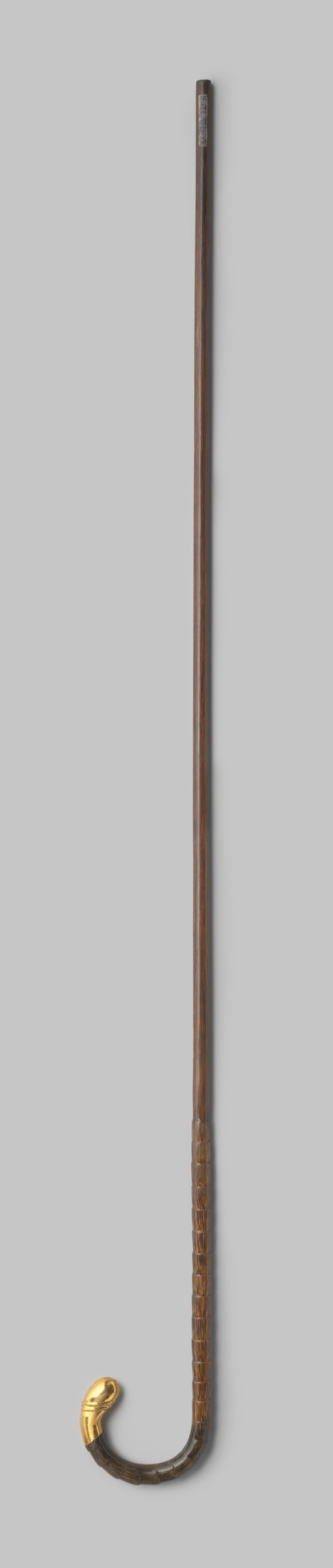
Onderstok van een parapluie of parasol van kokospalm met ronde haak en goudkleurig (verguld?) metalen uiteinde
Gustav Schnitzler
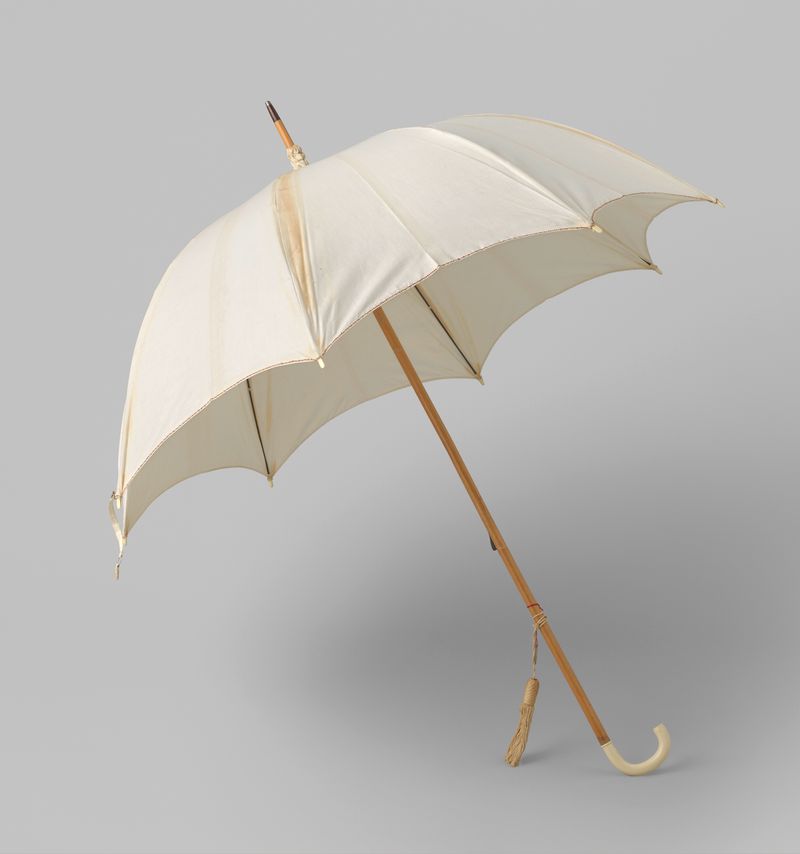
Parasol met dek van effen witte katoen met een smal meerkleurig draad langs de rand geregen, op lichte houten stok, met gebogen, ivoorkleurig handvat
Gustav Schnitzler
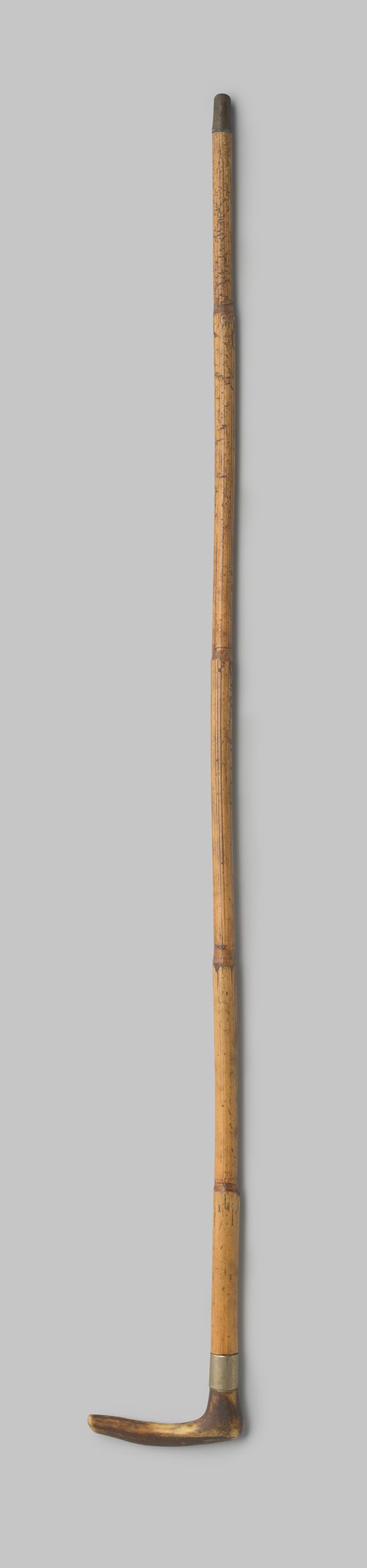
Onderstok van parasol of parapluie van bamboe met rechte haak van hertshoorn, met ring en punt van koper
Gustav Schnitzler