Onderstok van parasol of parapluie van een tropische houtsoort (amarant of bruinhart?) met gedeeltelijk opengewerkte en gedraaide stok waarop een bolle knop — History & Facts
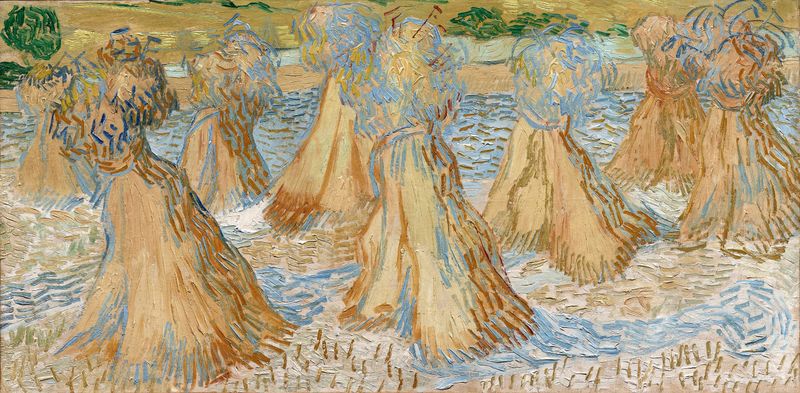
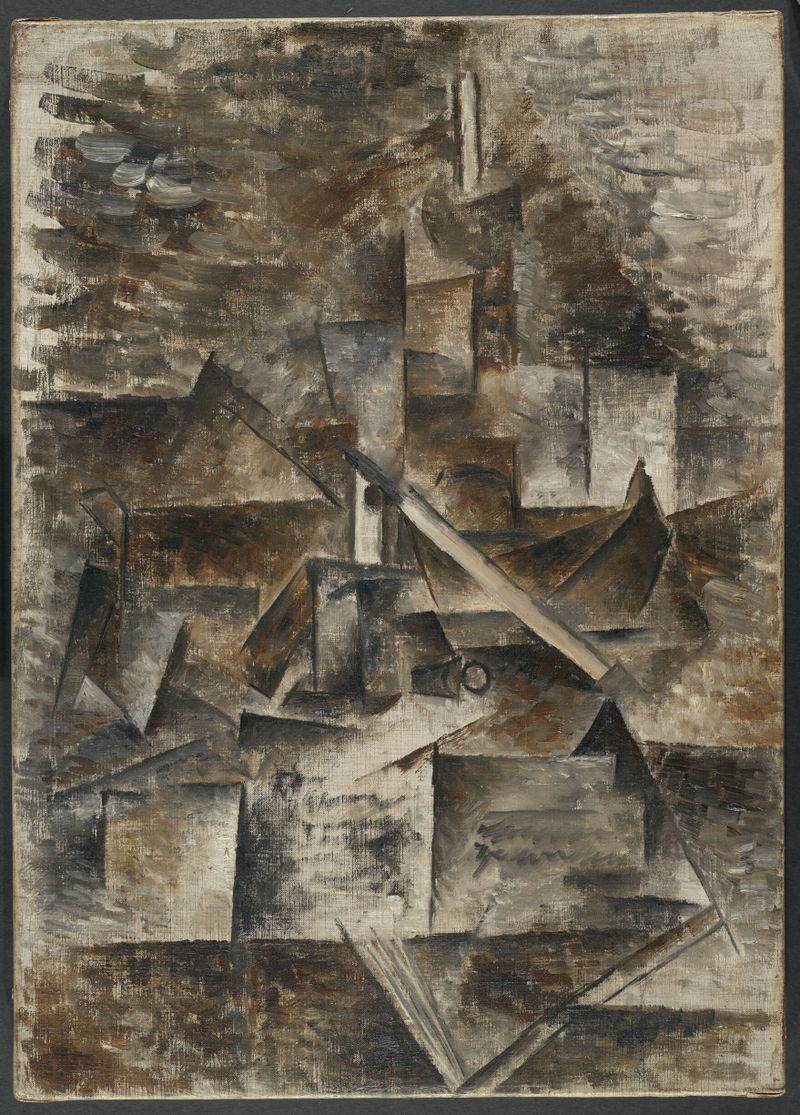
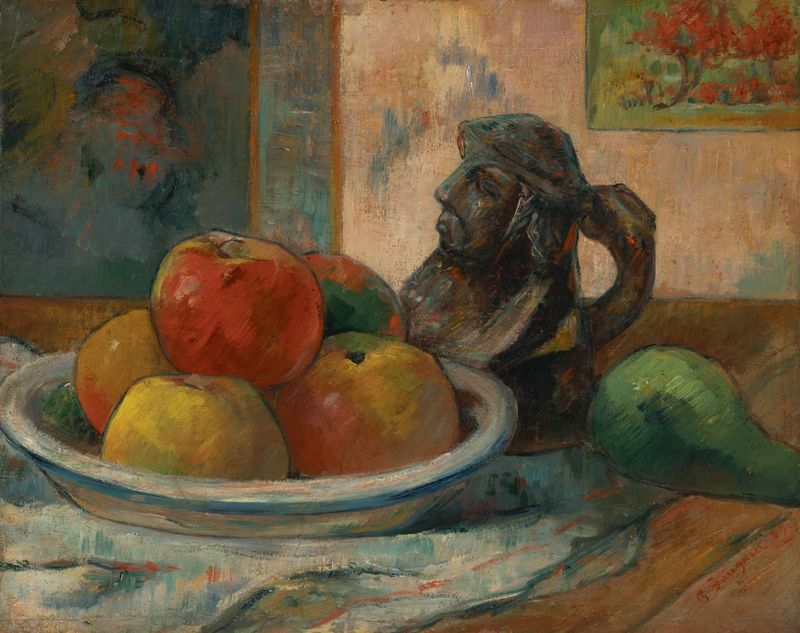
Did the painter know this moment would outlive them? Capturing a simple yet profound object, the striking imagery compels us to ponder the passage of time and the stories objects silently hold. Look to the center of the canvas, where the gracefully twisted handle of the parasol draws your attention. The artist employs rich hues of amaranth and deep browns, allowing the wood's natural grain to breathe life into the composition. Notice how the intricate detailing — the delicate carvings and the rounded knob — invites the viewer into a tactile relationship with the piece.
The interplay of light and shadow subtly reveals the texture, emphasizing the craftsmanship in a way that feels intimate and personal. Beneath the surface, this artwork speaks volumes about resilience and the beauty of craftsmanship over fleeting trends. The open design hints at the duality of protection and exposure; while a parasol shields one from the sun, it also opens up to the world around it. The choice of tropical wood suggests origins steeped in culture and history, drawing a connection between nature and human ingenuity that transcends its physical form. Gustav Schnitzler created this piece between 1920 and 1940, a period marked by significant shifts in Europe’s cultural landscape.
Living in the wake of World War I, artists were navigating new styles and ideas, seeking to express the complexities of modern life. This painting reflects a moment of introspection in Schnitzler’s career, as he explored not only the aesthetic qualities of objects but also their deeper cultural significance during a time of change.
More Artworks by Gustav Schnitzler
Browse all →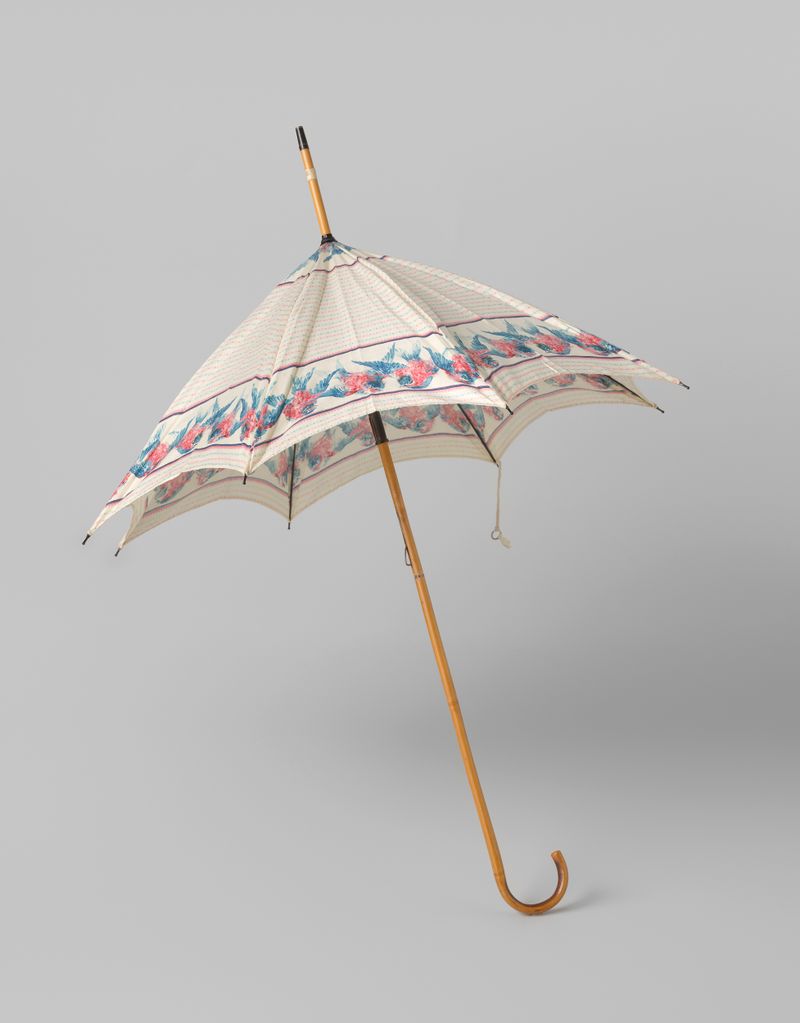
Parasol met dek witte katoen bedrukt met roze en blauwe vogeltjes, op een bamboe stok met gebogen handvat
Gustav Schnitzler
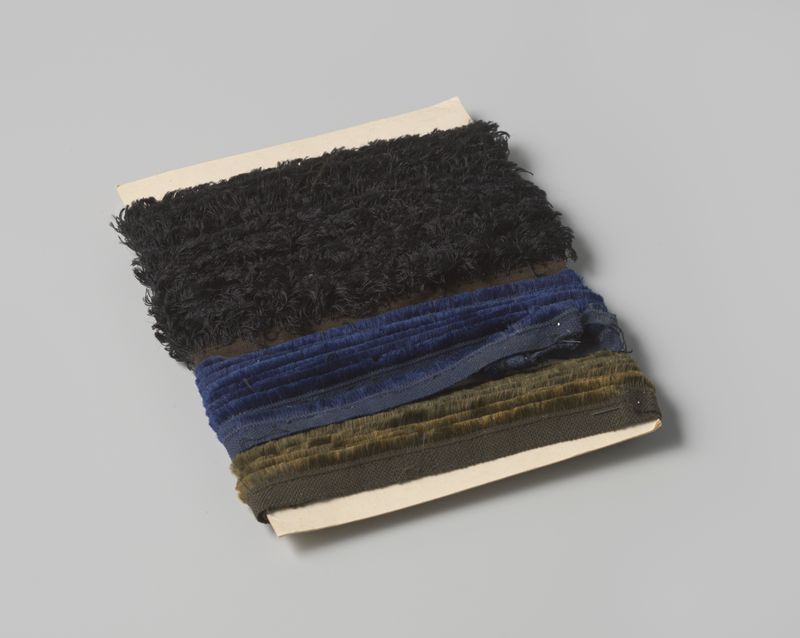
Strook zwarte franje aan bezemband, op karton
Gustav Schnitzler
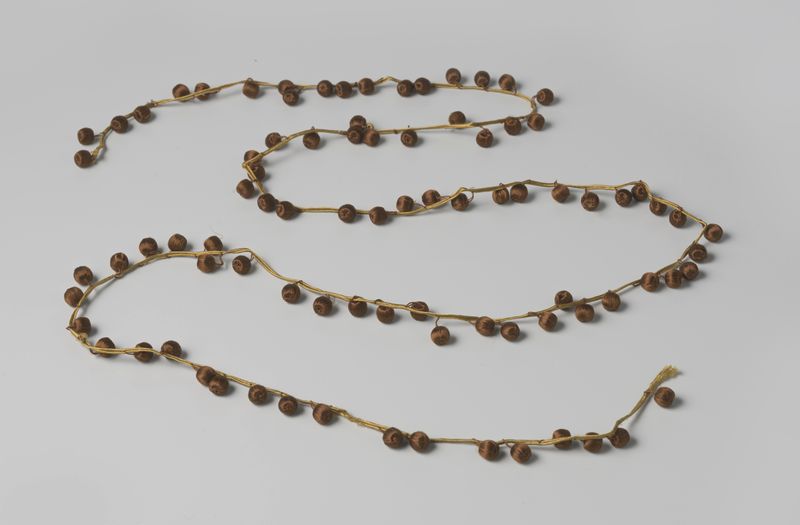
Galon, goudkleurig, waaraan pompons van bruin (zijde)draad hangen
Gustav Schnitzler
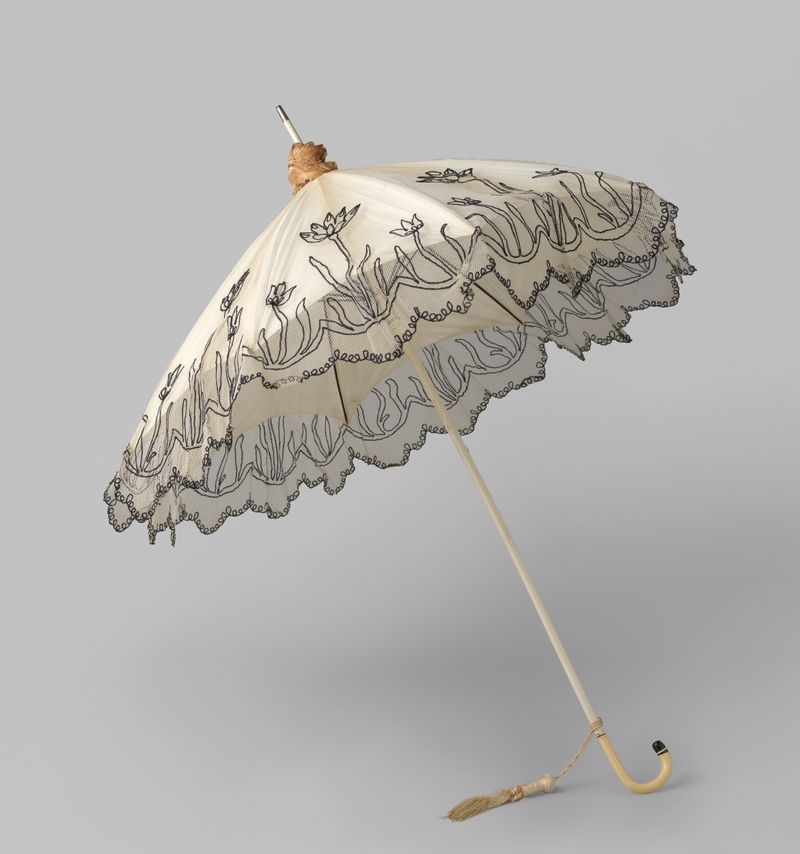
Parasol met dek van witte tule waarop zwart borduurwerk van telkens drie bloemen, op een witgeverfde houten stok, waaraan een gebogen ivoorkleurig handvat
Gustav Schnitzler

Parasol met dek van witte katoen, waartussen een strook van witte kant, op een lichte, houten stok met een ronde haak
Gustav Schnitzler

Strook franje, getand, wit en écru, gewikkeld rond een met gouden randen afgezet plankje
Gustav Schnitzler
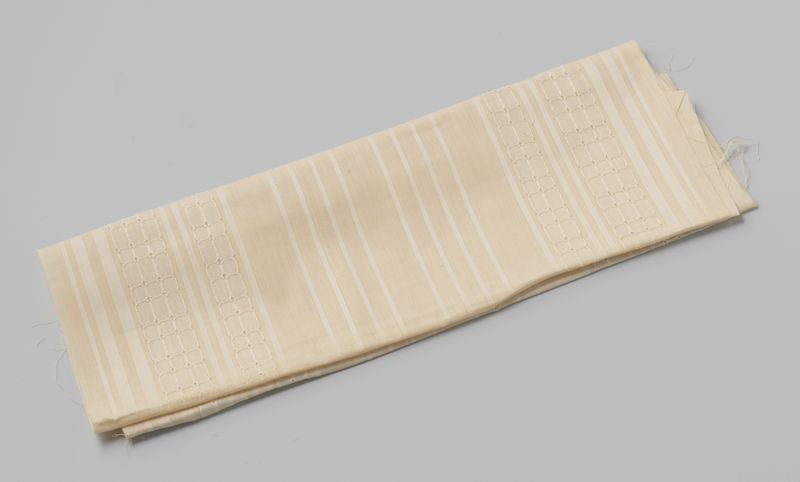
Coupon wit parasolkatoen met beige strepen aan weerszijden
Gustav Schnitzler
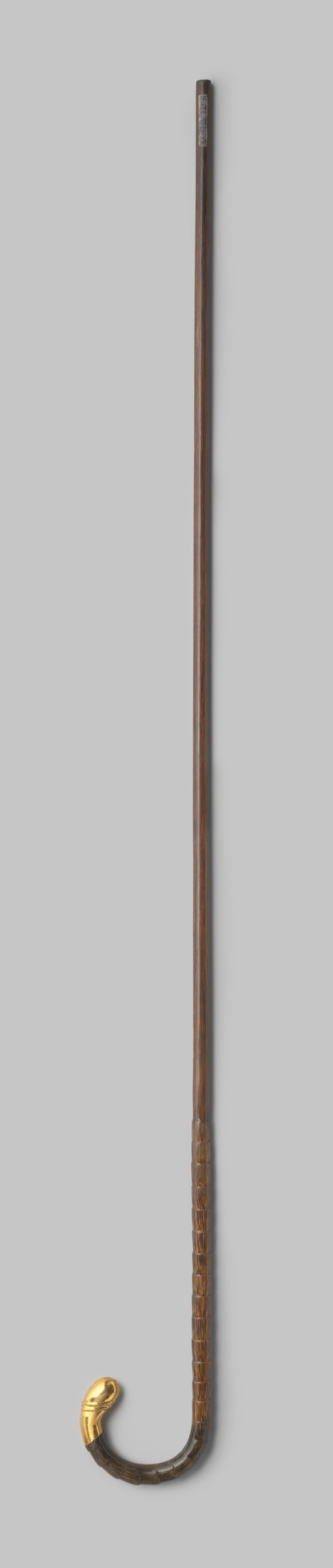
Onderstok van een parapluie of parasol van kokospalm met ronde haak en goudkleurig (verguld?) metalen uiteinde
Gustav Schnitzler
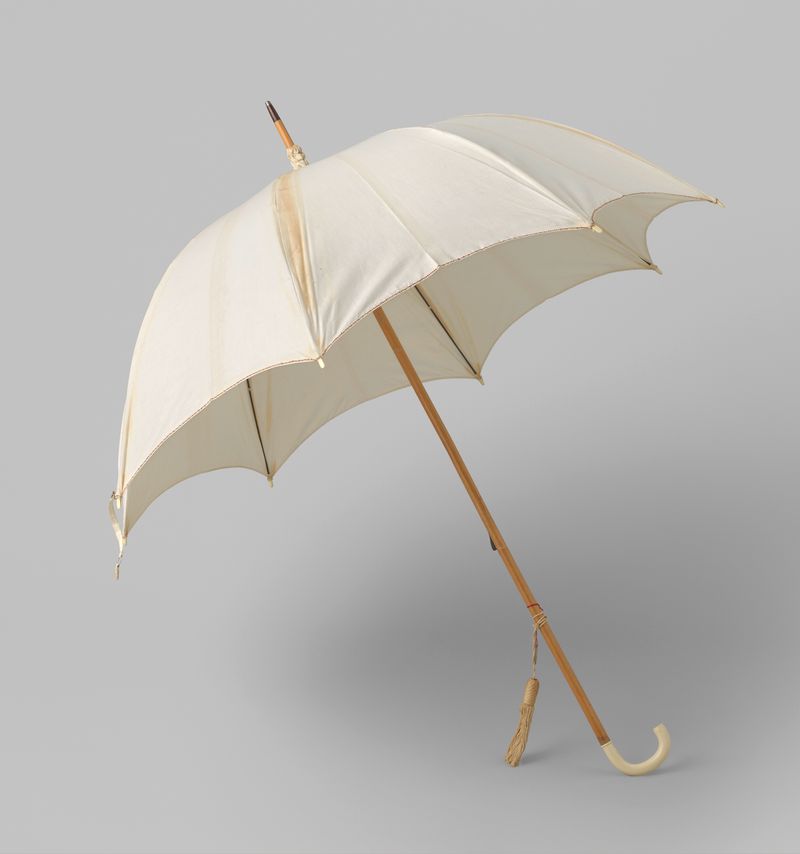
Parasol met dek van effen witte katoen met een smal meerkleurig draad langs de rand geregen, op lichte houten stok, met gebogen, ivoorkleurig handvat
Gustav Schnitzler
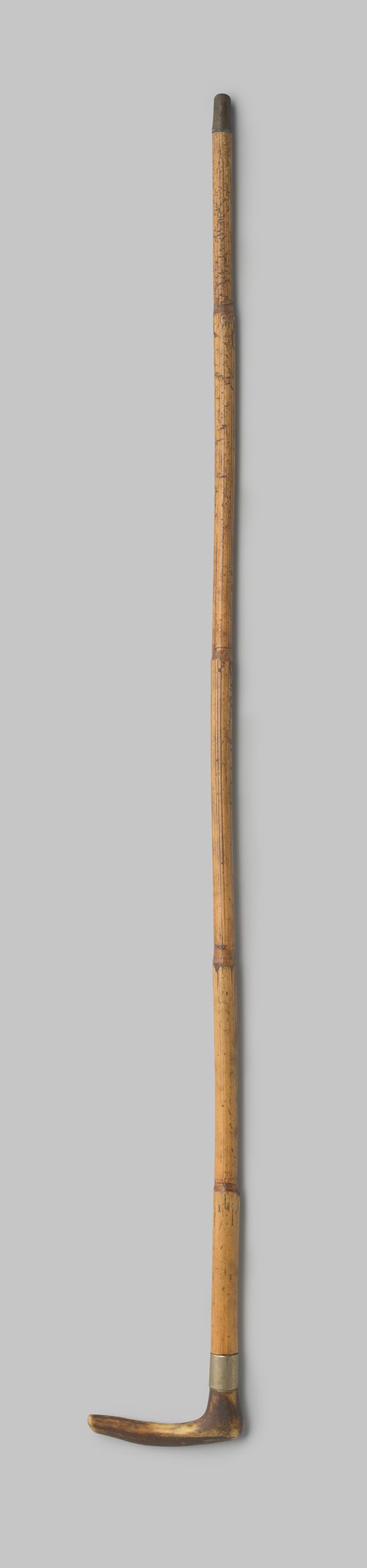
Onderstok van parasol of parapluie van bamboe met rechte haak van hertshoorn, met ring en punt van koper
Gustav Schnitzler