
One mile from Washington City Hall — History & Facts
Can paint confess what words never could? This question lingers in the shadows of One mile from Washington City Hall, where the artist captures a moment rich with silent turmoil. Look to the foreground, where a group of figures stands huddled together, their postures revealing a narrative of distress and uncertainty. Notice the stark contrasts in color; the somber palette of dark blues and grays envelops them, while the distant city hall glows like a beacon of hope, bathed in pale sunlight. The light serves not just to illuminate, but to emphasize a chasm between the somber present and the promise of governance and order, creating a palpable tension that resonates throughout the canvas. Beneath the surface, the work speaks to the violence lurking in the human experience — the struggle between aspiration and despair.
Each figure carries an emotional weight, their facial expressions and gestures hinting at stories of loss or strife. A child’s small hand reaches toward the hall, representing innocence in a world marred by conflict, while the adults’ weary stances evoke the burden of societal neglect. In the duality of the scene, Köllner juxtaposes the ideal of civic duty against the stark realities faced by those on the fringes of society. In 1839, Augustus Köllner painted this piece during a time of great change in America, as social tensions and political upheaval were beginning to surface.
Living in Washington, D.C., the artist found himself amidst the growing discontent surrounding issues such as slavery and urban poverty. This work reflects both his personal engagement with the world around him and the broader societal currents that were beginning to reshape the nation’s identity.
More Artworks by Augustus Köllner
Browse all →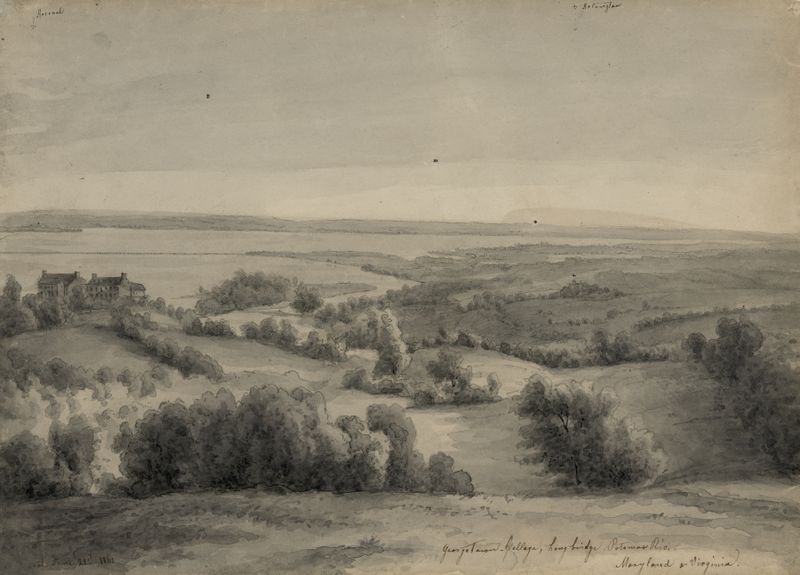
Georgetown College, Long Bridge, Potomac River, Maryland & Virginia–June 21, 1861
Augustus Köllner
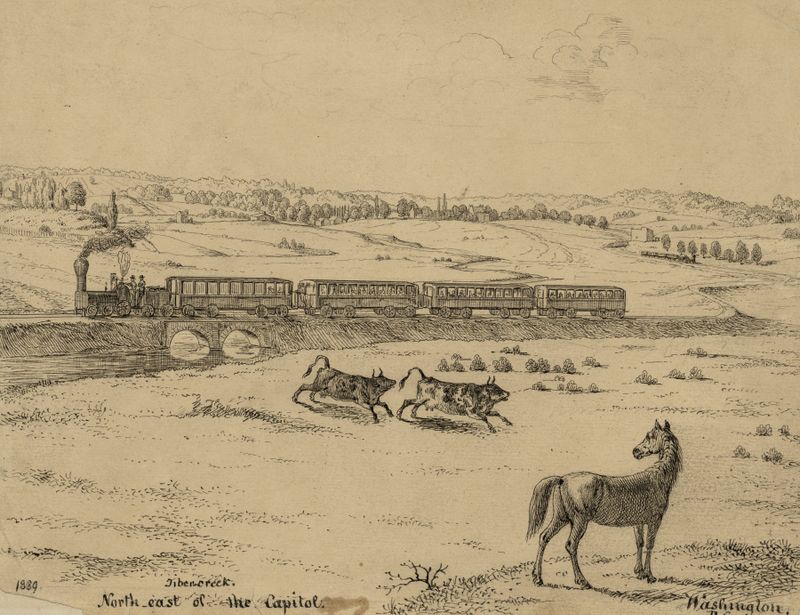
Tiber Creek north-east of the Capitol. Washington, D.C.
Augustus Köllner
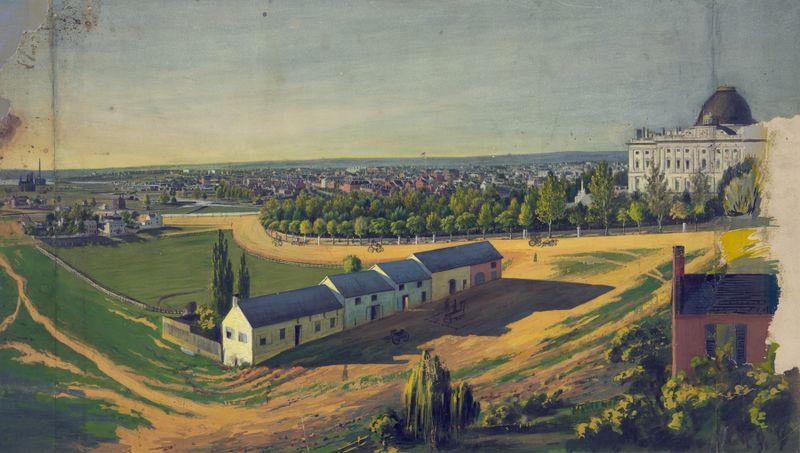
View of Washington, D.C., looking northwest from southeast of the U.S. Capitol
Augustus Köllner
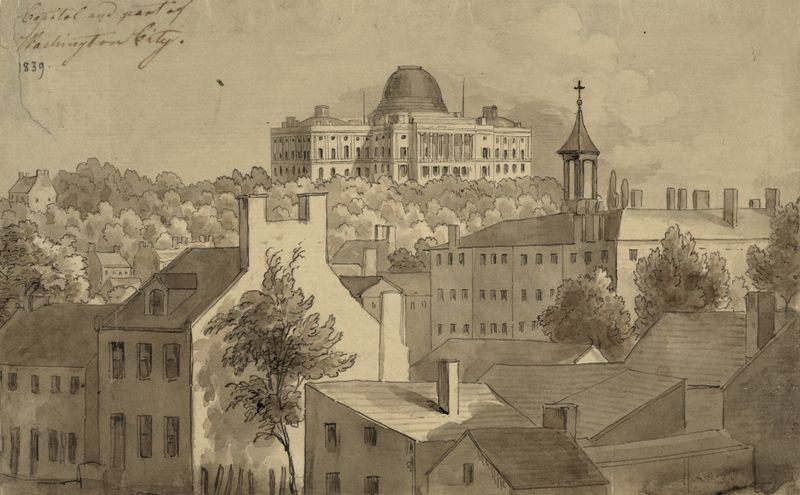
Capitol and part of Washington City
Augustus Köllner
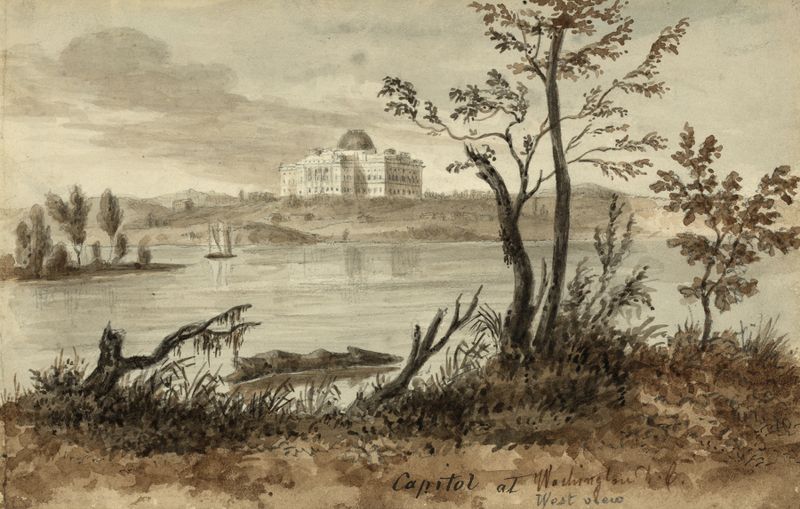
Capitol at Washington D.C.– West view
Augustus Köllner
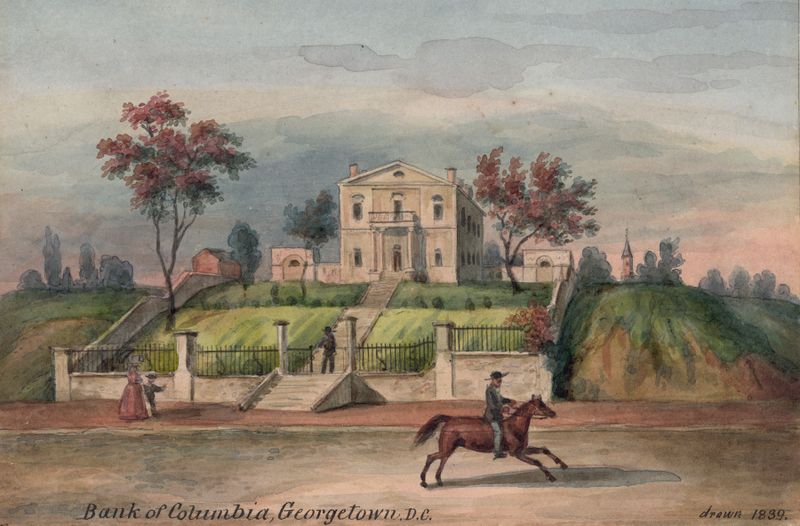
Bank of Columbia, Georgetown, D.C.
Augustus Köllner

Near Pennsylv. Ave. and 7th St. At Washington City
Augustus Köllner

Potomac River, Chain Bridge at Little Falls
Augustus Köllner
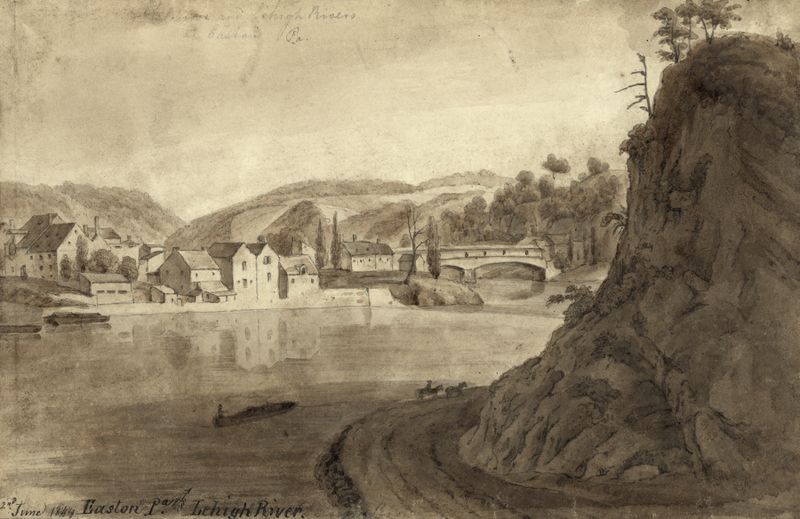
Delaware and Lehigh rivers at Easton Pa.
Augustus Köllner

East branch of Potomac R. Washington
Augustus Köllner





