
Ongelovige Thomas raakt wonden Christus aan — History & Facts
Destiny hangs in the balance, whispering through the moments frozen in paint, inviting us to confront our own beliefs and doubts. Look to the center of the canvas where Thomas, with a furrowed brow and hesitant hand, reaches toward the wound of Christ. The artist employs a rich palette of earthy tones, accentuated by the ethereal glow of divine light illuminating Christ’s figure. Notice how the painter captures the tension in Thomas’s outstretched fingers, the juxtaposition of doubt and faith rendered in delicate detail, as if each stroke breathes life into the very act of seeking truth. The emotional weight of the scene resonates in the contrasting expressions of the two figures; Christ, serene and accepting, embodies unwavering faith while Thomas wrestles with uncertainty.
The wounds, raw and exposed, symbolize not just suffering but the essence of belief itself. This moment encapsulates the profound quest for understanding and the human condition’s fragile balance between skepticism and acceptance, echoing through the ages. Georg Pencz created this work during a period of religious upheaval in the early 16th century, reflecting the anxieties and transformations of the Reformation era. Painted between 1534 and 1535 in Nuremberg, Germany, it marks a significant point in Pencz's career as he transitioned from the influences of his mentor to establish his own voice in Northern Renaissance art.
The era's spiritual turmoil served as both backdrop and catalyst for the exploration of themes of faith and doubt, encapsulated in this poignant depiction.
More Artworks by Georg Pencz
Browse all →
Parabel van de zaaier
Georg Pencz

Parabel van de arbeiders in de wijngaard
Georg Pencz
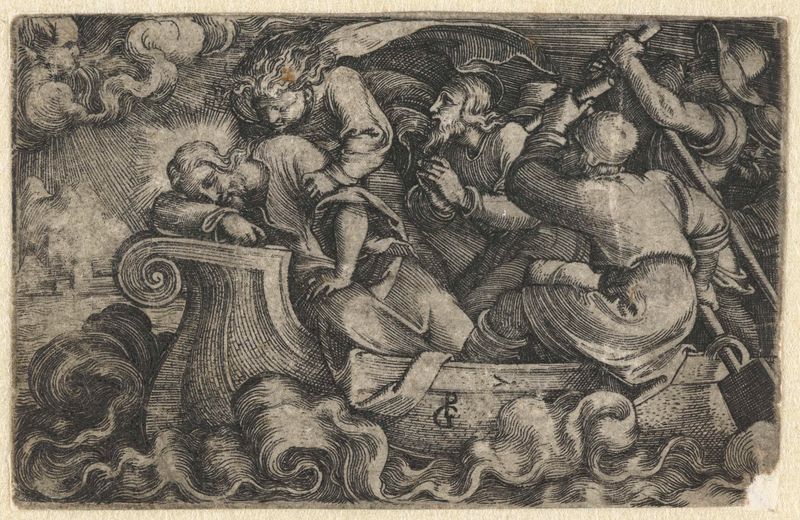
Discipelen wekken slapende Christus tijdens storm op Meer van Galilea
Georg Pencz

Afgunst (Invidia)
Georg Pencz
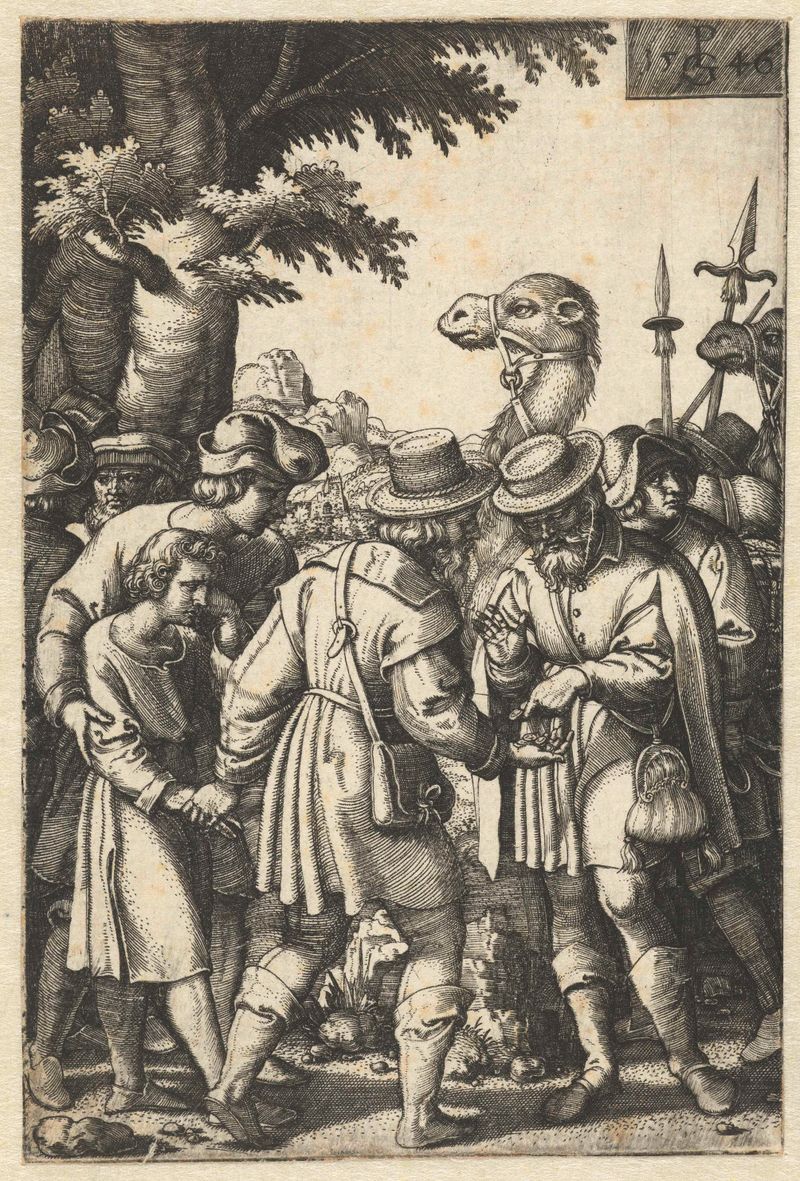
Jozef wordt verkocht aan kooplieden op weg naar Egypte
Georg Pencz

Aanbidding der koningen
Georg Pencz
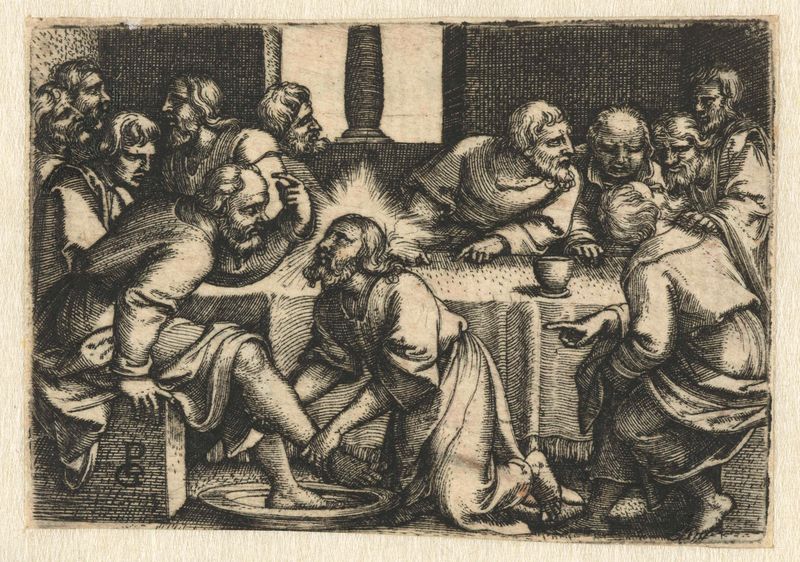
Petrus protesteert als Christus zijn voeten wast
Georg Pencz
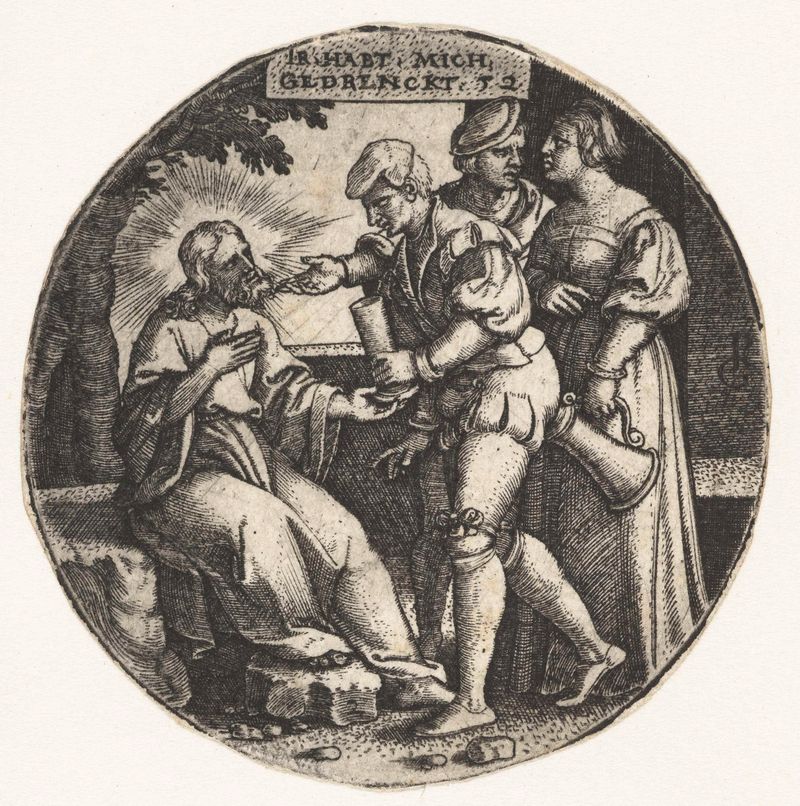
Christus heeft dorst en krijgt drinken aangeboden
Georg Pencz
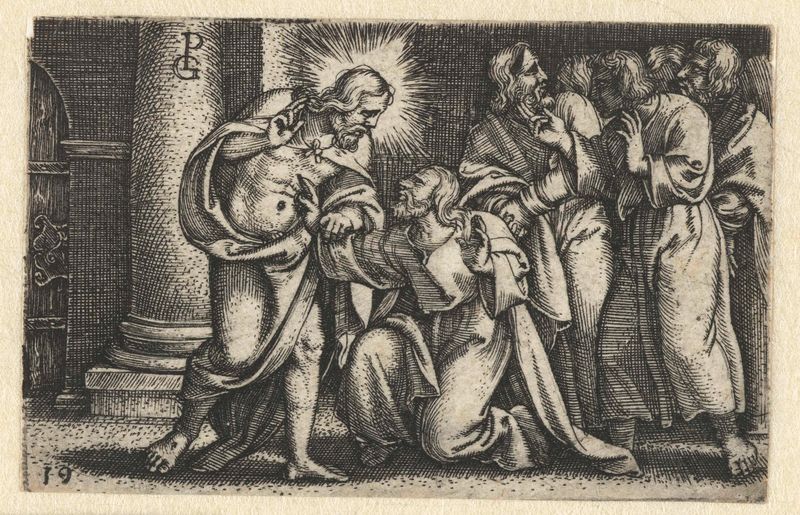
Ongelovige Thomas raakt wonden Christus aan
Georg Pencz

Offer van Abraham van Isaak
Georg Pencz
More Religious Art
Browse all →
The Return of the Prodigal Son
Rembrandt van Rijn

The Garden of Earthly Delights
El Bosco

Count Orgaz’ funeral
El Greco

The Hundred Guilder Print: the central piece with Christ preaching, the plate arched
Rembrandt van Rijn

The Descent from the Cross
Rogier van der Weyden

The return of the prodigal son
Rembrandt van Rijn