
Onthoofding van Johannes de Doper — History & Facts
What secret hides in the quiet of the canvas? Beneath the stillness of an execution, the weight of truth and morality lingers, waiting to be uncovered. Look to the center at the poised figure of John the Baptist, his expression a blend of resignation and serenity. The dark, muted colors envelop him, creating a stark contrast against the ethereal glow surrounding his halo. Notice how the blood on the executioner's sword glistens ominously, drawing the viewer’s gaze, while soft shadows deepen the somber atmosphere that permeates the work.
Each brushstroke bears the weight of a moment frozen in time, inviting contemplation of mortality and the divine. Beneath the surface, the painting intertwines themes of sacrifice and redemption. The choice to depict this biblical event emphasizes the tension between earthly suffering and spiritual transcendence. The meticulous detail of John’s garments symbolizes humility, while the lurking presence of the executioner represents the inevitable violence of humanity.
Together, these elements create a dialogue about faith’s resilience in the face of despair, urging viewers to reflect on their own beliefs. During the creation of this work between 1553 and 1558, the artist was navigating the complex currents of the Reformation. Working in Antwerp, he was influenced by both Protestant and Catholic perspectives, which shaped his artistic expression. This period marked a significant shift in the art world as artists began to explore deeper philosophical and religious themes; this painting stands as a testament to that evolution, encapsulating a moment of profound significance amidst the turbulence of its time.
More Artworks by Hans Liefrinck (I)
Browse all →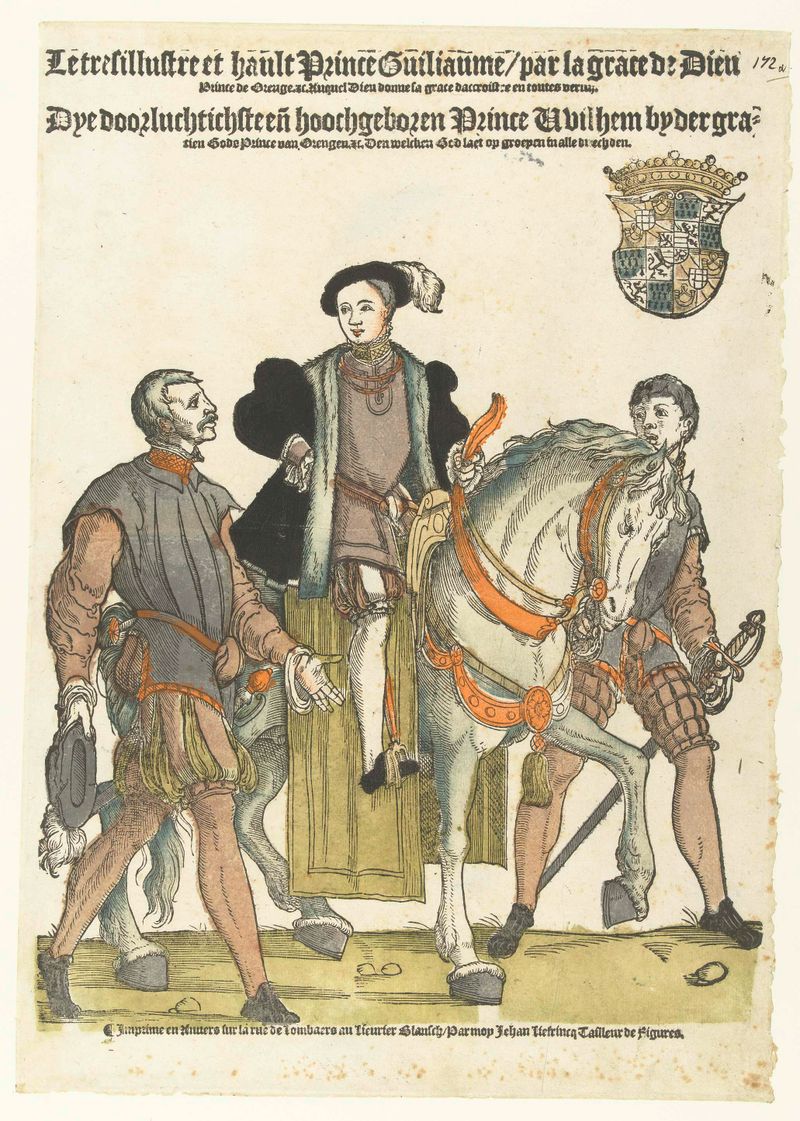
Portret van Willem van Oranje als jongen te paard
Hans Liefrinck (I)
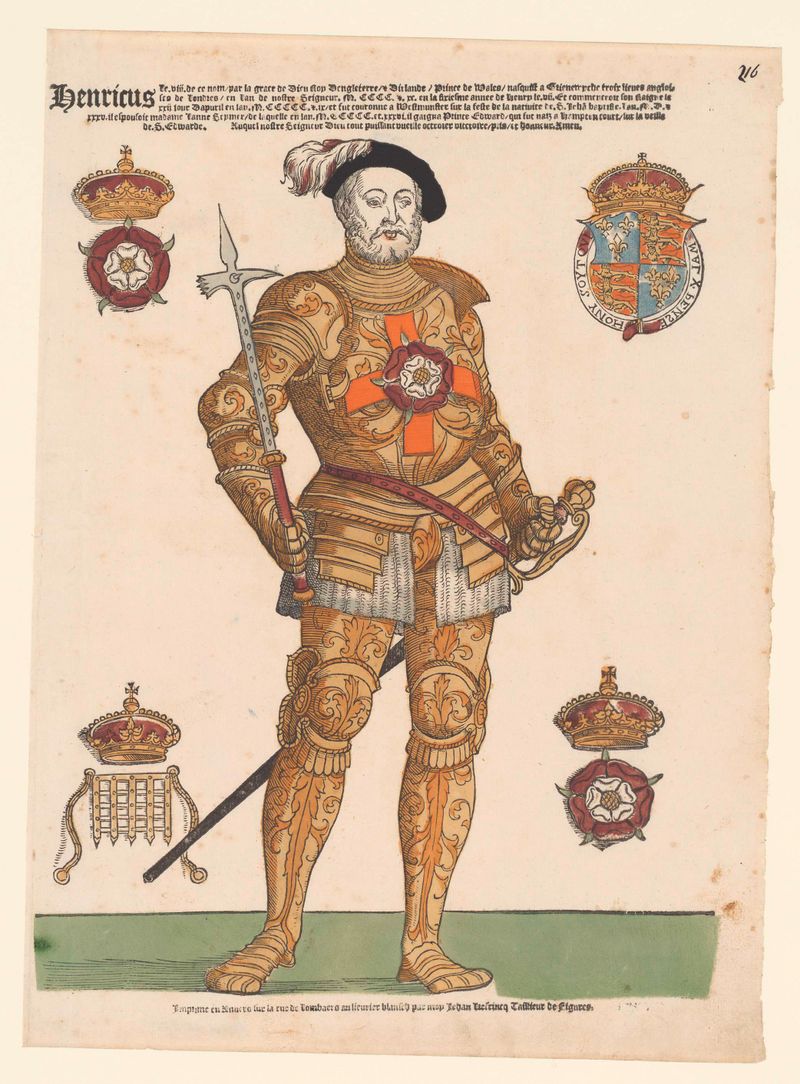
Portret van Hendrik VIII van Engeland
Hans Liefrinck (I)
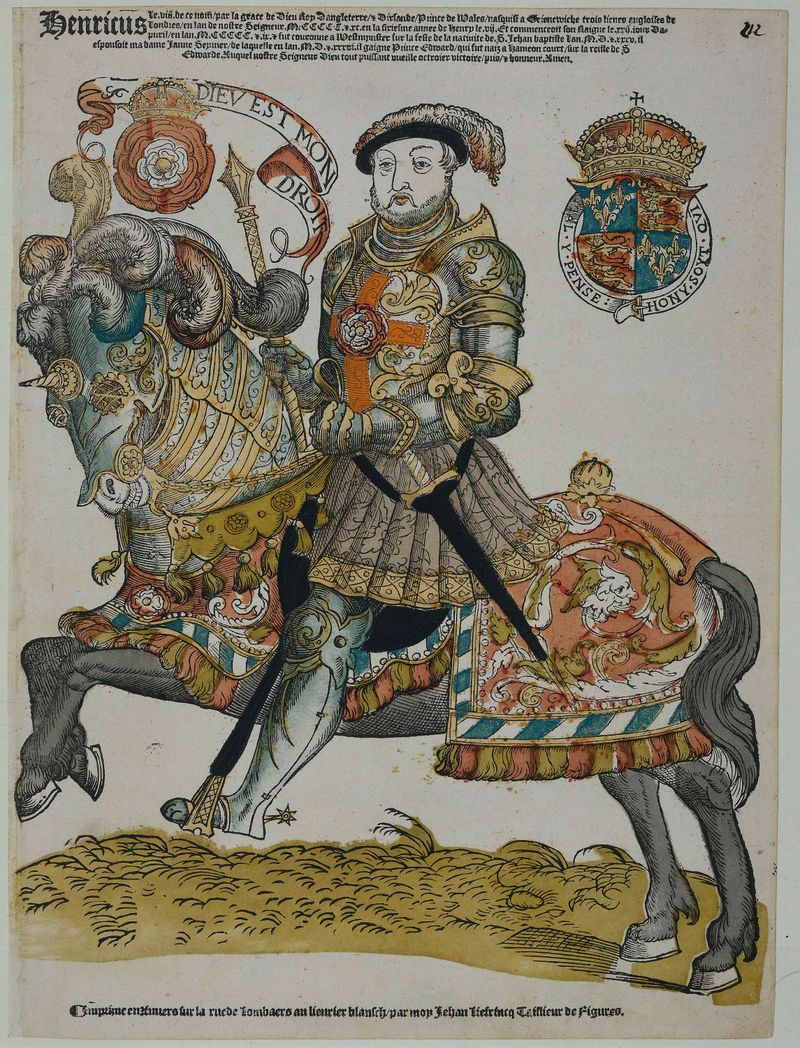
Portret van Hendrik VIII van Engeland
Hans Liefrinck (I)
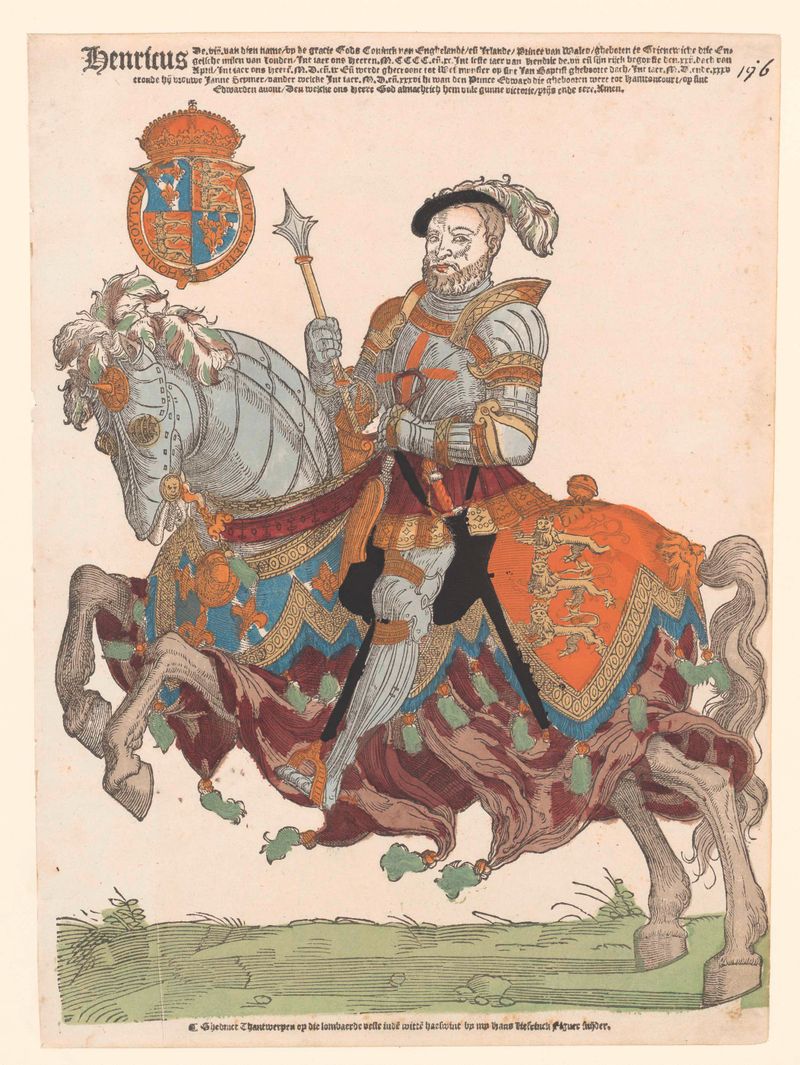
Portret van Hendrik VIII van Engeland
Hans Liefrinck (I)
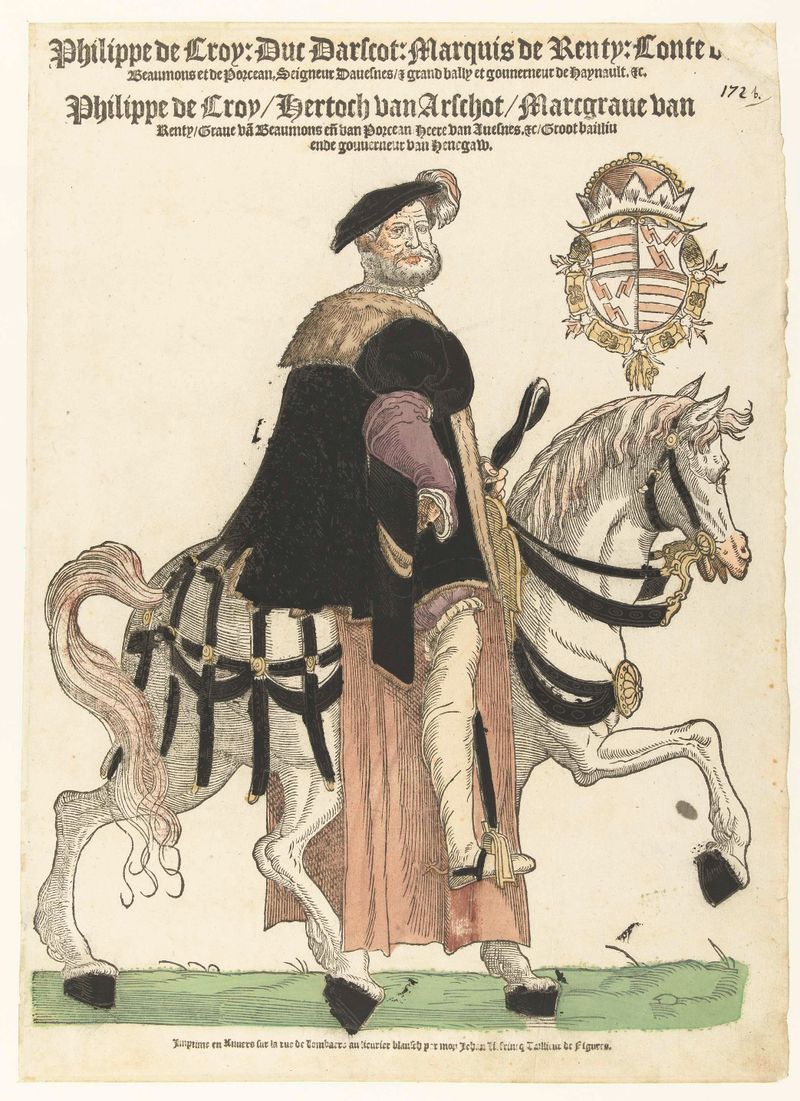
Portret van Filips de Croy te paard
Hans Liefrinck (I)
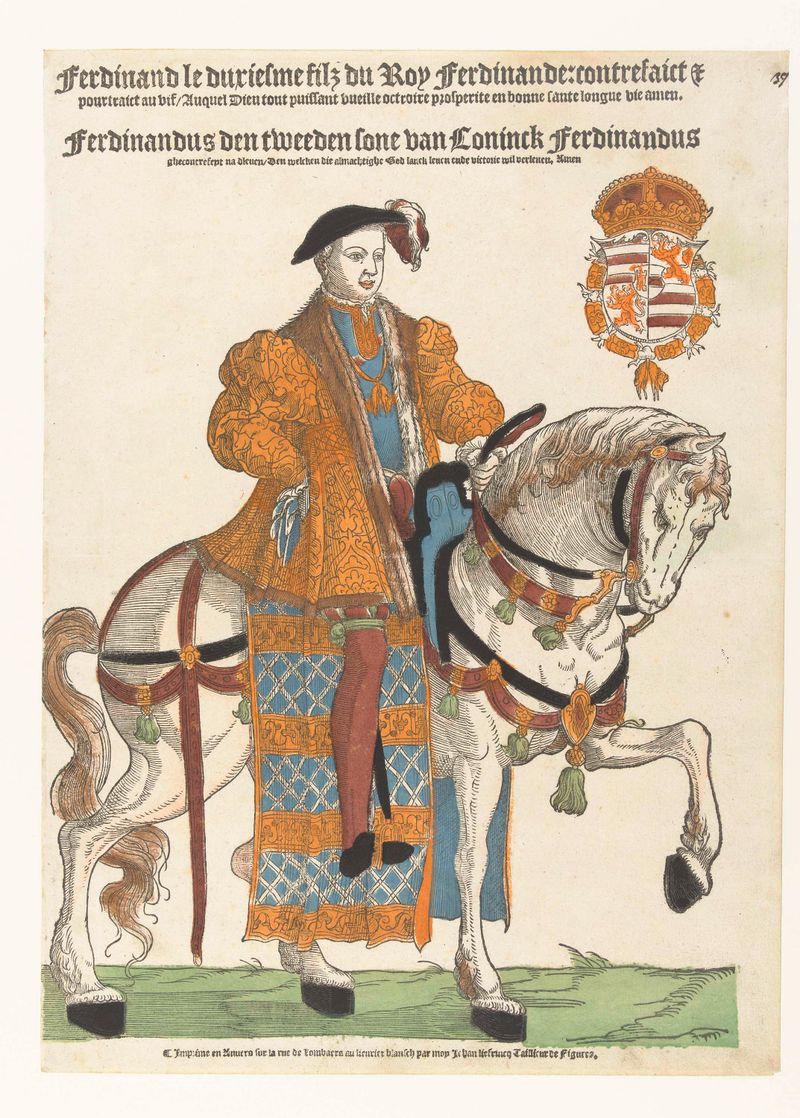
Portret van Ferdinand van Tirol te paard
Hans Liefrinck (I)
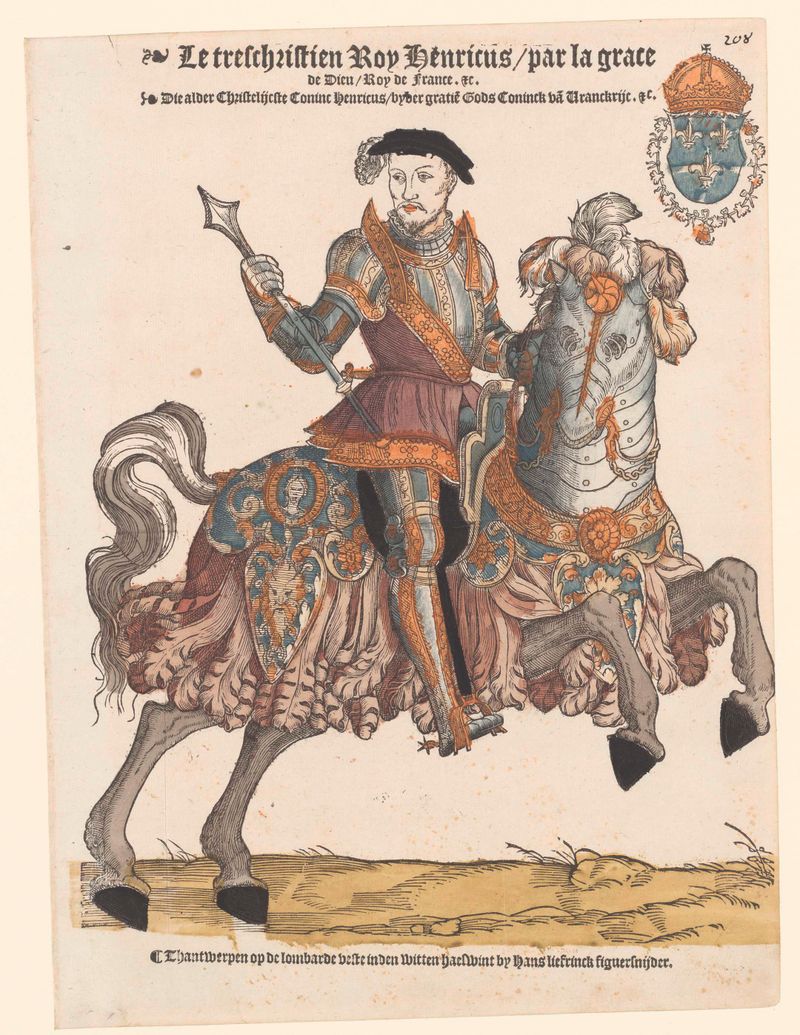
Portret van Hendrik II van Frankrijk in harnas te paard, naar rechts
Hans Liefrinck (I)
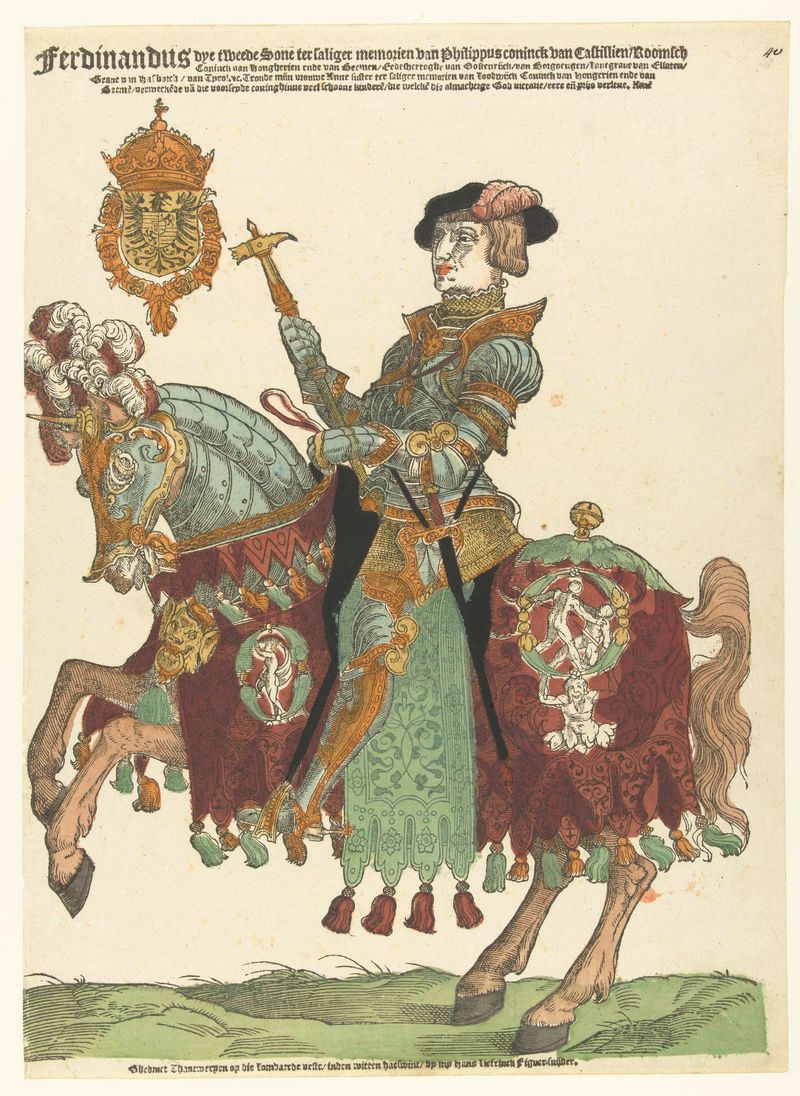
Portret van Ferdinand I van Oostenrijk te paard
Hans Liefrinck (I)
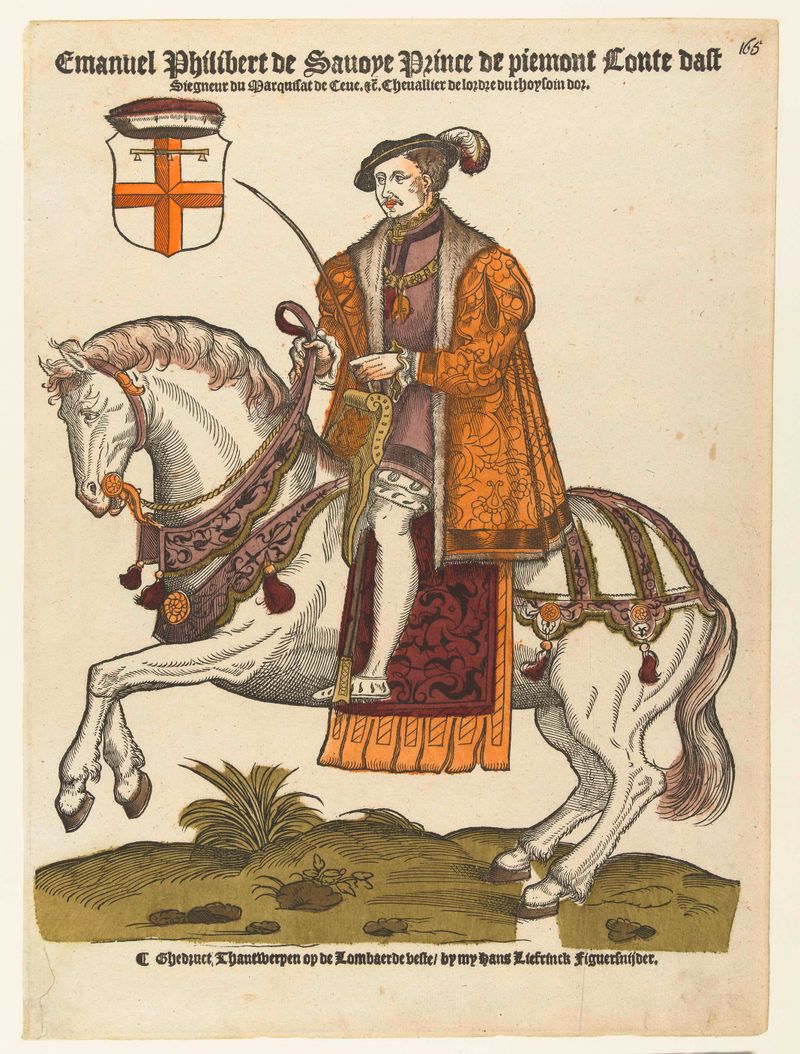
Portret van Emanuel Philibert van Savoye te paard
Hans Liefrinck (I)
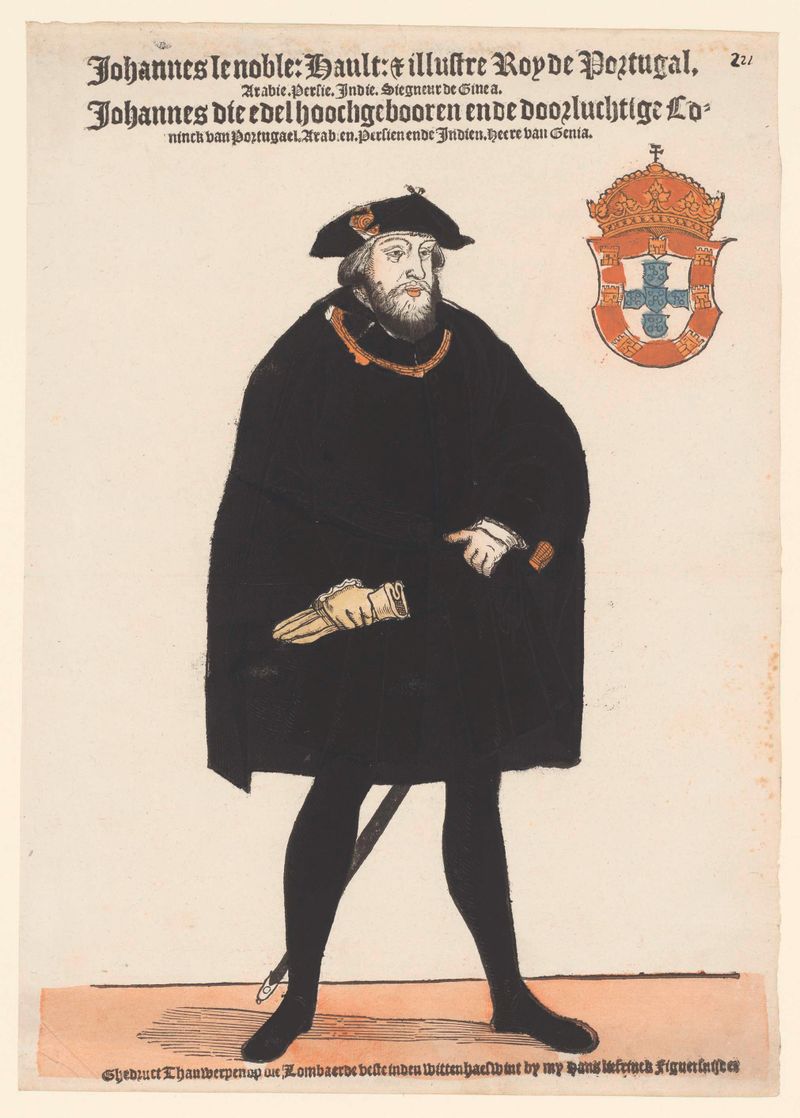
Portret van Johannes III van Portugal
Hans Liefrinck (I)
More Religious Art
Browse all →
The Return of the Prodigal Son
Rembrandt van Rijn

The Garden of Earthly Delights
El Bosco

Count Orgaz’ funeral
El Greco

The Hundred Guilder Print: the central piece with Christ preaching, the plate arched
Rembrandt van Rijn

The Descent from the Cross
Rogier van der Weyden

The return of the prodigal son
Rembrandt van Rijn