
Ophaalbrug in Harlingen — History & Facts
In a world often preoccupied with the mundane, beauty whispers through the brushstrokes of a talented hand, inviting us to pause and reflect. Look to the gentle arch of the bridge in Ophaalbrug in Harlingen, where the warm hues of the sunset meld seamlessly with the cool blues of the water below. Let your gaze follow the careful lines that lead our eyes across the canvas, from the bridge's intricate details to the soft ripples that echo its form. The composition feels balanced, yet dynamic, as if capturing a single moment suspended in time, rendered in a palette that fortifies the emotional resonance of the scene. Beneath the serene surface lies a tension between the solidity of the bridge and the fluidity of the water—each element in dialogue, revealing contrasting forces of stability and change.
The way light dances on the surface hints at fleeting beauty, reminding us that moments of tranquility are often ephemeral. The inclusion of boats suggests human presence, yet they remain secondary to the natural splendor of the landscape, which dominates the narrative of the piece. In 1914, Grondhout painted this piece during a time of great change in Europe, both socially and politically. Living in the Netherlands, he was influenced by the burgeoning modernist movement, which sought to capture the essence of life through innovative forms and perspectives.
This artwork reflects not only his personal exploration of beauty but also resonates with a broader transition in the art world, as artists began to challenge traditional norms in search of deeper emotional truths.
More Artworks by Willem Adrianus Grondhout
Browse all →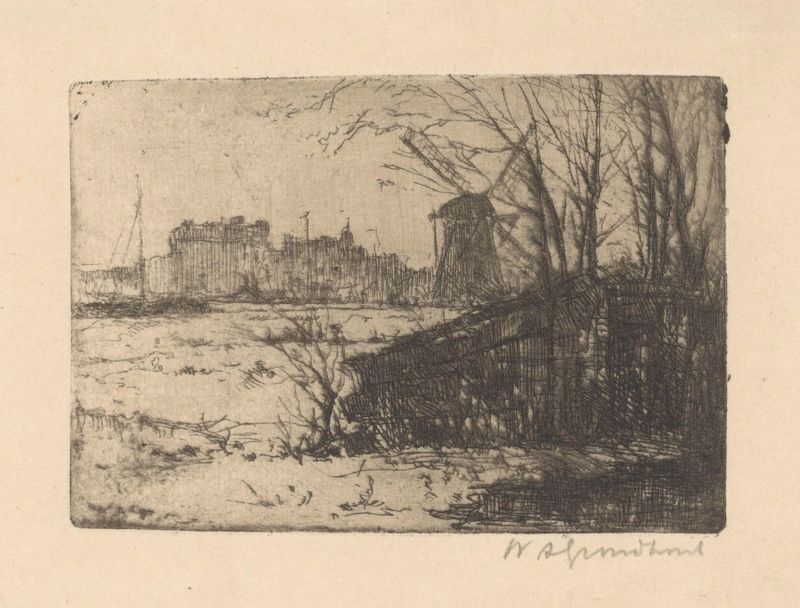
Landschap met molen in de Binckhorst in Den Haag
Willem Adrianus Grondhout
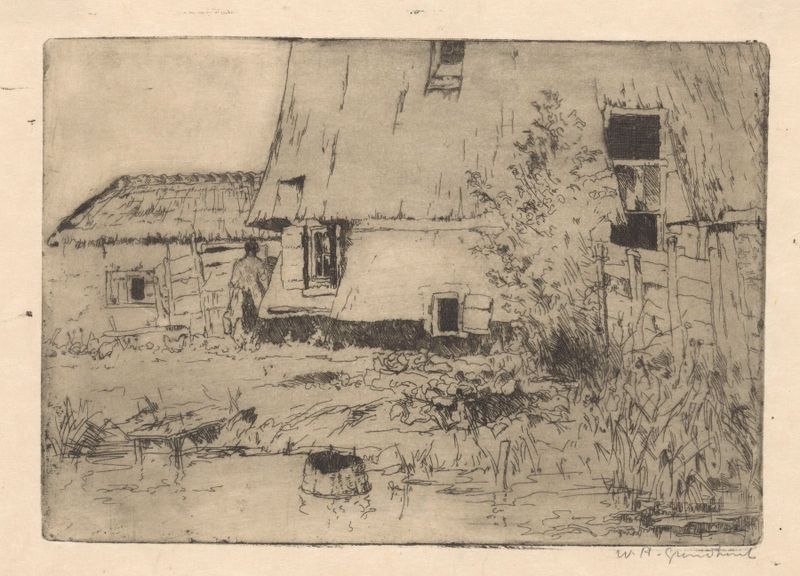
Voet van een molen in Voorburg
Willem Adrianus Grondhout
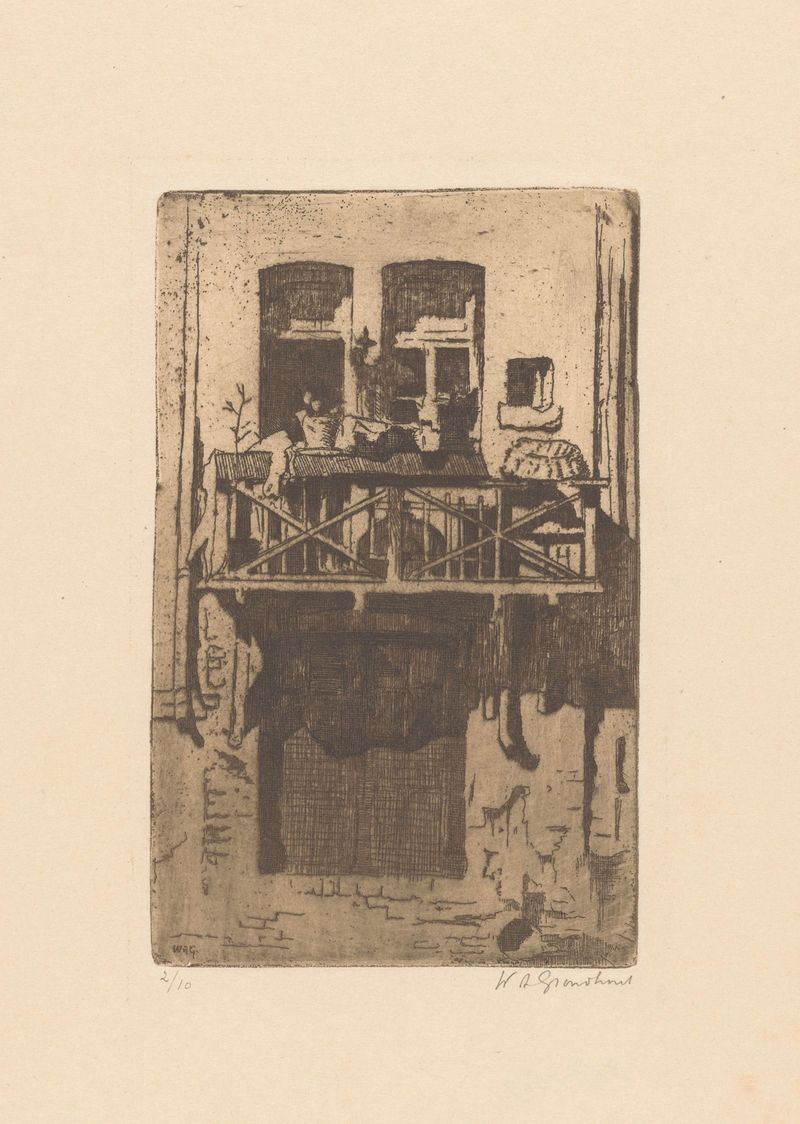
Balkon van een huis aan de Oudezijds Kolk in Amsterdam
Willem Adrianus Grondhout
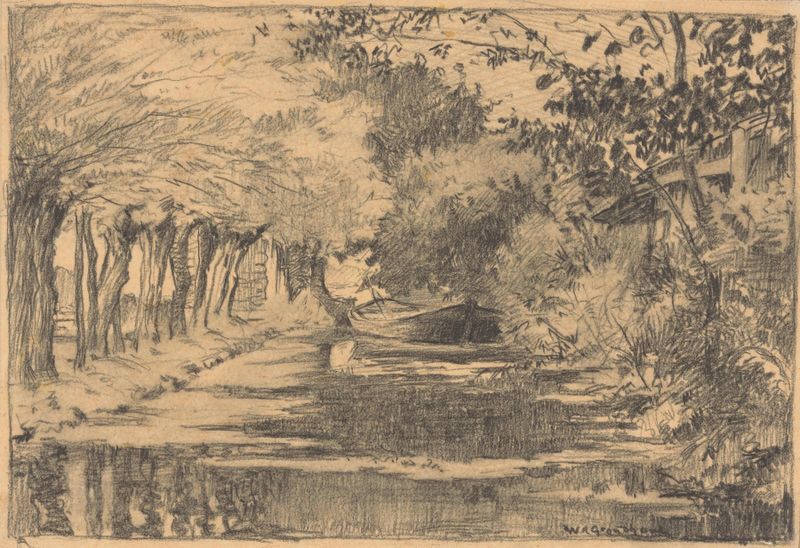
Broeksloot bij Voorburg
Willem Adrianus Grondhout
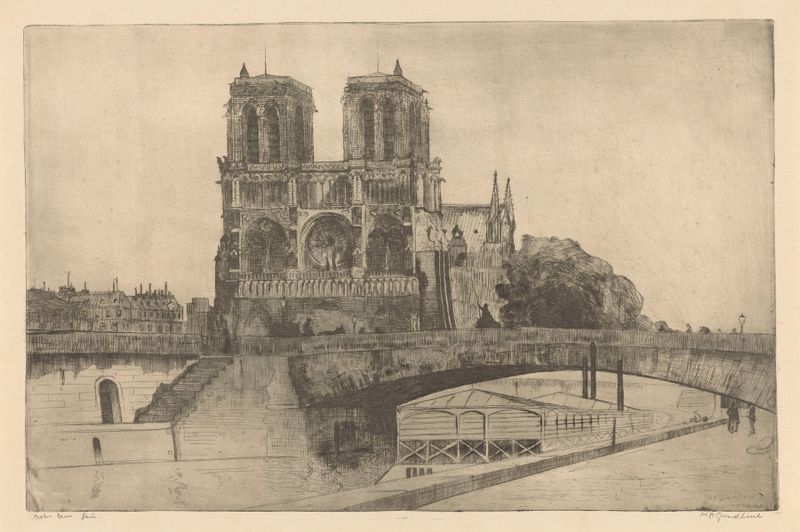
Notre-Dame, Paris
Willem Adrianus Grondhout
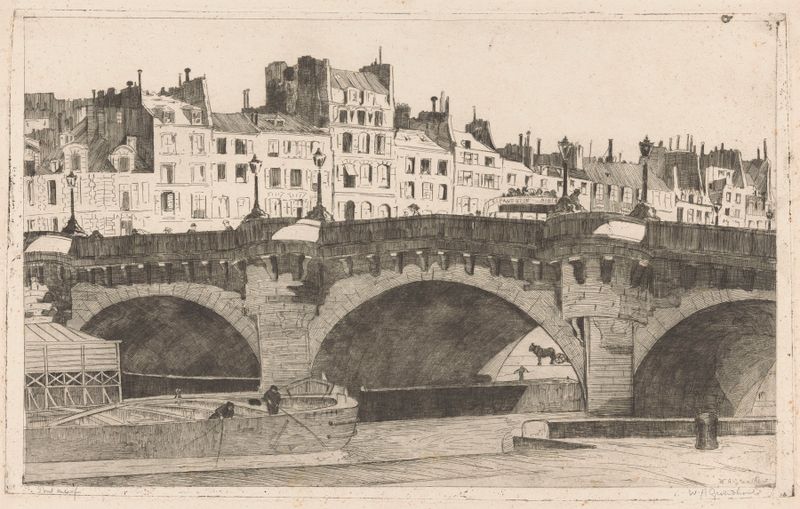
Pont Neuf
Willem Adrianus Grondhout
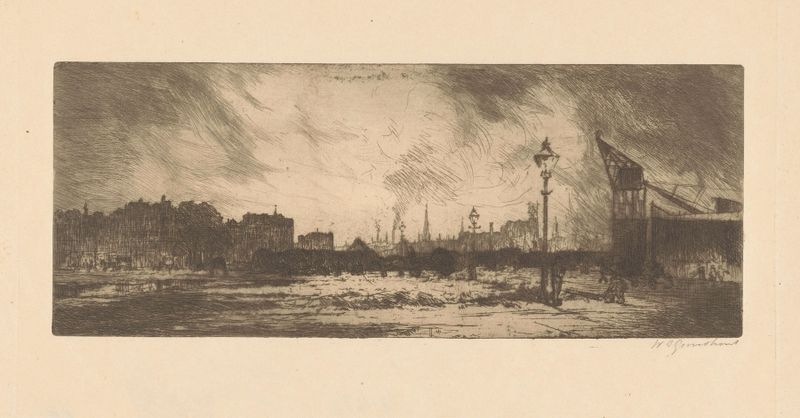
Havenkade met lantaarnpalen in Rotterdam
Willem Adrianus Grondhout
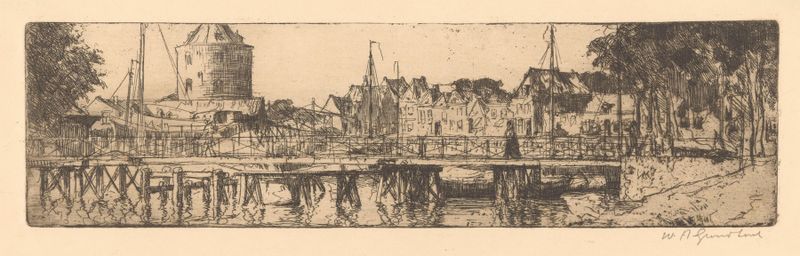
Enkhuizen
Willem Adrianus Grondhout
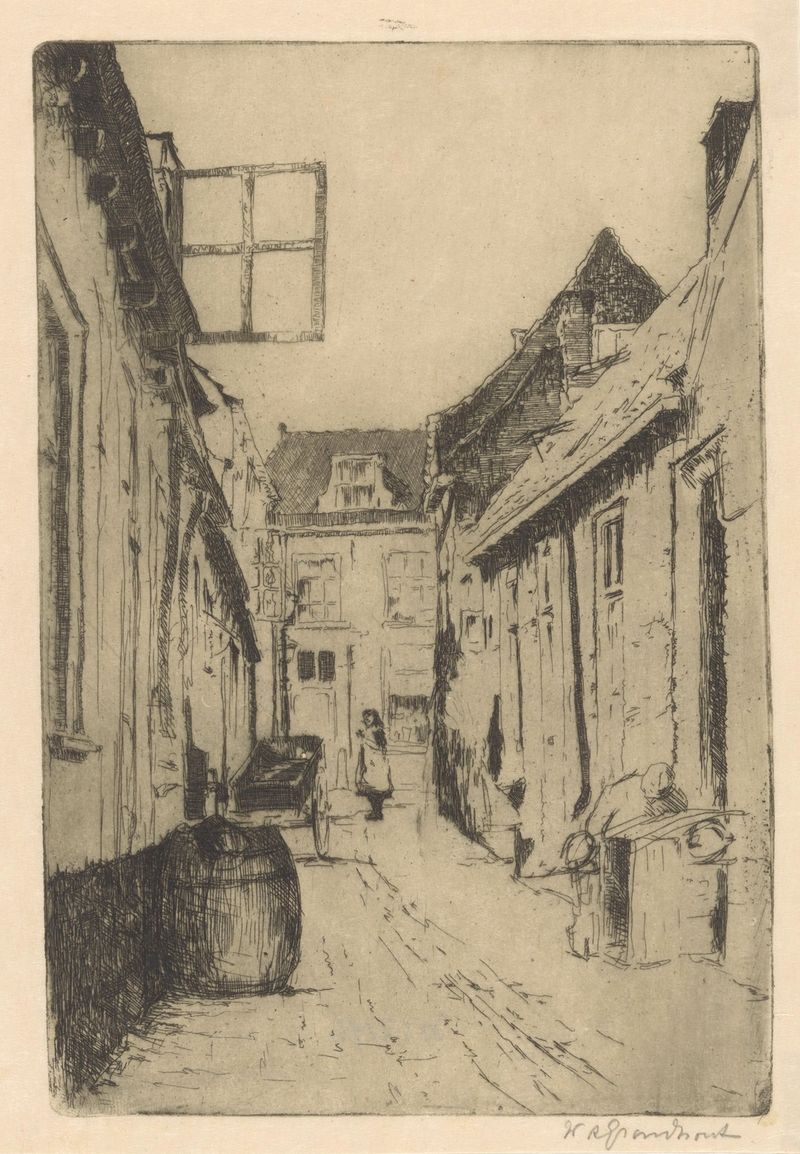
Straatje in Voorburg.
Willem Adrianus Grondhout
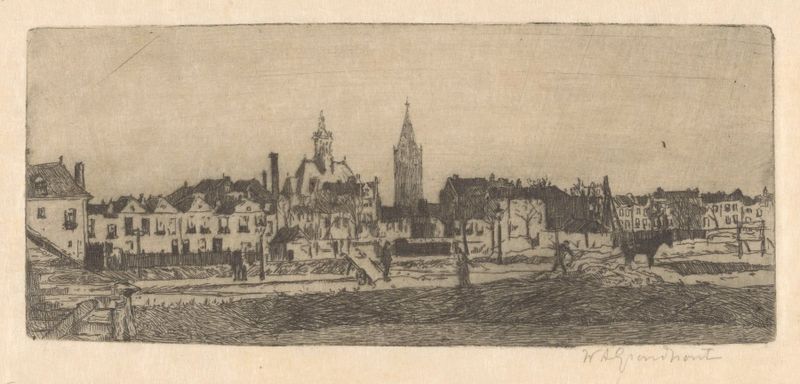
Delft
Willem Adrianus Grondhout
More Architecture Art
Browse all →
The statue of Liberty
Frédéric Auguste Bartholdi

View of Houses in Delft, Known as ‘The Little Street’
Johannes Vermeer

View of Houses in Delft, Known as ‘The Little Street’
Johannes Vermeer

The Cathedral in Rouen. The portal, Grey Weather
Claude Monet

The yellow house
Vincent van Gogh

The Church in Auvers-sur-Oise, View from the Chevet
Vincent van Gogh