
Opstanding van Christus — History & Facts
What if silence could speak through light? In Wenceslaus Hollar's Opstanding van Christus, the interplay of illumination and shadow invites contemplation on the theme of decay and resurrection. Focus on the central figure of Christ, radiating light that pierces through the surrounding darkness. Notice how the soft illumination envelops Him, contrasting sharply with the muted tones of the landscape. The subtle gradations of color in the drapery not only enhance His divinity but also evoke a sense of tenderness, skillfully rendered with delicate lines that reveal Hollar's mastery of etching.
As your gaze travels outward, the somber hues of the background reflect a world still steeped in silence and waiting, amplifying the moment's gravity. Embedded within the artwork is a profound juxtaposition of life and death. The light symbolizes hope and resurrection, while the dark shadows signify decay—a reminder of earthly transience. The figure's upward gesture emphasizes triumph over despair, yet the barren landscape surrounding Him hints at the remnants of suffering.
This duality immerses the viewer in a reflective space, urging them to contemplate the cycle of existence and the promise of renewal. Created in 1670 during a time of religious upheaval in Europe, Hollar's work resonates with the baroque emphasis on emotion and spiritual depth. Living in London after fleeing the Thirty Years' War, he participated in an artistic milieu rich with exploration of faith and mortality. This painting reflects both his personal journey and the cultural search for meaning during a tumultuous period in history.
More Artworks by Wenceslaus Hollar
Browse all →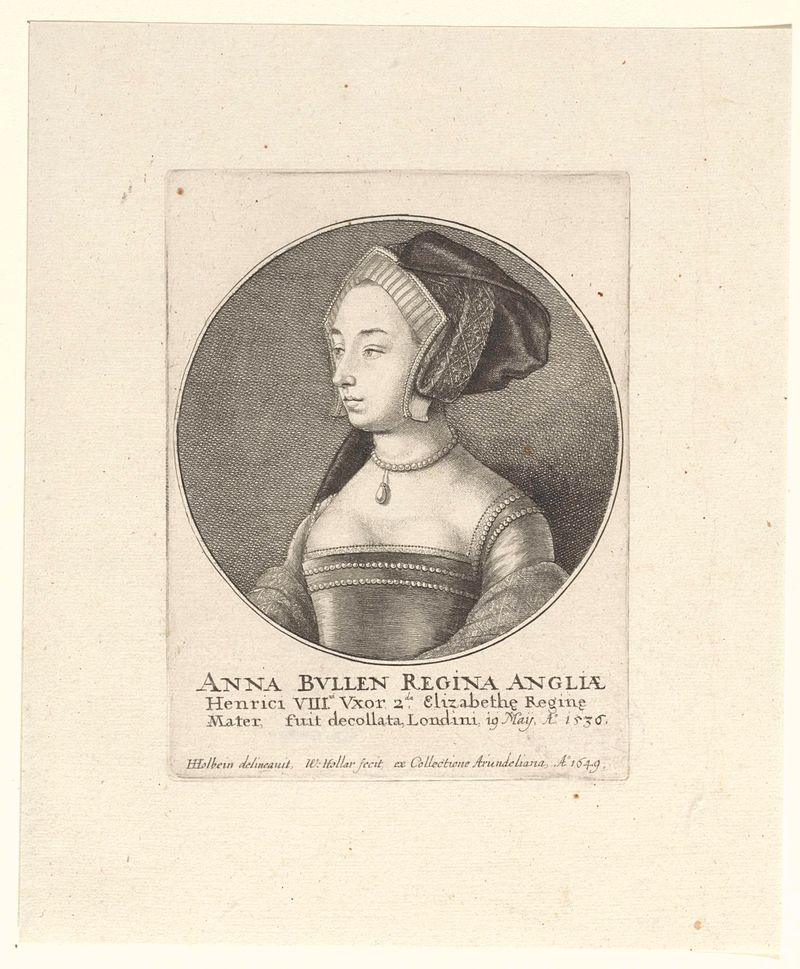
Portret van Anna Boleyn, koningin van Engeland
Wenceslaus Hollar
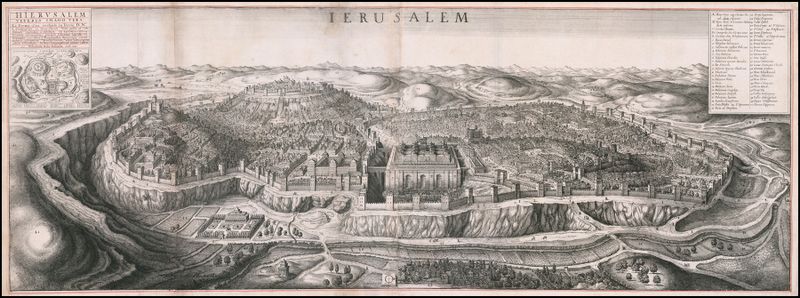
Bird’s eye view of Jerusalem
Wenceslaus Hollar
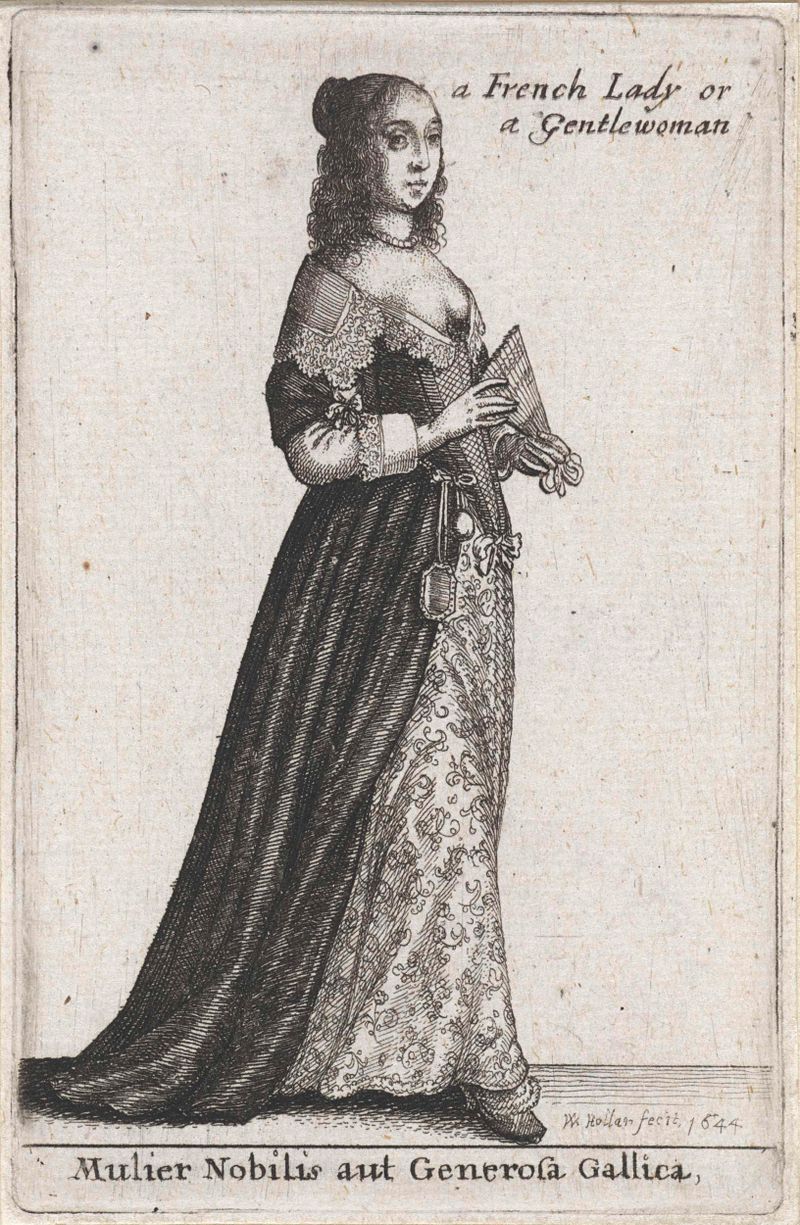
Mulier Nobilis aut Generosa Gallica / a French Lady or Gentlewoman
Wenceslaus Hollar
Titelprent voor: Ornatus Muliebris Anglicanus
Wenceslaus Hollar
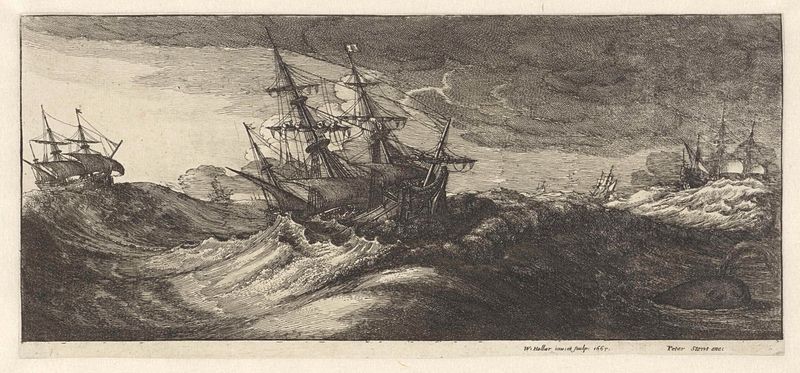
Oorlogsschepen en een walvis in een zeestorm
Wenceslaus Hollar
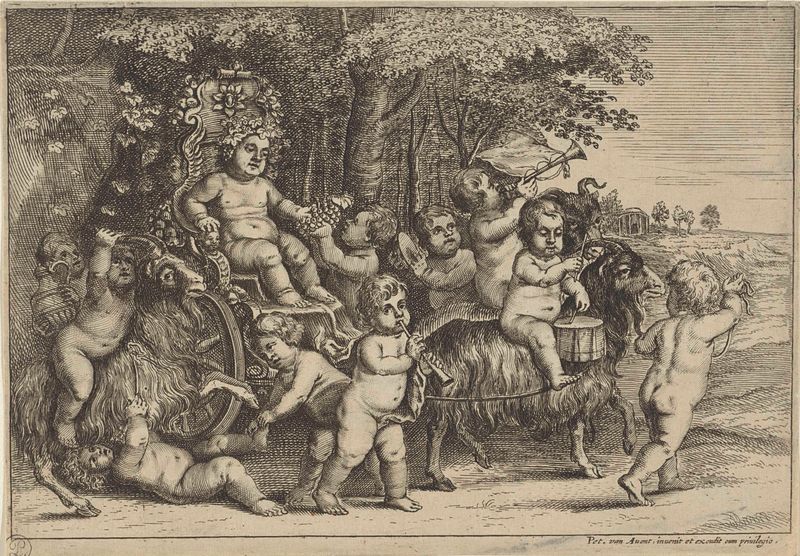
Optocht van bacchant en jongetjes op geiten
Wenceslaus Hollar
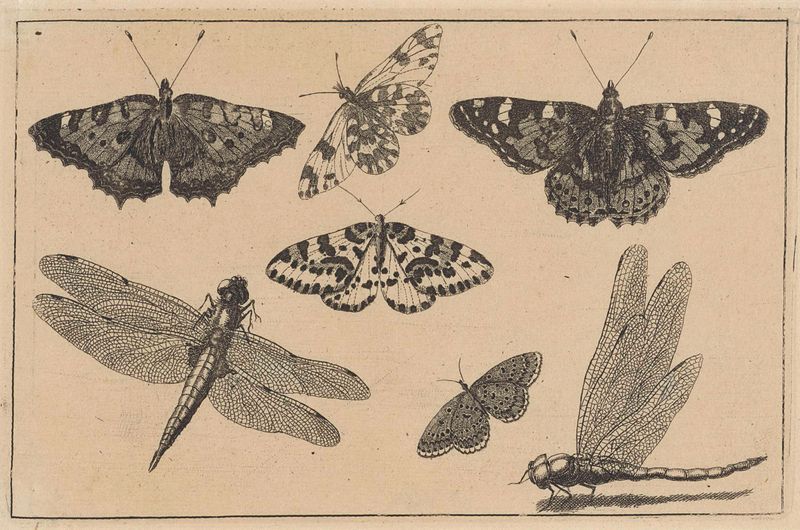
Twee libellen en vijf vlinders
Wenceslaus Hollar
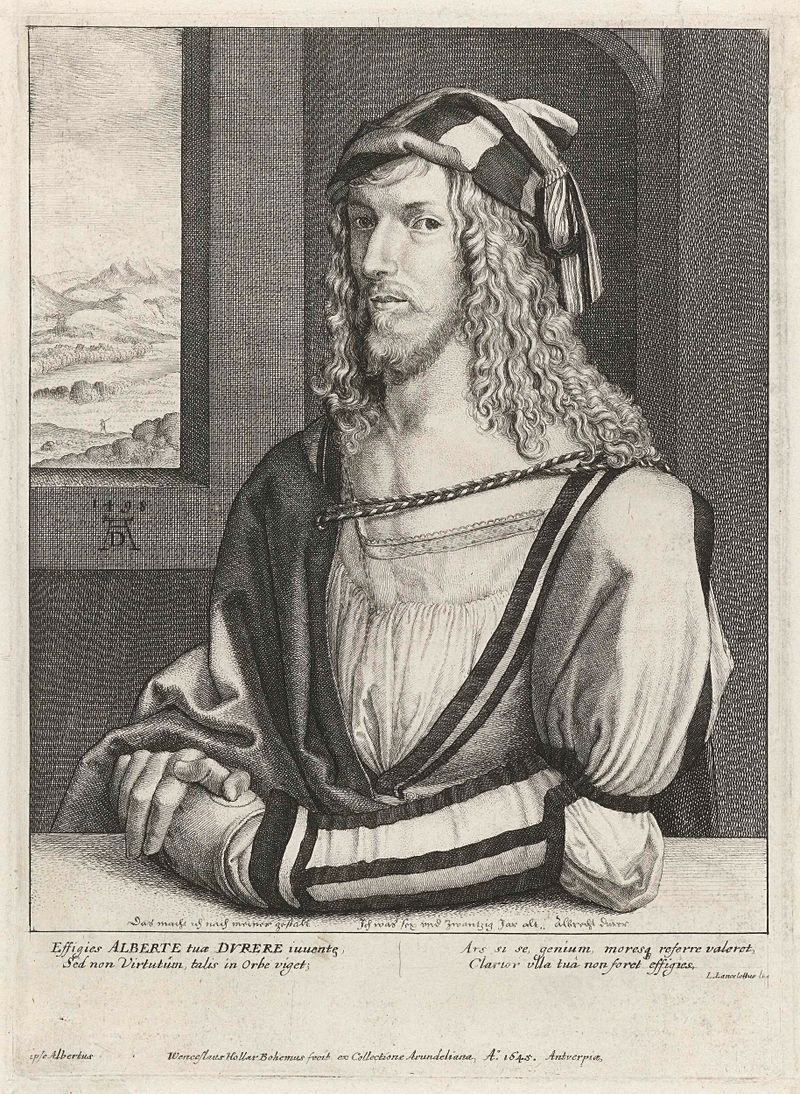
Portret van Albrecht Dürer
Wenceslaus Hollar
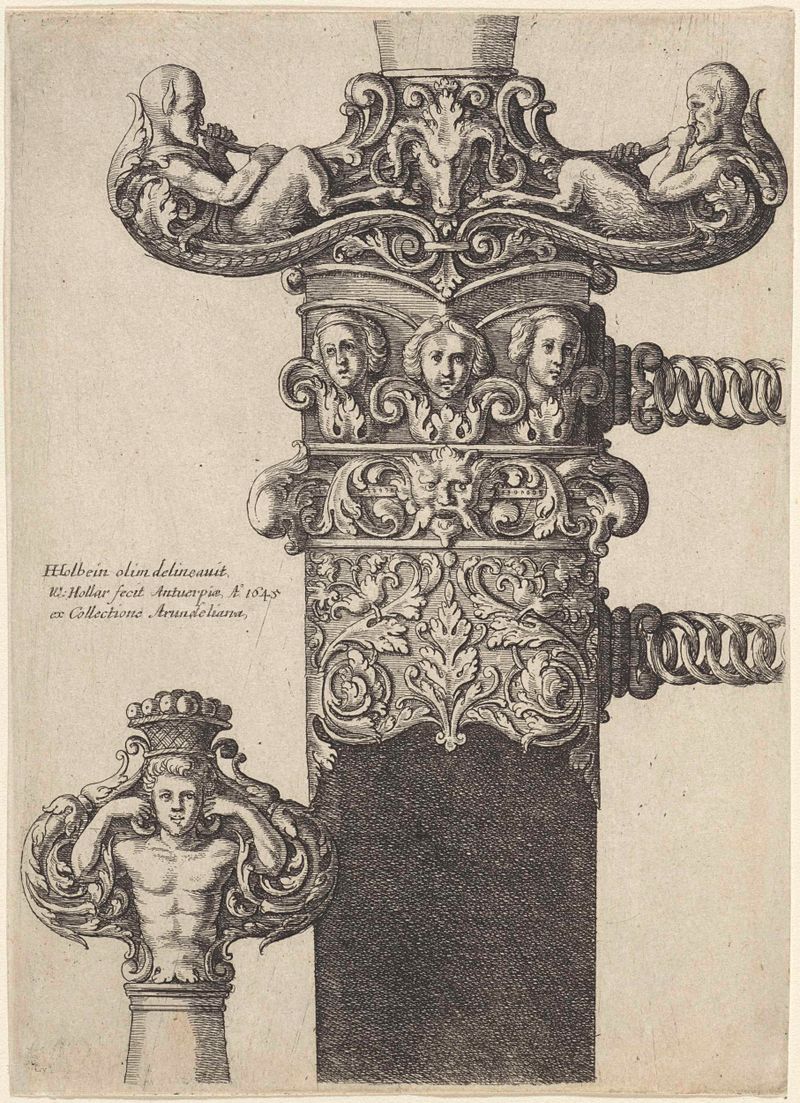
Ornamenteel ontwerp voor een dolk
Wenceslaus Hollar
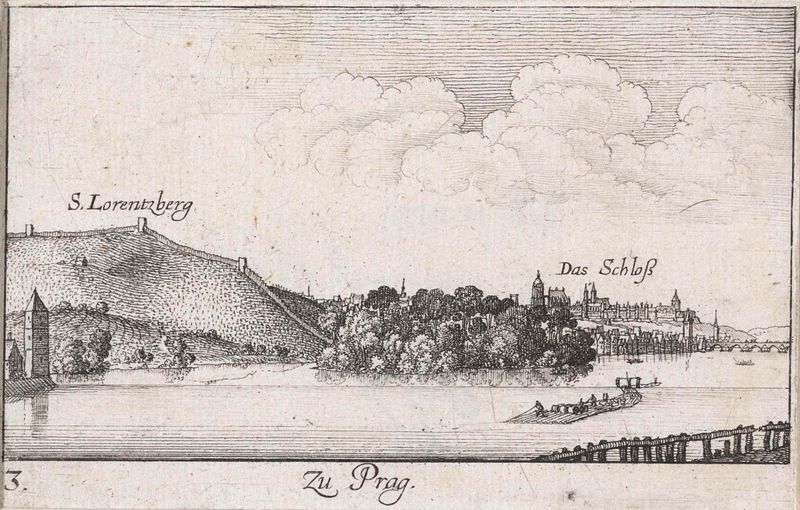
Gezicht op Praag vanaf de Moldau
Wenceslaus Hollar
More Religious Art
Browse all →
The Return of the Prodigal Son
Rembrandt van Rijn

The Garden of Earthly Delights
El Bosco

Count Orgaz’ funeral
El Greco

The Hundred Guilder Print: the central piece with Christ preaching, the plate arched
Rembrandt van Rijn

The Descent from the Cross
Rogier van der Weyden

The return of the prodigal son
Rembrandt van Rijn