
Opuntienhügel auf Capri — History & Facts
Is this a mirror — or a memory? The delicate interplay of land and sky in Opuntienhügel auf Capri evokes a longing for places that exist both in reality and the recesses of the mind. Look toward the vivid greens and browns at the forefront of the canvas; there, the opuntia cacti stand proudly, their forms both vibrant and resilient against a backdrop of gentle, rolling hills. Notice how the painter skillfully blends soft brushstrokes with sharp outlines, creating a textured surface that dances with sunlight. The azure sky above, punctuated by wispy clouds, frames the scene and draws the eye upward, contrasting with the earthy palette below, and inviting reflections on the passage of time. Hidden within the lush landscape are emotions of solitude and nostalgia.
Each cactus seems to tell a story, resolute yet yearning, as if whispering secrets of the past to anyone who pauses to listen. The tension between the warm earth and cool sky hints at a deeper connection to nature, reminding viewers of their own place within it, both physical and existential. This constant push and pull invites contemplation on the nature of memory itself. Created in 1835, this work emerged during a period when Carl Morgenstern was deeply influenced by the Romantic movement, focusing on the beauty of the natural world.
Living in a time marked by a growing appreciation for landscapes, he sought to capture the essence of Capri, where he lived and painted. Straddling the line between observation and introspection, Morgenstern's work reflects his own experiences and the broader artistic currents of the era.
More Artworks by Carl Morgenstern
Browse all →
Südliche Küstenlandschaft
Carl Morgenstern

Im Park von Ariccia
Carl Morgenstern

Seelandschaft Cefalù, Sicily
Carl Morgenstern

View of Frankfurt on the Main
Carl Morgenstern
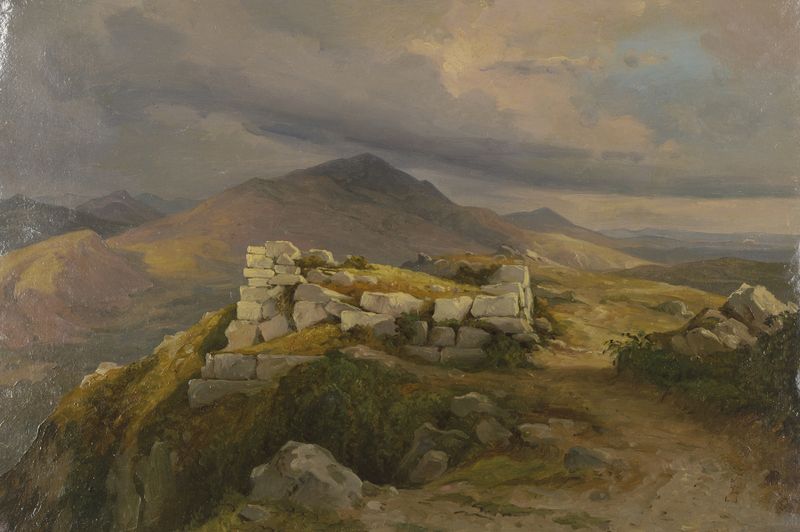
Eine Zyklopenmauer bei Civitella, dem heutigen Bellegra
Carl Morgenstern
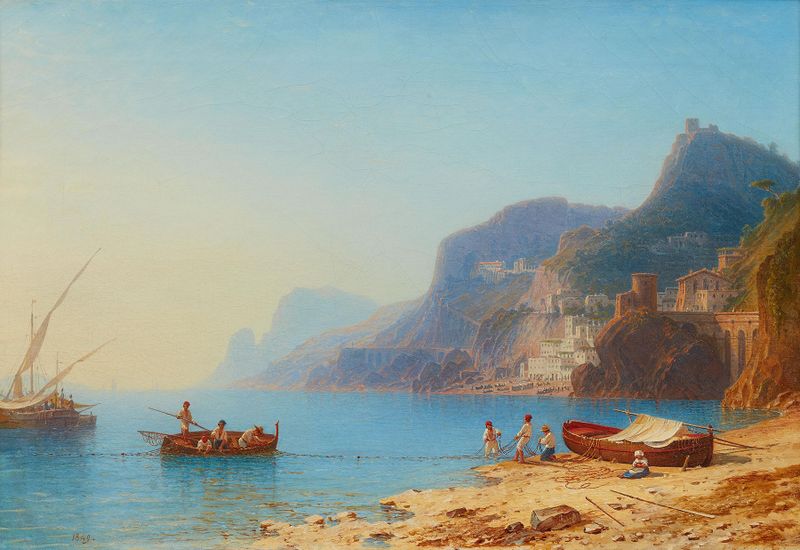
Ansicht von Villafranca (Villefranche-sur-Mer) bei Nizza
Carl Morgenstern

View of Mainz on the Rhine
Carl Morgenstern
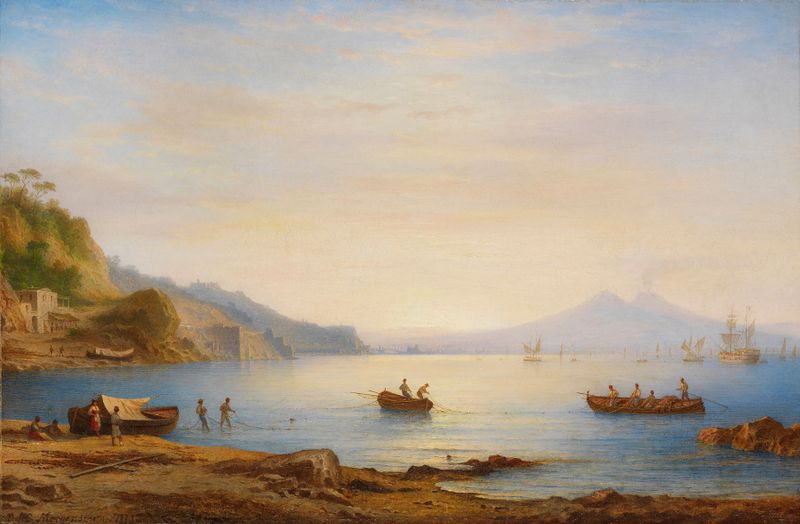
Bucht vor Neapel mit Blick auf den Vesuv
Carl Morgenstern
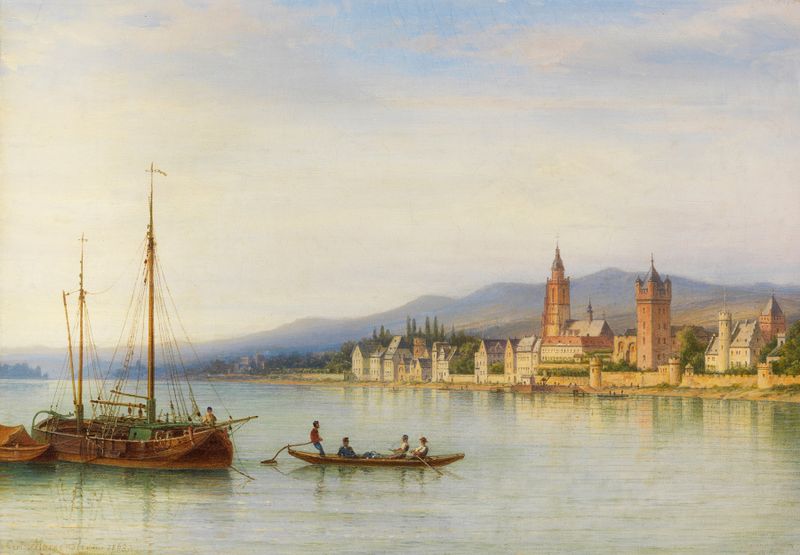
Eltville am Rhein
Carl Morgenstern
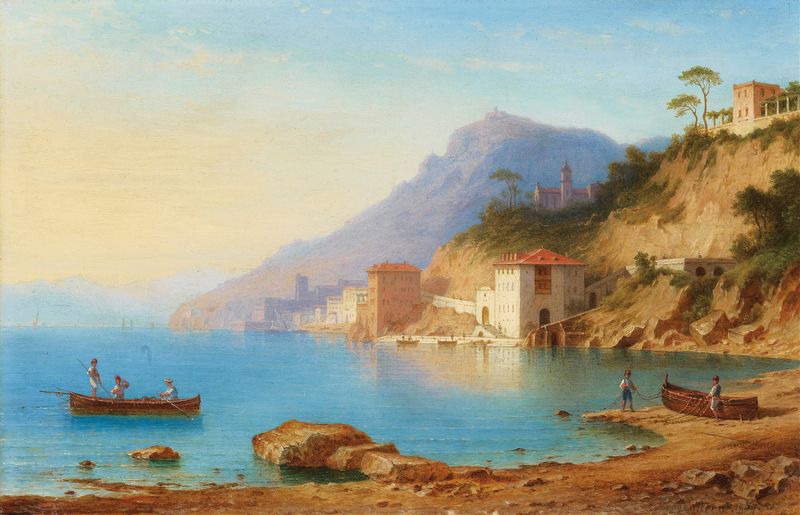
View of the Amalfi coast
Carl Morgenstern





