
Oriental scenery Pl.49 — History & Facts
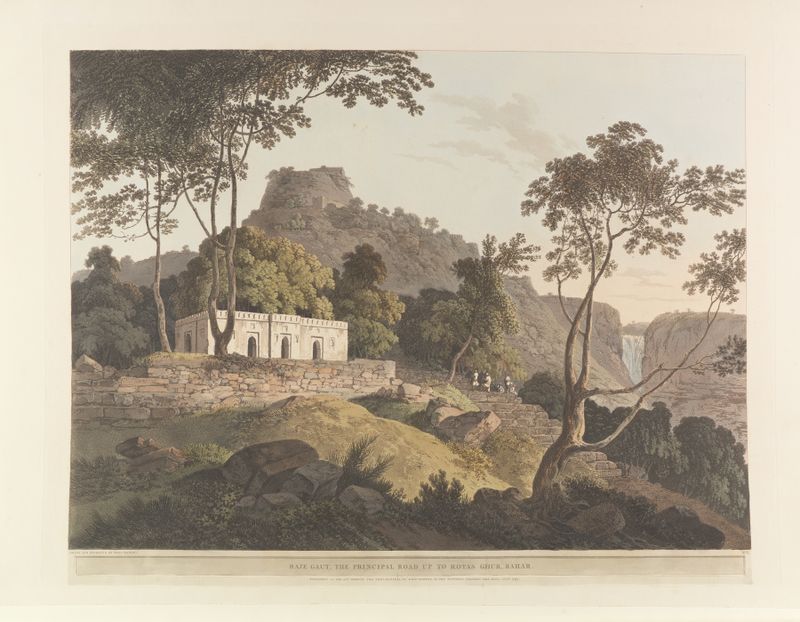
What if beauty was never meant to be finished? The allure of incompleteness invites viewers to contemplate the spaces left unfilled, a whisper of what once was or what could be. Look closely at the sprawling landscape before you, where distant mountains loom under a sky brushed with soft pastels. Notice how the foreground is defined by a serene river, gently winding through lush greenery. The palette harmonizes with delicate layers of color, each stroke revealing Daniell’s meticulous attention to light and shadow, evoking a sense of tranquility amidst an expansive void. In the background, the absence of figures accentuates a profound solitude, inviting a deeper meditation on nature's endless cycle.
The quiet emptiness speaks of transience, where the natural beauty exists but is not fully realized. A subtle tension arises from the juxtaposition of rich detail in the foliage against the stark distance, suggesting both connection and separation — an invitation to explore the untouched spaces of existence. Created in 1808 during his travels in India, the artist sought to capture the exotic beauty of the landscape and its cultural essence. At this time, Daniell was part of a broader movement in British art, influenced by the Romantic fascination with the sublime and the unknown.
His work not only reflects the aesthetic values of the era but also offers a glimpse into the complex relationship between the East and the West, forever shaped by the artist's own journey and encounters.
More Artworks by Thomas Daniell
Browse all →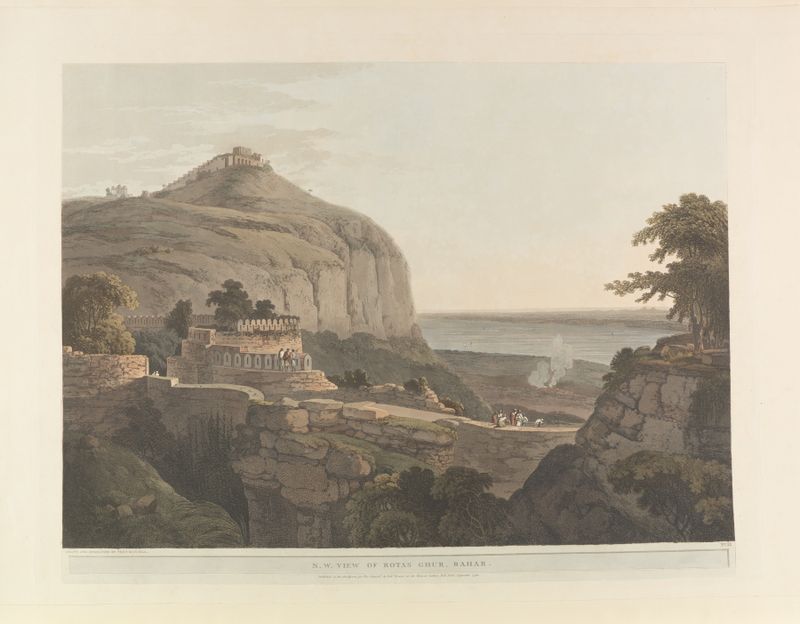
Oriental scenery Pl.20
Thomas Daniell
Oriental scenery Pl.14
Thomas Daniell
Oriental scenery Pl.32
Thomas Daniell
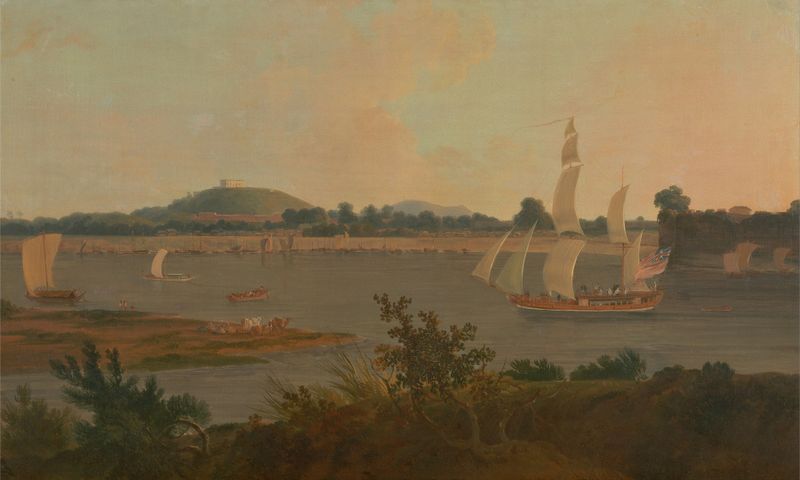
Pinnace sailing down the Ganges past Monghyr Fort
Thomas Daniell
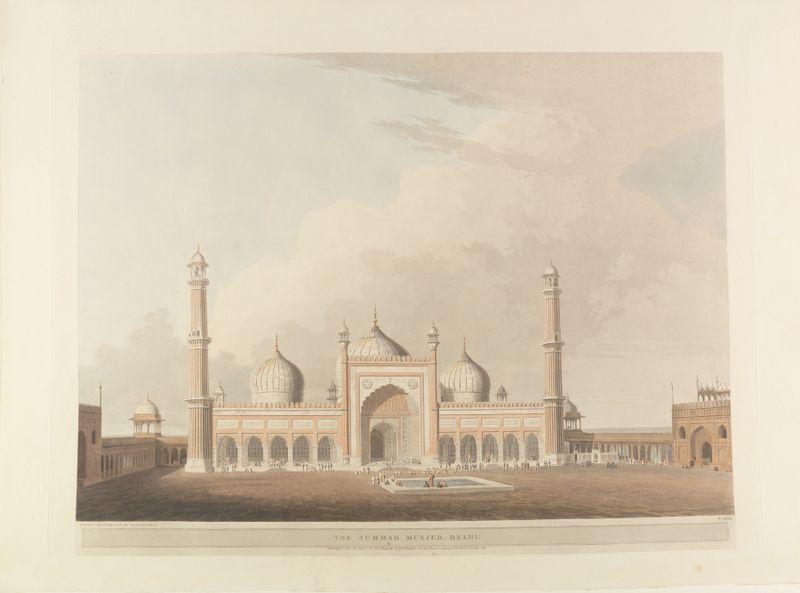
Oriental scenery Pl.23
Thomas Daniell
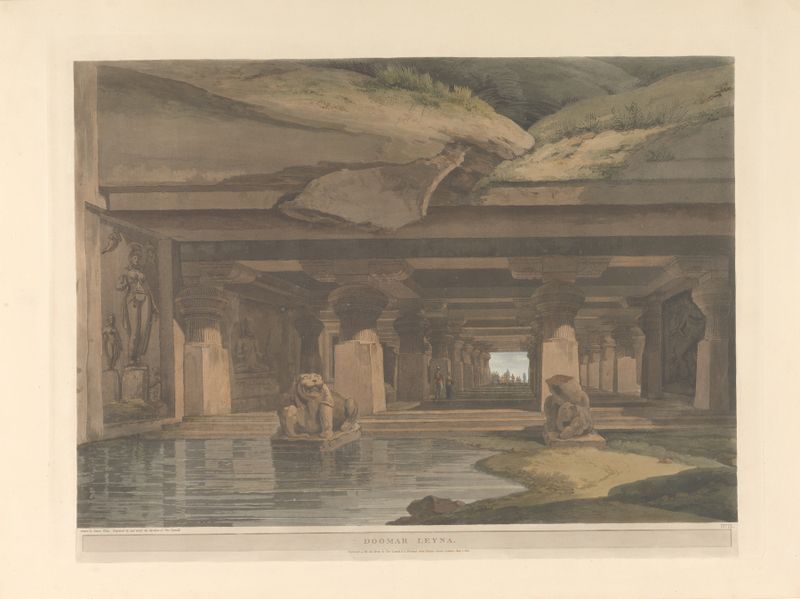
Oriental scenery Pl.34
Thomas Daniell
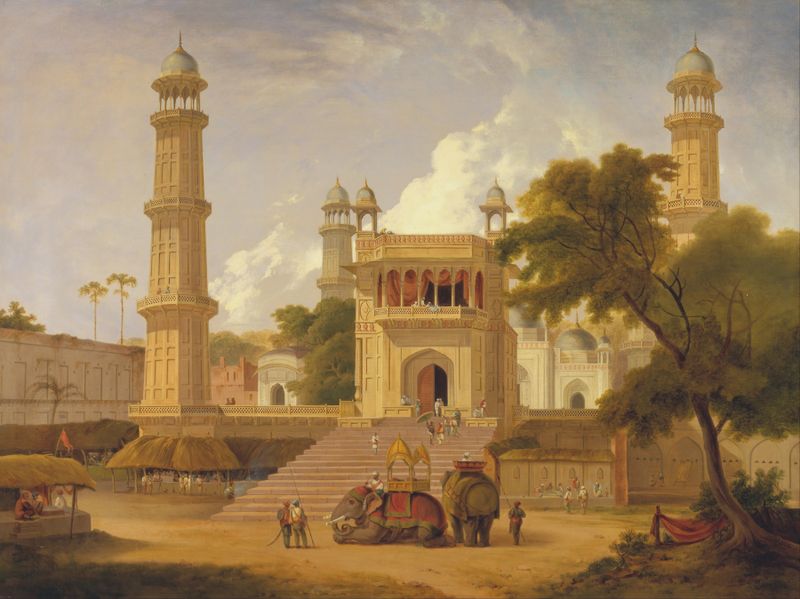
Indian Temple, Said to Be the Mosque of Abo-ul-Nabi, Muttra
Thomas Daniell
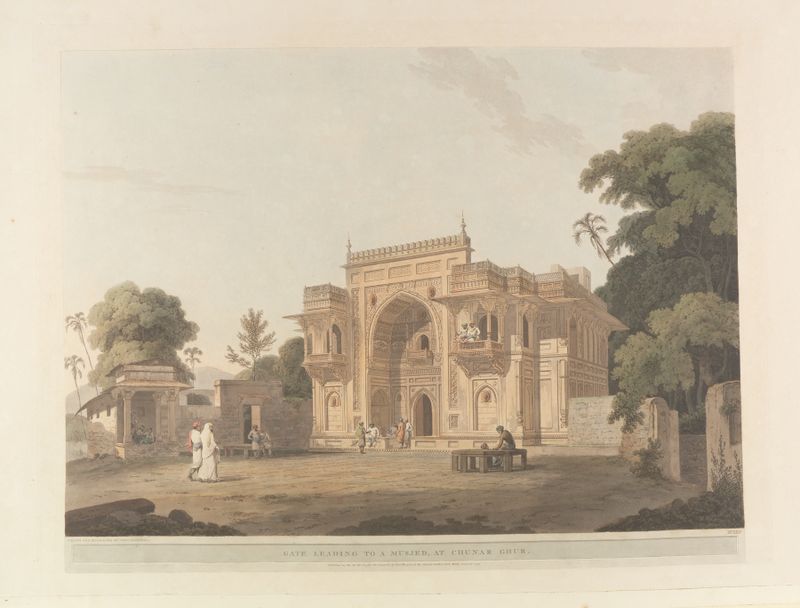
Oriental scenery Pl.24
Thomas Daniell
Oriental scenery Pl.05
Thomas Daniell

Aurangzeb’s Mosque
Thomas Daniell





