Ornament met twee dolfijnen en hoornen des overvloeds — History & Facts
In the delicate play of ornamentation, what fills the voids of existence becomes a poignant inquiry into emptiness itself. Look closely at the intricate details of the engraved ornamentation; the two dolphins entwined in a dance of leisure capture immediate attention. Their sinuous forms flow seamlessly with the harmonious curves of the surrounding elements, suggesting both motion and tranquility. Notice how the light and shadow interplay across the surface, emphasizing the meticulous craftsmanship and the subtle delicacy of the etching.
The muted palette invites a contemplative pause, drawing the eye into a world that feels both luxurious and fleeting. Beneath the surface, the juxtaposition of abundance and emptiness resonates deeply. The dolphins symbolize grace and vitality, yet they are encased in a decorative frame that hints at confinement. The horns of plenty, a motif of prosperity, stand empty, suggesting that what is often perceived as richness may merely mask an underlying void.
This tension invites reflection on the nature of wealth and fulfillment, urging viewers to ponder the often stark contrast between appearance and reality. Wenceslaus Hollar created this engraving in 1642, a time when he was living in London amidst the tumult of the English Civil War. Having fled his native Bohemia due to political unrest, he found his footing in the vibrant art scene of England. This period marked a transition for Hollar, where he navigated both personal dislocation and the evolving landscape of European art, influencing his work with a unique blend of baroque ornamentation and a profound sense of introspection.
More Artworks by Wenceslaus Hollar
Browse all →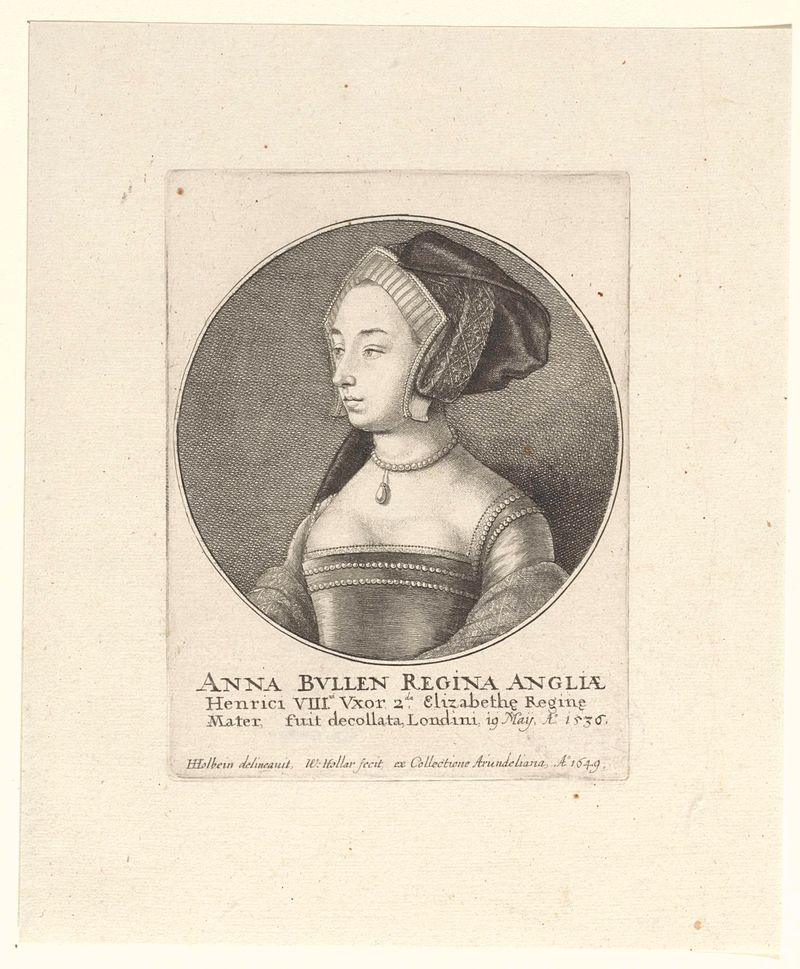
Portret van Anna Boleyn, koningin van Engeland
Wenceslaus Hollar
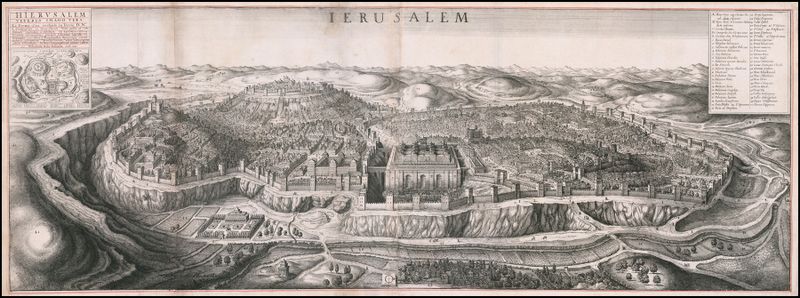
Bird’s eye view of Jerusalem
Wenceslaus Hollar
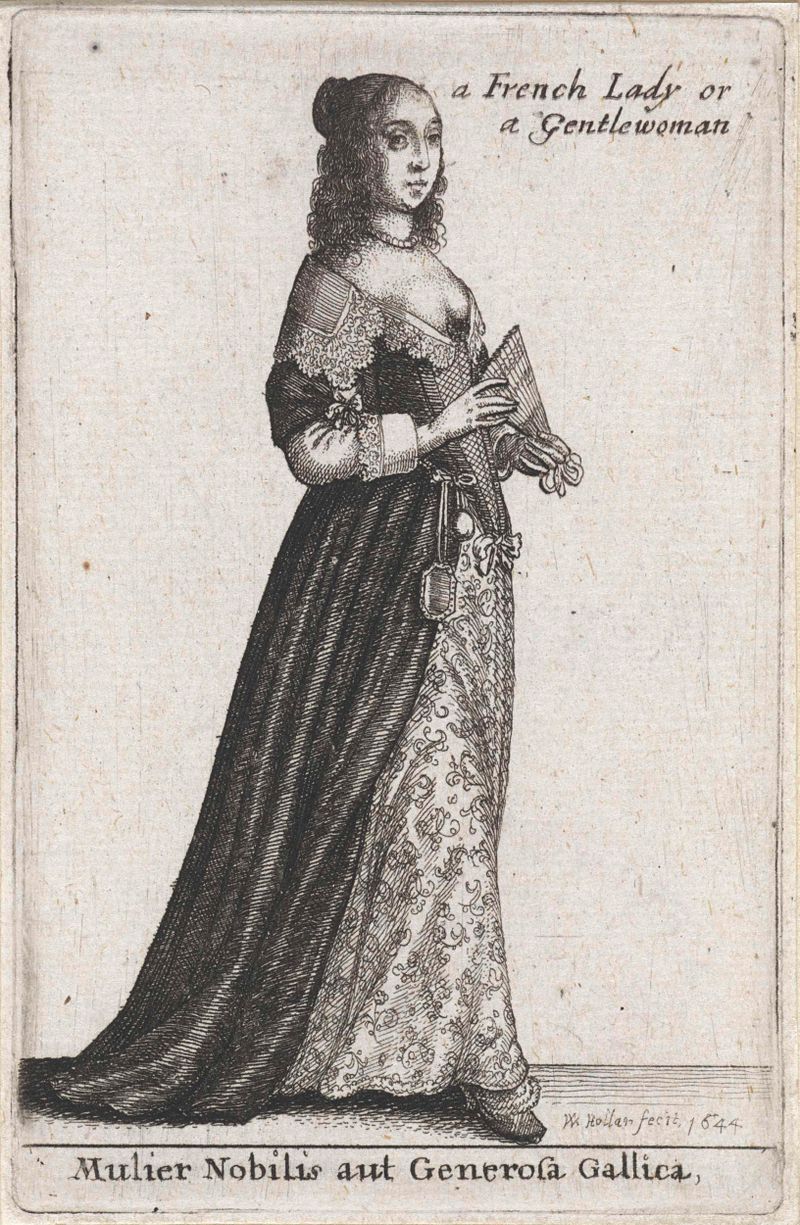
Mulier Nobilis aut Generosa Gallica / a French Lady or Gentlewoman
Wenceslaus Hollar
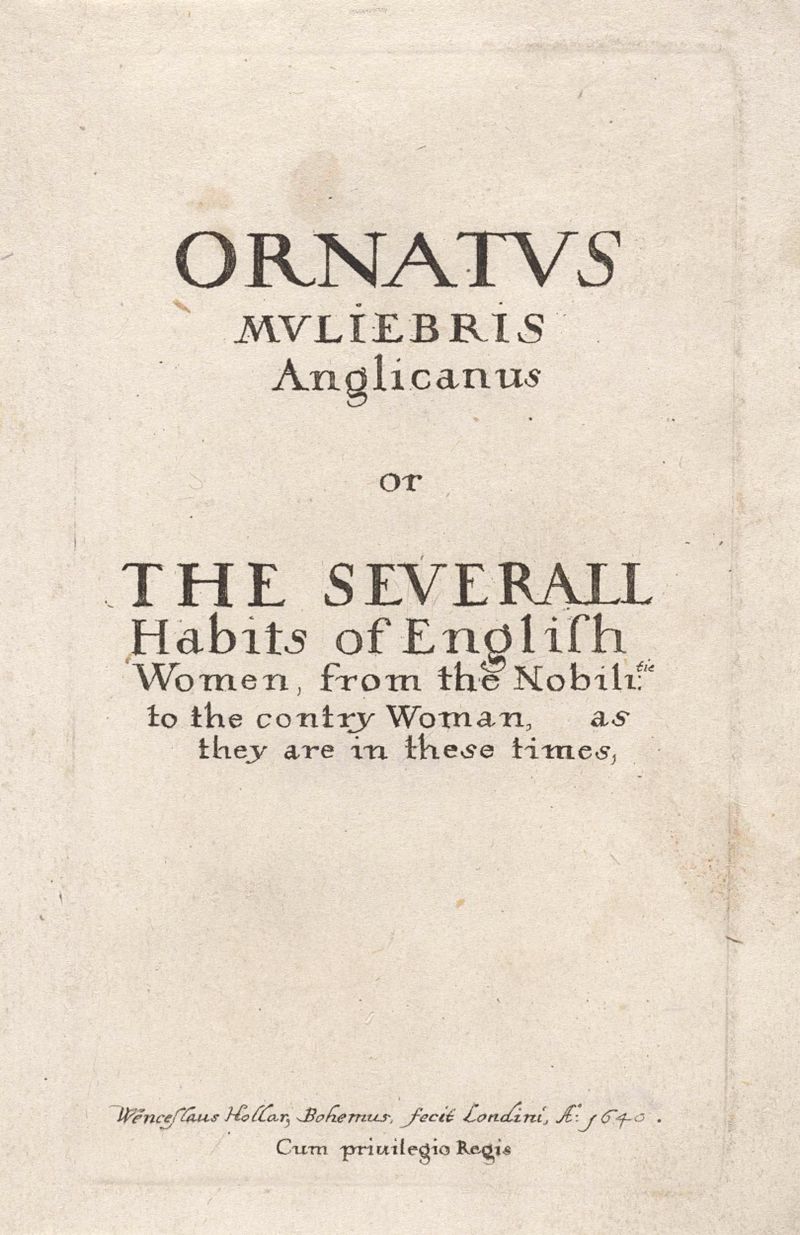
Titelprent voor: Ornatus Muliebris Anglicanus
Wenceslaus Hollar
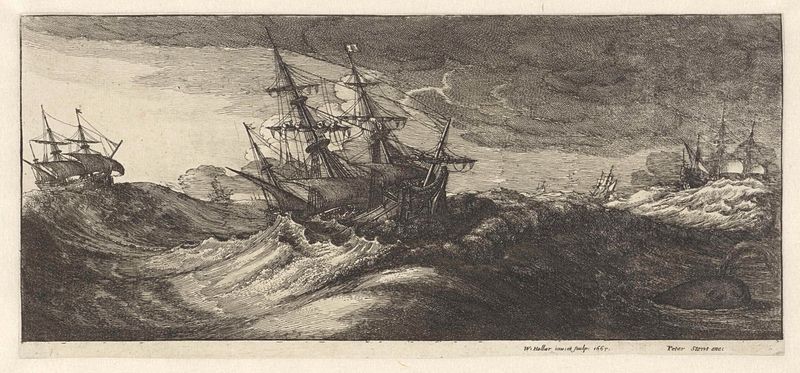
Oorlogsschepen en een walvis in een zeestorm
Wenceslaus Hollar
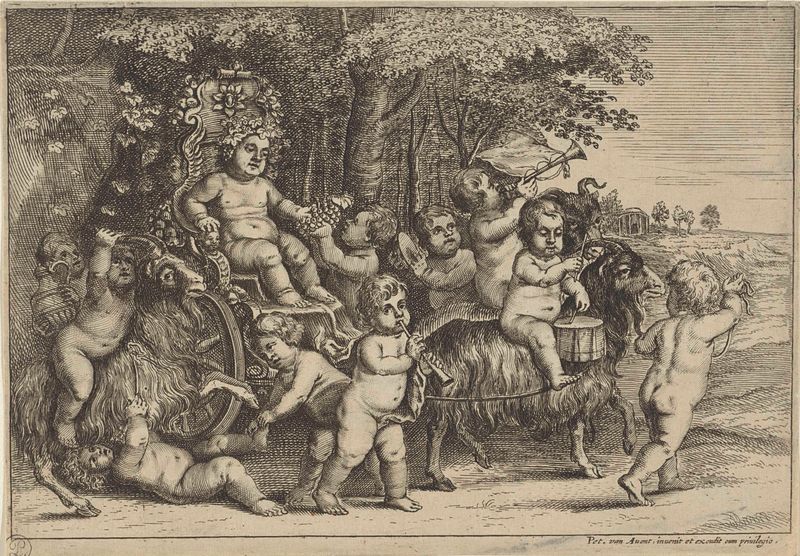
Optocht van bacchant en jongetjes op geiten
Wenceslaus Hollar
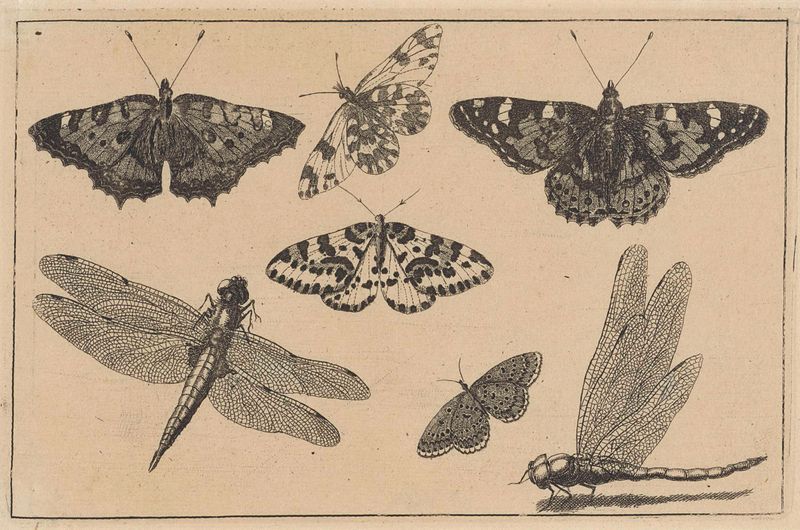
Twee libellen en vijf vlinders
Wenceslaus Hollar
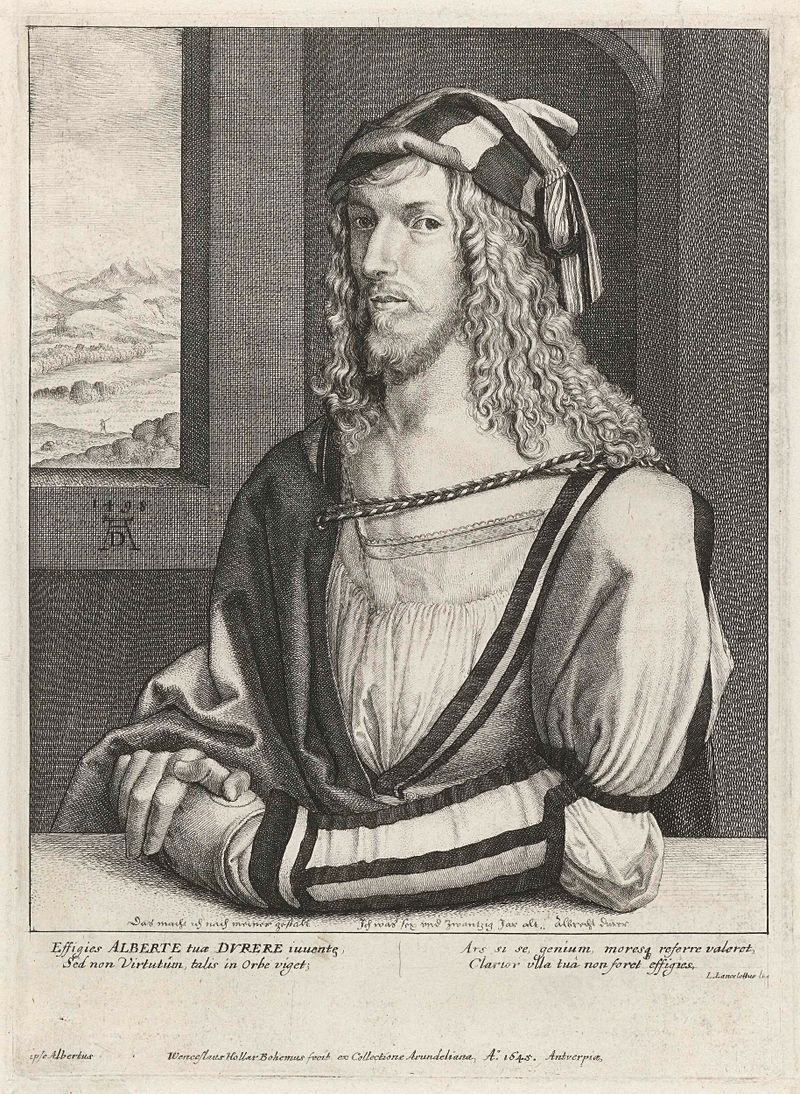
Portret van Albrecht Dürer
Wenceslaus Hollar
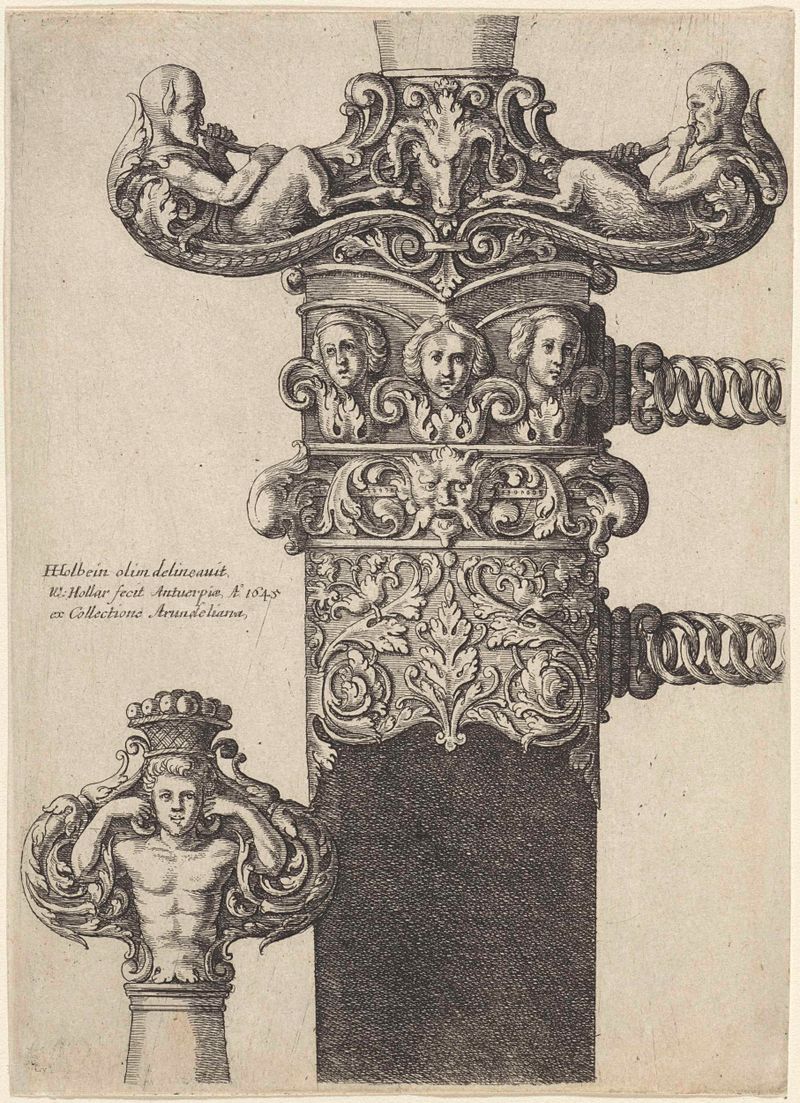
Ornamenteel ontwerp voor een dolk
Wenceslaus Hollar
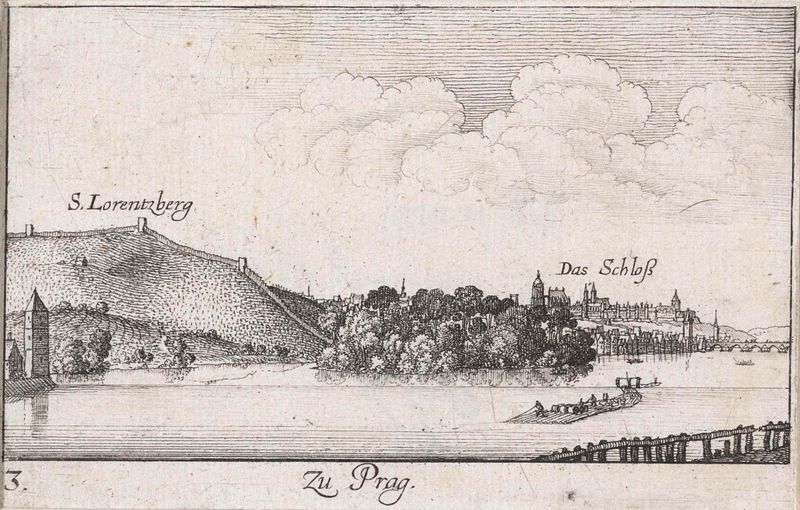
Gezicht op Praag vanaf de Moldau
Wenceslaus Hollar