
Ornamentele kan met deksel — History & Facts
Who listens when art speaks of silence? In the delicate intricacies of Ornamentele kan met deksel, Wenceslaus Hollar invites us to immerse ourselves in a dialogue of form and absence, where every line resonates with unspoken ecstasy. Look closely at the foreground; the ornamental jug takes center stage, its elegant curves and meticulously engraved surface drawing the eye. Notice how the light dances on the metallic sheen, revealing a play of shadows that gives depth to the craftsmanship. The composition balances simplicity and ornamentation, allowing the jug to shine with an understated glory, while the absence of a bustling background quietly emphasizes its solitary presence. Within this stillness lies a rich tapestry of meaning.
The interplay of light and shadow evokes a sense of transience, suggesting that beauty, though captivating, is often fleeting. The jug itself, adorned yet functional, speaks to the duality of art as both utility and desire, while its lid tantalizingly hints at what lies beneath—an invitation to explore the hidden depths of one’s own yearning. Each detail, from the elegant spout to the intricate etchings, forms a dialogue between the tangible and the ephemeral. Hollar created this piece between 1645 and 1649, during his time in the Netherlands, a period marked by a flourishing of artistic innovation and a keen interest in still life.
Emerging from the shadow of the Thirty Years' War, the artist focused on capturing the refinement and elegance of everyday objects, reflecting both personal and societal aspirations. His work showcases a transition from the tumult of conflict to a celebration of beauty, eloquently bridging two worlds through the simplicity of a single jug.
More Artworks by Wenceslaus Hollar
Browse all →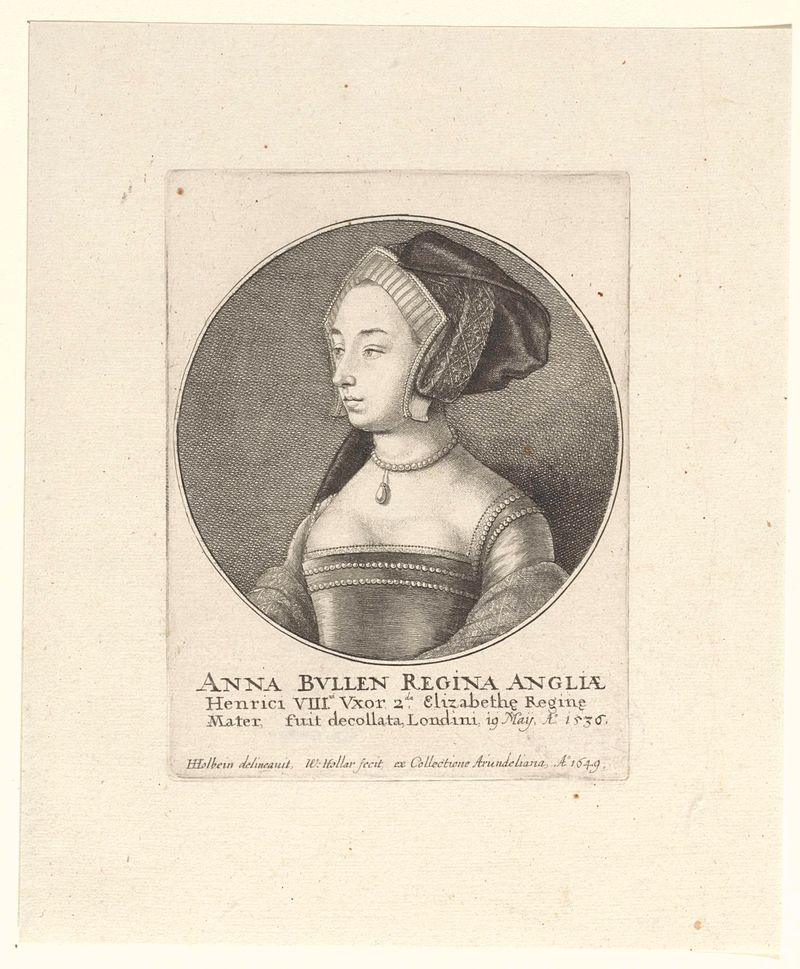
Portret van Anna Boleyn, koningin van Engeland
Wenceslaus Hollar
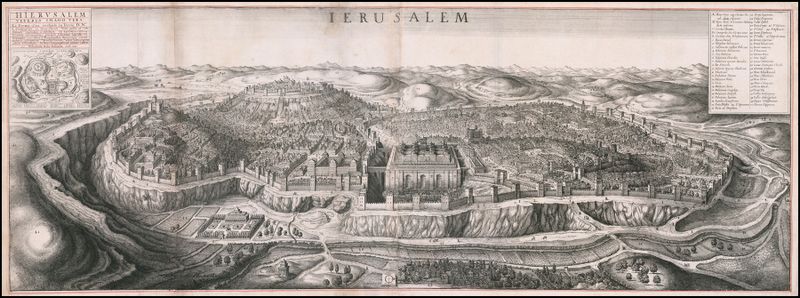
Bird’s eye view of Jerusalem
Wenceslaus Hollar
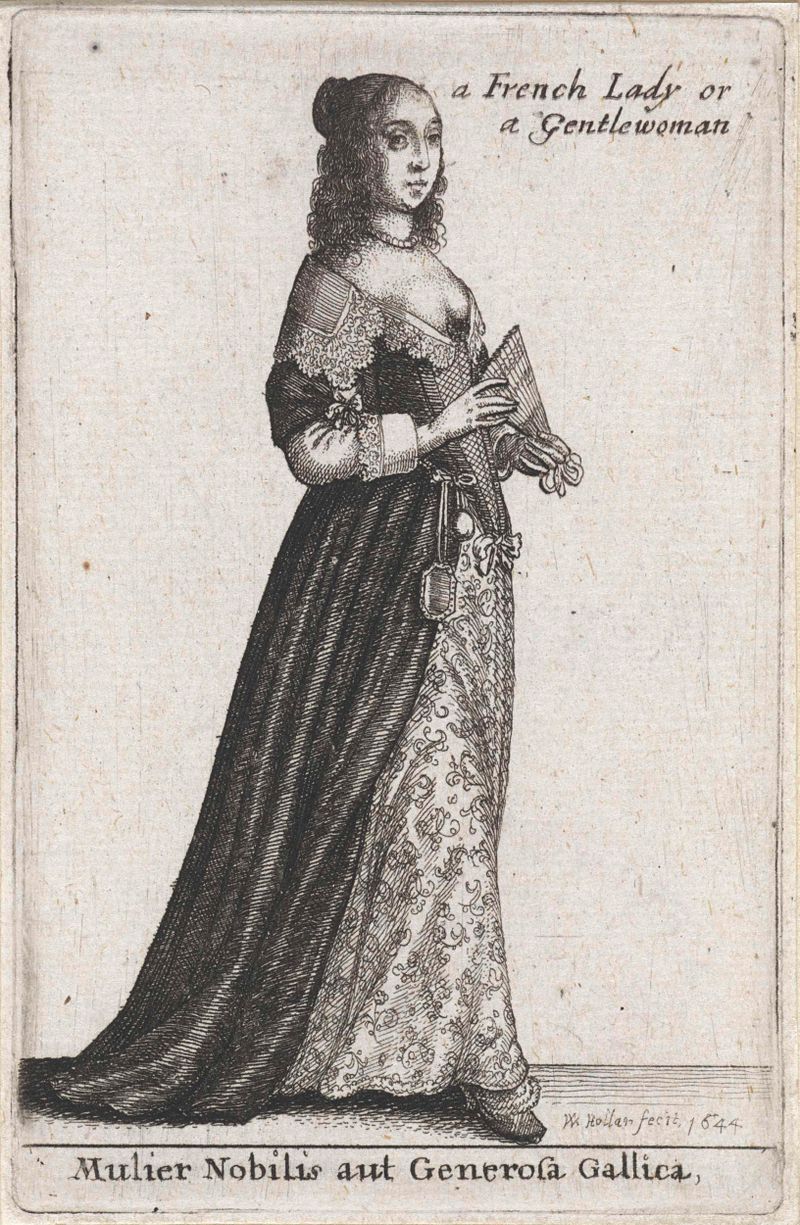
Mulier Nobilis aut Generosa Gallica / a French Lady or Gentlewoman
Wenceslaus Hollar
Titelprent voor: Ornatus Muliebris Anglicanus
Wenceslaus Hollar
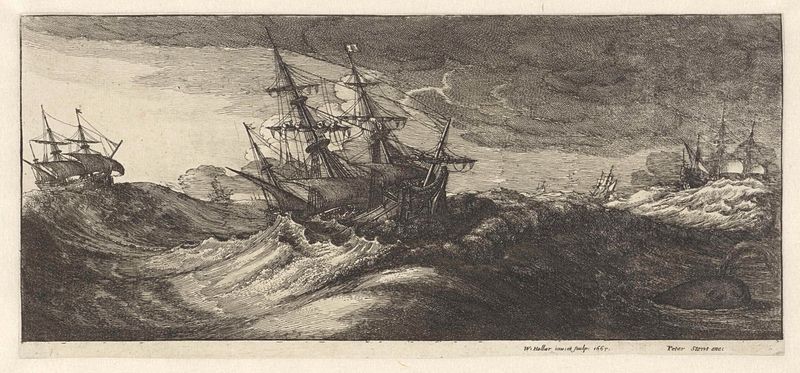
Oorlogsschepen en een walvis in een zeestorm
Wenceslaus Hollar
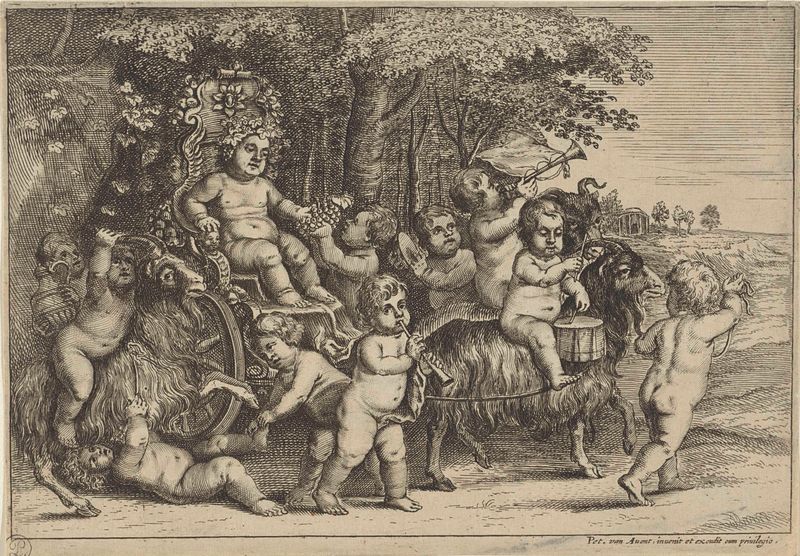
Optocht van bacchant en jongetjes op geiten
Wenceslaus Hollar
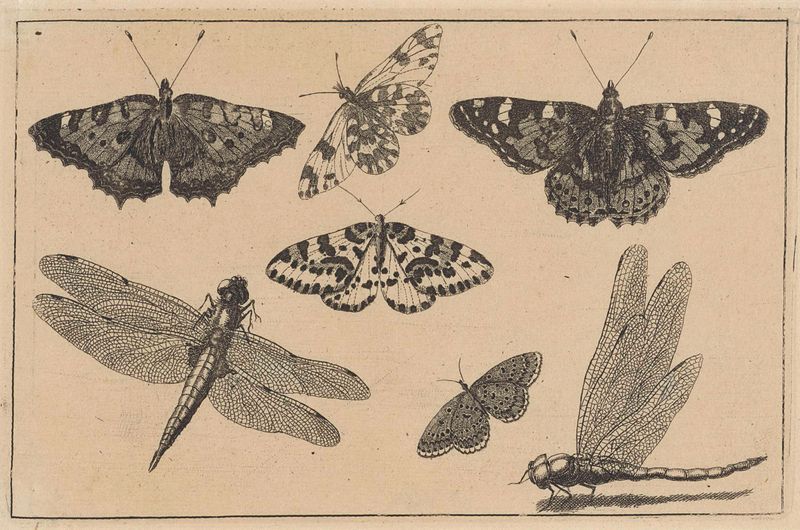
Twee libellen en vijf vlinders
Wenceslaus Hollar
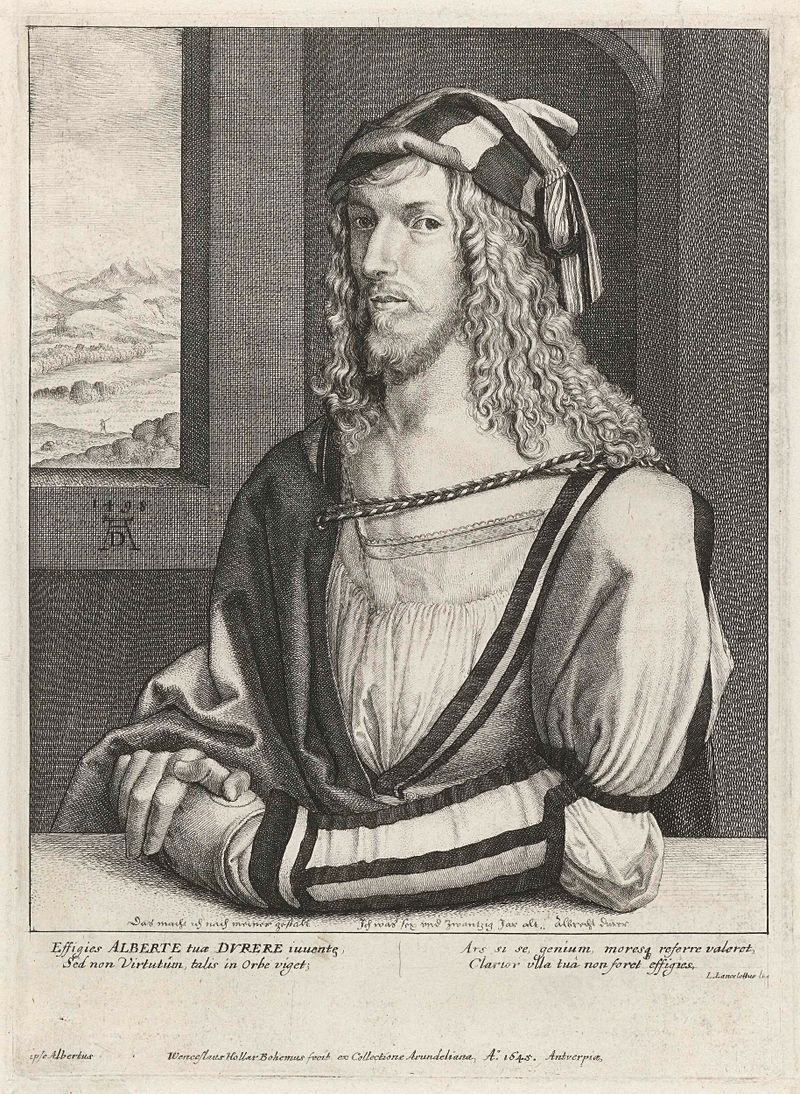
Portret van Albrecht Dürer
Wenceslaus Hollar
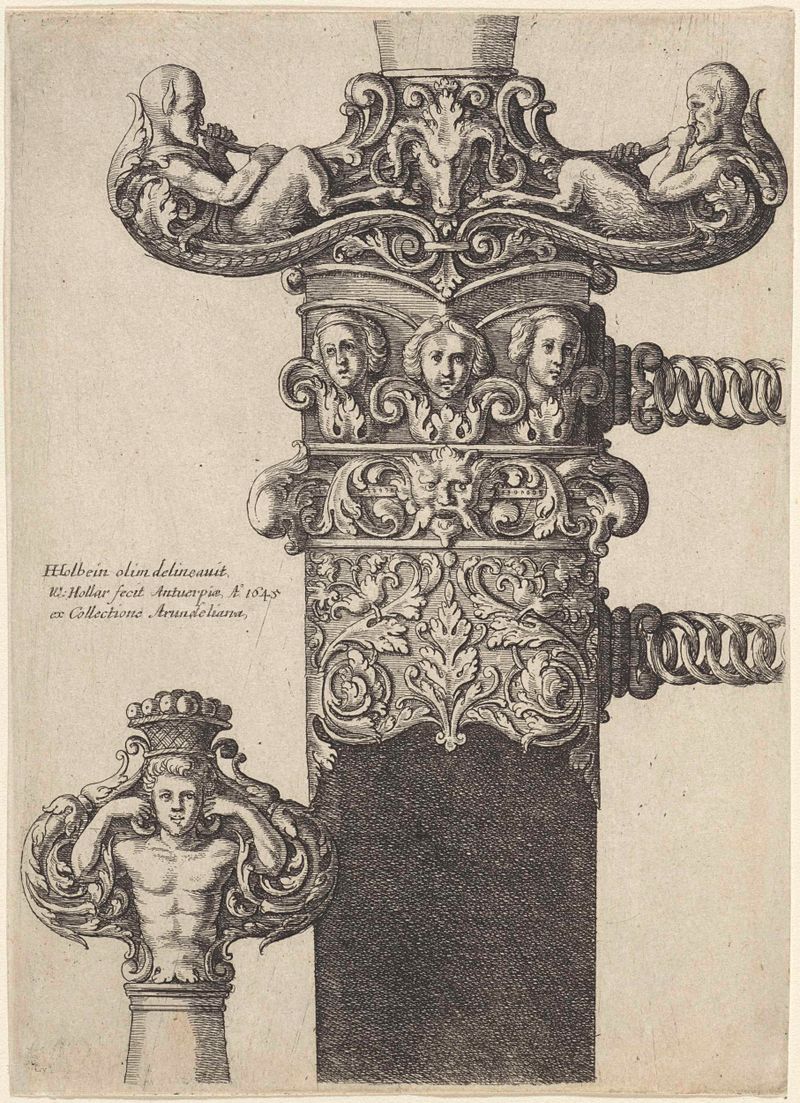
Ornamenteel ontwerp voor een dolk
Wenceslaus Hollar
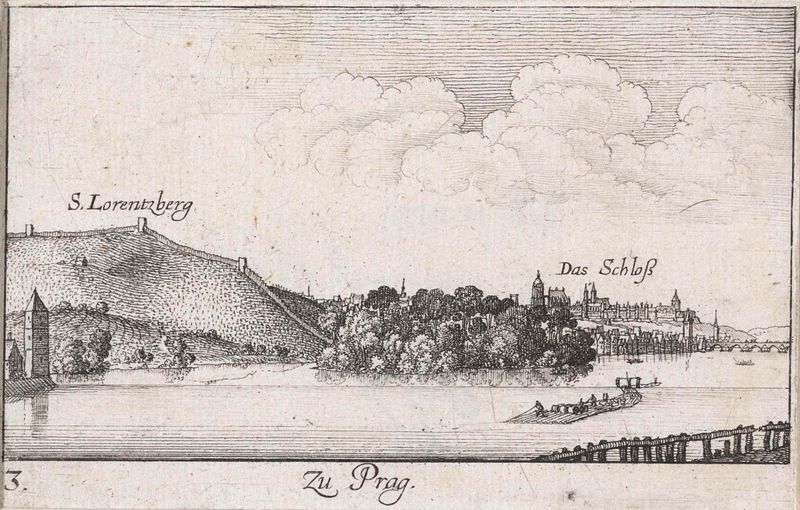
Gezicht op Praag vanaf de Moldau
Wenceslaus Hollar





