
Oude vrouw met bontmuts — History & Facts
Where does light end, and longing begin? In Oude vrouw met bontmuts, an ethereal glow envelops the figure, evoking a profound sense of awakening both within and around her. Look closely at her expression; the subtle curve of her lips hints at unspoken stories, while her eyes glimmer with a quiet wisdom that transcends time. Notice how the light gently caresses the contours of her face, illuminating every wrinkle and shadow, as if to honor the years that shaped her. The rich, velvety texture of her fur hat and the deep, earthy tones of her clothing create a warm embrace that draws the viewer in, inviting them to ponder the life this woman has lived. Delve deeper, and you’ll uncover the contrast between her tranquil demeanor and the weight of her experience.
The soft light represents hope, illuminating her outer world, while the shadows symbolize the burdens she carries within. Each delicate detail—the threadbare fabric and the careful placement of her hands—suggests a narrative of resilience and vulnerability, a shared human experience that resonates beyond the canvas. Created between 1642 and 1664, this work emerged during a period of dynamic change for Cornelis Pietersz. Bega, who was navigating the evolving Dutch art scene.
He settled in Amsterdam, where portraits were gaining popularity, and he sought to blend realism with emotion. This painting reflects not only his technical skill but also his ability to infuse everyday subjects with a profound sense of dignity and introspection, marking a moment in art that celebrates the beauty of the ordinary.
More Artworks by Cornelis Pietersz. Bega
Browse all →
Mannen en jonge vrouw in herberg
Cornelis Pietersz. Bega

Twee mannen en vrouw met kind zittend in herberg
Cornelis Pietersz. Bega
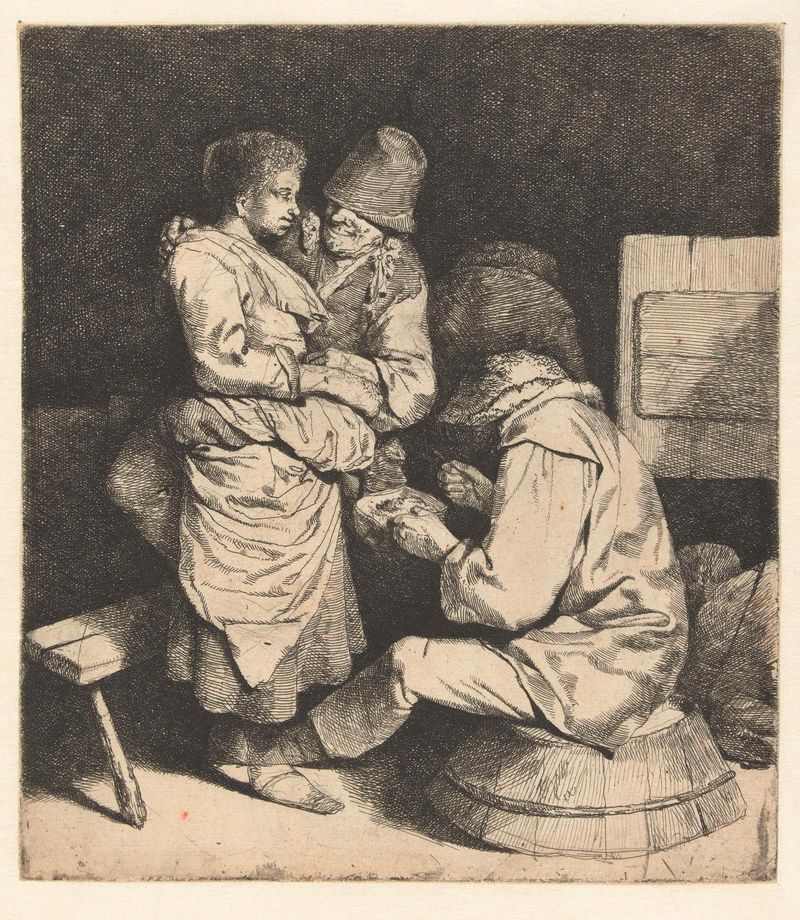
Vrouw vastgepakt door man, andere man zit te eten in herberg
Cornelis Pietersz. Bega

Jonge vrouw zittend met een pijp
Cornelis Pietersz. Bega

Staande vrouw vastgepakt door man, andere man kijkt toe in herberg
Cornelis Pietersz. Bega
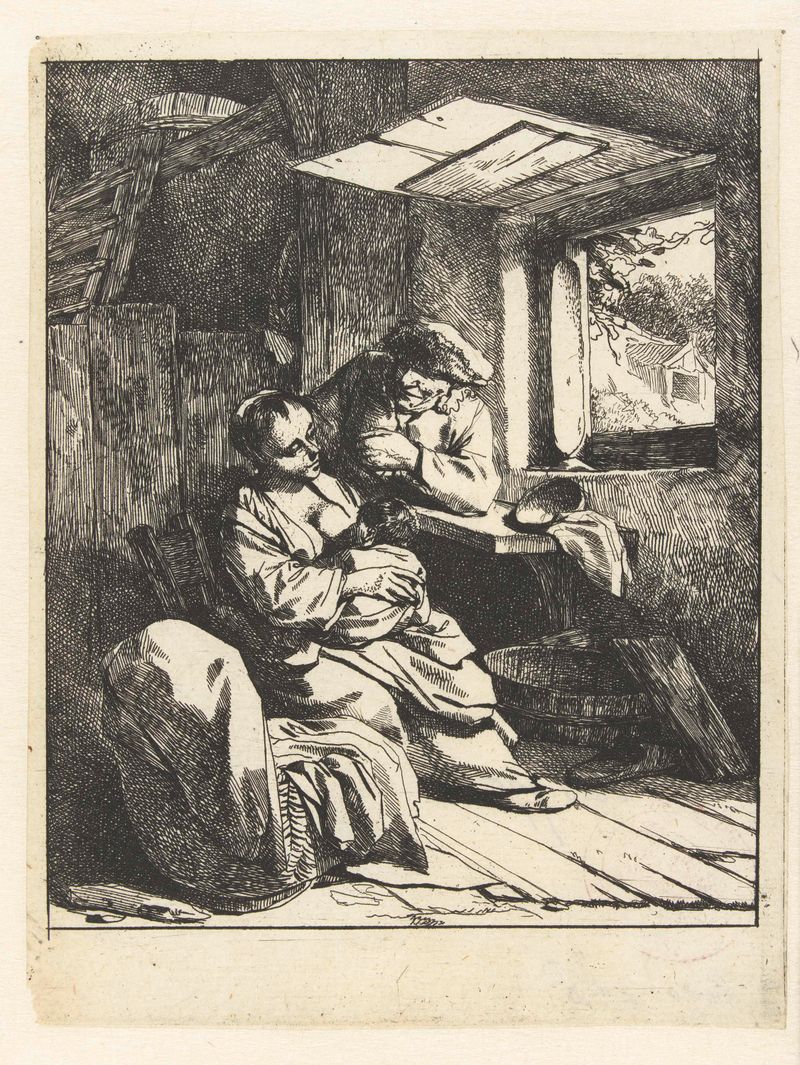
Vrouw met kind en man bij wieg in interieur met open raam
Cornelis Pietersz. Bega
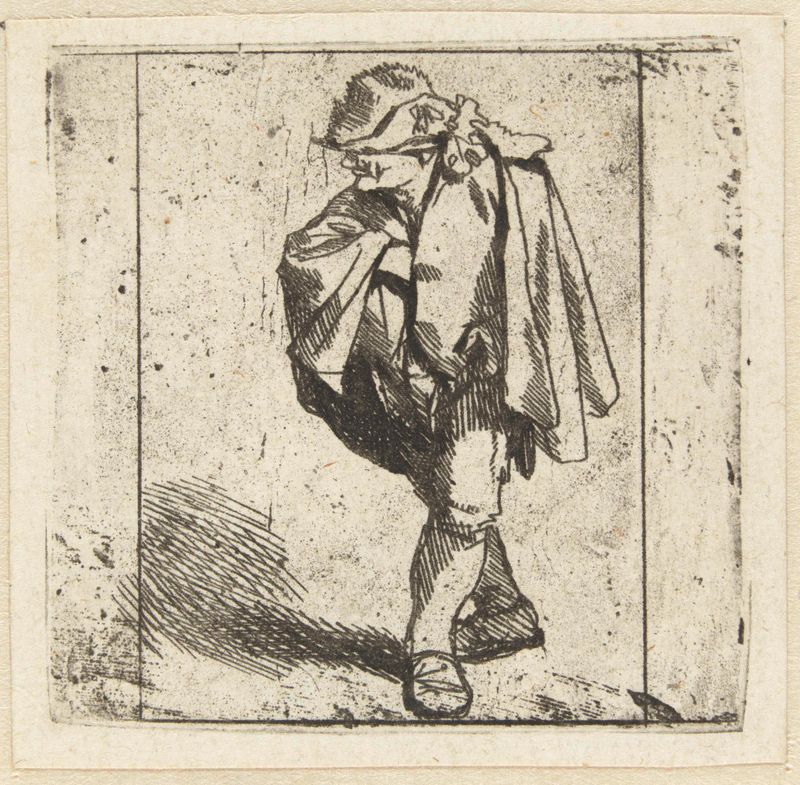
Staande man met de rechterhand op de borst in zijn mantel gestoken
Cornelis Pietersz. Bega
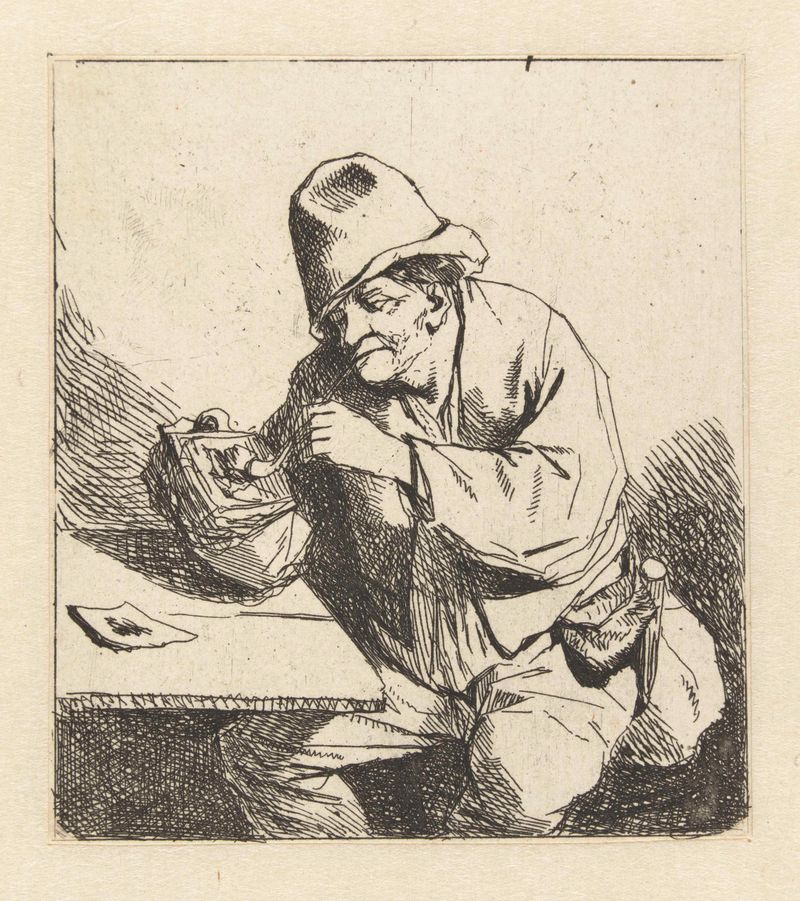
Zittende man steekt pijp aan
Cornelis Pietersz. Bega

Man zittend op ton met kruik in handen
Cornelis Pietersz. Bega

Liefdespaar
Cornelis Pietersz. Bega
More Portrait Art
Browse all →
Las meninas
Diego Velázquez

Self-portrait with a Bandaged Ear and Pipe
Unidentified artist

Girl with a Pearl Earring
Johannes Vermeer

The Sampling Officials of the Amsterdam Drapers’ Guild, Known as ‘The Syndics’
Rembrandt van Rijn

The Hundred Guilder Print: the man seen on the back in the lower left corner
Rembrandt van Rijn

Portrait of Dr Gachet
Vincent van Gogh