
Oxcart in the Grotto at Posillipo — History & Facts
In Oxcart in the Grotto at Posillipo, the interplay of light serves as a bridge between memory and moment, capturing an ephemeral beauty that defies age. Look to the foreground, where a solitary oxcart stands beneath the rocky grotto, its weathered wooden frame illuminated by dappled sunlight filtering through the trees. The light dances on the cart's surface, revealing a spectrum of warm browns and golden hues that contrast beautifully with the cool, shadowy surroundings. Notice how the artist’s brushwork creates a textured quality, inviting you to feel the rough bark of the trees and the smooth outlines of the cart.
The serene blue of the sky peeking above adds depth, making the scene feel both intimate and expansive. The light in this piece does more than illuminate; it evokes contemplation. The oxcart symbolizes toil and the passage of time, while the lush grotto suggests a hidden world, a secret between nature and human endeavor. The balance of shadow and light hints at the duality of life—where effort coexists with tranquility.
This emotional tension invites viewers to reflect on their own journeys, caught between the weight of labor and the solace of nature. William Marlow created this evocative scene in 1770 while in Italy, a period marked by his exploration of landscape painting. At this time, he was influenced by his contemporaries and the picturesque movement, which celebrated the beauty of natural settings. Working amidst the charm of Posillipo, Marlow sought to capture the essence of the Italian landscape, weaving together human presence and natural splendor in a harmonious composition.
More Artworks by William Marlow
Browse all →
Whitehall
William Marlow
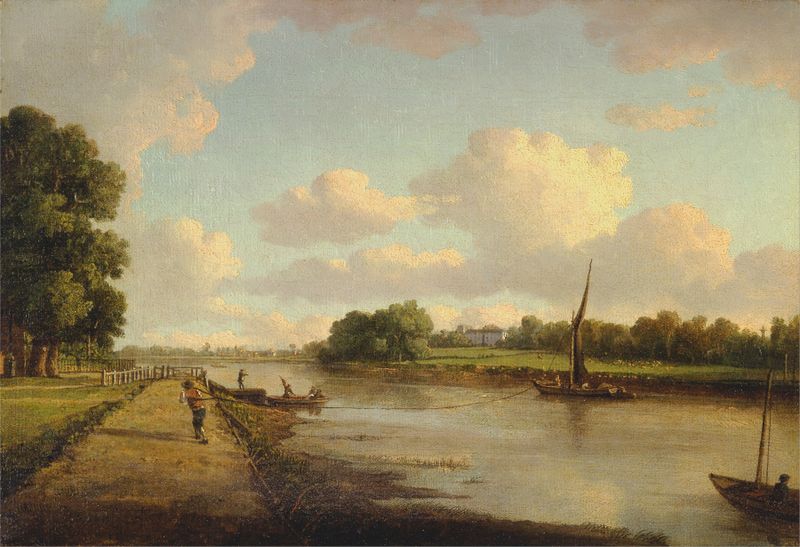
View on the River Thames at Richmond
William Marlow
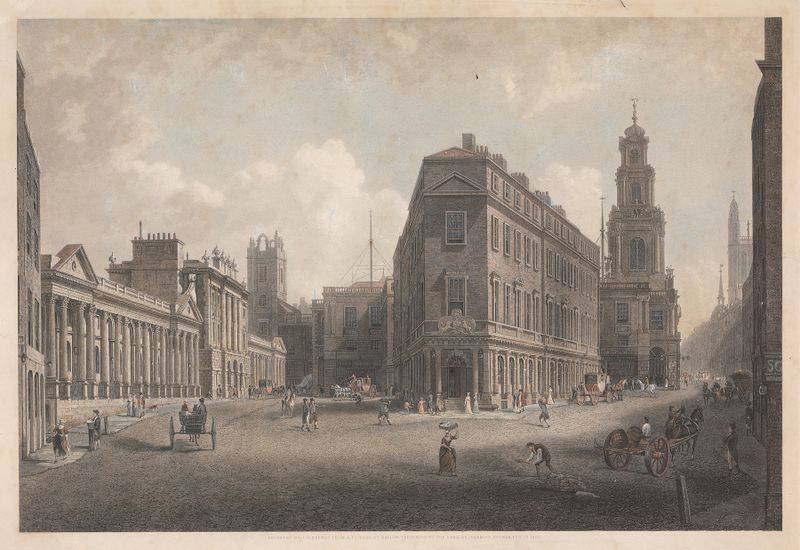
Bank of England Royal Exchange
William Marlow

The Thames At Richmond
William Marlow

The Arno towards the Ponte alle Grigio
William Marlow
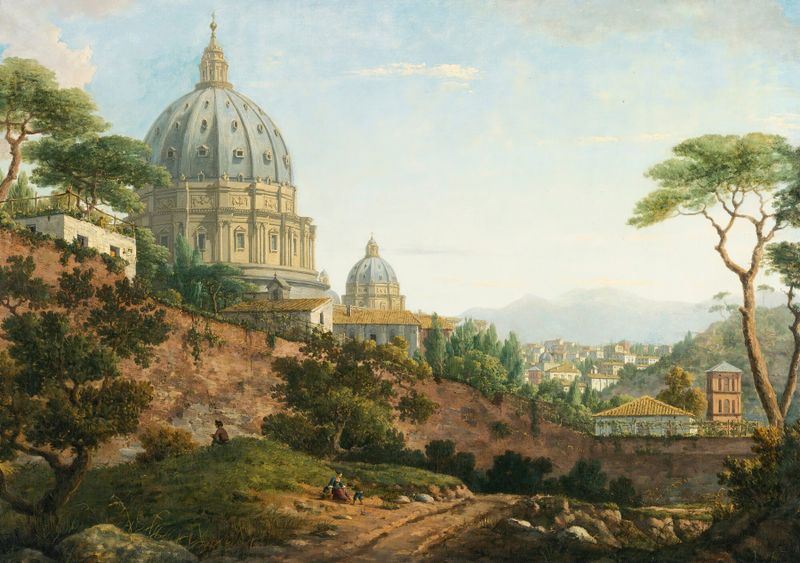
View Of Saint Peter’s, Rome
William Marlow
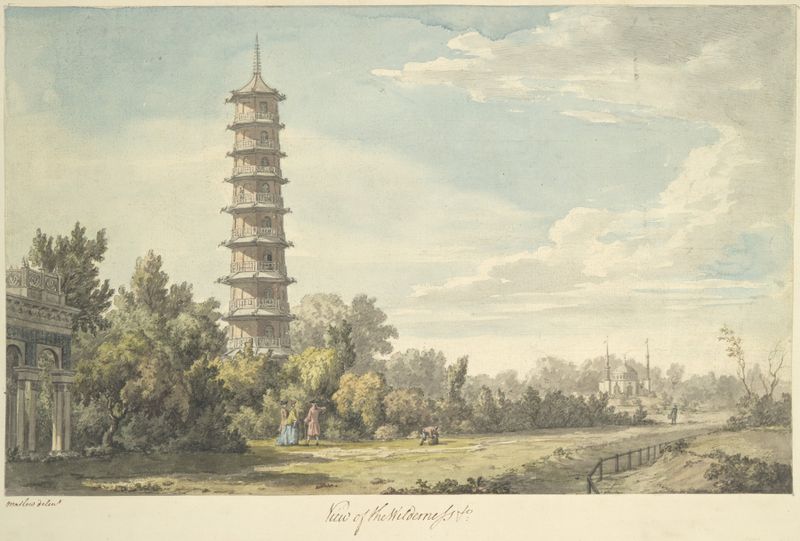
View of the Wilderness at Kew
William Marlow
The Bay of Naples with Santa Maria degli Angeli
William Marlow

Nîmes from the Tour Magne
William Marlow
The Amphitheater at Nimes
William Marlow





