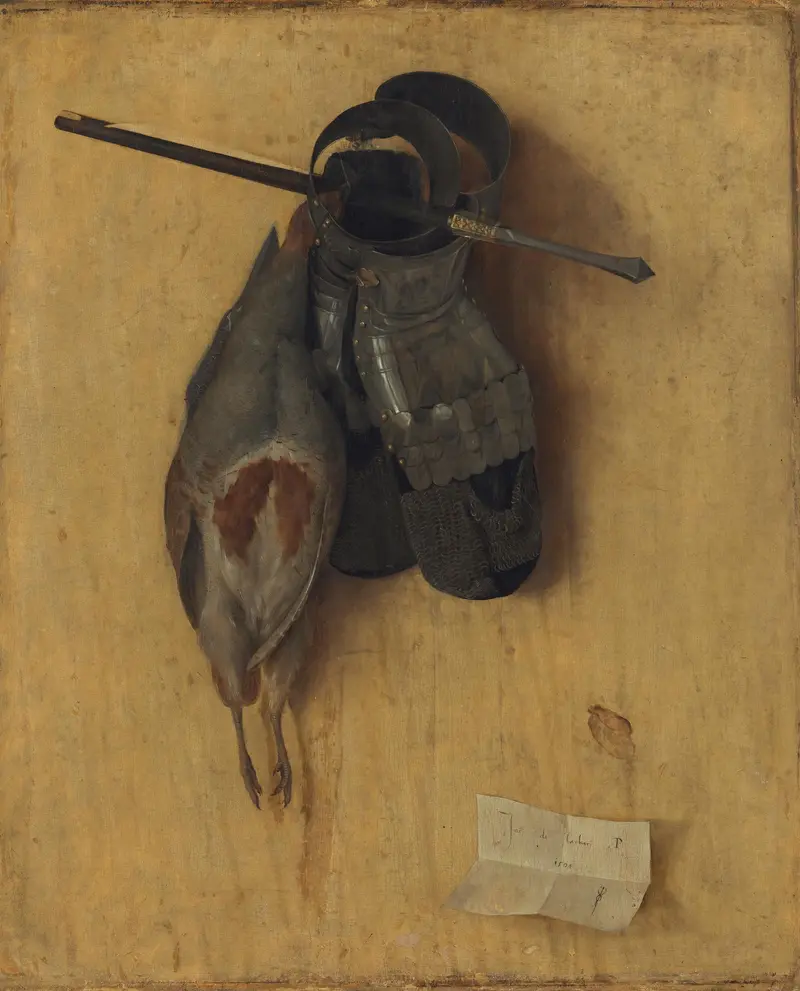
Oyster and timbale — History & Facts
What first catches the eye in Oyster and timbale by Augustin Théodule Ribot is the way light carves out the ordinary: a glinting metal cup, the rough, creamy flesh of an oyster, the scattered shards of shell. Ribot’s brushwork is bold and direct, the highlights almost sculpted from the darkness that envelops the scene. The cup, perfectly upright, reflects a world beyond the frame, while the oyster’s open shell suggests a meal interrupted or just begun.
The composition draws the viewer in close, almost to the table’s edge, inviting a tactile appreciation of texture and weight—metal, shell, flesh, and the faint suggestion of salt and brine. Painted in 1859, this work belongs to a moment in French art when still life was enjoying a quiet resurgence, prized for its ability to transform humble objects into meditations on pleasure and mortality. Artists like Ribot, working in the shadow of the Realist movement, brought a new gravity to the genre, favoring unvarnished truth over decorative flourish. Such paintings were often commissioned by collectors eager to display both their taste for refinement and their engagement with the everyday.
While little is recorded about the journey of this particular piece—documented here only as "own work" and photographed in 2021—its presence in a modern collection is a reminder of how the simplest meal, rendered with honesty and care, can outlast the moment and invite us, again and again, to look more closely.
Sources: Wikidata Q118287903 · Image source (Wikimedia Commons)
More Artworks by Augustin Théodule Ribot

The Scullion
Augustin Théodule Ribot
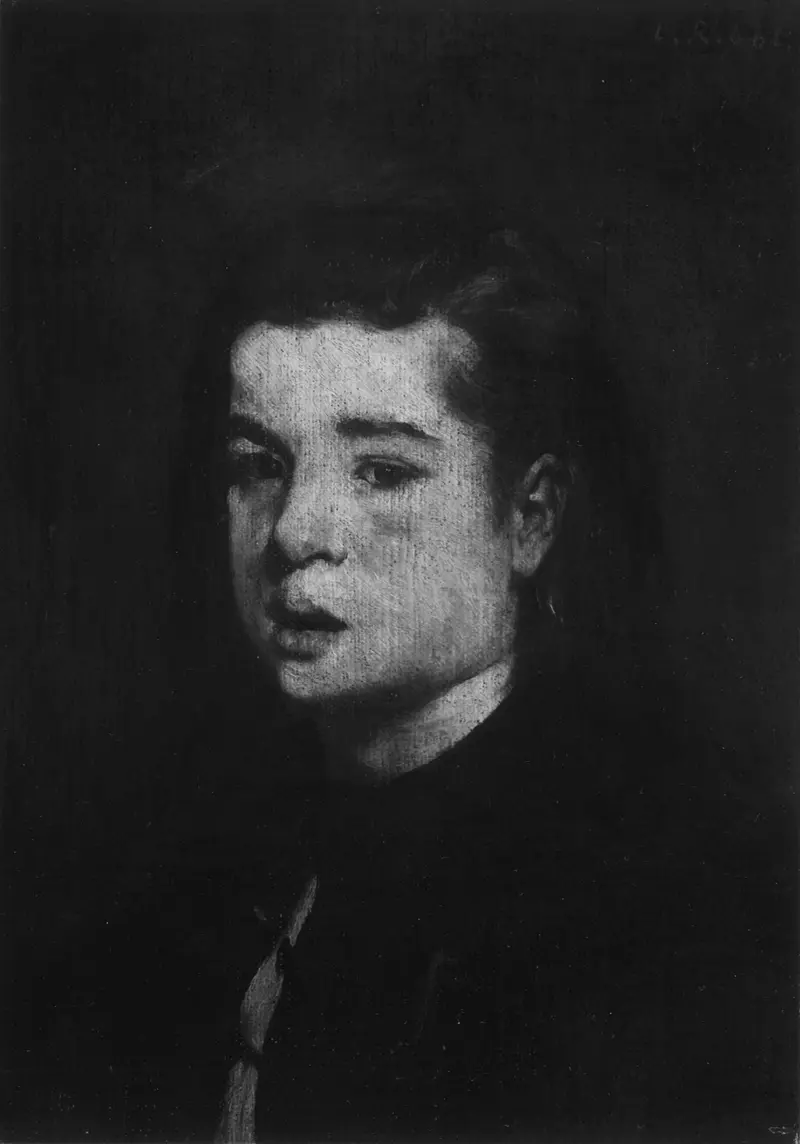
The Artist's Daughter
Augustin Théodule Ribot
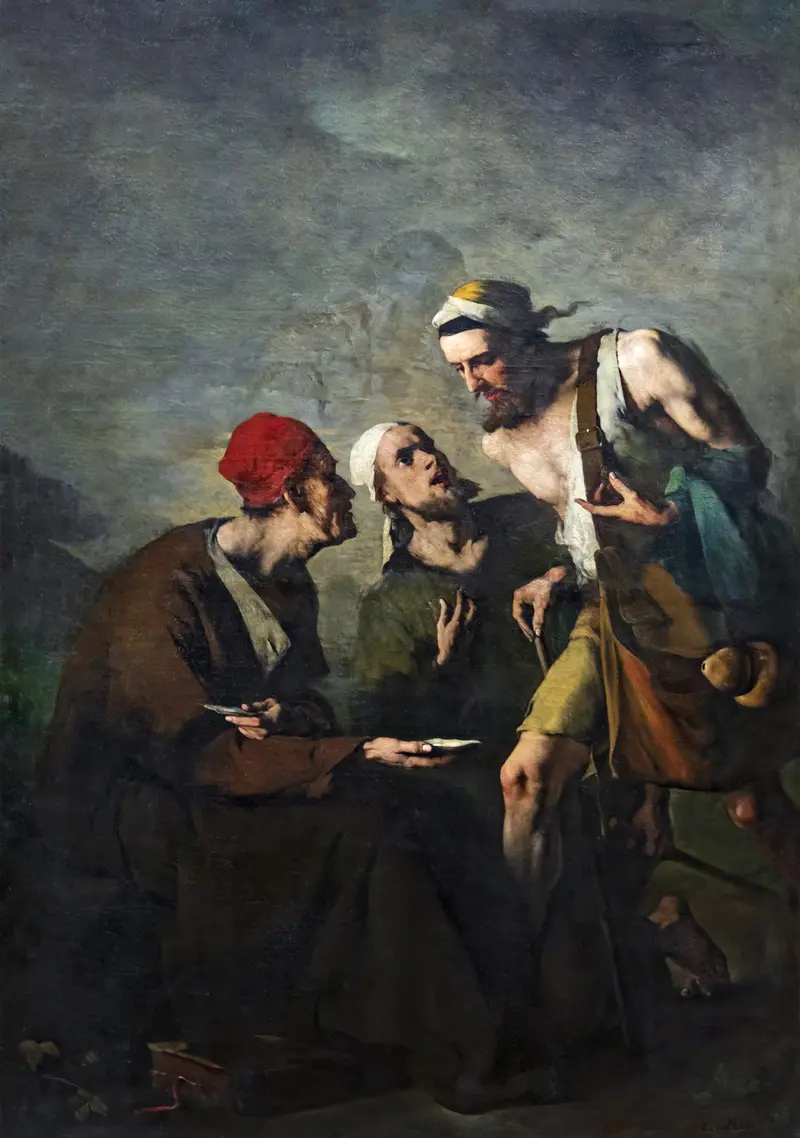
The oyster and the Litigant's
Augustin Théodule Ribot
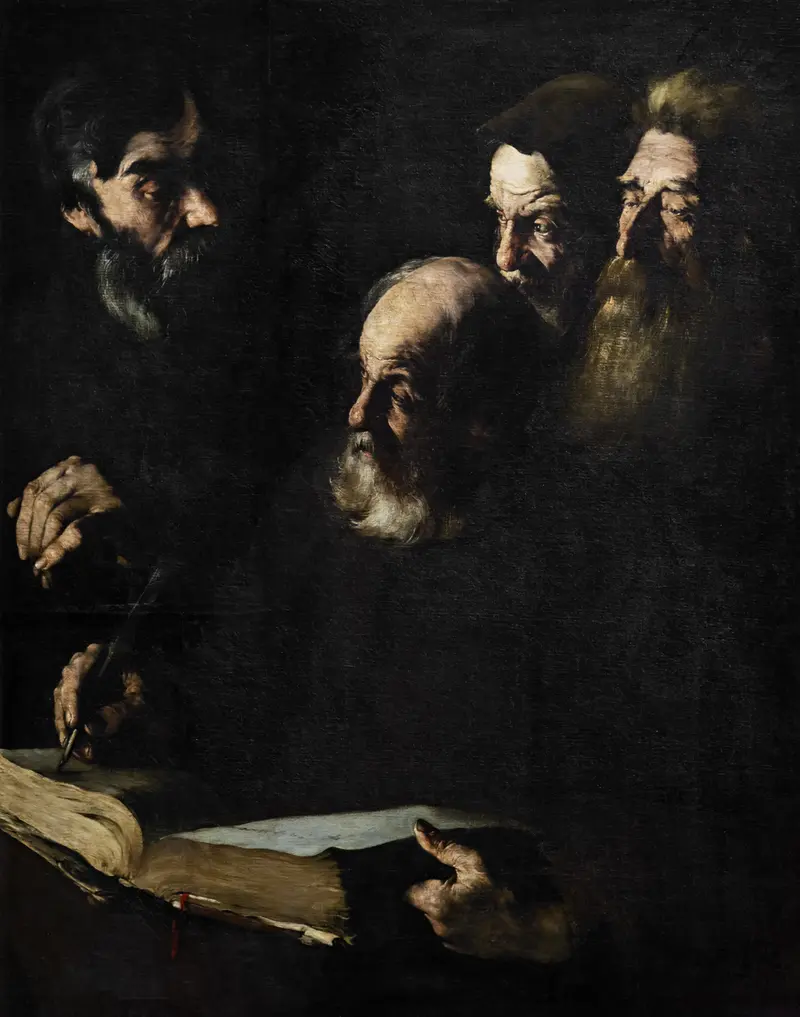
The philosophers
Augustin Théodule Ribot
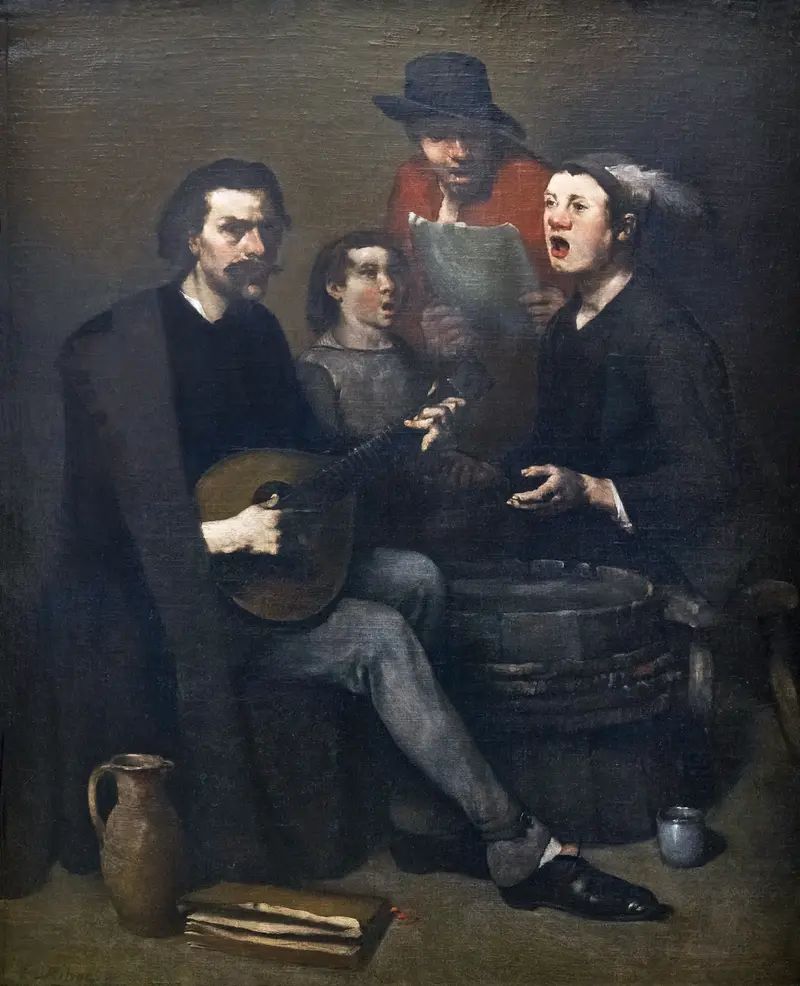
Singers
Augustin Théodule Ribot
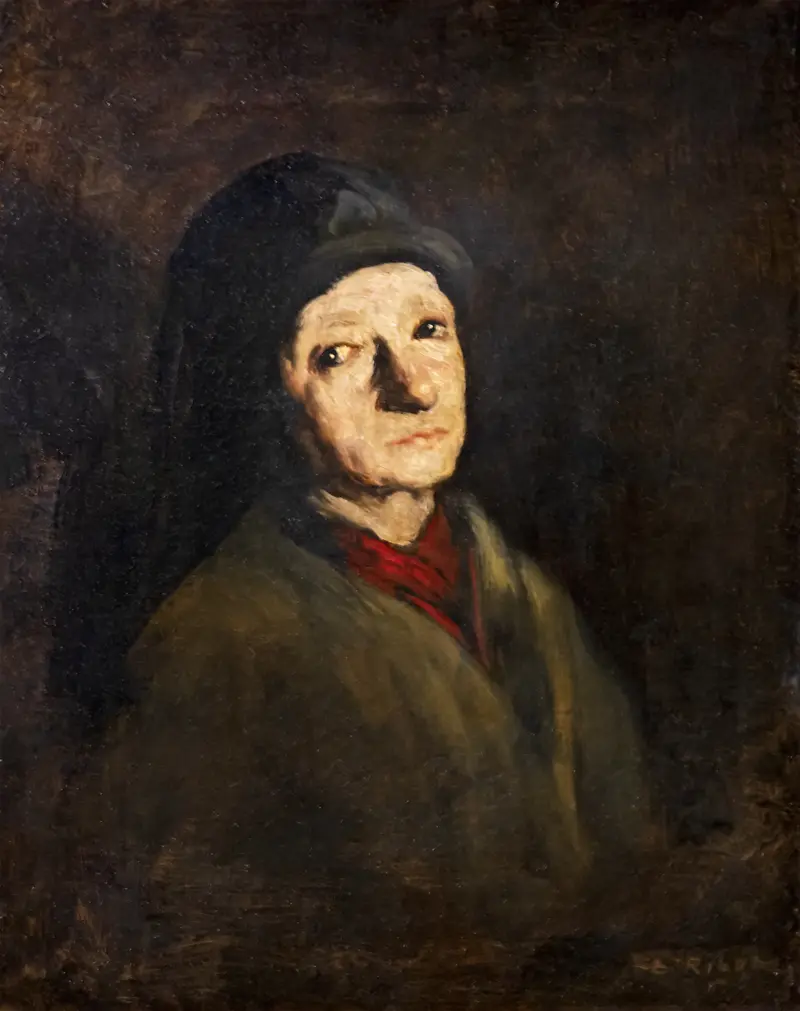
Portrait of the artist's mother
Augustin Théodule Ribot
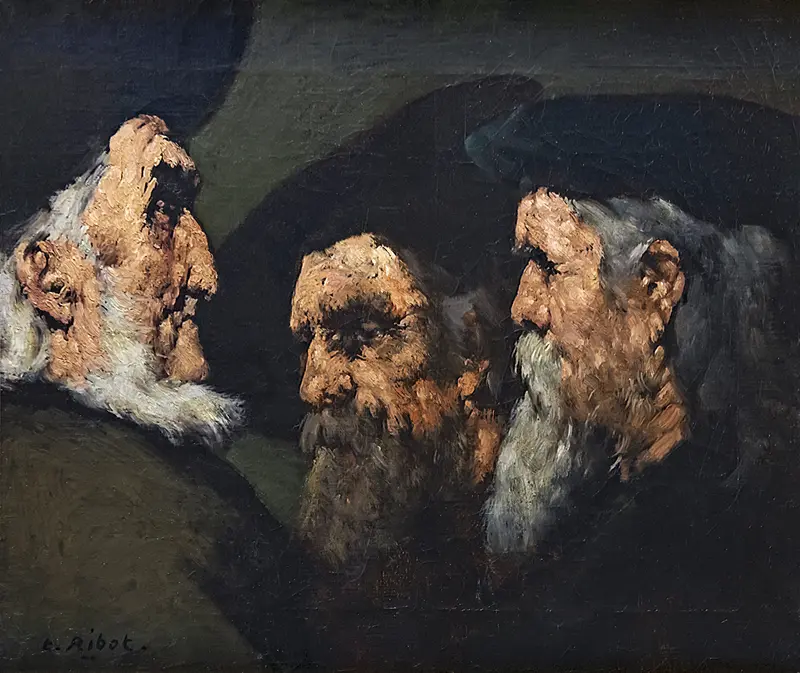
Three old jews
Augustin Théodule Ribot
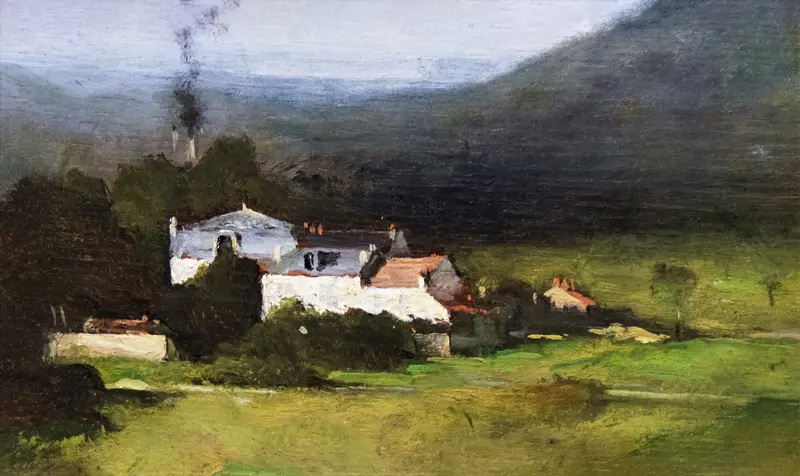
' Landscape ', known as ' La Maison de Corot in Ville-d'Avray '
Augustin Théodule Ribot
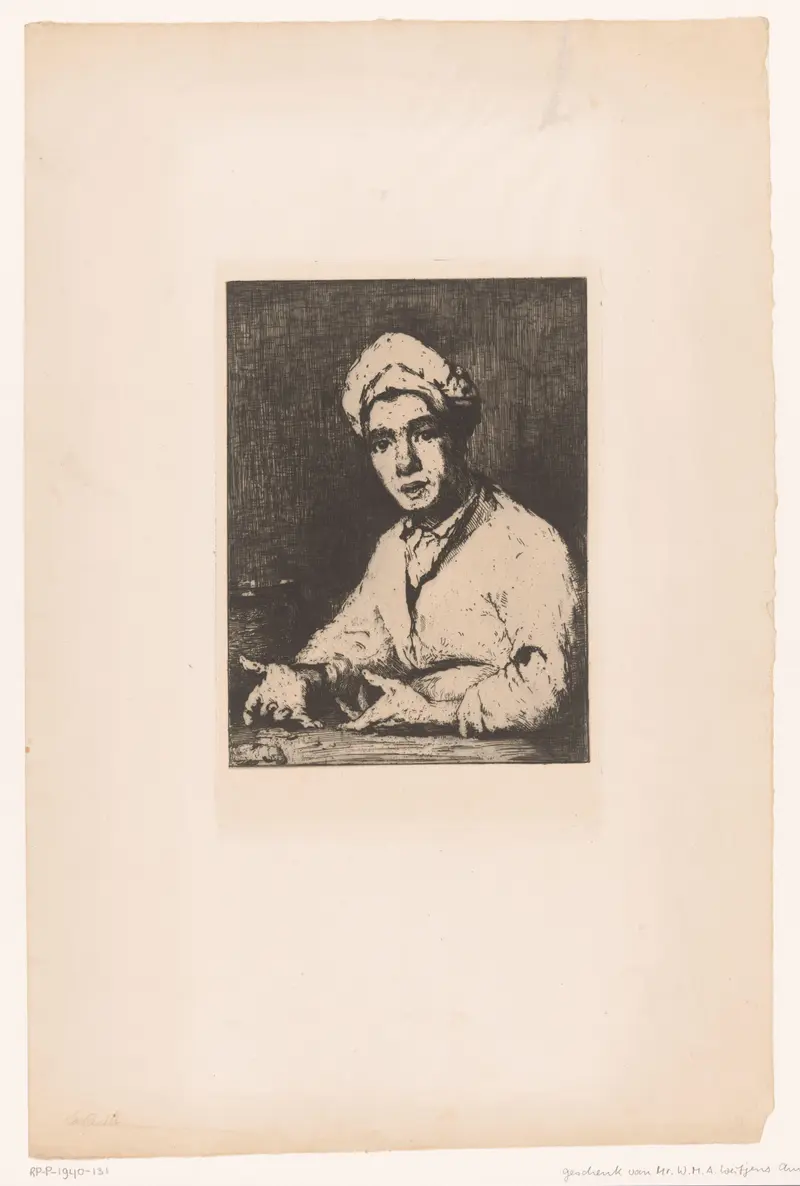
La recette du cuisinier
Augustin Théodule Ribot
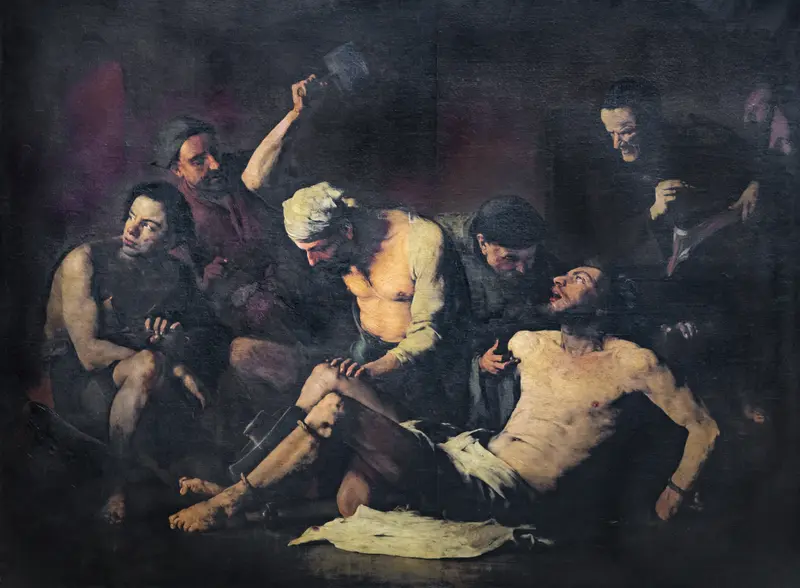
The torture of the corners also says The torture of Alonso Cano
Augustin Théodule Ribot