La recette du cuisinier — History & Facts
What first catches the eye in La recette du cuisinier is the chef’s direct, almost conspiratorial gaze, as if he’s about to reveal a secret. The print’s inky shadows gather around his face and hands, drawing the viewer in to the moment of quiet concentration. His fingers, poised delicately over a piece of paper, suggest the act of writing or perhaps reciting a cherished recipe, while the chef’s crisp hat and coat signal his trade with understated pride.
The background is nothing but darkness, forcing all attention onto the figure’s expression and gesture—an effect that heightens the sense of intimacy, as if we’ve caught him mid-thought in a private kitchen. Augustin Théodule Ribot, working in late nineteenth-century France, was known for his sympathetic portrayals of humble professions and domestic scenes. Prints like this one were part of a broader movement that celebrated everyday labor and the dignity of working people, often destined for the walls of middle-class homes or collectors who sought authenticity over grandeur. Ribot’s style, with its bold contrasts and psychological presence, echoes the realism of his contemporaries, yet always with a softness that invites empathy.
History has kept few traces of this particular print’s journey, but its survival in the Rijksmuseum’s collection today lets us meet the chef’s steady gaze, and wonder what recipe he might be sharing.
More Artworks by Augustin Théodule Ribot

The Scullion
Augustin Théodule Ribot

The Artist's Daughter
Augustin Théodule Ribot
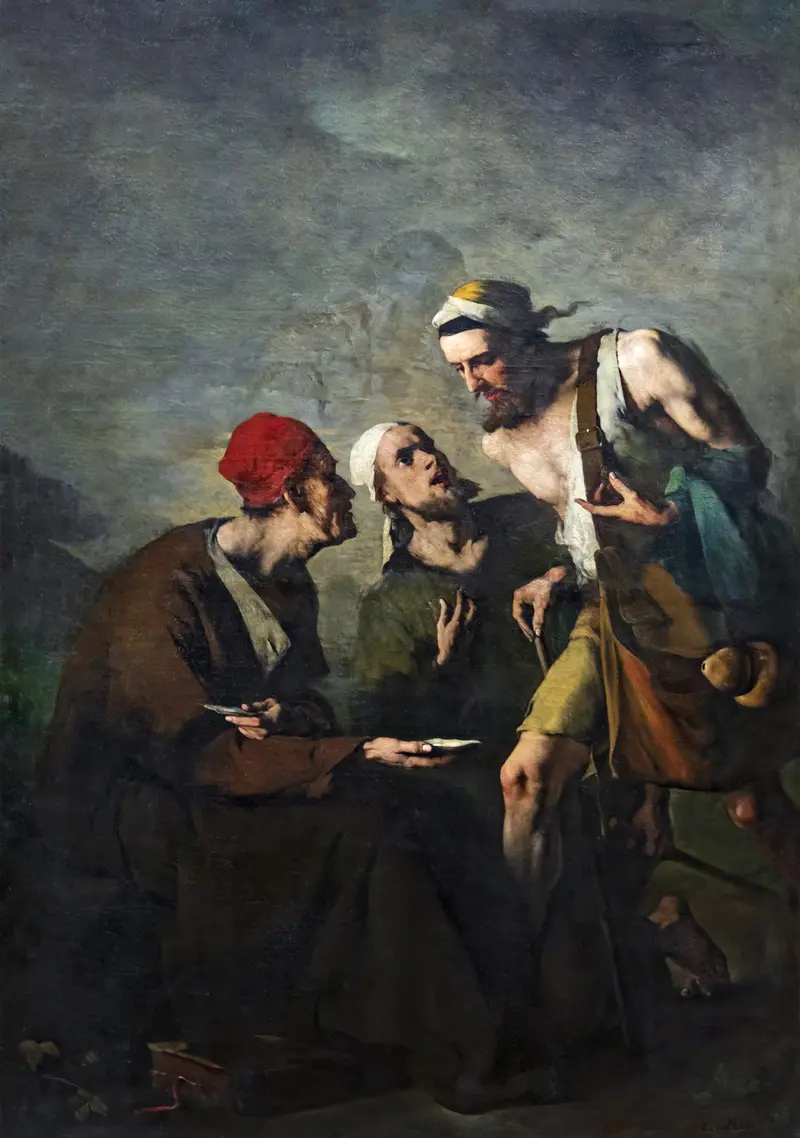
The oyster and the Litigant's
Augustin Théodule Ribot

The philosophers
Augustin Théodule Ribot

Singers
Augustin Théodule Ribot

Oyster and timbale
Augustin Théodule Ribot
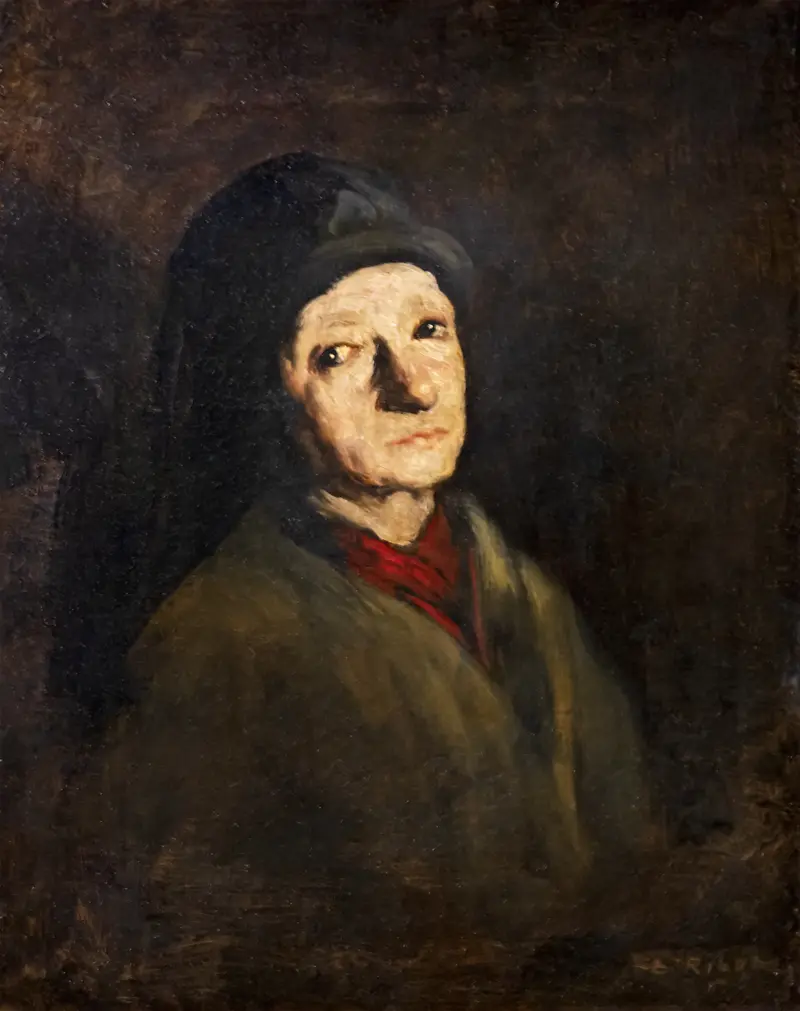
Portrait of the artist's mother
Augustin Théodule Ribot

Three old jews
Augustin Théodule Ribot

' Landscape ', known as ' La Maison de Corot in Ville-d'Avray '
Augustin Théodule Ribot
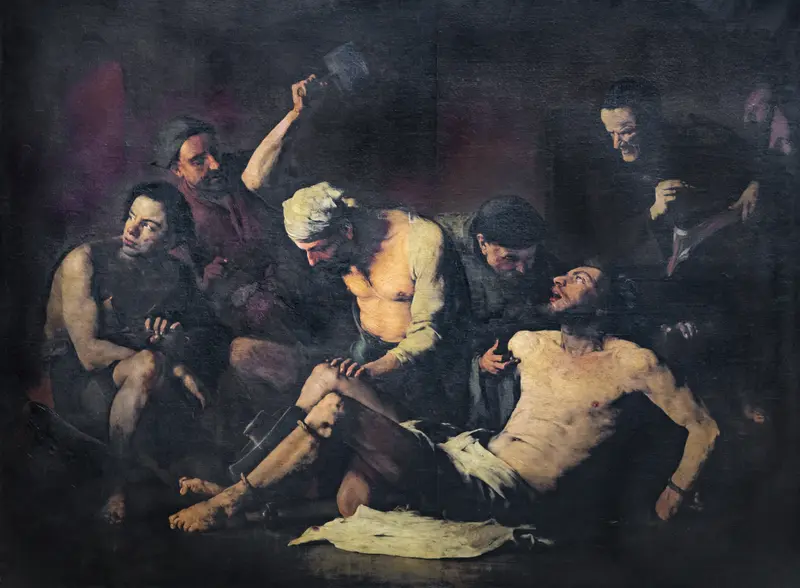
The torture of the corners also says The torture of Alonso Cano
Augustin Théodule Ribot