The torture of the corners also says The torture of Alonso Cano — History & Facts
What grips the viewer first in The torture of the corners also says The torture of Alonso Cano by Augustin Théodule Ribot is the raw immediacy of human suffering, illuminated by a harsh, almost theatrical shaft of light. The drama unfolds in a tight, shadowy space, where every gesture and glance is magnified: the raised hammer, the tense muscles of the tormentors, the anguished, upward stare of the victim. Ribot corrals our attention to the center, where the half-naked figure is held down, his body twisted in pain, his mouth open in a silent cry.
The palette is somber, dominated by earthy browns and ochres, punctuated by the pallor of flesh and the glint of metal, heightening the sense of claustrophobia and dread. Each figure is caught in a moment of action or anticipation, their faces a study in concentration, cruelty, or fearful fascination. This painting belongs to a tradition of nineteenth-century history painting that sought to confront viewers with the physical and psychological extremes of the human condition. In Ribot’s era, such works were often exhibited at salons, intended to provoke both moral reflection and visceral reaction.
The artist’s brushwork and use of tenebrist light recall the influence of Spanish Baroque masters, whose scenes of martyrdom and violence were meant to stir the soul and conscience. Yet here, the focus is less on the redemptive or spiritual and more on the grim mechanics of torture itself—a reflection, perhaps, of a century increasingly preoccupied with the realities of power, suffering, and justice. The work’s presence in a private collection, documented as photographed in 2021, is a reminder that history has kept few traces of Ribot’s more obscure canvases, but the emotional force of this scene endures, demanding that we look—and look again.
More Artworks by Augustin Théodule Ribot

The Scullion
Augustin Théodule Ribot

The Artist's Daughter
Augustin Théodule Ribot
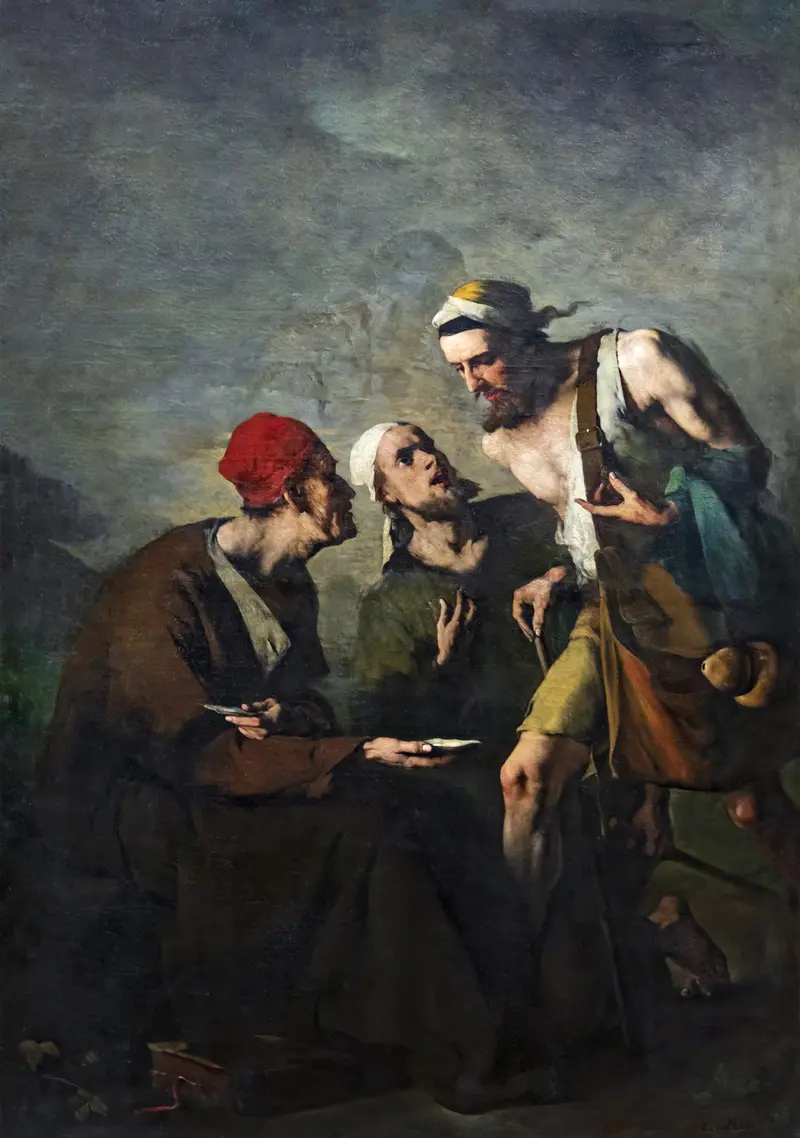
The oyster and the Litigant's
Augustin Théodule Ribot

The philosophers
Augustin Théodule Ribot

Singers
Augustin Théodule Ribot

Oyster and timbale
Augustin Théodule Ribot
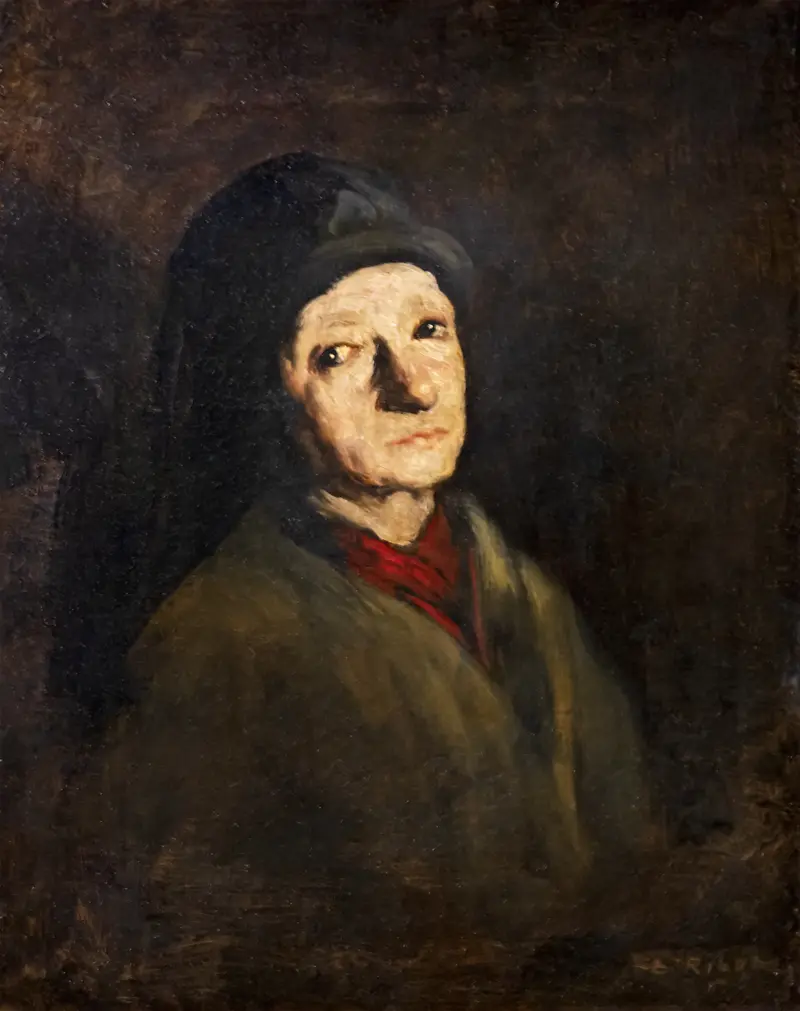
Portrait of the artist's mother
Augustin Théodule Ribot

Three old jews
Augustin Théodule Ribot

' Landscape ', known as ' La Maison de Corot in Ville-d'Avray '
Augustin Théodule Ribot
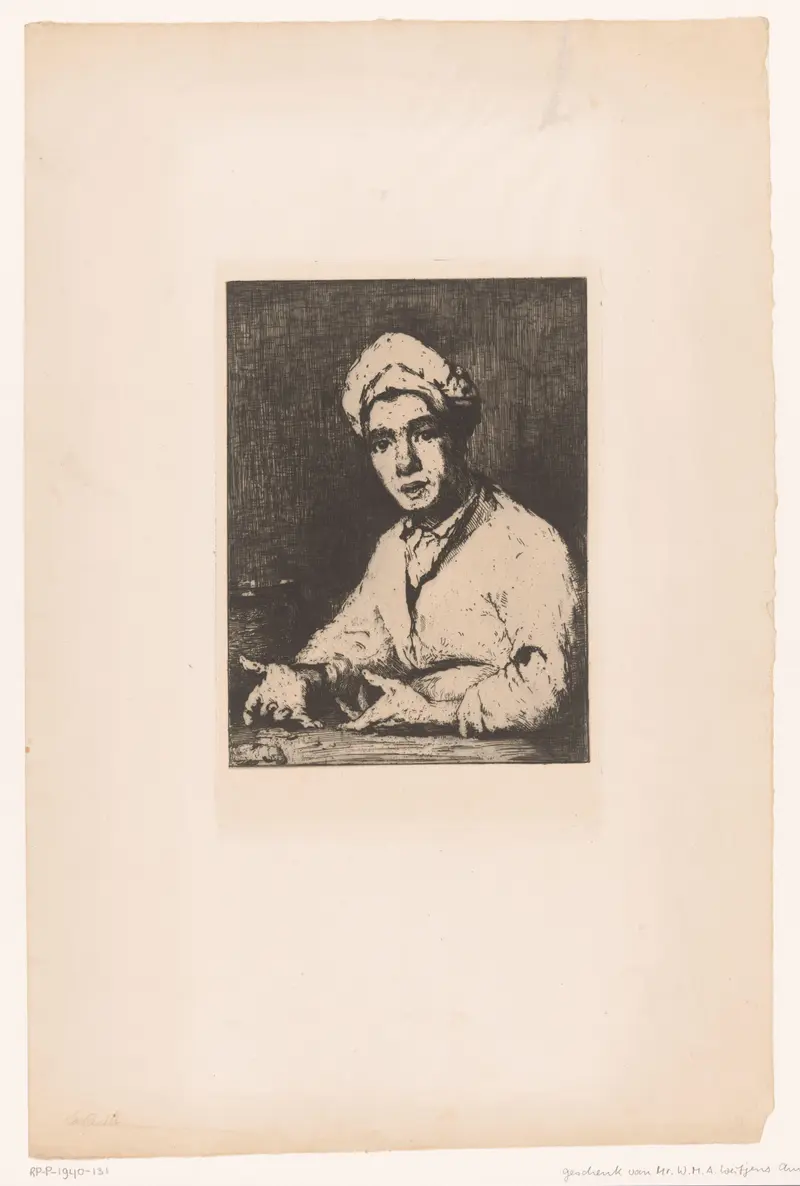
La recette du cuisinier
Augustin Théodule Ribot