
The philosophers — History & Facts
Four faces emerge from darkness, each caught in a different moment of thought, suspicion, or discovery. The eye is drawn first to the great open book, its thick pages illuminated by a shaft of light that also grazes the bald crown and furrowed brow of the central figure. His hand, poised with a quill, hovers above the page, as if the next word is still forming in the air.
Around him, three other men lean in, their features sharply modeled by the same dramatic light, their gazes converging but never quite meeting. The surrounding gloom swallows everything but these heads and hands, heightening the sense that we are witnessing a private council, a moment of shared inquiry or debate. Works like this, painted in the late nineteenth century, draw deeply from the visual language of seventeenth-century Baroque—especially the tenebrist style made famous by Caravaggio and his followers. In Ribot’s France, artists and collectors alike were rediscovering the power of shadow and the dignity of humble subjects, often turning to scenes of scholars, philosophers, or everyday laborers.
The painting’s somber palette and theatrical lighting would have appealed to a public fascinated by both the mysteries of the mind and the drama of the visible world. While history has kept few traces of The philosophers by Augustin Théodule Ribot, its presence in a private collection today (photographed in 2021) invites us to linger over the faces, to imagine the conversation, and to marvel at how much can be revealed by a single beam of light.
Sources: Wikidata Q118366466 · Image source (Wikimedia Commons)
More Artworks by Augustin Théodule Ribot

The Scullion
Augustin Théodule Ribot
The Artist's Daughter
Augustin Théodule Ribot
The oyster and the Litigant's
Augustin Théodule Ribot
Singers
Augustin Théodule Ribot
Oyster and timbale
Augustin Théodule Ribot
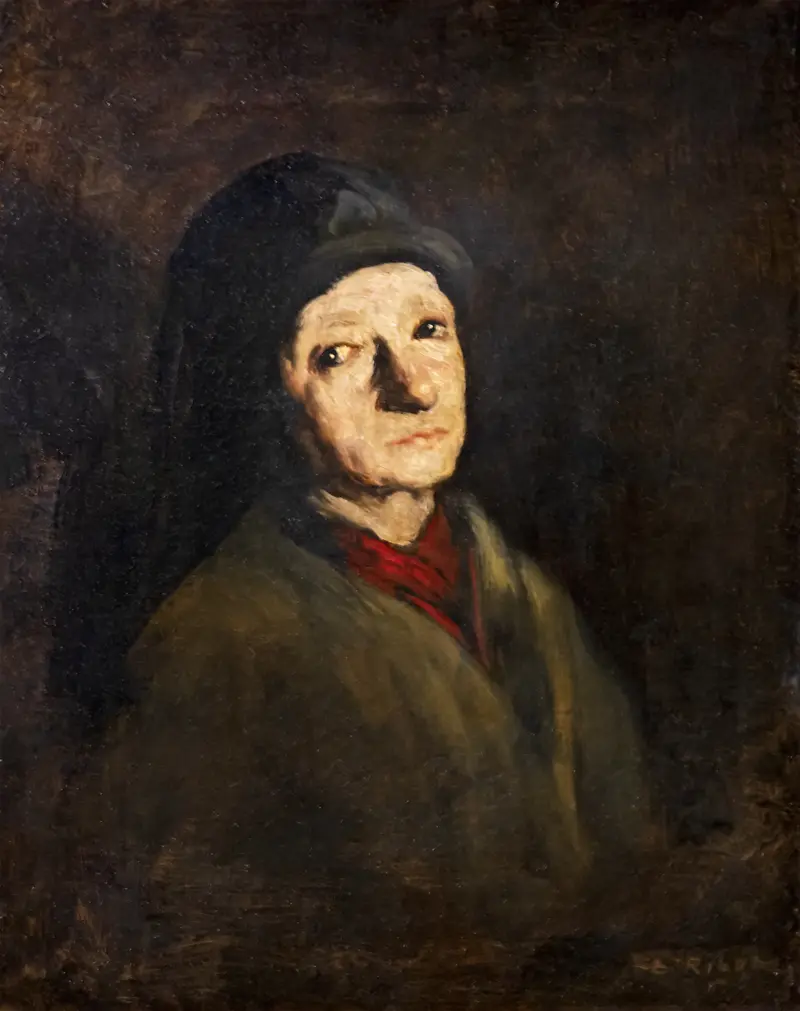
Portrait of the artist's mother
Augustin Théodule Ribot
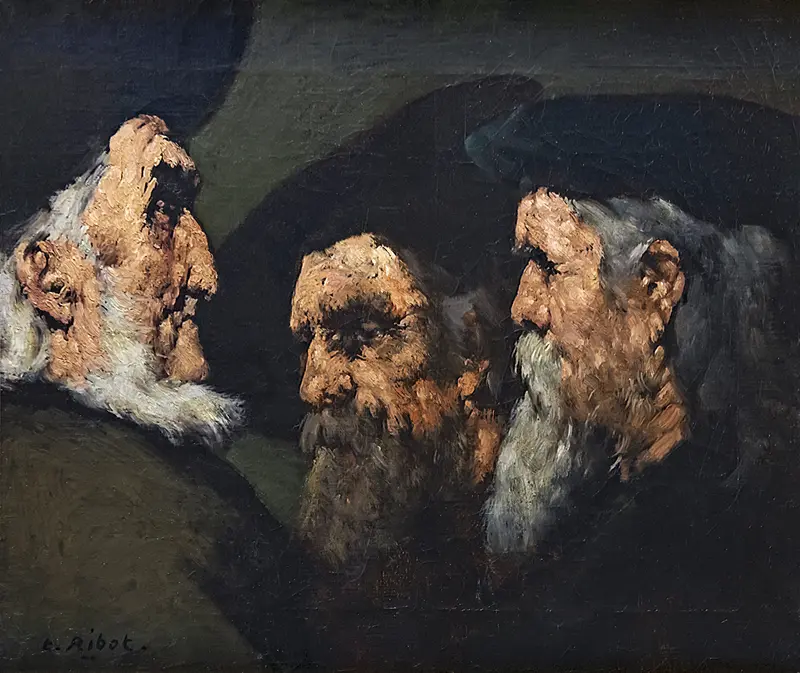
Three old jews
Augustin Théodule Ribot
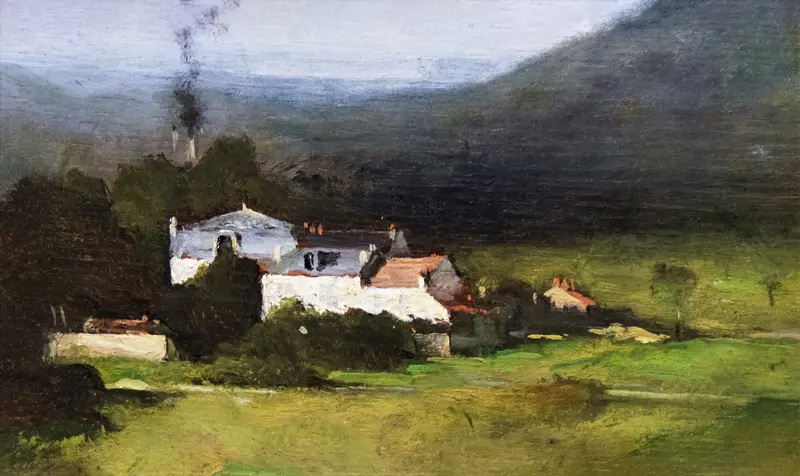
' Landscape ', known as ' La Maison de Corot in Ville-d'Avray '
Augustin Théodule Ribot
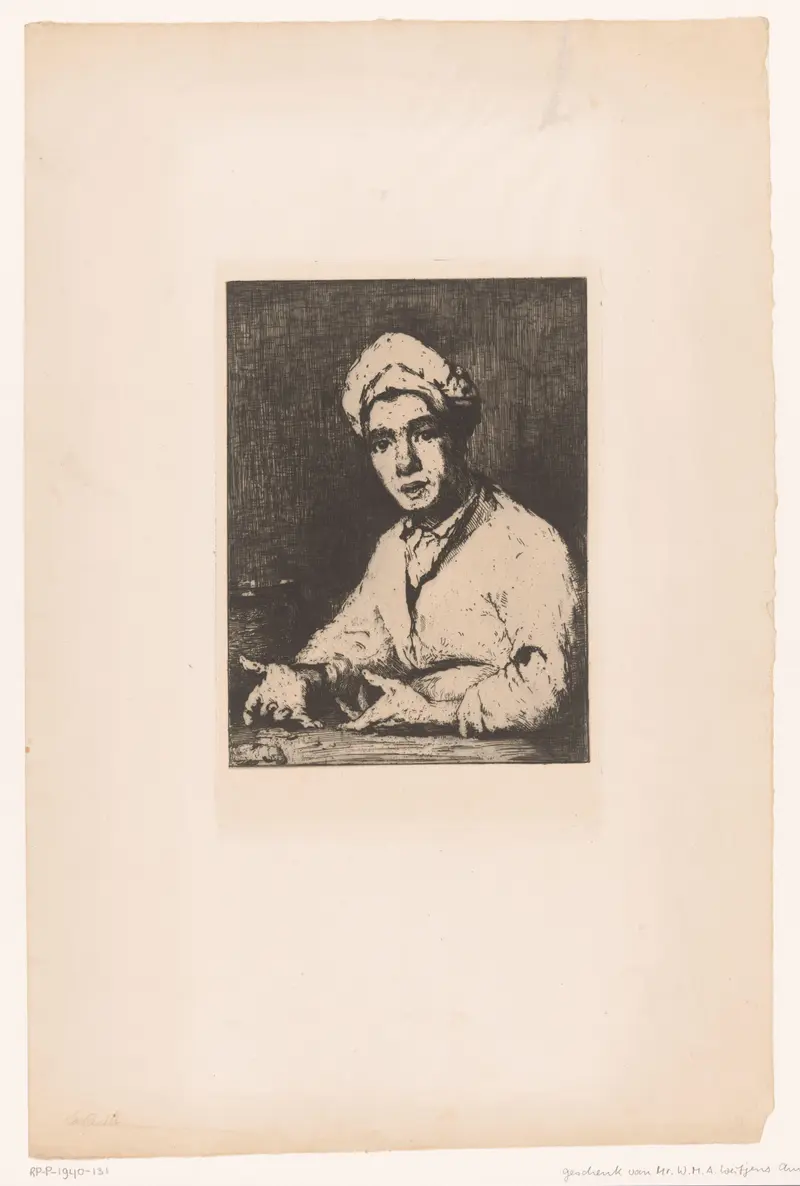
La recette du cuisinier
Augustin Théodule Ribot
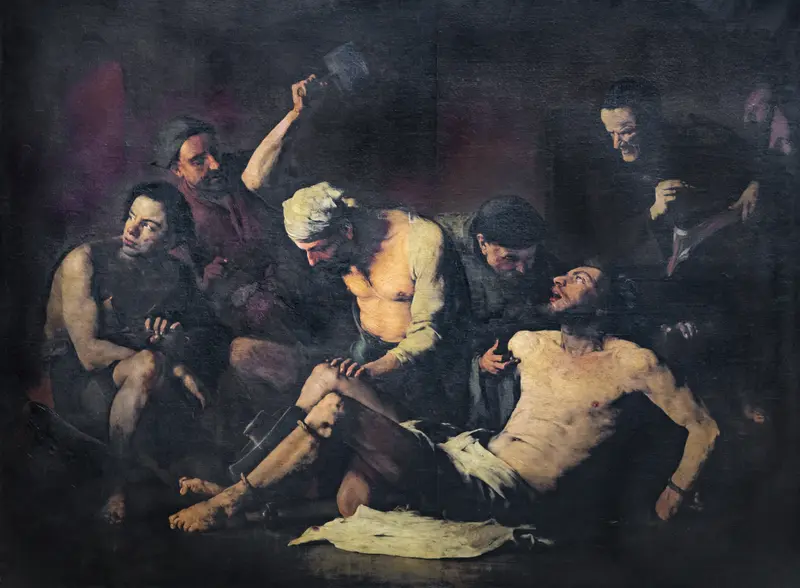
The torture of the corners also says The torture of Alonso Cano
Augustin Théodule Ribot



