
Portrait of the artist's mother — History & Facts
What first catches the eye in Portrait of the artist's mother by Augustin Théodule Ribot is the way light carves out the sitter’s face from the enveloping darkness, as if memory itself is surfacing from shadow. The subject’s gaze is steady but distant, her features rendered with a frankness that refuses sentimentality. A muted palette of browns and ochres sets a somber, contemplative mood, while the flash of red at her collar draws attention to the heart of the composition.
The brushwork is broad and textured, allowing the viewer to sense the painter’s hand and the weight of time in every stroke. The effect is intimate, almost confessional: this is not a grand lady, but a woman marked by experience, her dignity undiminished by age. Works like this belong to a tradition of 19th-century portraiture that sought truth over idealization, often painted by artists for personal reasons rather than wealthy patrons. In France, painters such as Ribot were part of a broader movement that turned away from academic polish, embracing the realism of everyday life and the people closest to them.
Portraits of mothers held a special place, serving as both homage and artistic challenge—how to capture the familiar without falling into cliché. This particular painting, documented as photographed in 2021 and now in a private collection, stands as a quiet testament to that era’s shifting values. The longer one looks, the more the sitter’s presence deepens, inviting us to imagine the life behind those watchful eyes.
More Artworks by Augustin Théodule Ribot

The Scullion
Augustin Théodule Ribot

The Artist's Daughter
Augustin Théodule Ribot
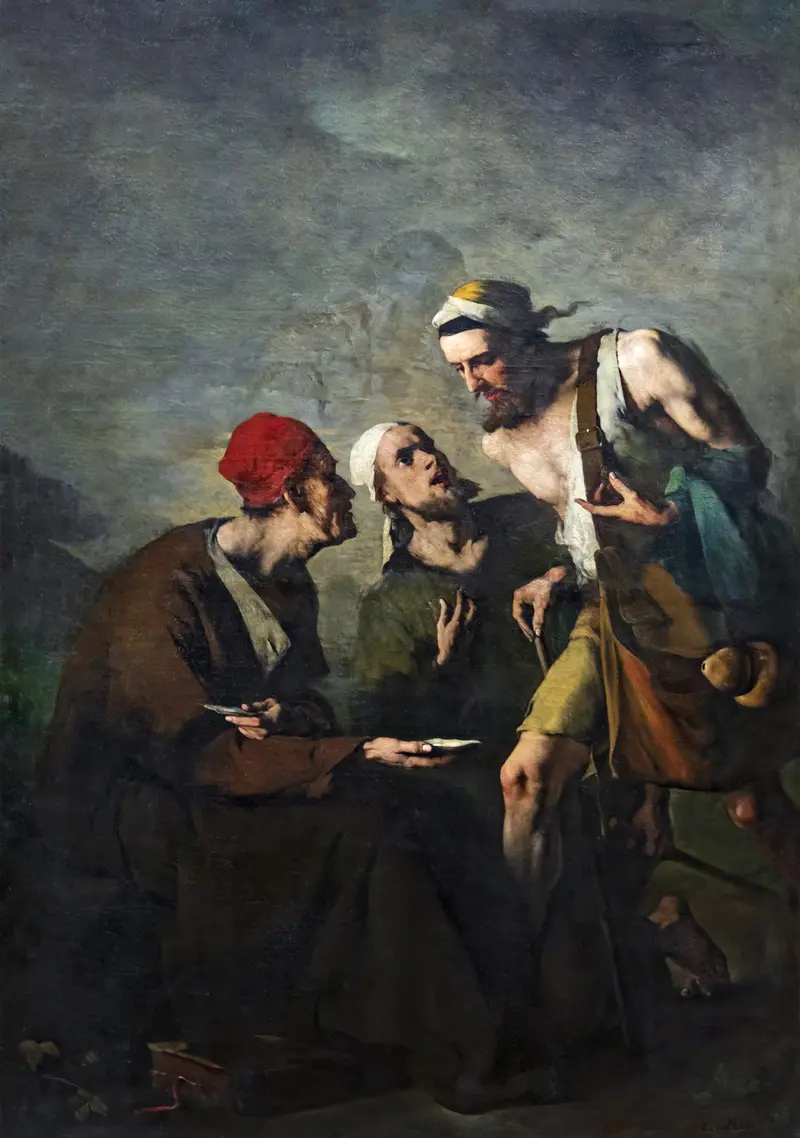
The oyster and the Litigant's
Augustin Théodule Ribot

The philosophers
Augustin Théodule Ribot

Singers
Augustin Théodule Ribot

Oyster and timbale
Augustin Théodule Ribot

Three old jews
Augustin Théodule Ribot

' Landscape ', known as ' La Maison de Corot in Ville-d'Avray '
Augustin Théodule Ribot
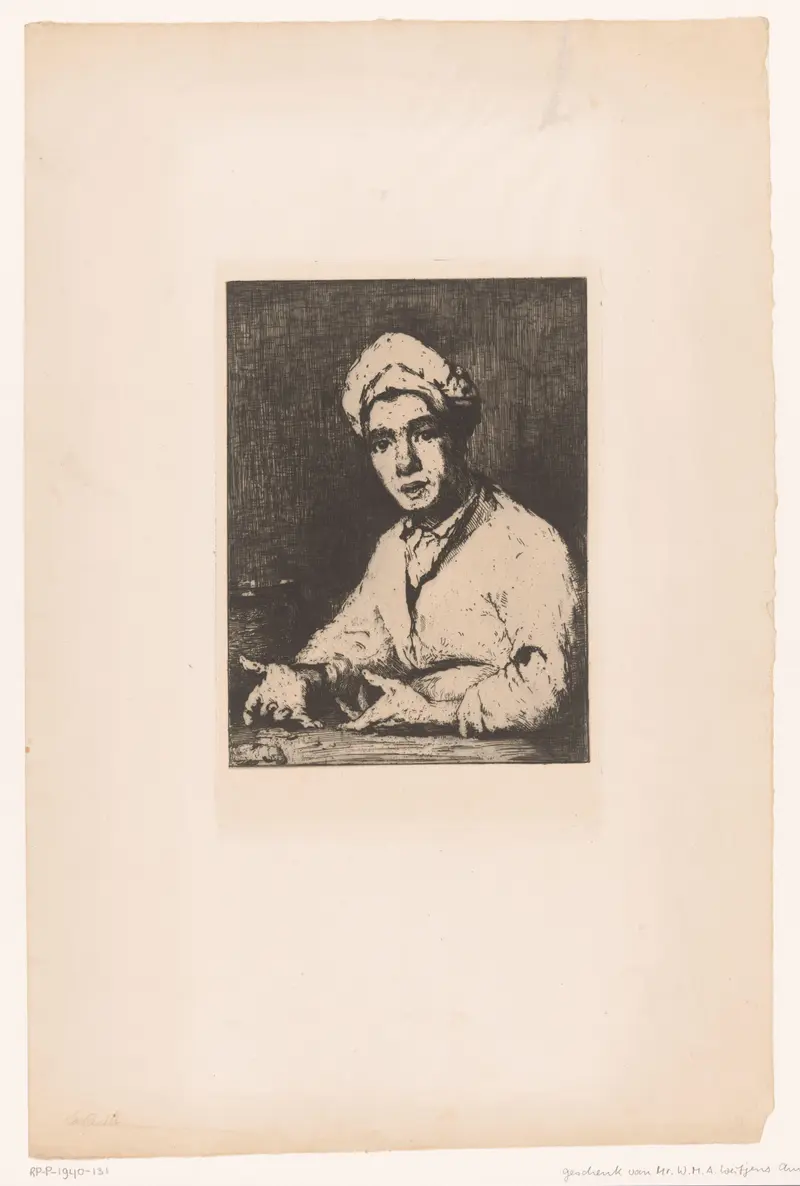
La recette du cuisinier
Augustin Théodule Ribot
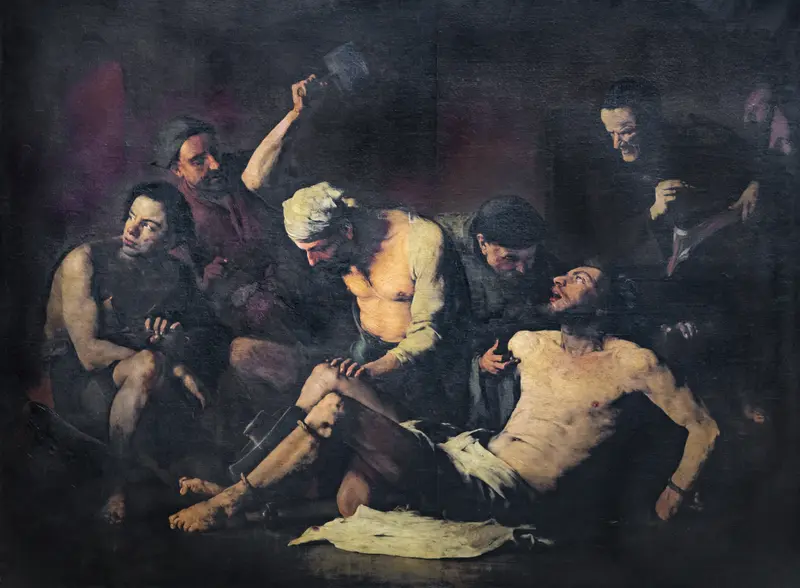
The torture of the corners also says The torture of Alonso Cano
Augustin Théodule Ribot





