
Pacific Parnassus, Mount Tamalpais — History & Facts
A sweep of cloud and coastline draws the viewer into Pacific Parnassus, Mount Tamalpais, where land and sea curve together under a restless sky. The most striking feature is the way the clouds seem to tumble and dissolve, their movement echoed by the long, arching shoreline that pulls the eye deep into the distance. Light pours through the vapor, catching on the tops of the hills and the dark silhouettes of trees, creating a sense of both vastness and intimacy.
The palette—muted blues, sandy ochres, and soft greens—sets a contemplative mood, as if the scene hovers between a memory and a dream. The composition invites the viewer to linger, to trace the shifting boundaries between earth, water, and air. Painted circa 1905, this work by Arthur Bowen Davies belongs to an era when American artists were reimagining the landscape as a place of personal vision rather than mere documentation. The early twentieth century saw painters turning to the West Coast for inspiration, capturing the drama and subtlety of its light and landforms.
Little is recorded about the specific journey of this canvas, now in the collection of the De Young Museum, but its presence speaks to a moment when artists sought new myths in American scenery. The painting’s blend of realism and atmosphere encourages us to look again, to find our own story in the rolling hills and shifting clouds.
More Artworks by Arthur Bowen Davies

Mirror of Illusion
Arthur Bowen Davies
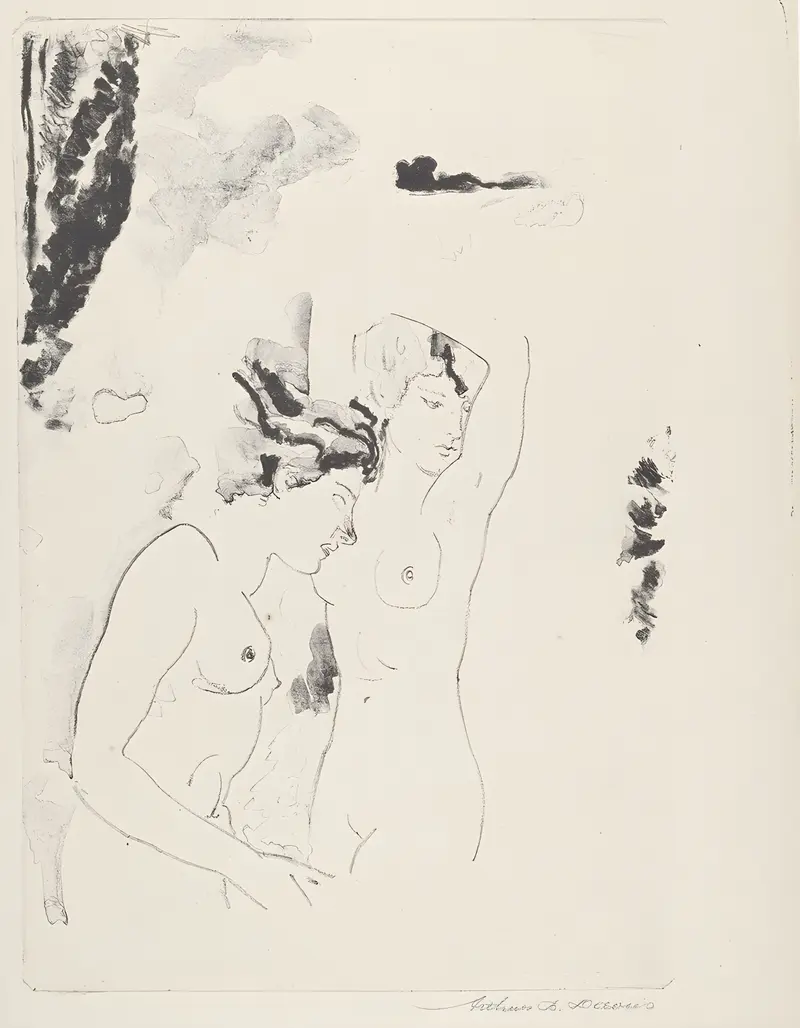
Nymphs of the Stream
Arthur Bowen Davies

Woman Dancing
Arthur Bowen Davies
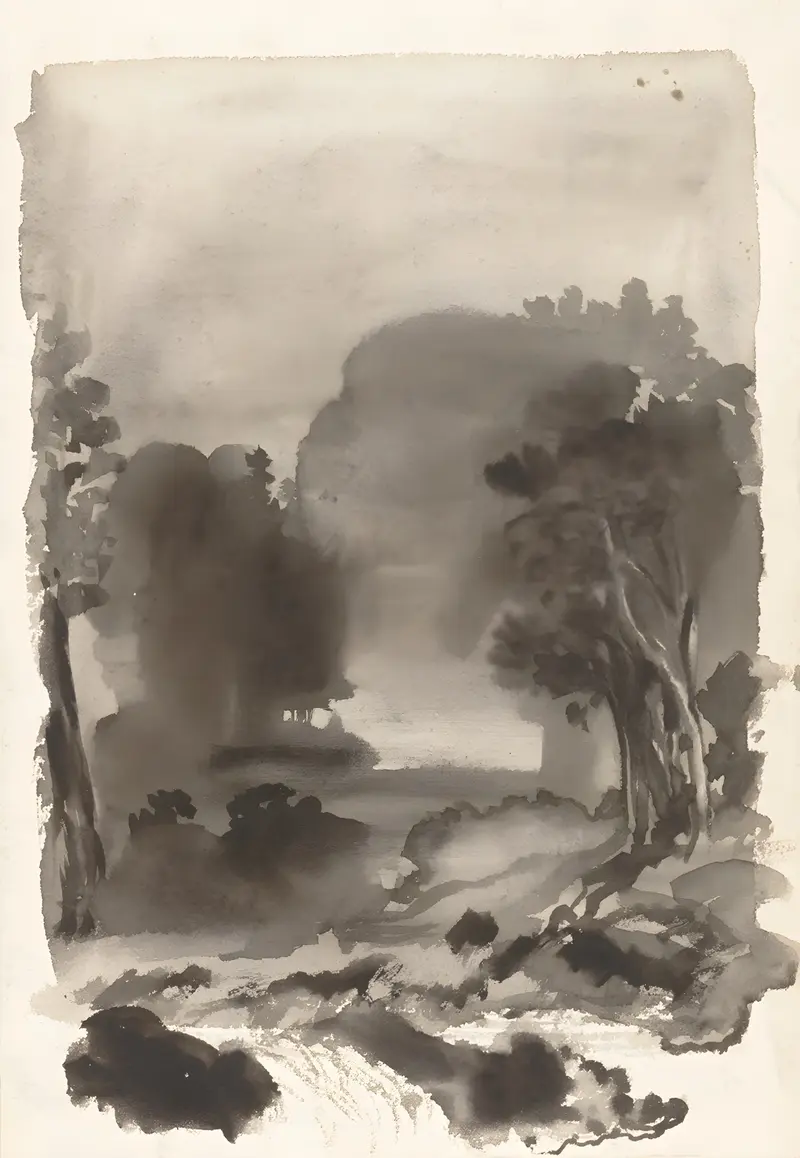
Landscape 2
Arthur Bowen Davies
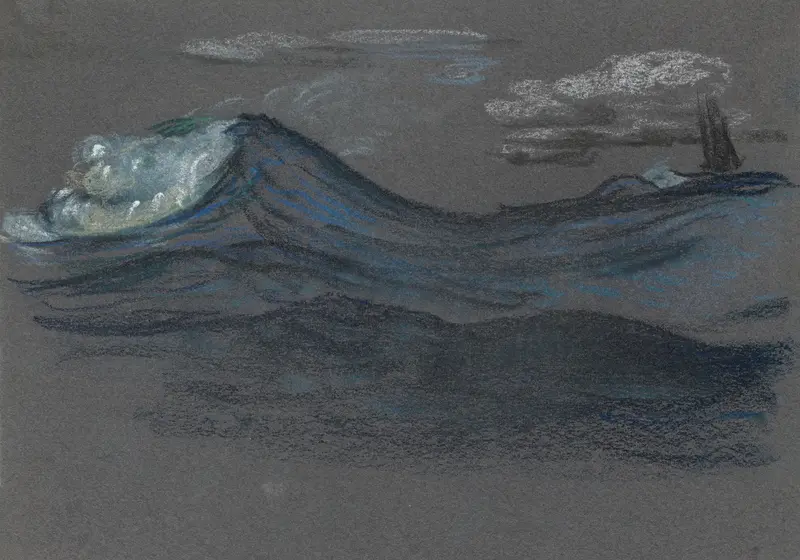
Ocean Swells
Arthur Bowen Davies
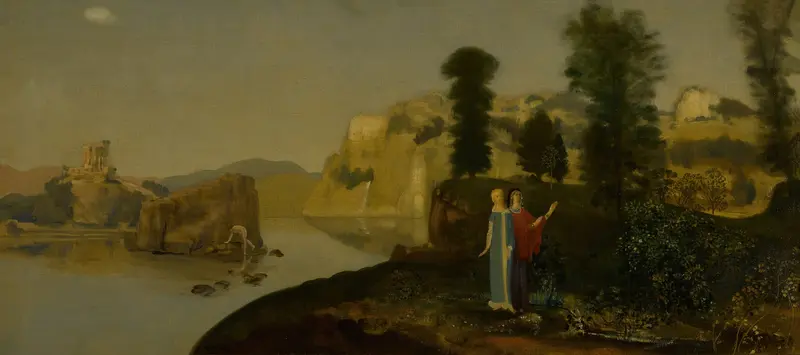
Silver Springs
Arthur Bowen Davies
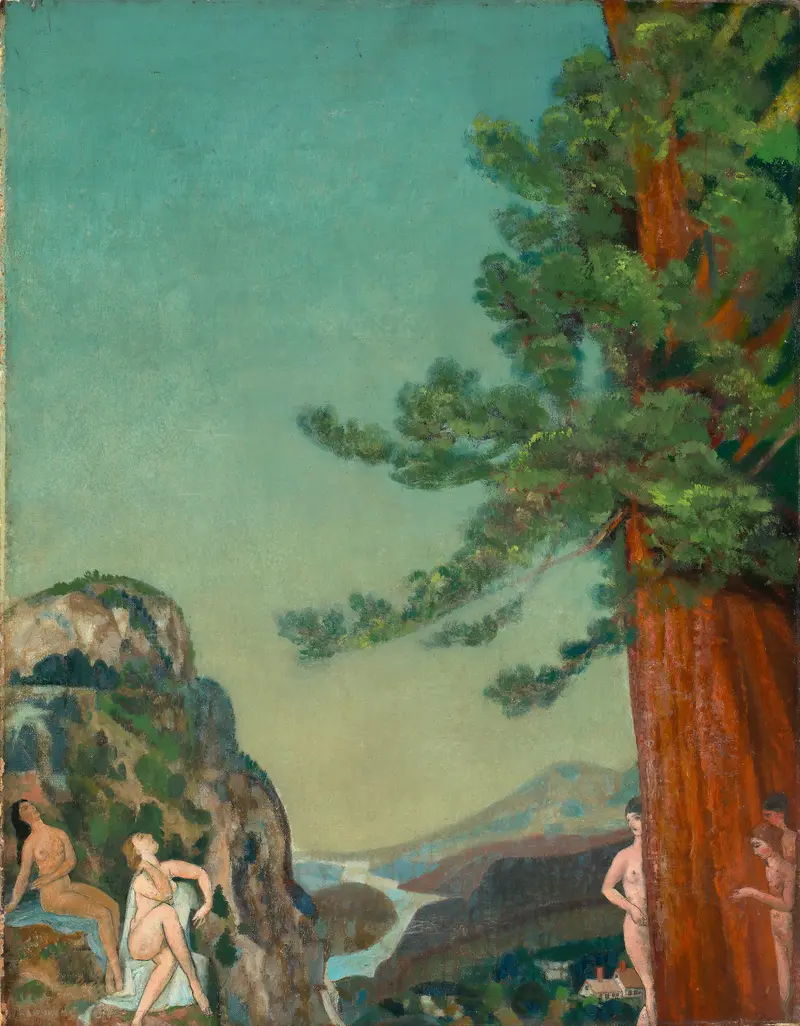
On the Cliffs
Arthur Bowen Davies

Landscape
Arthur Bowen Davies
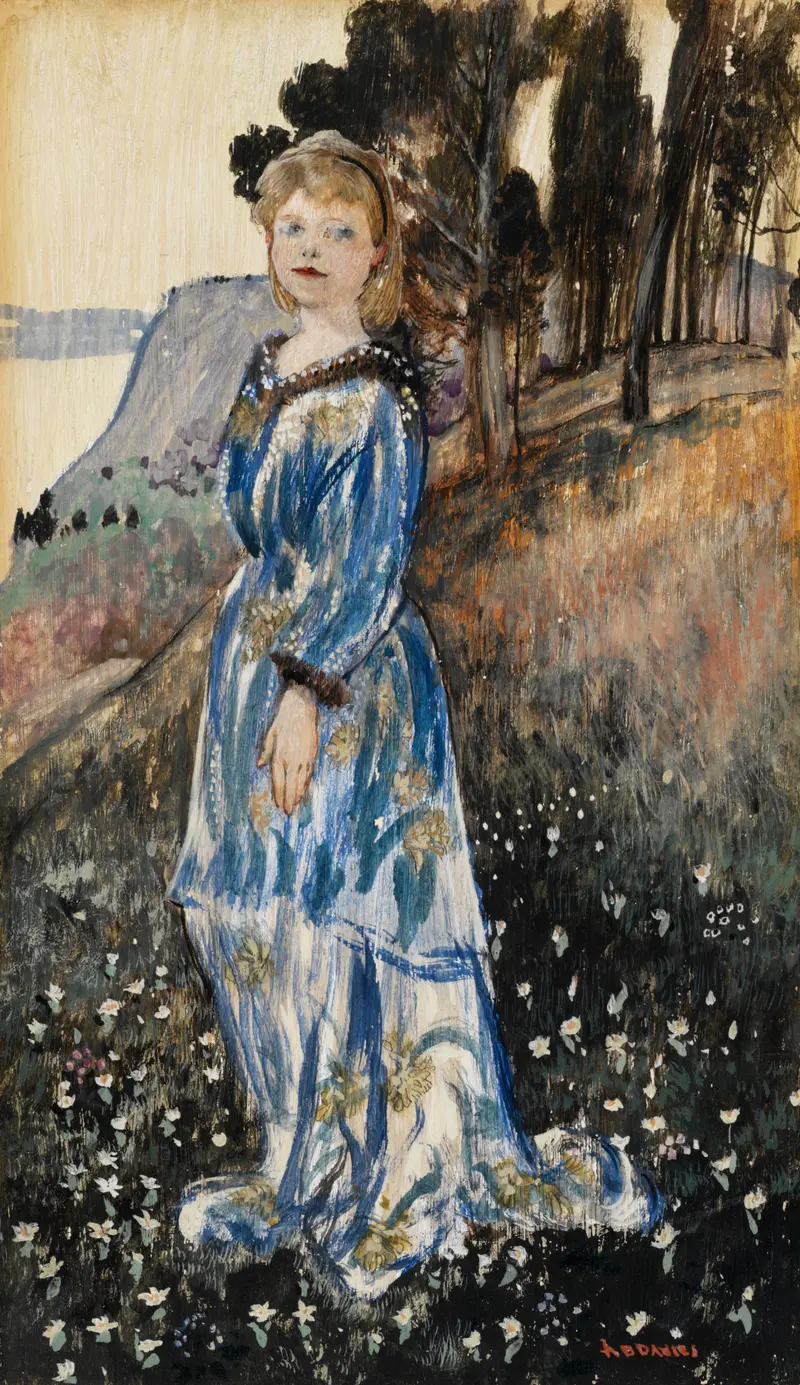
Flora
Arthur Bowen Davies
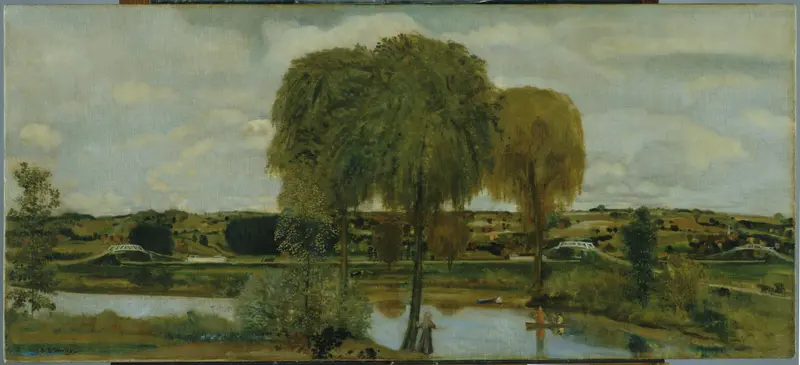
Along the Erie Canal
Arthur Bowen Davies
More Landscape Art

The Starry Night
Vincent van Gogh

View of Delft
Johannes Vermeer

Water Lilies
Claude Monet

The Grand Canal, Venice, looking north-west from the Ca' Corner to the Ca' Contarini degli Scrigni, with the campanile of Santa Maria della Carità
Canaletto

Windsor Castle
Canaletto

The Grand Canal looking North-East from the Palazzo Dolfin-Manin to the Rialto Bridge
Canaletto